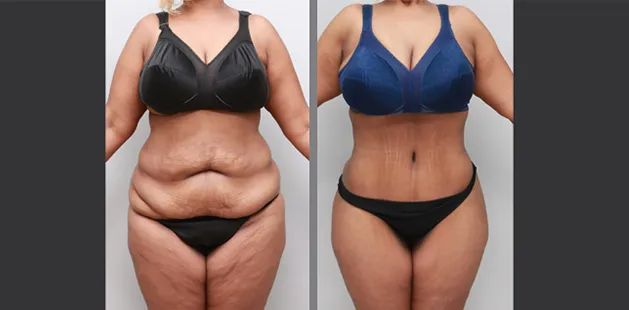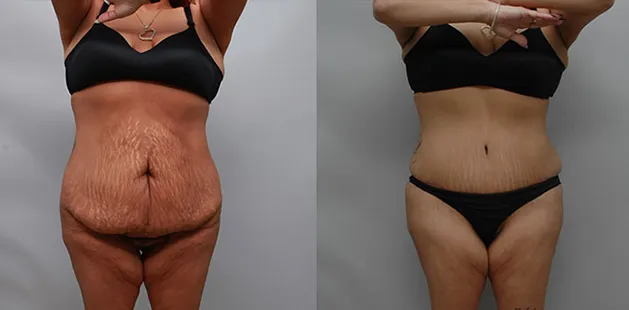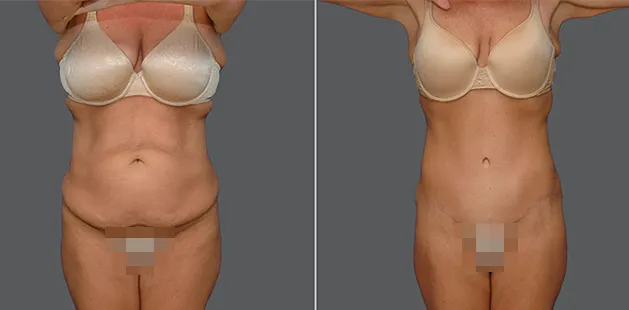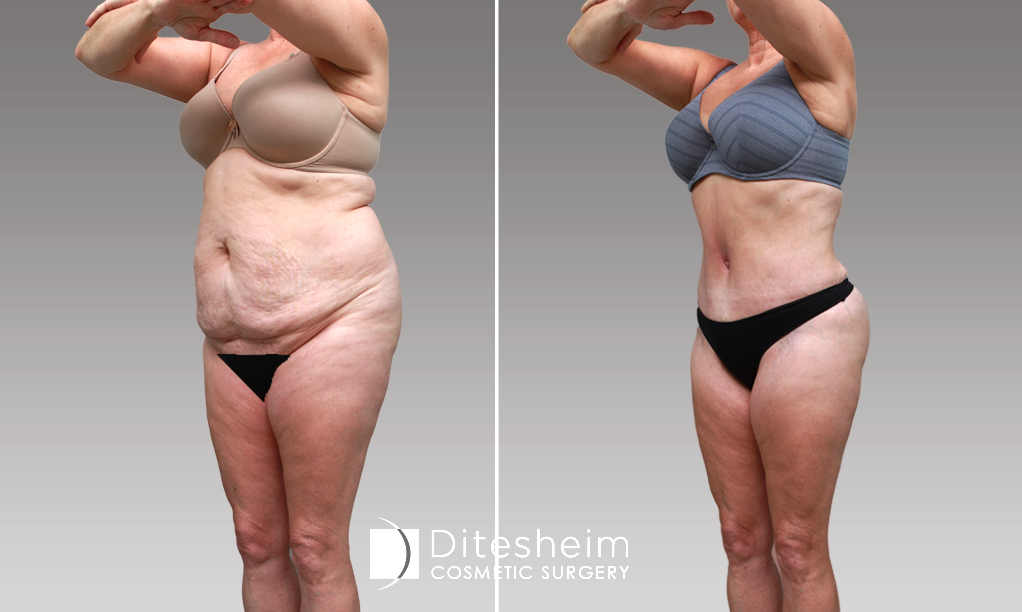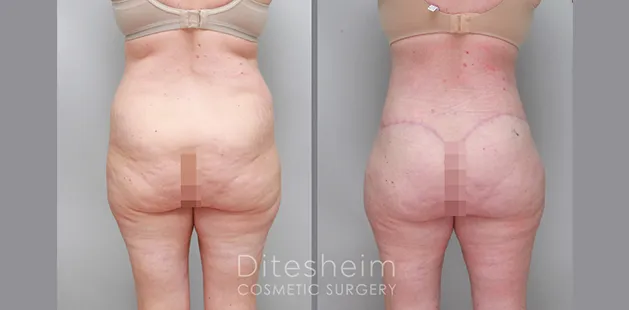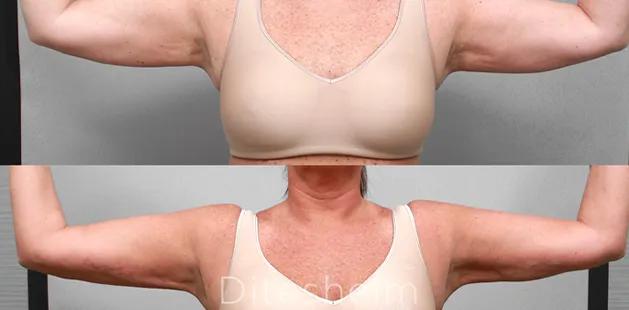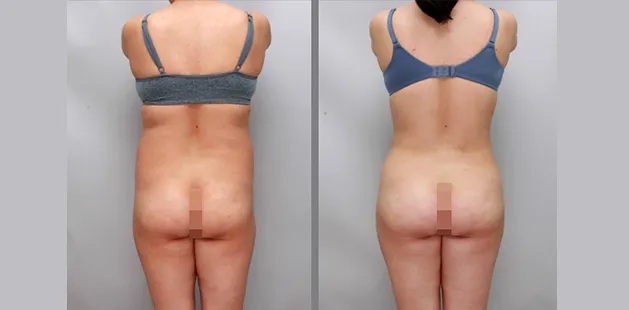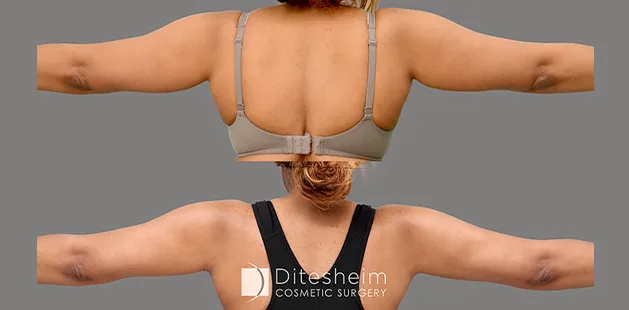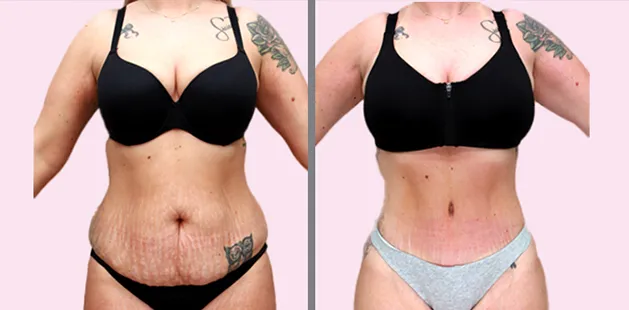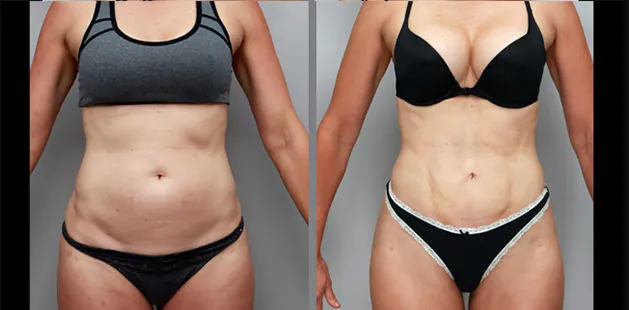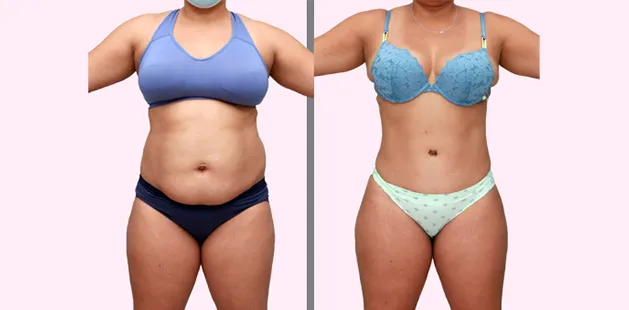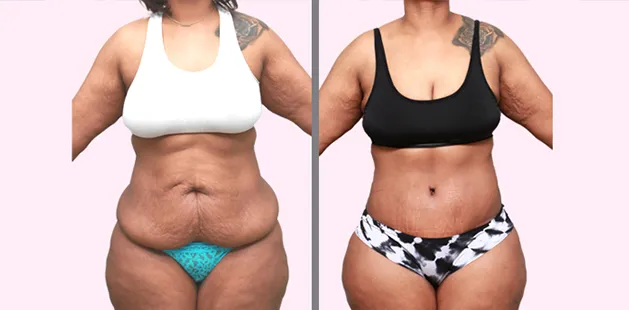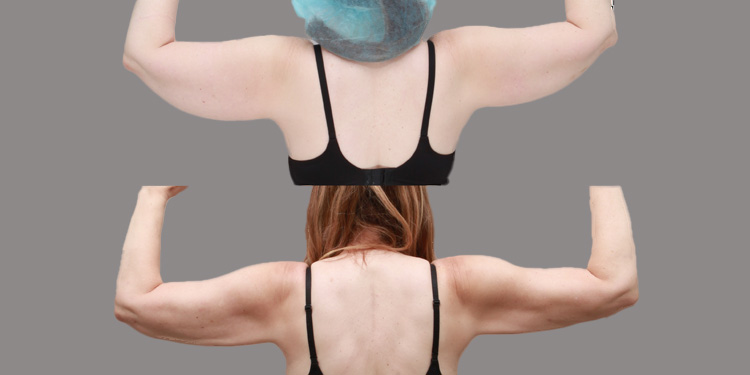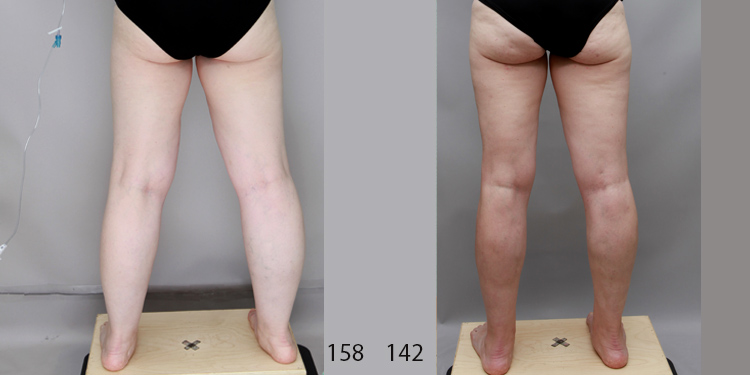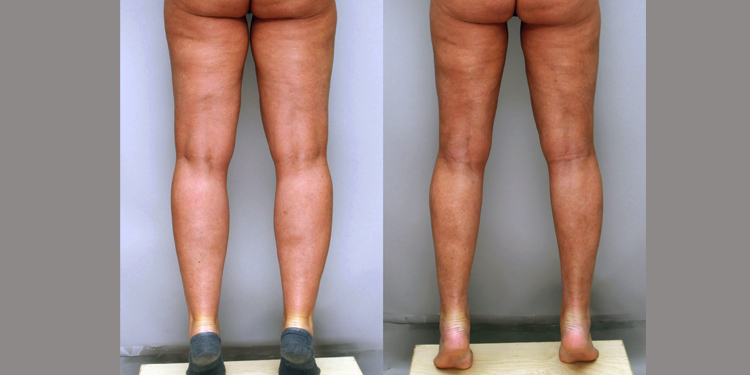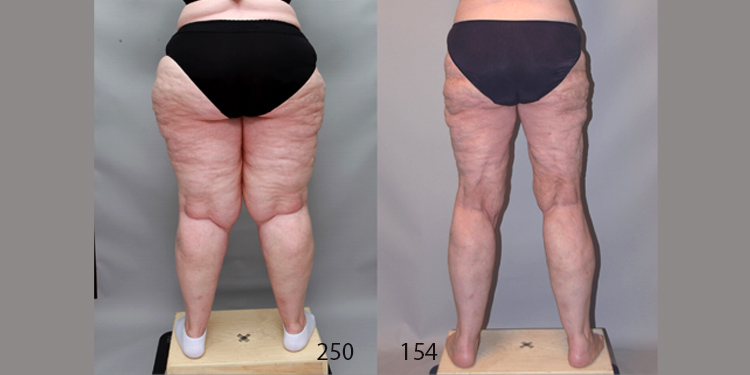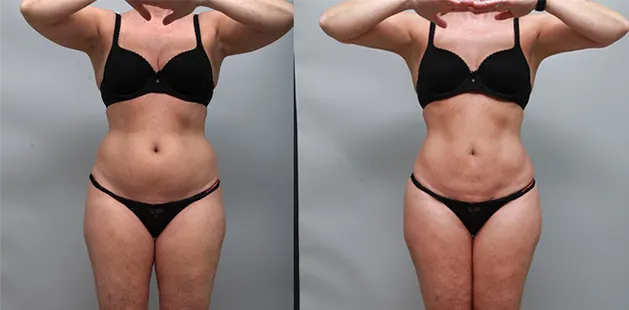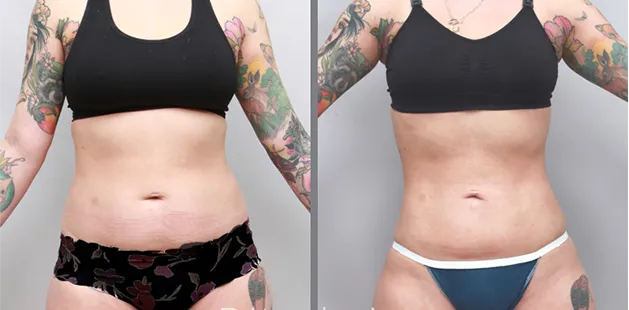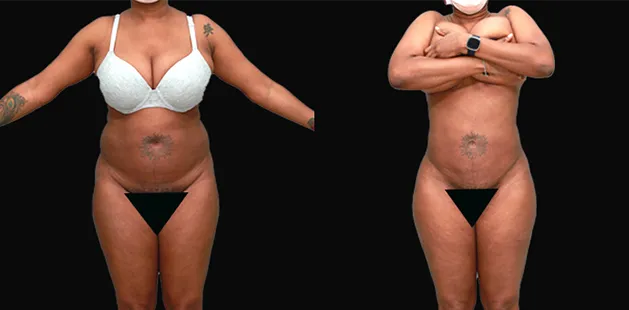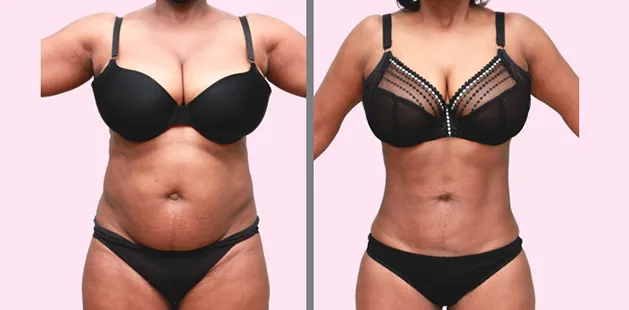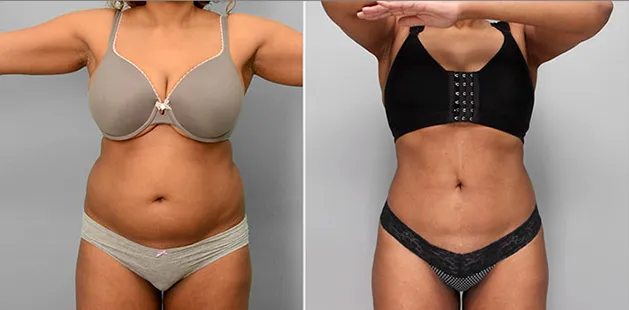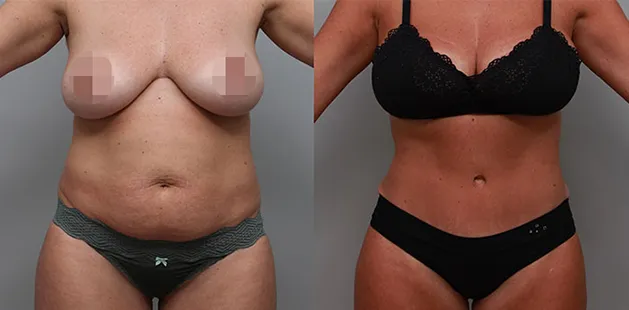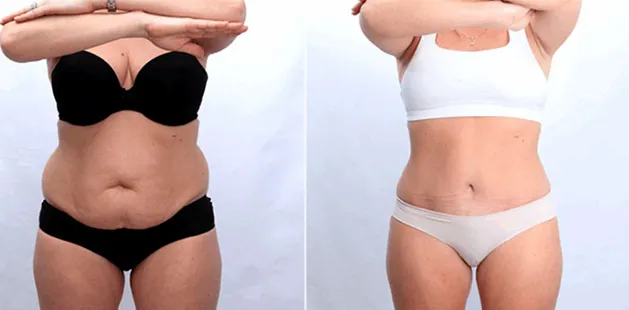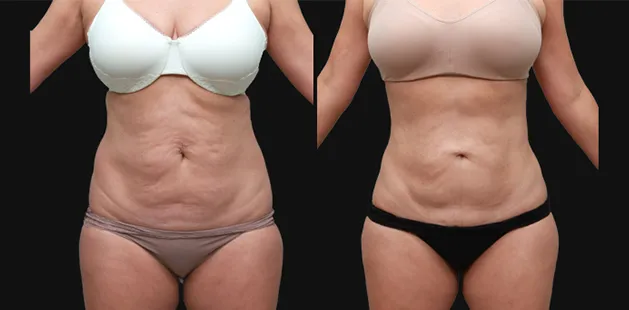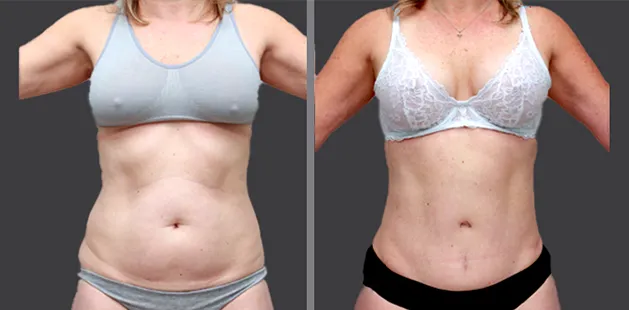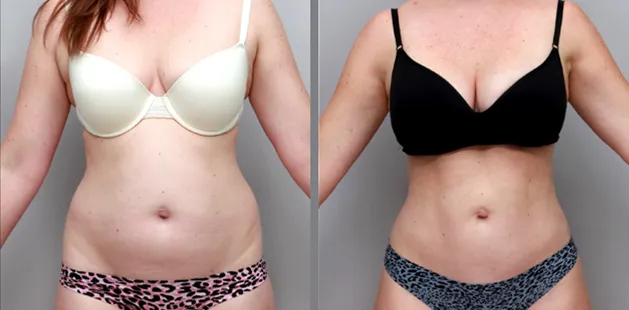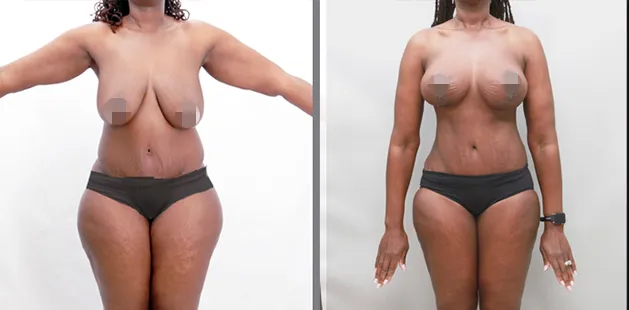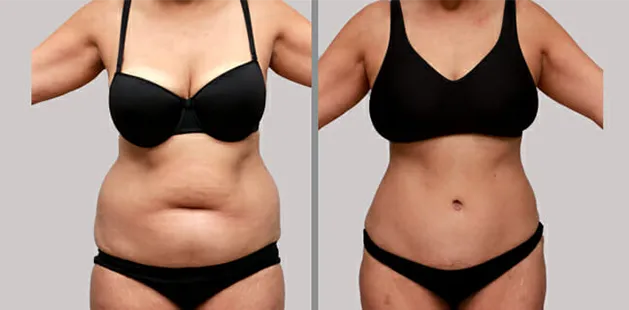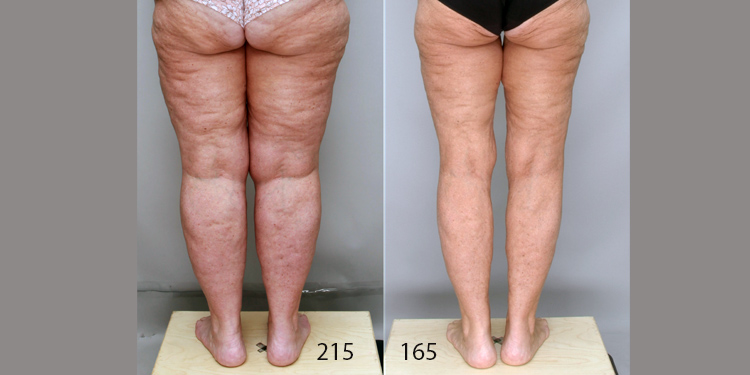
Living with heavy, painful legs and unexplained swelling can feel incredibly isolating. For countless women, lipedema causes daily discomfort and emotional distress that standard diets and intensive exercise simply cannot fix. This progressive, inflammatory disease requires a highly specialized approach that combines modern medical management with targeted surgical intervention.
Understanding your treatment options is the first step toward reclaiming your mobility and confidence. This comprehensive guide explores the latest advancements in lipedema treatment. You will learn how to identify the symptoms, the critical role of modern medications, essential preparation steps, and exactly what to expect from surgery and associated costs.
What is Lipedema?
Lipedema is a progressive inflammatory disease that specifically targets fat deposits in the extremities and the pelvic torso. It predominantly affects women, with over sixty percent of patients reporting a family history of the condition. Precipitous hormonal changes during puberty, pregnancy, or menopause often trigger or dramatically worsen the disease.
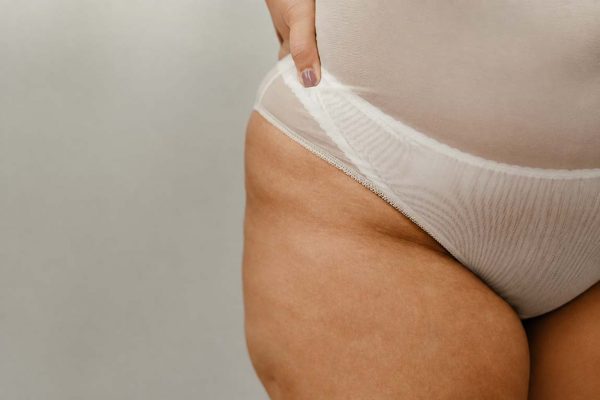
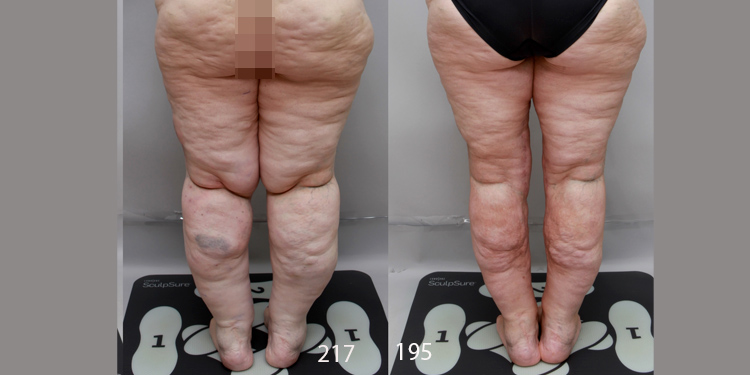
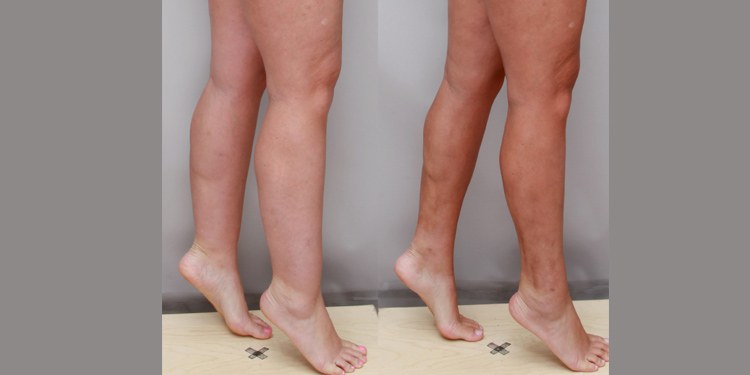
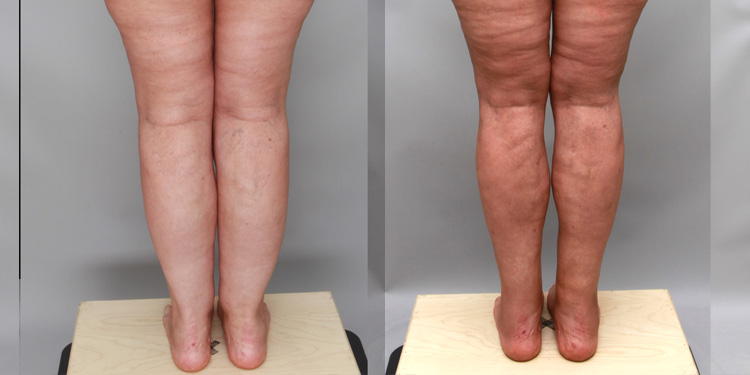
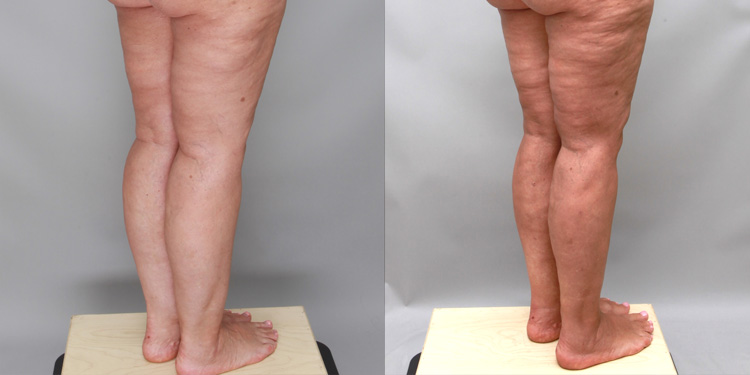
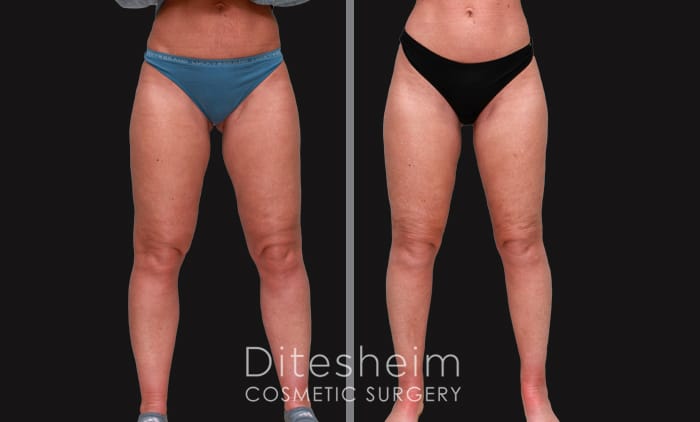
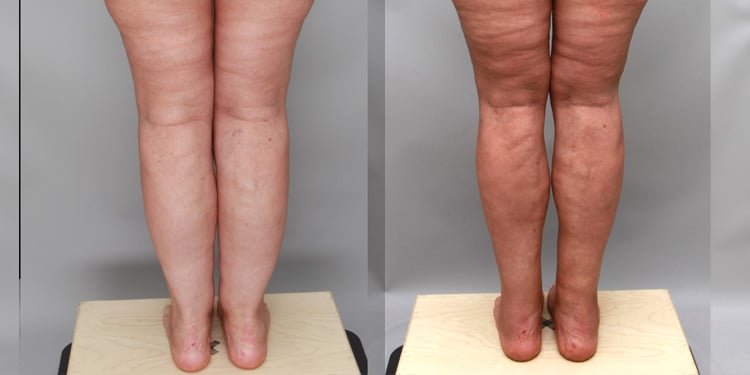
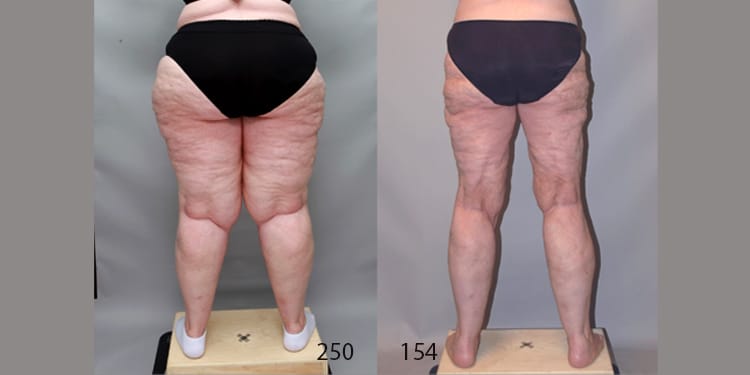
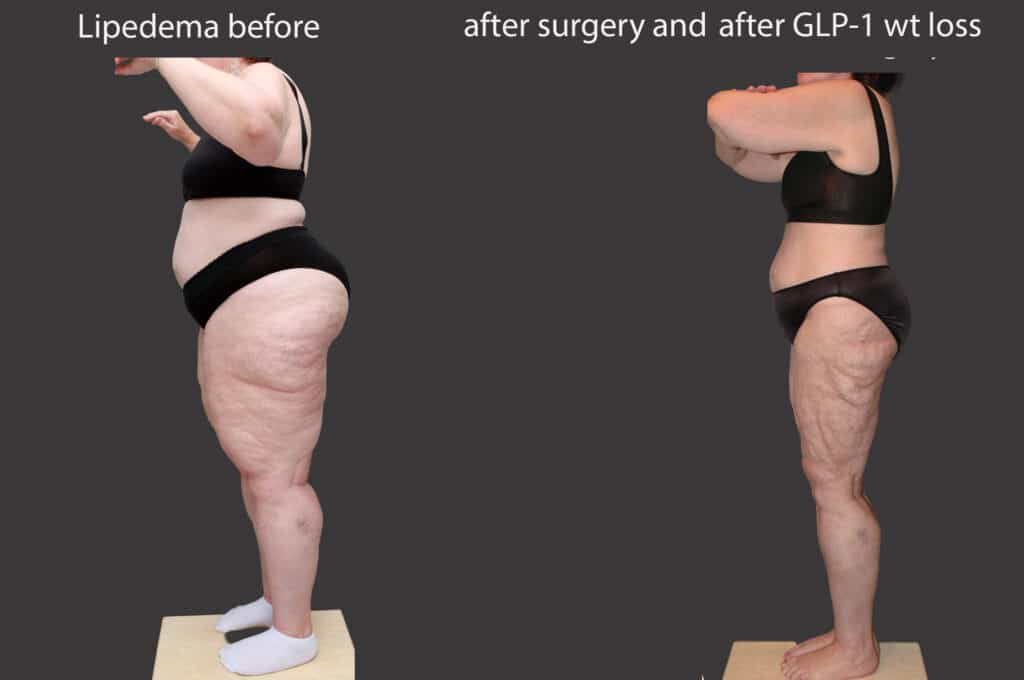
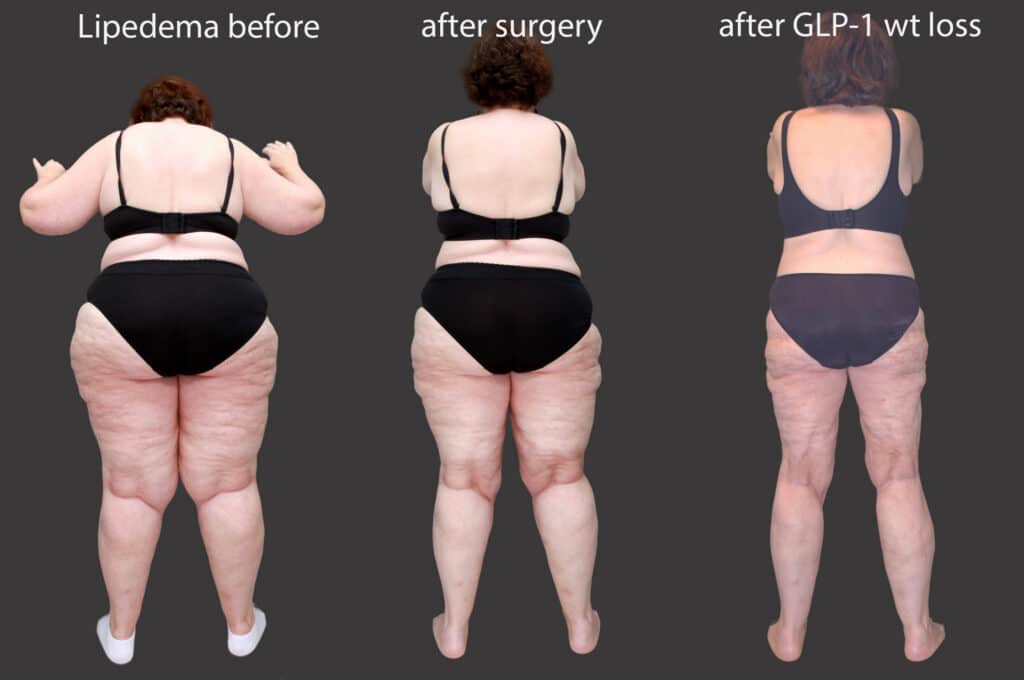
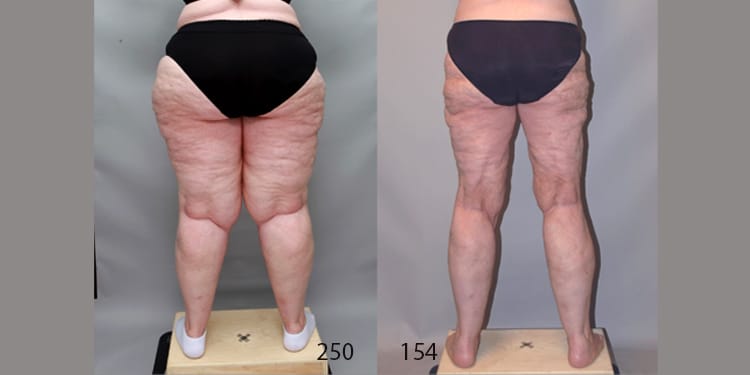
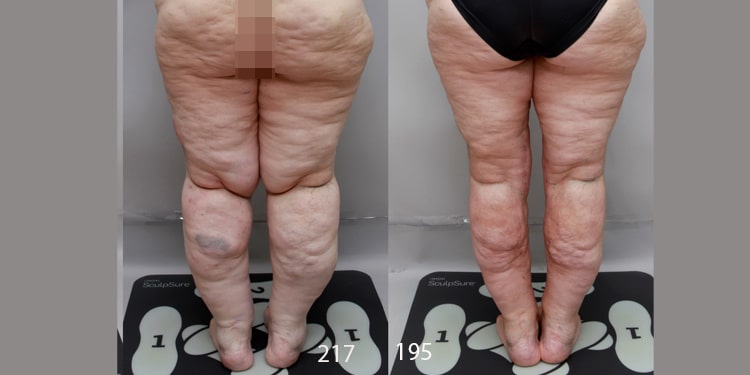
The condition creates a distinct anatomical disproportion in the body. You might notice excessively large thighs and cylindrical legs with a sharp cut-off at the ankles, frequently referred to as the “cuff-sign.” The hands and feet usually remain completely unaffected, though some patients develop painful fatty nodules around their ankles.
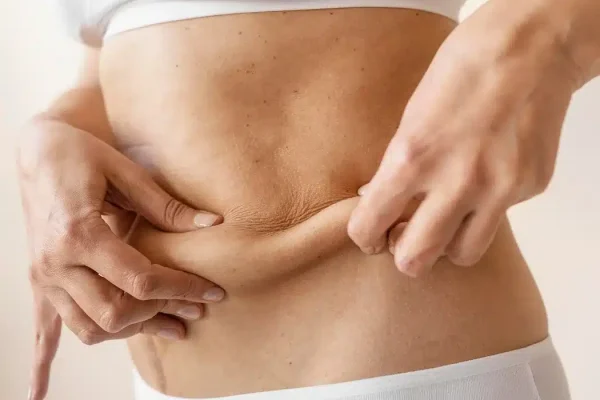
Unlike standard obesity, lipedema involves inflamed fatty tissue that stubbornly resists traditional weight loss methods, including gastric bypass surgery. Women with this condition often feel hard, rice-sized nodules hidden just under their skin. While obesity and lipedema can co-exist, medical professionals frequently confuse the two, leading to delayed diagnoses and immense frustration for patients.
Recognizing the Symptoms
The physical manifestations of lipedema go far beyond cosmetic concerns. Persistent pain, easy bruising, and noticeable swelling are common presenting symptoms. Most women experience a profound sensation of “heavy legs” due to the constant inflammation trapped in their thighs and calves.
This abnormal stress on the hips and knees can cause severe joint issues. Over time, patients may experience a turning in of the knees, known as valgus deformity, and advanced arthritis that eventually requires joint replacement surgery. Impaired mobility frequently leads to withdrawal from social activities, an inability to work, a sedentary lifestyle, and a complete loss of physical stability.
Why Consider Lipedema Surgery?
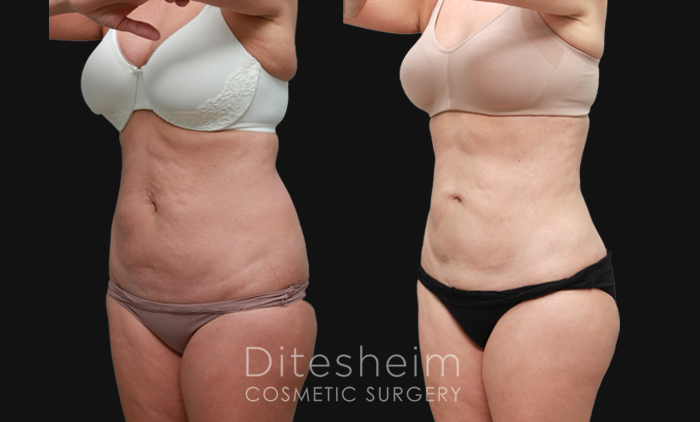
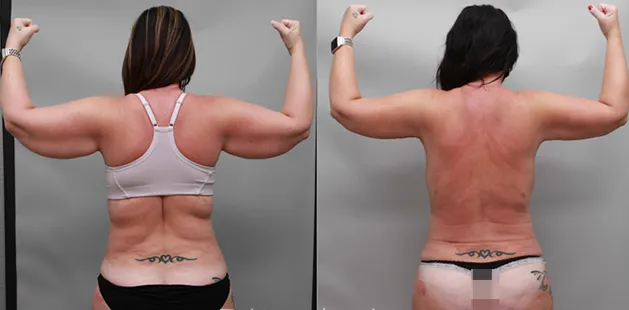
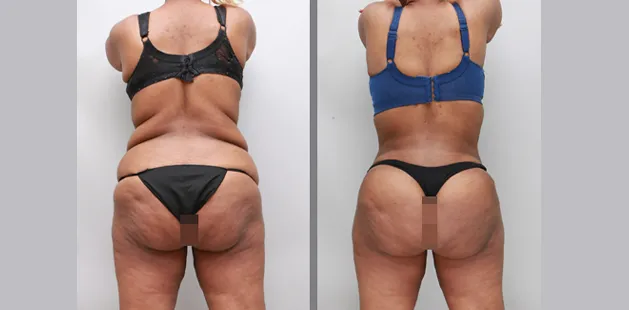
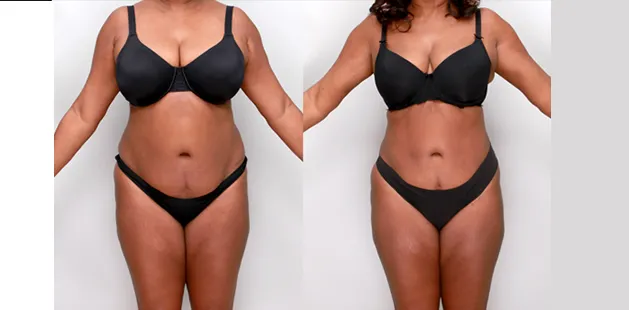
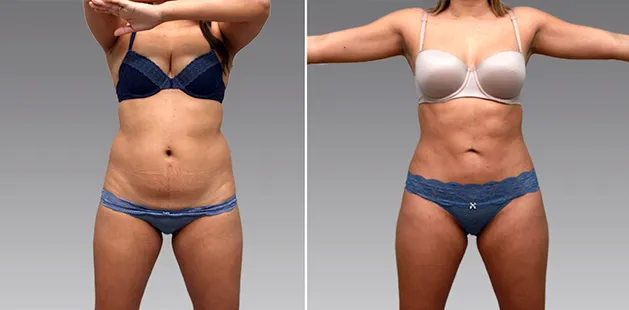
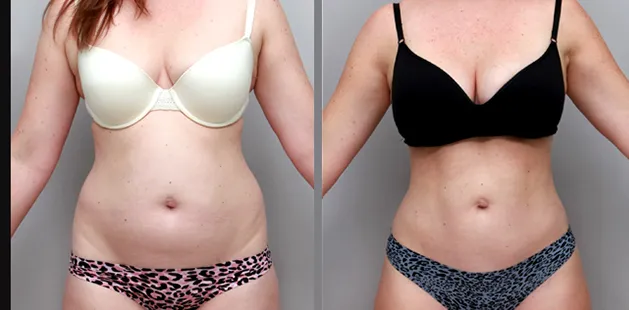
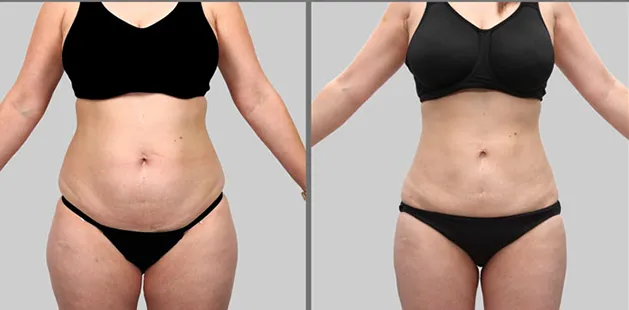
Surgical treatment offers both profound functional relief and significant aesthetic benefits. The primary goal of intervention is to maintain your functional mobility and stop the disease from further limiting your daily life. By surgically removing the inflamed lipedema tissue, patients experience immediate, life-changing relief from the heavy sensation in their legs.
Recent peer-reviewed studies show that multiple, early, and aggressive surgeries can successfully restore function. This proactive approach prevents women from becoming entirely dependent on decompressive therapies. Pain, swelling, joint stress, and overall quality of life predictably improve following surgical treatment.
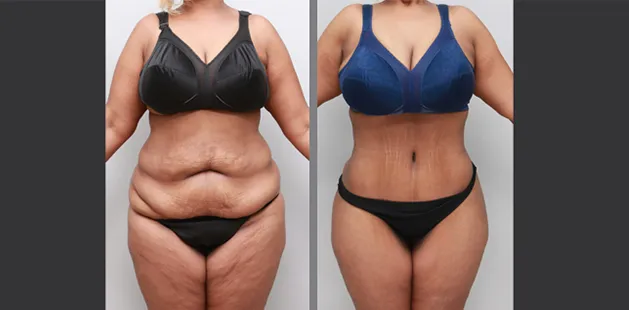
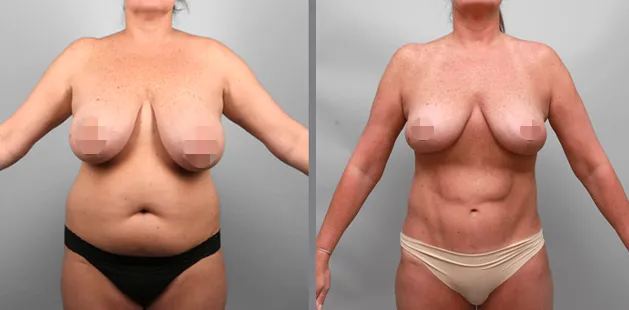
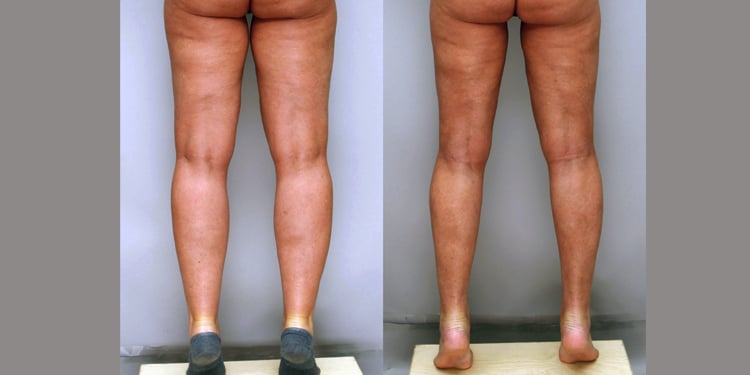
Aesthetics also play a vital role in your mental and emotional well-being. The physical distortion caused by disproportionate fat deposits often leads to severe body dysmorphia and a constant need to camouflage your shape. Clothes refuse to fit properly, and buying tall boots becomes impossible. Lymph-sparing liporeduction surgery helps restore a natural, beautiful shape, allowing you to feel comfortable in your own skin again.
Preparing for Surgery: The Modern Approach
Historically, surgeons recommended immediate operative treatment as the first line of defense against lipedema. Today, the medical community recognizes that early surgery alone does not completely stop the progression of the disease. The modern approach focuses heavily on controlling underlying inflammation before you ever enter the operating room.
Think of this anti-inflammatory program as your essential preparation for surgery and a lifelong strategy for disease control. Eliminating specific dietary triggers forms the foundation of this process. Common inflammatory foods include gluten, dairy, refined sugars, and alcohol. Focusing on treating inflammation first results in natural weight reduction, improved daily symptoms, and much better overall health.
The Role of GLP-1 Medications
In recent years, the widespread use of GLP-1 and GIP medications has revolutionized the medical management of obesity and inflammation. Medications like tirzepatide (Zepbound) provide powerful anti-inflammatory benefits that directly assist lipedema patients.
Many women using these medications report dramatic weight reduction and a significant decrease in inflammatory pain. Lowering your total body weight before surgery makes the operative procedure substantially safer and reduces the risk of complications. Furthermore, managing the disease medically might actually decrease the total number of surgeries you ultimately need.
You must pursue this treatment under strict medical supervision. If you utilize GLP-1 medications, you must stop taking the injections at least two weeks prior to your scheduled surgery to ensure optimal safety under anesthesia.
Decompression Therapy and Compression Garments
Decompression therapy serves as another vital component of your preoperative journey. Properly fitted compression garments help push excess swelling out of your arms and legs. Medical experts highly recommend flat-knit compression garments over standard options.
Unlike circular-knit garments that simply stretch radially like athletic leggings, flat-knit designs actively move fluid upward and prevent the tissue from swelling. Custom-fitted flat-knit garments manufactured in Germany by companies like Jobst, Medi, and Juzo provide the absolute best results. While circular-knit garments cost significantly less, they generally serve venous disease better than advanced lipedema.
You should combine your compression wear with manual lymphatic massages, pneumatic compression machines, and supportive exercises. Walking, aquatic exercises, and using a vibration plate greatly enhance lymphatic drainage. The six-week preoperative period is the perfect time to build a strong relationship with a certified lipedema therapist.
The Surgical Protocol Explained
The ultimate strategy of lipedema surgery is to provide a safe, complete debulking of the diseased tissue while carefully protecting your delicate lymphatic system. Because of the incredible success of modern medical management and GLP-1 medications, many patients no longer face the historical mandate of needing four separate, exhausting surgeries. Surgeons now individualize every single treatment plan to fit your specific physiological needs.
Prioritizing Surgical Safety
Surgeons must prioritize your safety above all other factors. In a fully accredited surgical center, a doctor can safely remove a maximum of fifteen pounds of aspirate during one liposuction session. This equates to roughly thirty-seven pounds of fatty tissue total over multiple sessions. Removing more fat than this dramatically increases the risk of blood loss and severe fluid shifts.
The maximum amount of fat a surgeon can safely extract correlates directly to your body weight and your baseline hemoglobin levels. If your blood count runs low, or if the aspirate becomes excessively bloody during the procedure, the surgeon will appropriately halt the fat removal to protect your health.
The Best Liposuction Techniques
Surgeons utilize specific techniques to extract the fibrous fat associated with lipedema. Water-assisted liposuction, commonly known as Aquashape, remains a highly preferred method. This technique uses a gentle, pulsatile water jet to mobilize and wash away the fatty tissue. It requires less fluid infiltration and treats the surrounding tissues gently.
For highly fibrotic and stubborn lipedema tissue, surgeons might use more aggressive modalities like PowerLipo or VaserLipo. Ultimately, no single “best” technique exists. The right choice depends entirely on your surgeon’s expertise and the specific texture of your fatty tissue. The overarching goal remains the same: safely and efficiently remove the diseased fat with minimal blood loss.
Addressing Excess Skin
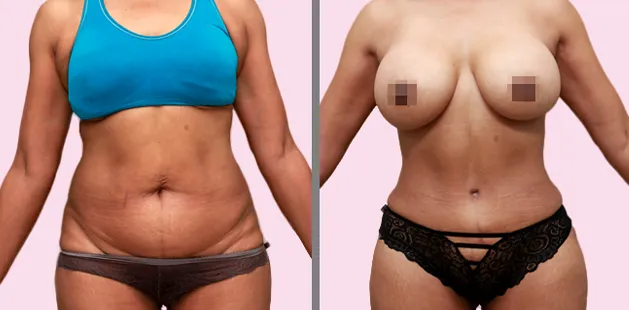
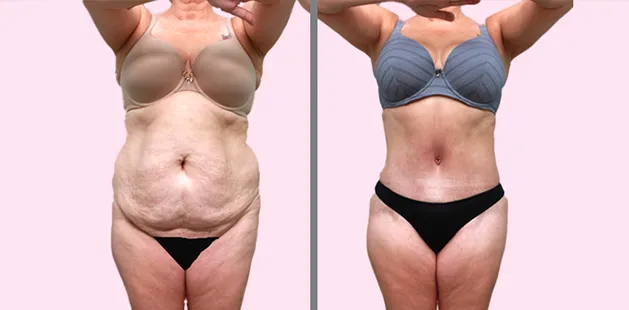
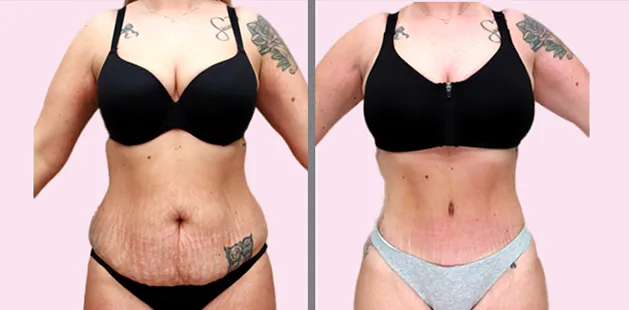
After removing significant volumes of fat, you might naturally worry about loose, redundant skin. Surgeons often utilize skin tightening technologies like Renuvion during the liposuction procedure. Renuvion uses specialized heat and helium energy to tighten the skin from the inside out without creating any additional large scars.
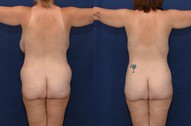
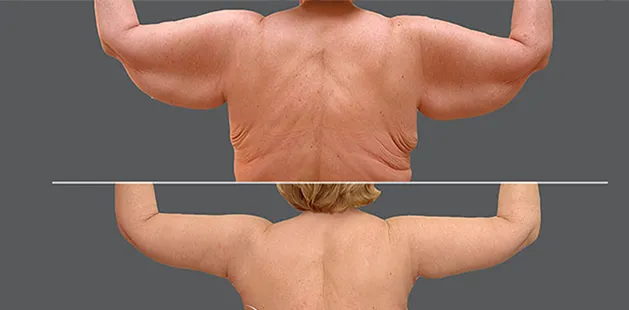
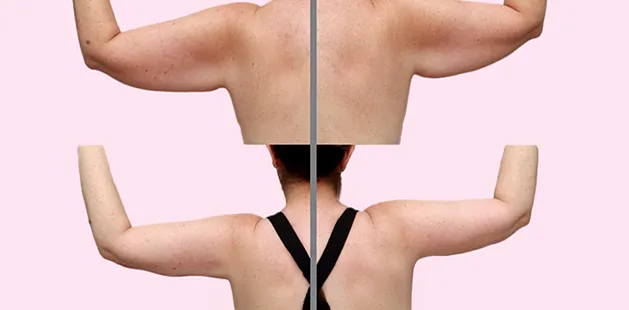
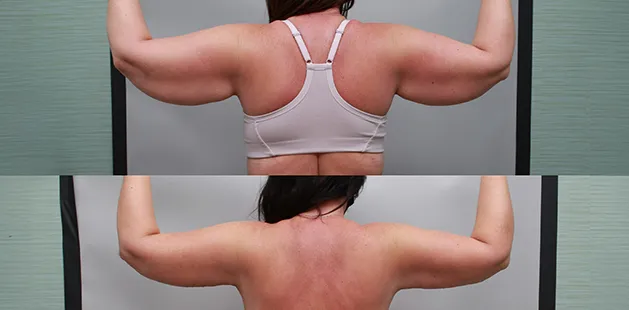
If you still possess significant redundant skin, doctors generally recommend waiting a full year after your final liposuction surgery before pursuing skin removal. The skin on your legs has a remarkable, unique ability to contract around its new cylindrical shape over time. Giving your body a chance to heal naturally yields the best cosmetic results. For the arms, a surgeon might recommend a brachioplasty, or arm lift, as the initial procedure if severe excess skin already exists.
Understanding Costs and Insurance
Lipedema surgery removes large amounts of tissue and requires intensive monitoring. To maximize your safety and ensure complete comfort, surgical teams perform these procedures under general anesthesia in accredited facilities. You breathe on your own, but the anesthesia team closely monitors your heart, lungs, and kidneys throughout the entire operation.
Understanding the financial commitment of this specialized care is incredibly important. Total fees for a single surgical procedure start at $15,640. This comprehensive fee includes the surgeon, the operating room, and the anesthesia providers. High body weight or complex medical risks may increase these fees. Additional expenses will include your lymphatic massages, custom compression garments, nutritional counseling, and any GLP-1 medications you choose to use.
Navigating insurance coverage for lipedema care requires immense patience and persistence. Most specialized lipedema surgeons operate entirely out-of-network. You will receive a detailed written consultation that outlines your treatment plan, the medical necessity of the surgery, and the peer-reviewed literature supporting the intervention.
You must handle all communication directly with your insurance company. You need to verify your out-of-network benefits and provide comprehensive documentation of your past conservative treatments. If your insurance company acknowledges that no in-network lipedema specialist exists in your area, you can advocate for a single-case agreement to help cover the costs of your procedures.
Next Steps on Your Journey
Managing lipedema requires a comprehensive, dedicated approach. By controlling inflammation through diet and medication, utilizing dedicated decompressive therapies, and executing precise surgical techniques, you can achieve remarkable, long-lasting relief.
The psychological and emotional weight of managing this disease is heavy. Connect with lipedema support groups and prioritize your mental health as you prepare for this life-changing transition. You possess the power to achieve a healthy, functional life and restore a positive body image. Take control of your health today by scheduling a comprehensive consultation and stepping into a future with lighter, pain-free legs.
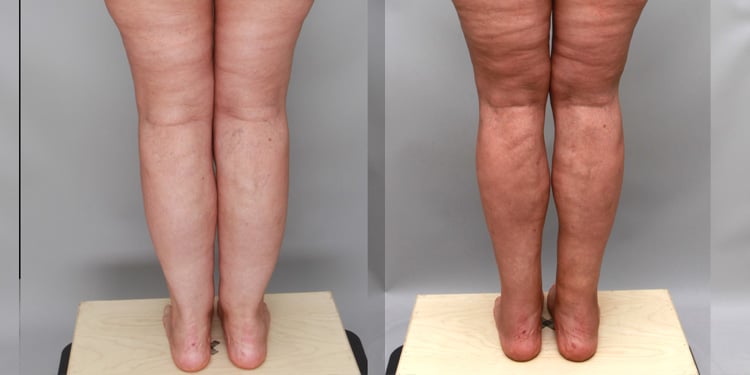
Early Stage Lipedema
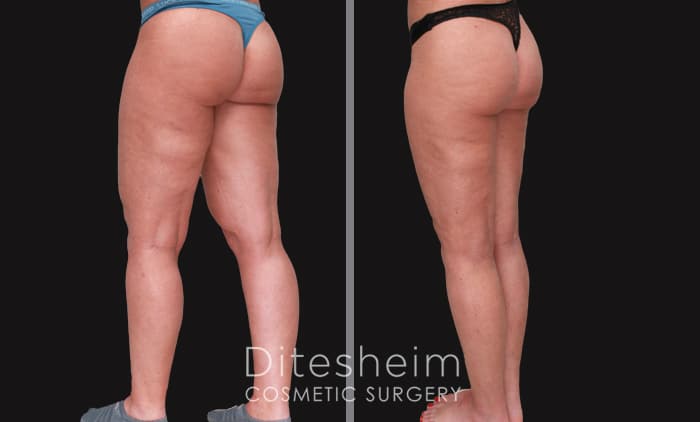
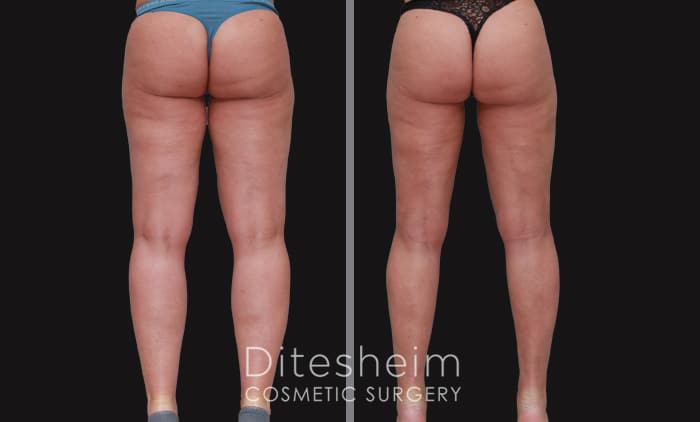
Later Stage Lipedema

Frequently Asked Questions
Lipedema is a loose connective tissue disease, not a disease of adipocytes (fat). There are inflammatory markers in the lipedema tissue not present in normal fat cells. There are usually nodules of fat that can be felt. As the disease progresses, the overlying skin can be thicker and distorted.
Is lipedema the same as obesity?
No, lipedema tissue is resistant to reduction by diet, exercise and bariatric surgery. When obesity is present, weight reduction of non-lipedema tissue can be helpful to minimize complications from surgery.
Is Lipedema common?
Likely millions of women in the US have lipedema. Germany: 6-8% of women; Vascular clinics: 15-19%. Probably 10% of American women.
Is Lipedema tissue painful when touched?
Frequently yes, but not always. Pain is not a requirement for the diagnosis. What causes the pain in not known. But 80% of women do have significant to severe pain on presentation. Conservative treatment (compression garments and lymphatic massage) can decrease pain by reducing swelling temporarily. Surgery can decrease or eliminate pain permanently.
Is lipedema inherited?
Yes, there is a “autosomal dominant manner with sex limitation”. This means there are lipedema genes that can be passed from parent to child.
Is it frequent to have depression, anxiety or an eating disorder?
Yes, 85% of women said lipedema impacted their mental health. Depression was present in 18-35% of women with lipedema.
What is the goal of treatment for lipedema? Maintain and improve quality of life with management of
pain, edema and mobility.
What is conservative treatment for lipedema?
Nutritional guidance, manual therapy, compression garments, pneumatic compression pumps and a home exercise plan.
How does conservative treatment help the pain with lipedema?
Manual therapies, sequential pneumatic compression pumps and exercise should improve lipedema tissue by decreasing pain and increasing lymphatic flow. (moving extracellular fluid into lymphatic vessels).
How do compression garments help lipedema patients?
Medical grade compression garments are used to manage edema ( leg swelling), leg size and hopefully decrease pain.
Is there any way to remove the abnormal lipedema fat without surgery?
No. Surgery is the only available technique to remove abnormal lipedema tissue.
Does removing lipedema tissue with liposuction slow the progression of the disease?
Yes, surgery is the only treatment that slows the progression of lipedema. Surgical care is best before complications and disabilities happen with lipedema.
Should I have conservative therapy before surgery for lipedema?
Yes, the “experts consensus” recommends surgical treatment (LRS) for patients who have a diagnosis of lipedema and have failed conservative therapies.
Do women with lipedema have a higher risk of “blood clots” or pulmonary emboli?
Yes. Especially in higher stages of lipedema, there is an increased risk of venous thromboembolism (blood clot) and pulmonary embolus ( blood clot to lung) after surgery. All patients are stratified by risk using established
criteria. Varicose veins from chronic venous disease also increase patient risk of blood clots in the legs.
After LRS (lipedema surgery) are compression garments needed?
Yes for the first 2-3 months during the post-surgical healing period to manage post-operative edema. After surgical recovery, compression garments are usually not needed or need reduced. Exception would be patient with lipolipedema.
Is it better to have surgery earlier or wait until lipedema is in Stage 3?
Early surgical treatment does appear to show best short and long term results.
Will I need compression garments to manage my leg swelling after lipedema surgery?
Yes, for the first 4-12 weeks, decompressive therapy including medical grade compression garments, lymph-press
treatment and manual lymphatic massage are recommended and beneficial.
Which liposuction technology is best for lipedema?
The two most tested liposuction techniques are Power-assisted (vibration energy) and Water-jet (pulsed water-jet) liposuction. The goal is to remove lipedema fat, protect lymphatics, minimize surgical trauma. Other techniques like Vaser (ultrasonic liposuction) have not been tested, but may also be useful.
How long can I expect the healing period to be after surgery?
Ideally 4-6 weeks, but can be up to 10-12 weeks. This can depend on stage of disease, weight and pre-existing vascular conditions.
How much lipedema fat can be removed at one time?
For most women 3-5 liters of lipedema fat is removed in one session. This depends on the body area and stage of disease. This is larger fat removal than cosmetic liposuction. Your hemoglobin will need to be in the normal range.
How many lipedema reduction surgeries do most women need?
Most women will need 1-4 surgical procedures to remove the lipedema fatty tissue; commonly two procedures will be needed. Women with later stage disease ( Stage 3) frequently have higher weight and more lipedema fat to remove.
Is it better to have lipedema surgery under general anesthesia vs local, awake anesthesia?
There are different surgical approaches. In my practice, general anesthesia enables more areas and more fat to be
removed at one time.
What is “tumescent anesthesia”?
All lipedema reduction surgeries use tumescent liposuction. Tumescent solution is a mixture of lidocaine, epinephrine and sometimes steroid or bicarbonate in saline solution. This is used both for vasoconstriction (minimize bleeding) and pain control.
I can’t wear compression garments because it is too painful, what should I do?
Before surgery, it is best to use decompressive therapy: garments, lymphatic massage and lymph-press to remove as much fluid from the extremities. Some women cannot wear compression garments because the thighs are too large or because the pressure from the garments is painful.
If I have surgery early ( Stage 1 or 2) will this slow the progression of disease?
Yes, women with early stage disease were followed after lipedema reduction surgery for up to 12 years. Improvements in symptoms and quality of life at 4 years were still present at 12 years. Removing the lipedema fat does slow the progression of disease and disability.
What can I expect from having lipedema surgery?
You can expect to have a recovery period for 3-12 weeks after surgery; more for legs, less for thighs and arms. Symptoms of pressure sensitivity, bruising, tenderness to touch and swelling are very likely to improve. After the recovery period, the need for decompression therapy will likely be less; compression garments may not be needed.
Will the heavy feeling I have in my legs be better after lipedema surgery?
Yes, the heavy feeling women with lipedema experience is from the lipedema fat, the inflammatory fluid and the lymphatic obstruction. Removing the lipedema fat improves all these factors, legs feel less heavy and mobility is
significantly improved.
What causes the pain with lipedema?
Even though pain or pressure sensitivity is common to almost all women, the “cause” of the pain is not known. You may have lipedema even if you do not have pain. Lipedema reduction surgery improves the feeling of pain significantly.
If I have knee pain or arthritis, can lipedema surgery help?
Yes. Overload of stress on the knee joint leads to inflammation and arthritis, eventually knee joint replacement. Removing thigh lipedema fat can “unload” the knee joint; mobility can increase and knee range of motion can significantly improve after lipedema surgery.
What is a “cuff sign”?
One of the common presentations of lipedema is a swelling or fullness just above the ankle that changes abruptly to a normal skin and fatty tissue thickness below, on the foot. It may be that there is a fascia or tissue layer “net” that holds the inflammatory fluid in the leg but not the foot. Heart failure, chronic lymphedema will cause swelling of the entire leg and foot. “Pitting edema” is when a finger is pressed into the swollen area and causes a depression. This is typical for heat failure but not for lipedema.
Should I have a vascular (vein) evaluation before lipedema surgery?
Yes, a painless ultrasound study (Duplex) of the thigh and leg veins can both visualize and determine function of the major veins bringing blood up from the feet to the heart Chronic venous disease, including varicose veins can make swelling worse. This study can be obtained at a vein center or vascular surgeon’s office.
Will my legs and thighs look better, have a more normal shape after lipedema surgery?
Yes, every woman who has lipedema is frustrated with the abnormal cylindrical shape of the legs. Shoes, boots do
not fit. With disproportion of fat in the lower extremities, there can be the appearance of obesity with its psychological impairment.
Do most women lose weight after lipedema surgery?
Yes, many women do lose weight after lipedema reduction surgery.
Before surgery, what can I try to address leg swelling and pain?
Prior to surgery is it beneficial to use decompressive therapy including compression garments, manual lymphatic massage and lymph-press or pneumatic devices to reduce inflammatory fluid in the legs.
Is it common to be depressed with lipedema?
Yes, clinical depression and eating disorders are common in women with lipedema.
Are there lipedema studies with “validated questionaires” that show the benefit of surgical treatment
for lipedema?
Yes. There are 9 published peer-reviewed studies from 2017 to 2023** demonstrating the effectiveness of surgical treatment for lipedema. These studies showed (with statistical significance) that after lipedema reduction surgery patients experienced:
- A significant reduction in pain, sensitivity to touch and discomfort
a. 89% women had preop pain and 86% had a reduction in pain after surgery - A reduction in bruising and swelling
a. 36% stated swelling resolved after LRS and 30% were able to stop using compression
garments within 3 months.
b. 90% reported bruising preop which decreased to 43% after surgery - Improvement in mobility and walking
a. 81% reported impaired walking due to knee (72%), thigh(62%), leg pain(60%) or knee
arthritis(41%). In every stage of disease walking improved: Stage 3: (96%), Stage 2:
(88%), Stage 1:(33%). 82% of women returned to their activities within one month. - Early surgical treatment (Stage 1 and 2) has more profound benefit, limiting the progression of
disease.
a. Stage 2 and 3 patients were followed for up to 2 years. All patients improved but the
results were more profound for Stage 2 patients
b. Focusing on early stage disease (Stage 1 and 2): the need for manual lymphatic drainage
dropped after surgery from 89 to 40% and the need for compression garments dropped
from 95% to 32%. - Lymph-sparing lipedema reduction surgery removes a large volume of abnormal fat.
a. After lipedema fat removal, lymphatic flow in the legs can return to normal
b. Mean lipedema tissue reduction was frequently 10-12lb per procedure with a mean
total reduction over 1-4 procedures of 28.4lb.
c. These large volumes are very different than cosmetic liposuction for appearance only. - Knee kinematics (clinical measurements) demonstrated improvements in movement, knee
mechanics and quality of life equivalent or better than published data for total knee
replacement.
Learn more about Ditesheim Cosmetic Surgery in Charlotte, NC.