Lipedema Treatment in Charlotte, NC
you were told wrong.
Jeffrey A. Ditesheim, MD, FACS
Board certified, American Board of Plastic Surgery
Fellow, American College of Surgeons
Member, Lipedema Society — Surgical Standards Committee
About Dr. Ditesheim →
Written and reviewed by Dr. Jeffrey A. Ditesheim · Reviewed August 2026 · Next review March 2027

Jeffrey A. Ditesheim, MD, FACS
Board certified, American Board of Plastic
Surgery · Member, Lipedema Society
- 30 years · 5,000+ surgeries
- Lipedema Society member
- National surgical guidelines panel
- Presented at FDRS
- QUAD A accredited facility
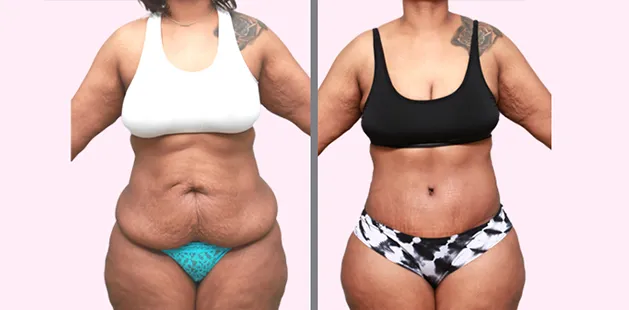
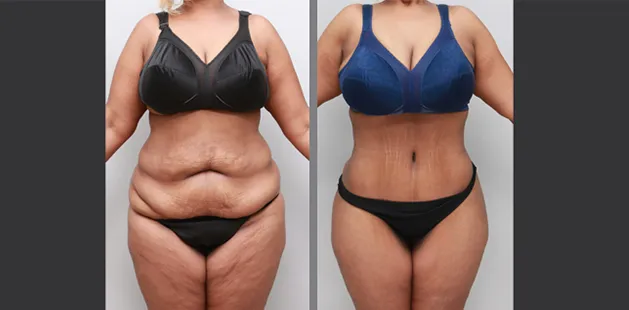
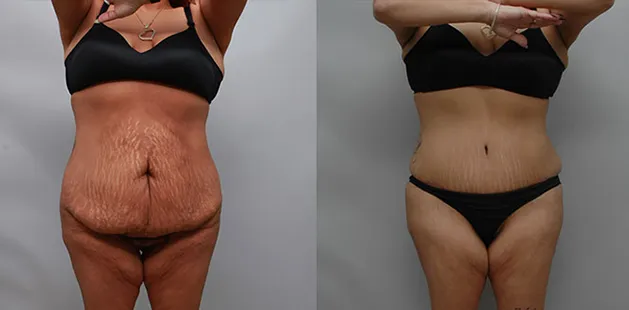
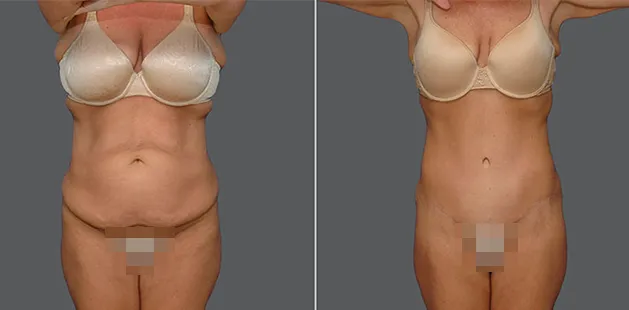
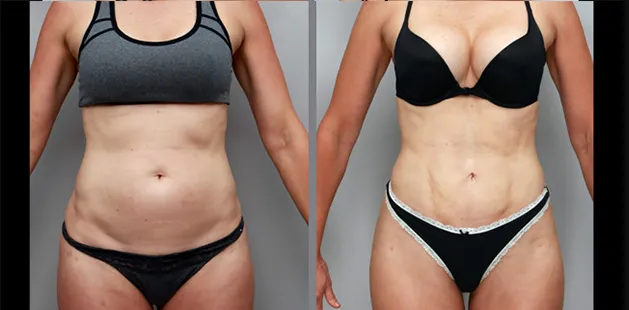
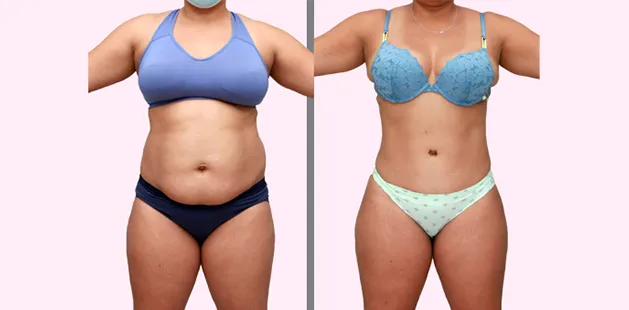
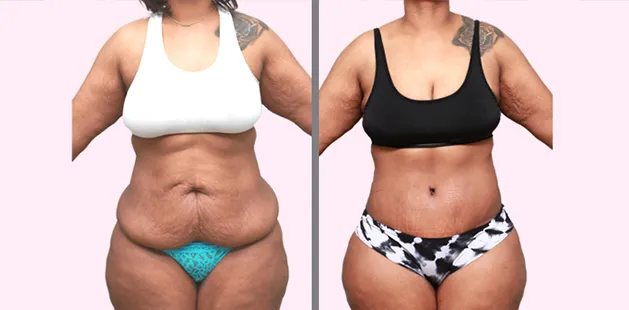
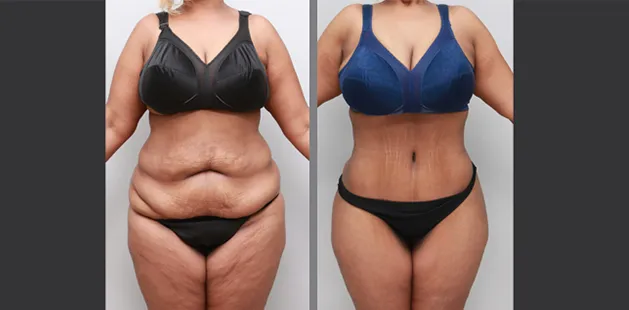
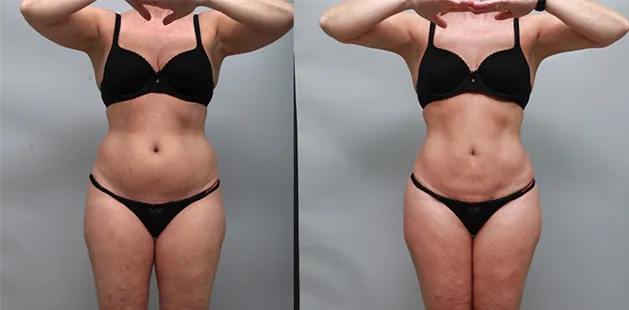
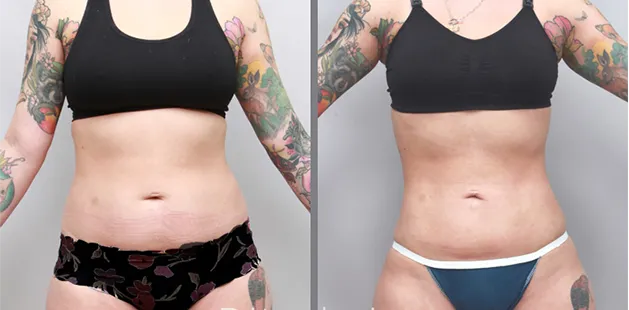
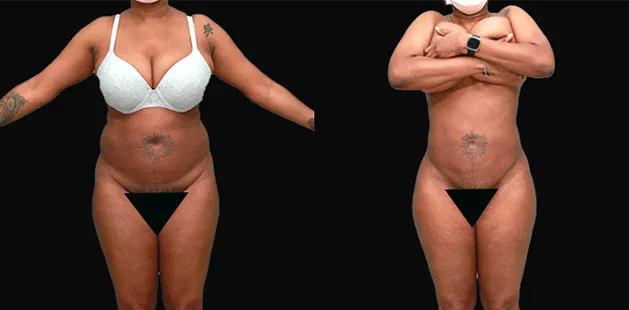
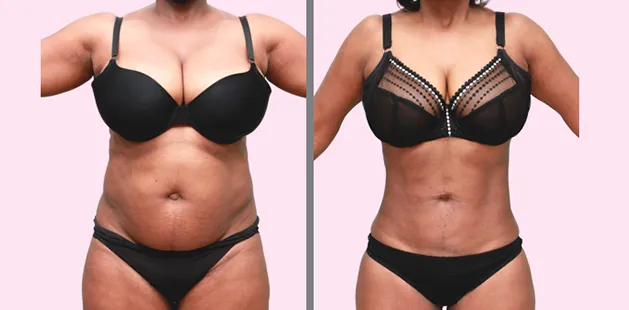
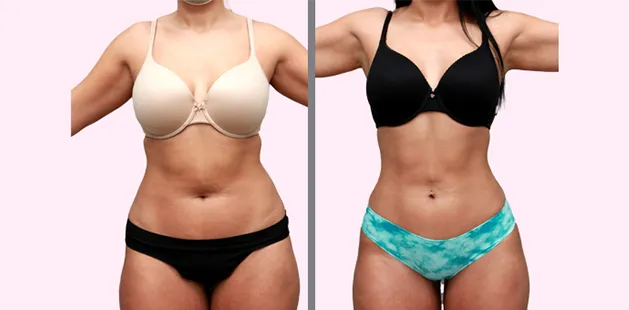
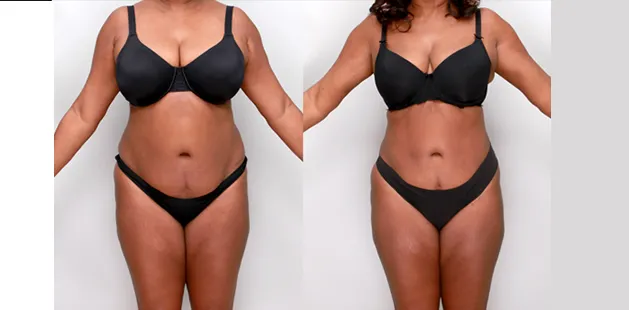
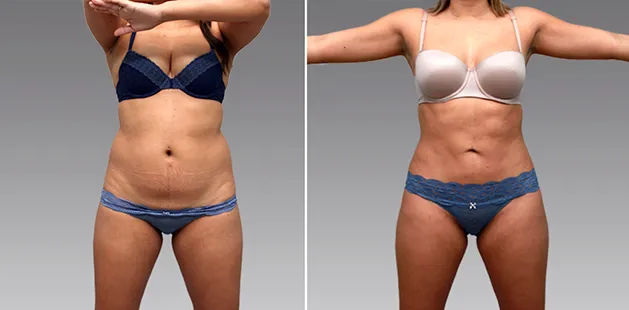
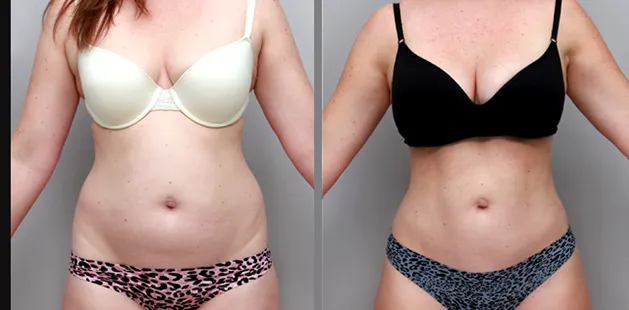
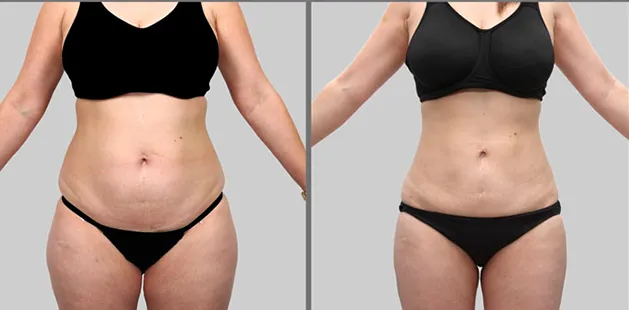
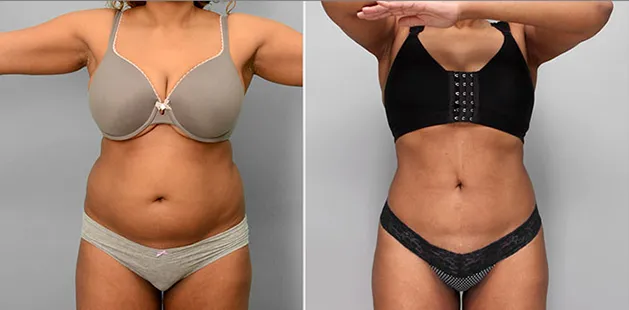
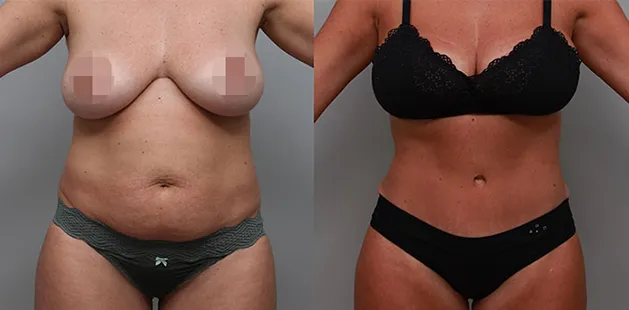
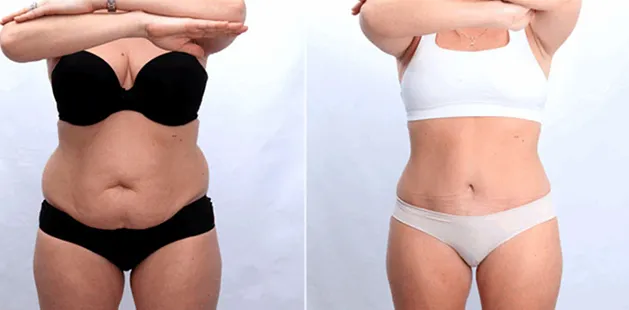
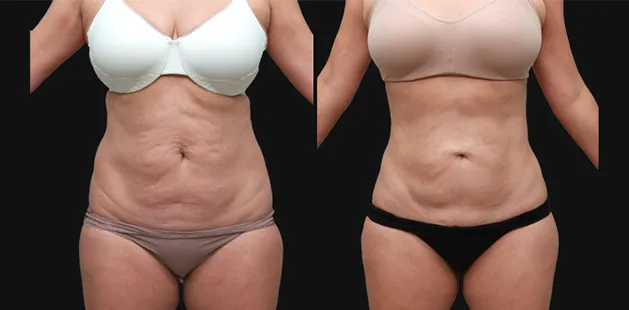
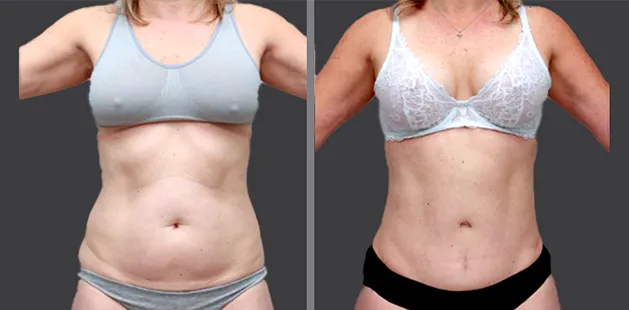
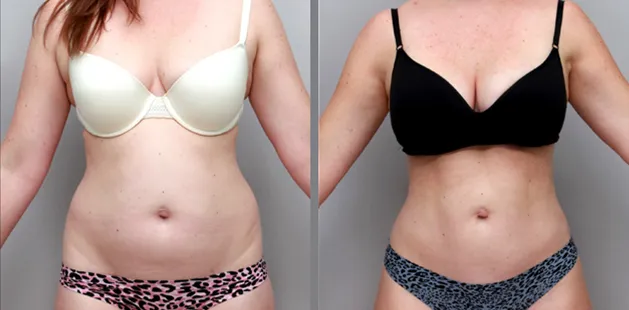
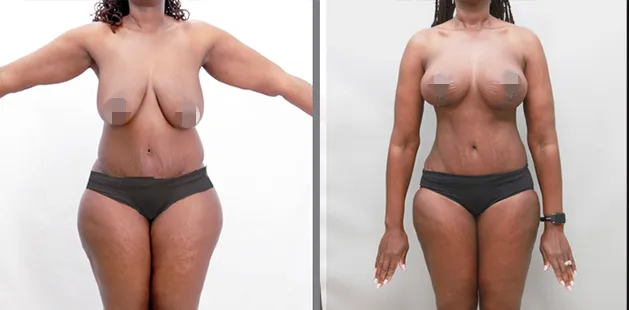
Six of my own patients, ages 30 to 59. Every photograph on this page is my work, published with consent and unretouched — including the ones that show what untreated lipedema does. See all six →
If you are trying to find out what is wrong
01
Do I have lipedema?
The four symptoms that separate it from fat
02
What else points to lipedema
Bruising, hypermobility, family history
03
What lipedema actually is
An inflammatory disease, not a weight problem
04
Four things you have been told that aren’t true
Obesity, lymphedema, surgery, recurrence
05
Where do I go to get diagnosed?
Why most doctors miss this
06
The questionnaire I use in my office
Free, and yours to bring to any doctor
If you are trying to find out what is wrong
07
Why surgery alone stopped being the answer
What changed, and why it matters
08
Two problems in the same body
The surgical half and the medical half
09
My patients’ results — six cases
Six women, ages 30 to 59, with the numbers
10
Recovery, honestly
Preparation, timelines, what it really involves
11
What happens at a consultation
Diagnosis, plan, and what you leave with
12
What I’ve done in lipedema specifically
Training, guidelines work, credentials
13
Questions women ask me
Nine of them, answered plainly
Do I have lipedema?
Start with shape, then with function. Almost every woman I diagnose recognizes herself in both halves of what follows — usually years before anyone gave it a name.
Where the fat sits. Most commonly it is disproportionate fat in the lower body and extremities: the pelvis — hips, saddlebags, outer thighs — and the thighs and knees. Many women, though not all, also have it in the legs below the knees, and in the arms and forearms.
Heavy legs
Women describe this the same way almost word for word. Not sore, not tired — heavy. A weight you are carrying rather than a body you are moving.
Pressure pain
The pain is usually pressure-related, like a child or an animal sitting on your lap. With thigh and knee involvement it loads the knee and ankle joints, and stairs become difficult. There can be hip, knee, ankle or foot pain.
End-of-day swelling
Worse after long standing or long sitting, better overnight — until it isn't. Over time the swelling can become constant and stop resolving.
Loss of mobility
Difficulty standing through a working day. Stairs, hikes and travel become things you plan around. This is the part that most often brings a woman to my office.

The knee fat pad. Marked here before surgery. These deposits on the inner knee are very common in lipedema and are one of the findings I look for on examination.

Below the knee. Where the calves are involved, the fullness stops abruptly at the ankle and the feet look normal. That shelf — the cuff sign — is one of the most reliable findings there is.
What else points to lipedema?
- Easy bruising — marks you can't account for.
- Joint hypermobility.
- Certain food intolerances.
- Family history — a mother, grandmother or sister with the same body or the same diagnosis.
- Large weight gain with fat growth outside your control, particularly when hormones are in flux: puberty, pregnancy, menopause.
One important exception: lipohypertrophy
Some women have disproportionate fat distribution in the lower body and extremities and no symptoms at all — no pain, no swelling. Anatomically it can look exactly like lipedema. It isn't.
This distinction matters, because lipohypertrophy may respond to medical treatment alone. If that's what you have, I would rather tell you that than operate on you. Part of what a proper examination is for is ruling this in or out.
What lipedema actually is
Like so many medical conditions, lipedema was first defined by what doctors observed — in Germany, in the 1940s. Women were presenting at higher weight with strange, exaggerated fat growth in the lower body and extremities, and someone finally wrote it down.
Over the eighty years since, through dedicated centers and publications, most of them German, it has come to be understood as an inflammatory disorder of fat cells (the studies behind that). The cells don’t work properly. Fluid collects outside them. That is what produces the swelling and the pain.
There is a known genetic and hormonal component, and you can see both in the pattern of who gets it: the strong family history, and the way the disease progresses at exactly the moments when hormones are in flux — menarche, pregnancy, menopause. Why that argues for treating earlier →
That eighty-year body of work is also where my own technique comes from, which is why I went to Germany to see it practiced.
Four things you have probably been told that aren't true
Myth 01
“Lipedema is the same as obesity.”
“Lipedema is the same as obesity.”
Higher weight from larger fat cells — a consequence of the body storing energy inefficiently. It appears all over the body, including the torso; it is not primarily in the extremities, and the legs are usually not affected. It responds to medication and surgery by reducing fat cell size. Phentermine and the GLP-1 medicines suppress appetite and quiet food noise. Gastric bypass reroutes internal digestion.
A progressive inflammatory disease that targets fat cells. The cells don’t work properly, fluid collects outside them, and that causes swelling and pain. Which means lipedema has functional symptoms — an obesity diagnosis does not explain why your legs hurt when pressed, or why the swelling arrives every evening. The two conditions frequently coexist. That doesn’t make them the same thing.
Myth 02
“Lipedema and lymphedema are the same.”
“Lipedema and lymphedema are the same.”
A primary disease of the lymph collection channels. Think of the lymphatics as the garbage collectors of the body — they return excess fluid and proteins from the extremities back to the heart. In primary lymphedema those cells malfunction, and the result is swelling of the whole extremity, including the hands and feet.
Swelling caused by blockage of normal lymph pathways rather than failure of the lymphatics themselves. Fluid isn’t cleared from the extremities as it should be. This distinction has a practical consequence: when lipedema tissue is removed surgically, normal lymph flow can be re-established. In very late-stage disease, after years of lipedema and inflammation, true lymphedema with hand and foot swelling can develop alongside it.
Myth 03
“Surgery is the only treatment for lipedema.”
“Surgery is the only treatment for lipedema.”
Until about a decade ago this was probably true, and I’ll describe below why it stopped being true. Now that we understand the role inflammation plays in producing the symptoms, treatment is both medical and surgical — medical treatment to reduce normal fat cells and manage fluid, surgery to remove the persistent obstructive lipedema tissue. What medical treatment actually does to lipedema tissue →
Myth 04
“It will come back no matter what I do.”
“It will come back no matter what I do.”
Lipedema is defined as a progressive disease, which means that without intervention it does get worse with time. That is the part that is true, and it is why waiting is not a neutral choice.
But with combined treatment — diet modification, inflammation control including GLP-1 medication, and surgical removal of the diseased tissue — the disease may be controlled without progressing to disability and loss of function. That is a genuinely different outlook from the one most women are handed.
How durable the benefit actually is, answered from the published evidence →
Where do I go to get diagnosed?
A great many good doctors — primary care physicians, orthopedists, obesity specialists — are simply not familiar with lipedema. It isn’t indifference. It’s that awareness of this disease has not reached most of practicing medicine. And if your doctor doesn’t know what lipedema is, you cannot be diagnosed with it. What happens instead is that you are told it’s obesity, and to lose weight through diet and exercise.
You then spend years doing exactly that, watching it not work, and being told to try harder. I have listened to a version of that story from nearly every woman who has sat in my office. The despair that comes out of it is real, and it is why so many women end up finding their answers from each other on social media rather than from a physician.
There are primary care doctors, vascular specialists and plastic surgeons with a dedicated interest in lipedema. They are worth finding. The questionnaire above is a starting place — take it with you.
“If your doctor doesn’t know what lipedema is, you can’t be diagnosed with it. That isn’t your failure.”
Dr. Jeffrey Ditesheim
The questionnaire I use in my own office.
I built this to score what actually matters in lipedema — mobility, pain, swelling, shape — and to track whether treatment is working. I’m making it public because the hardest part of this disease is getting anyone to take it seriously, and walking into an appointment with your symptoms already written down changes that conversation.
Two tools, two jobs
Nine quick questions on shape and symptoms. Tells you whether what you’re experiencing looks like lipedema and is worth pursuing.
- Takes two minutes
- Answered on this page
- Nothing to fill in or send
The full form. Scores mobility, pain, swelling and shape from 0 to 10, and records weight history, family history, hormonal triggers, diet and what conservative treatment you’ve already tried.
- Print it and take it to your doctor
- Gives you a baseline to measure against
- Bring it to a consultation with me
If the doctor you take it to is unfamiliar with lipedema, take the evidence as well: the eight studies worth citing, and what each one proves — written to be printed and handed across a desk.
Start here · nine questions
Does this sound like your body?
Tick everything that is true. Nothing is sent anywhere, nothing is stored, and there is no email box at the end of it. These are the nine things I listen for when a woman describes her legs to me for the first time.
This is not a diagnosis, and it is not meant to replace one. It is a way of organizing what you already know about your own body so that someone qualified can look at it properly.
If you already know you have it
Everything above is written for the woman who is still trying to find out what is wrong with her. What follows is for the woman who already knows, and is deciding what to do about it — how this disease is treated now, what my patients actually look like, and what the process involves.
Why surgery alone stopped being the answer
I am a surgeon telling you that the surgical standard I was trained into did not hold. It matters that you hear this from me rather than discover it two years after an operation.
Until the last decade, lipedema was considered a surgical disease. Women were referred to specialized centers where successive procedures removed the diseased fat. Those procedures worked — they gave immediate relief, because lipedema fat is itself a significant and continuing source of inflammation. Take it out and the symptoms ease.
The problem was durability. For most women the benefit lasted up to about two years. Fat regrew. Symptoms recurred. Weight increased. Insurance usually denied coverage, so the whole thing had been a large out-of-pocket investment. And these procedures were often removing very large volumes of fat from women at very high weight — high risk on both counts.
The German surgeons were straightforward about the rationale. The purpose of operating, they said, was to slow the progression of the disease (the evidence for early treatment). Nobody argued that the disease would still progress — toward higher weight, greater disability, and loss of mobility, stability and function.
When I visited the LipoClinic in Mülheim in 2024, the protocol was still surgery: usually four consecutive procedures. That visit is a large part of why I practice differently now.
The distinction worth holding on to is this. In the areas actually treated, the improvement holds — Baumgartner followed sixty women for twelve years and found it did. What did not hold was the woman’s overall situation, because the disease carried on in areas never treated and the weight came back. That is a different problem from the operation failing, and it is the problem medical treatment now addresses. The durability evidence in full →
“Surgery relieved the symptoms and did nothing about the reason they came back. That isn’t an argument against operating. It’s an argument against operating alone.”
Dr. Jeffrey Ditesheim
Two problems in the same body.
Every woman I treat is carrying two different things at once. One is a disease, and it comes out surgically. The other is ordinary weight and inflammation, and it comes down medically. Using the wrong tool on either one is how people spend years getting nowhere.
The surgical half
Water-assisted liposuction under a lymph-sparing protocol, removing the nodular fibrotic tissue that is generating the inflammation. No heat energy, which protects the veins and lymphatic structures that matter enormously here. Removing that tissue can re-establish normal lymph flow. How lymph-sparing technique works →
The medical half
Anti-inflammatory diet modification and, for many women, GLP-1 medication — reducing normal fat cells, controlling inflammation and holding weight stable so the surgical result lasts rather than fading at two years. GLP-1 medication and lipedema →
Why the medical half is not optional. Lipedema fat is itself a continuing source of inflammation. And in my patients it is weight gain, rather than age, that appears to determine whether this disease progresses. That is the single most important reason to control weight — not how you look, but whether the disease advances. It is also why I no longer treat surgery as a complete plan on its own.
GLP-1 medications do not reduce lipedema tissue — I’ve documented that with before-and-after photographs of my own patients. See what combined treatment looks like →
Different ages, different stages, different areas.
Six patients, shown in two views each. These are all my own patients, photographed in my office. No stock images, no models, no retouching.
Lateral thighs, knees and legs, rear view

- Age30
- StageEarly
- TreatedLateral thighs, knees and legs
- Removed6 lb
- SessionsOne
She came to me having already done the hard part. On GLP-1 before surgery her weight went from 185 to 147 pounds — and her legs got smaller without changing shape. That is the distinction this whole page is about. The weight was hers to lose. The shape was mine to correct.
Side view, on toes

- ViewProfile, on toes
- Why it mattersShows calf and ankle definition
- At 16 monthsNo pain, full mobility
- SwellingOccasional
- GLP-1Discontinued
I ask patients to rise onto the toes because it loads the calf and shows me whether shape has actually been restored or merely reduced. At sixteen months she has no pain, occasional swelling, full mobility, and she is off the medication.
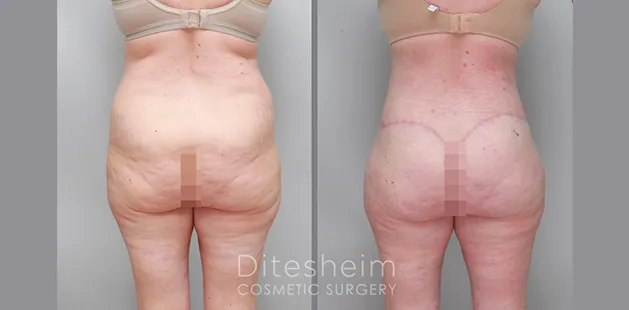
Buttocks, thighs, knees and legs

- Age34
- StageEarly
- TreatedButtocks, thighs, knees
- Removed15 lb
- SessionsOne
The sequence here ran the other way around. Surgery first, then GLP-1 afterward, taking her from 142 to 116 pounds. Her pain and swelling improved substantially. She is on a microdose now and has asked me to treat her lower legs next — which is how this disease usually goes. You address what hurts most, and then you decide together what comes after.
Buttocks and posterior thighs

- ViewPosterior
- Weight change142 to 116 lb
- GLP-1After surgery, now microdose
- SymptomsPain and swelling much improved
- NextLower legs planned
The rear view is where lipedema of the buttocks and posterior thighs actually shows, which is why I photograph it. Notice that the disproportion between her upper and lower body is what changed — not simply her size.
★★★★★ Five stars · posted on Google, January 2026
I have lipedema, and I searched all over the United States for a plastic surgeon who truly specializes in this condition and has strong, real before-and-after results. After extensive research, I finally found Dr. D.
From the first consultation, I felt confident, informed, and cared for, which made it easier to move forward with surgery for lipo on my legs. The results exceeded my expectations.
The team is exceptional — friendly, professional, kind, and genuinely happy to help. We travelled from Virginia to Charlotte specifically to be treated there because of how much we trust Dr. D and his staff. That alone speaks volumes.
Buttocks, thighs, knees and legs

- Age44
- StageProgressing
- TreatedButtocks, thighs, knees, legs
- Removed37 lb across three sessions
- Shown hereAfter the second of three
She came to me at 180 pounds with obvious disproportion, significant pain and swelling, and limited mobility. I staged her in three: knees and legs first, then buttocks and thighs, then more from the anterior thighs. These photographs are after the second operation, at 150 pounds. She started tirzepatide after that second surgery and was 137 pounds nine months later.
What I would do differently today. She began the medication after her second operation. If she presented to me now, I would start it before the first one — take the ordinary fatty tissue down, then operate on what is left. I believe that would have meant fewer procedures for the same result. Her case is a fair record of how my own thinking has changed over the last few years, and I would rather show you that than pretend the sequence was always obvious.
Side view, on toes

- ViewProfile, on toes
- At presentation180 lb, pain and swelling
- SequenceSurgery, then tirzepatide
- Weight at 9 months137 lb
- StatusImproved, still managing
I want to be plain about what you are looking at: this is a woman in the middle of her treatment, not at the end of it. She is functionally and aesthetically better, and she still has lipedema areas she is working to control. That is a normal and honest place to be with this disease.
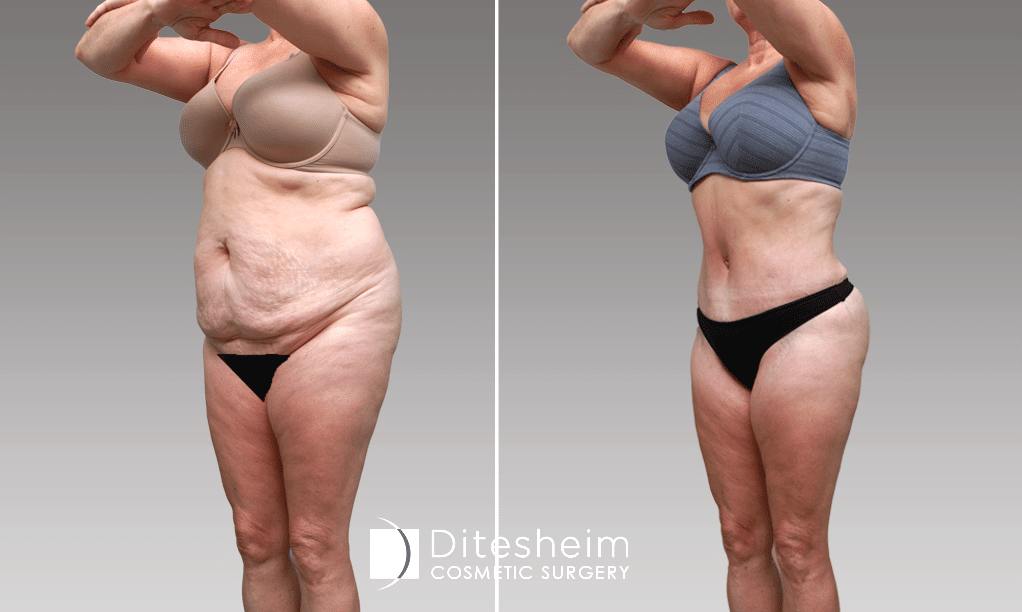
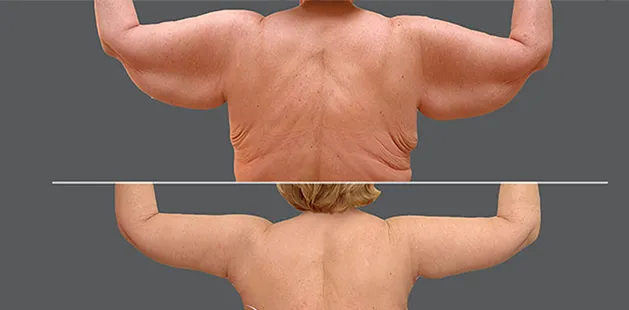
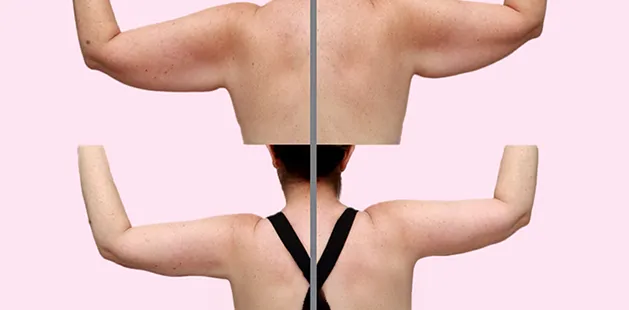
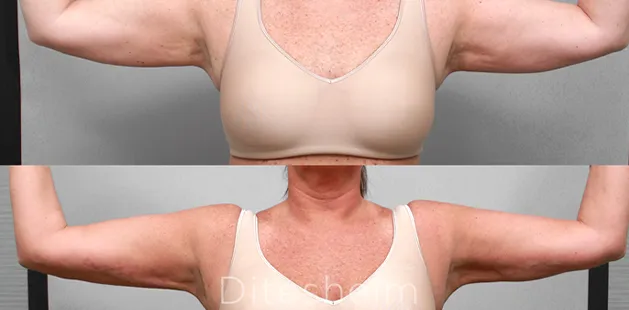
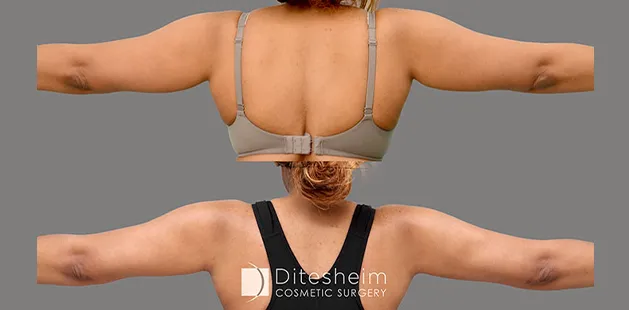
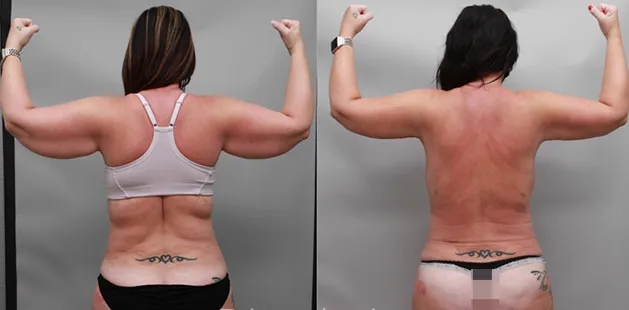
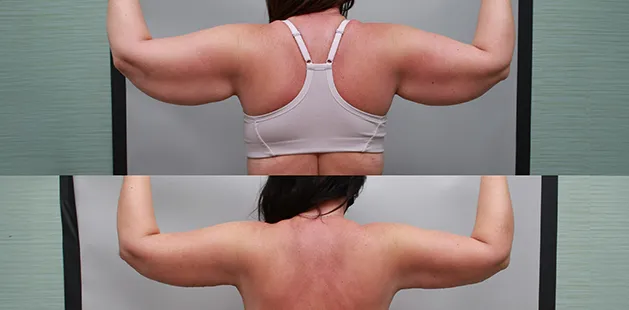
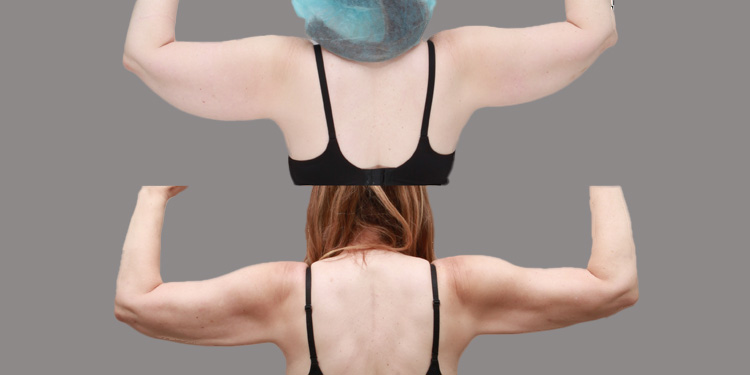
Arms and forearms

- Age44
- StageProgressing, perimenopausal
- TreatedArms, forearms, knees, legs
- Removed13.5 lb
- SessionsTwo
Most women do not know lipedema affects the arms, so they never think to ask. Her tendonitis and daily leg pain are gone, she is out of compression garments, and in her own words she is fully functional, her legs no longer feel heavy, and she enjoys working out again. She also still has lipedema in her thighs, which we have not treated.
Oblique view, on toes

- TreatedKnees and legs
- Not treatedThighs
- Weight after first surgeryRose to 159 lb
- Now, at three years130 lb, low-dose tirzepatide or GLP1
- SymptomsFoot tendonitis and leg pain resolved
I am showing you this one because it is instructive rather than flattering. Look below the knee and you can see the contour I operated on. Look at the thighs and you can see them larger at six months than they were before — that is untreated lipedema, and it is what this disease does when it is left alone.
The lesson I take from her. Her weight was 155 lbs. After her first operation her weight climbed to 159 pounds, despite removal of 11 lbs. of fat. On the low dose tirzepatide (compounded) she lost to 141 and has continued to lose to 130 lbs. and remains steady. She is the patient who taught me that holding weight steady after surgery is not a cosmetic concern — it is what decides whether the disease moves.
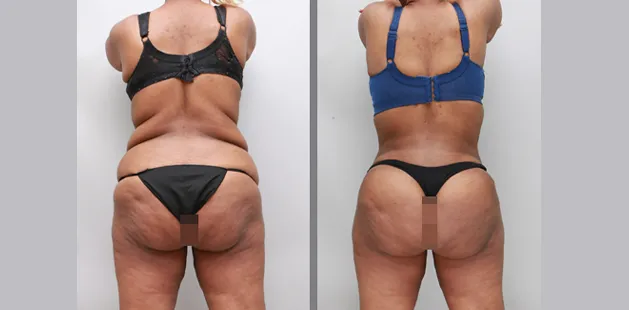
Thighs, knees and legs, rear view

- Age57
- StageProgressing
- TreatedThighs, knees, legs
- Removed13 lb
- SessionsOne
This is the case I would point to if you think you have waited too long. Her highest weight was 252 pounds. She was 215 at surgery and 160 at sixteen months, on a microdose of tirzepatide. Pain, swelling and mobility are all substantially better. She is not finished — her arms and several untreated areas still need work, and we are planning that together.
Side view, thigh to ankle

- ViewLateral, thigh to ankle
- Weight252 lb peak, 215 at surgery, 160 now
- MedicationMicrodose tirzepatide
- SymptomsPain, swelling, mobility improved
- OngoingArms and other areas planned
The profile is where the knee tells the truth. Look at how the fat pad above and behind the knee has come down and how the ankle has definition it did not have before. That is what makes stairs possible again, and mobility is what she came to me for.
Thighs, knees and legs

- Age59
- StageAdvanced
- TreatedThighs, knees, legs
- Removed19 lb, plus a medial thigh lift
- Weight217 lb, 195 at 18 months
I am including her because she makes a point the rest of this page cannot. She came to me with advanced disease. The surgery helped her a great deal — but four years on, and on tirzepatide, she still has lipedema pain and swelling. Significantly less than before. Not gone.
After liposuction and medial thigh lift

- ViewPosterior
- SessionsTwo, plus skin excision
- Follow-upSurveyed at four years
- SymptomsMuch improved, not resolved
- MedicationTirzepatide
Why this is the last case on the page. Larger studies show what she shows: treating lipedema early gives the best long-term control. She did not have that option, because no one recognized her disease when it was early. If you are reading this and you are somewhere near the beginning, that is the argument for not waiting — not vanity, and not fear. Simply that the earlier this is treated, the better it holds.
Surgery removes the disease tissue. The medication removes the ordinary weight around it and holds the result.
See three more cases of combined treatment →
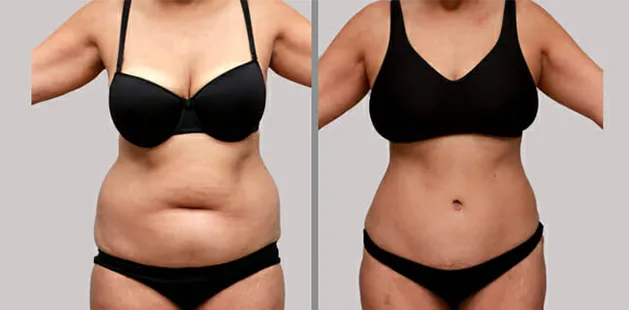
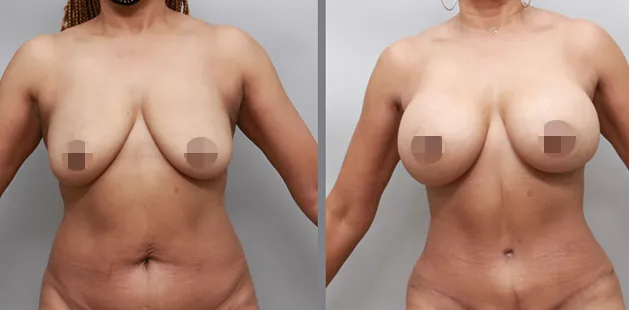
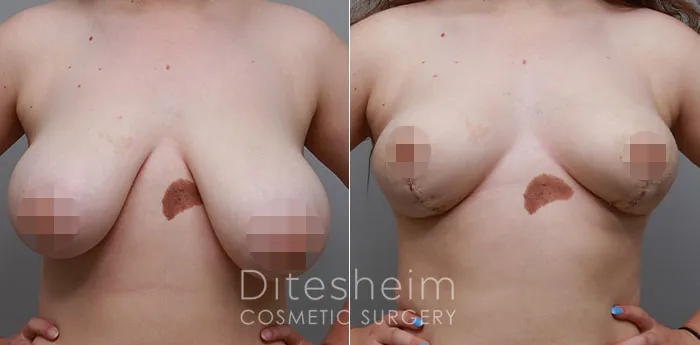
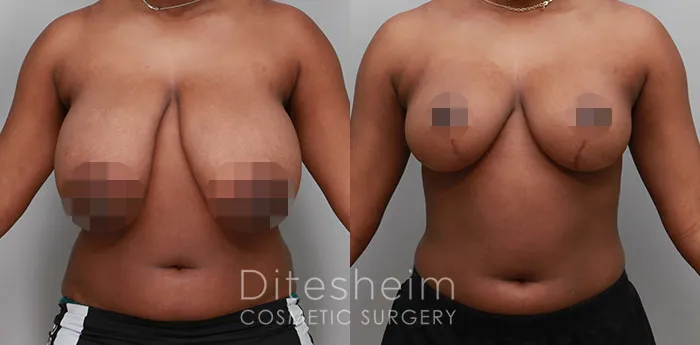
Individual results vary. All photographs are of Dr. Ditesheim’s own patients, published with consent and shown without retouching.
Recovery, honestly
Compared with cosmetic liposuction, these are bigger operations. More fat comes out, and the area is almost always treated circumferentially — all the way around the limb, not just the part you can see in a mirror. Recovery reflects that, and you should plan for it rather than be surprised by it.
Preparation is part of the recovery
This is the part most women do not expect, and it is the part that makes the biggest difference. For most patients I plan on roughly three months of controlling inflammation before we operate — anti-inflammatory measures, diet, lymphatic therapy, flat-knit compression, and where appropriate GLP-1 medication. Within that, a minimum of three weeks of flat-knit compression and decompressive treatment immediately before surgery.
This is preparation, not an alternative to surgery. Fluid and ordinary body fat both disguise the disease, and both respond to treatment. Lipedema tissue does not. So once the swelling and the normal fat are controlled, what remains is the lipedema — and only then can I tell you honestly how many sessions you need.
A limb that arrives at surgery already decompressed heals faster, swells less afterward, and lets me remove diseased tissue more precisely. Preparation is not a formality. It is the single thing most within your control.
3+ weeks before
Flat-knit compression and decompressive treatment, to reduce fluid in the extremity before the operation. Where indicated, GLP-1 therapy to bring down the normal fatty tissue.
The immediate recovery. Two to four weeks for most patients. The goals are managing swelling and getting you moving early — movement is treatment here, not a milestone to wait for.
Compression continues if swelling persists. Most patients are well into normal activity by this point.
For women with longer-standing or advanced disease, expect recovery on this timescale rather than weeks. More disease means more surgery and more healing.
Something I tell every patient beforehand: most of what you feel afterward is surgical healing discomfort, not lipedema pain. They are different sensations, and women who know that in advance handle the first weeks far better than women who do not.
What we are trying to achieve
Why this is shorter than it used to be
For most of this disease’s history, multiple debulking sessions were simply the rule. You were told it would take three or four operations, and it did.
That has changed, and for two specific reasons. Preoperative decompression with flat-knit garments reduces the fluid load before I start. And managing the normal fat with GLP-1 therapy beforehand means that when I operate, what is left is lipedema tissue rather than lipedema tissue buried in ordinary fat. The surgery becomes more specific, and that changes what one session can cover.
What that means in practice. For a woman at lower weight with limited disease, it is possible to treat an entire extremity in a single session. With GLP-1 preparation it is sometimes possible to treat more than one area at once — legs and knees together, or thighs and arms. But where there is large-volume lipedema in a single area, that area alone will need more than one session, and no amount of preparation changes it.
My aim is one or two sessions rather than the three or four this disease historically required. I will not promise you a single operation. How much disease you have decides that, and I cannot honestly quote a session count until the swelling and the ordinary fat are down and I can see what is actually there. That is the practical argument for doing the preparation properly.
What I want you to understand before we operate
- This is not a cure. Surgery removes diseased fat and relieves symptoms. It does not cure the underlying disease, which is why the medical half matters.
- Advanced disease still takes longer. The more tissue involved and the longer it has been there, the more surgery and the more healing. Preparation shortens this; it does not erase it.
- Skin may not retract. Loose skin or contour irregularity can follow significant removal, and sometimes needs a separate excisional stage.
- Compression is not optional. Before surgery and after it, garments and follow-up are part of the result, not an accessory to it.
- The work continues afterward. Inflammation control and weight stability are what keep what we achieved.
What actually happens when you come in
This is the visit where both things happen — you find out what you have, and if it is lipedema, we make a plan to treat it. I meet with every person myself, and I would rather you knew in advance exactly what the hour involves.
Many women arrive here without a diagnosis at all. They are not coming to choose an operation; they are coming to find out why their legs hurt and why nothing they have been told to do has worked. Sometimes the most useful thing I do in that hour is give the thing a name.
The lipedema questionnaire, your medical information and photographs are requested ahead of the visit. I read them beforehand, so we are not spending your hour collecting information we could have had already. Educational material goes to you free in advance for the same reason — so the consultation can be about your case rather than about the disease in general.
A full review of your medical information and a physical examination. This is where lipedema is separated from lipohypertrophy, from lymphedema, from venous disease and from ordinary weight — conditions that look alike from across a room and are not alike at all. Baseline studio photographs are taken to document your anatomy before anything is done.
For most women, a plan for surgical treatment is made at this visit. What usually comes first is a period of roughly three months of controlling inflammation — anti-inflammatory measures, diet, lymphatic therapy, flat-knit compression, and where appropriate GLP-1 medication. That is preparation for surgery, not an alternative to it. Medical treatment turning out to be sufficient on its own does happen, but it is the exception, and usually only in early disease.
We help you obtain flat-knit compression garments with your insurance benefit, and refer you to a lipedema-trained lymphatic therapist in your own area for the work before and after surgery. Surgical planning and timing are settled here too.
A complete written consultation report is sent to you through our confidential portal — your diagnosis, your stage, and the plan, in writing, so you are not relying on what you remember from an emotional hour.
Spouses and partners are welcome and I encourage it. Two people hear more than one, and the person who will be helping you through recovery should hear it firsthand.
Expect an hour, often longer. This is not a fifteen-minute cosmetic surgery consultation, and it is not built like one.
“You may leave here being told you do not have lipedema. That is a real outcome and a valuable one, and I would rather give you that answer than operate on you.”
Dr. Jeffrey Ditesheim
The consultation fee, my surgical fees and what six of my own patients actually paid are all set out on a separate page, so that nobody has to ask. What treatment costs, told plainly →
What I've done in lipedema specifically
Board certification and thirty years of body contouring are the baseline. What matters more for this disease is whether the surgeon has gone looking for it.
National surgical guidelines panel
Selected as one of 12–15 physicians nationally — plastic surgeons, vein specialists and dermatologists who treat lipedema — to define and establish surgical guidelines for lipedema treatment.
Lipedema Society member
Active membership in the professional body dedicated to this disease.
Presented at FDRS
Presented the results of my own experience, and of my 2024 visit to Germany, at the Fat Disorders Resource Society meeting.
Went to the source
Visited the LipoClinic in Mülheim, Germany in 2024 to study the protocol at the center where much of the eighty-year body of work originates.
Questions women ask me
How do I know if I have lipedema or just obesity?
Lipedema fat is symmetrical, concentrated in the lower body and extremities, painful under pressure, bruises easily, spares the hands and feet, and does not respond to diet and exercise. Obesity is distributed across the whole body including the torso, and it isn’t tender. The two often coexist, which is part of why this gets missed. A proper examination separates them.
Can lipedema be cured?
No. It can be treated, and its progression can be controlled. Surgery removes the diseased tissue and the symptoms it generates; medical management addresses the inflammation and the weight. Together they can keep the disease from progressing to disability. That is a real outcome, and it is not the same as a cure.
Will the fat come back?
Not in the areas treated — a twelve-year follow-up found the improvement held. What does continue is the disease in areas left untreated, and ordinary fat if weight is regained. That is exactly the problem combined treatment is meant to solve. The durability evidence in full →
How many procedures will I need?
It depends on your stage and how much tissue is involved. Most of my patients need one or two sessions; I’ll tell you at consultation what I think your plan looks like. How many operations, and what limits it →
Is water-assisted liposuction better for lipedema?
For this disease, yes, and the reason is lymphatic preservation. It uses no heat energy, so it’s gentler on the veins and lymphatic structures — which matter enormously in a condition where lymph flow is already obstructed. Continuous fluid infusion also minimizes blood loss, which allows more tissue to be removed safely in one session.
Does insurance cover this?
Usually not, and I want you to plan on that. Our office does not file insurance, and in the United States today lipedema surgery is generally an out-of-pocket investment.
What I can do is document it properly. I write a detailed consultation note for every patient that addresses the specific points an insurer looks at, so that whatever out-of-network benefit you have is supported as well as I know how to support it. Several of my patients have obtained out-of-network reimbursement through documentation and persistence. I do not know what any individual patient ultimately recovered, and I am not going to promise you a number.
There are three reasons the resistance persists, and you are entitled to know them. There is no CPT code specific to lipedema reduction, so the procedure has no clean way to be billed. Many physicians — including the ones reviewing claims — do not recognize lipedema as a real disease and read it as obesity. And insurers discounted the published literature on the grounds that it contained no randomized controlled trial.
That last objection no longer holds. LIPLEG, a randomized controlled trial of more than four hundred women across eleven centers in Germany, compared liposuction against conservative decongestive therapy and found in favor of surgery on pain and quality of life. Germany’s federal joint committee has since approved public coverage of the surgery for all stages of the disease. American carriers have not caught up. I have spent time trying to educate North Carolina insurers directly, and there is still a great deal of resistance and very little appreciation of how complex this disease is.
If you are assembling a case for reimbursement, use the key studies page. It lists each study by what it establishes, with full references, so you can attach the one that answers the specific objection your insurer has raised.
What does treatment cost?
Most women need one or two operations rather than the three or four this disease historically required, and I quote a single fee that includes the surgery, the anesthesia, our own accredited facility and every appointment before and after it. There is nothing added afterward. Because the figures depend on how much disease you have and what is treated in each session, they are set out in full on a separate page — along with what six of my own patients actually paid. See what treatment costs →
Can I be treated awake?
For selected patients, yes — water liposuction allows a single area to be treated under local anesthesia while you’re awake, with some limits on how much tissue can be removed that way.
I live far from Charlotte. Can we start remotely?
Yes. The initial consultation may be virtual, and you can upload photographs and medical information beforehand. One pre-surgical visit must be in person, and I recommend staying in Charlotte for a week after surgery. What the schedule requires if you are traveling →
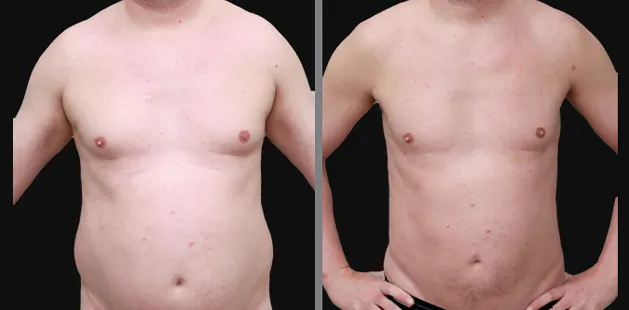
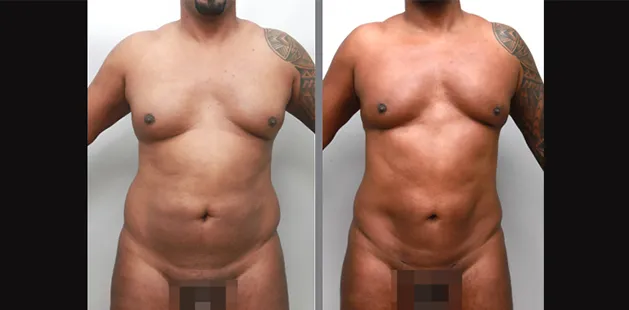
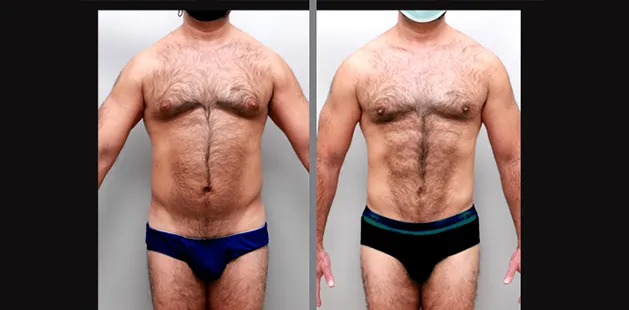
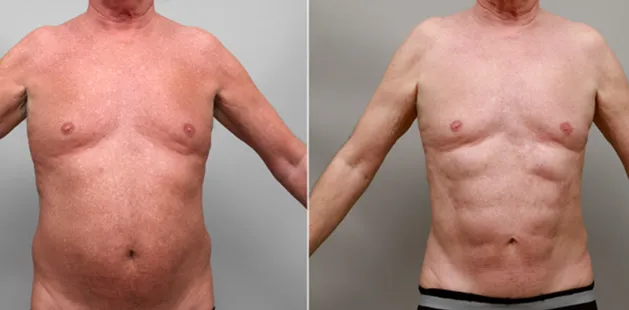
Can men develop lipedema?
Yes, though it’s far less common. The strong link to hormonal change is why this disease predominantly affects women.
Four things this page was too short for
Each of these is written the same way as this one — by me, about my own practice and the evidence I rely on.
What treatment costs, told plainly
My full fees, what the single surgical fee includes and what is billed separately, and six of my own patients with what each of them actually paid.
GLP-1 medication and lipedema
Why the weight comes off and the legs do not, what these medications can and cannot do to lipedema tissue, and whether to take them before or after surgery. Three of my patients photographed at all three stages.
What the research says
Ten questions women actually ask me, answered from the published evidence and rated for how solid that evidence is. Where it is weak, I say so.
The key studies, and what each one proves
Eight studies listed by what each establishes, with full references. Written for a physician unfamiliar with lipedema, or for documenting why surgical treatment is medically justified. Printable.
Bring the questionnaire. Let's find out what you actually have.
A consultation gives you a diagnosis, a stage, and a plan — or a clear answer that this is something else. Both of those are worth having, and you have waited long enough for either one.
Mon–Thu 8am–4pm · Fri 8am–12pm · 9336 Blakeney Center Drive, Suite 130, Charlotte NC
Written and reviewed by Jeffrey A. Ditesheim, MD, FACS · About Dr. Ditesheim · Ditesheim Cosmetic Surgery, 9336 Blakeney Center Drive, Suite 130, Charlotte, NC 28277 · 704-542-8686. Reviewed August 2026, next review November 2026. This page is educational and is not a substitute for individual medical advice.