
Cost & treatment planning · Charlotte, NC
Most women arrive without a diagnosis, looking for an explanation of their symptoms. Where surgery is the answer — and for most women who reach me, it is — it is not the first step. Roughly three months of controlling inflammation, swelling and ordinary body fat comes first, because that is what determines how many operations you need and what you invest overall. This page sets out the whole path and the cost attached to each part of it.
ABPS board certified30 years, 5,000+ surgeriesQUAD A accredited facilitySurgical Standards Committee, the Lipedema Society
How treatment actually proceeds
Lipedema is treated medically and surgically, and the medical part comes first. It is not a waiting period or a hurdle to clear — it is what makes the surgery effective, shortens the recovery, and reduces the number of operations you need.
That matters on a page about cost, because it means your total investment is largely shaped before you ever reach an operating room.
Most women arrive here without a diagnosis at all. They have been told for years that this is simply weight, and what they are looking for first is an explanation of their symptoms. The first task is to establish that it is lipedema, which stage it is, which areas are affected, and whether anything else — lymphedema, venous disease, joint hypermobility — is present alongside it.
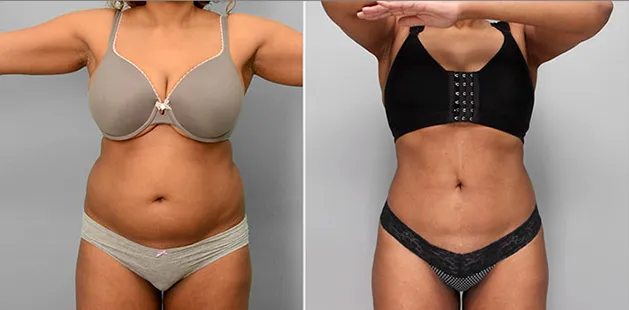
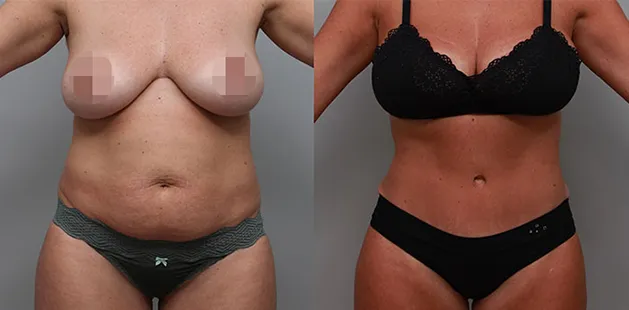
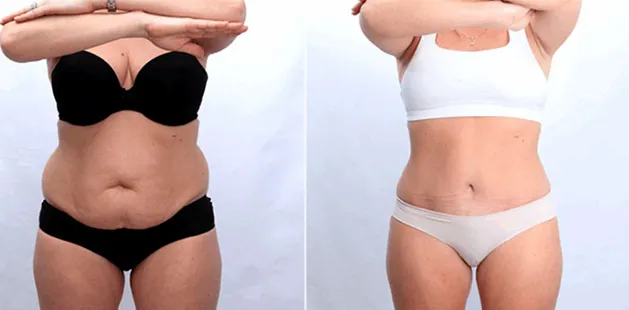
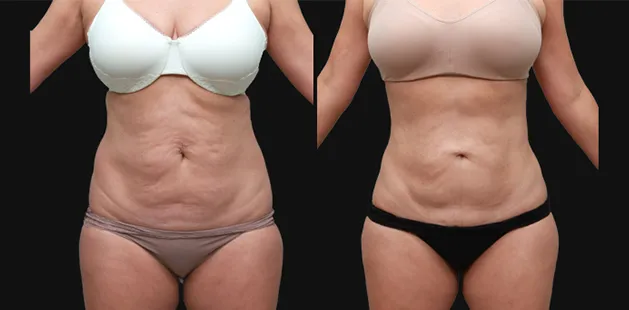
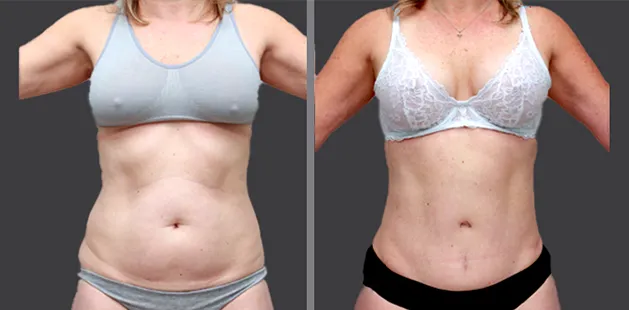
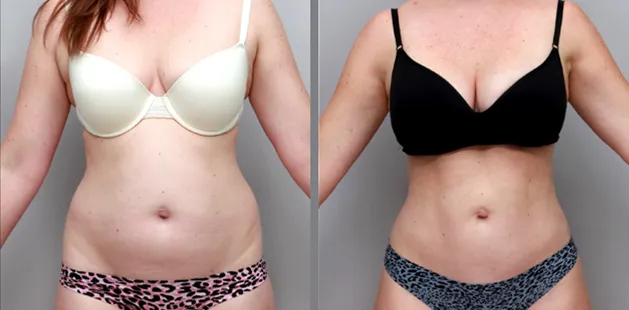
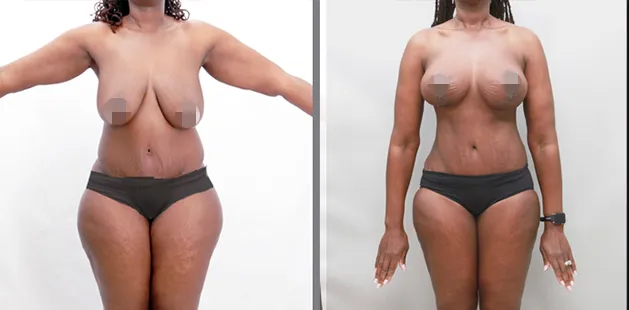
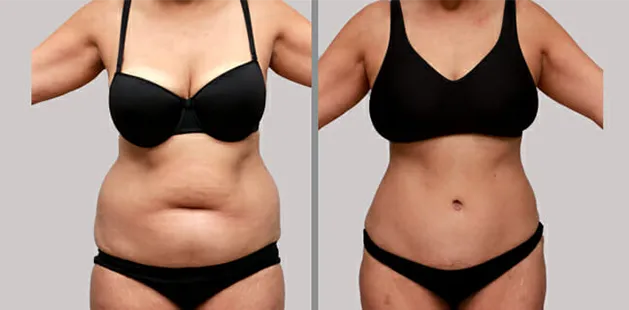
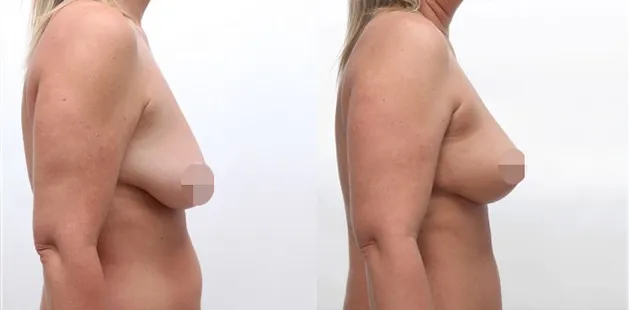
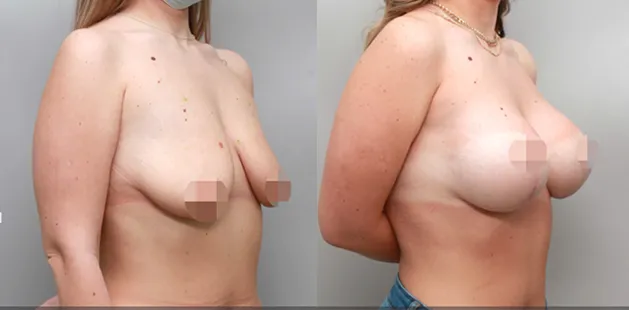
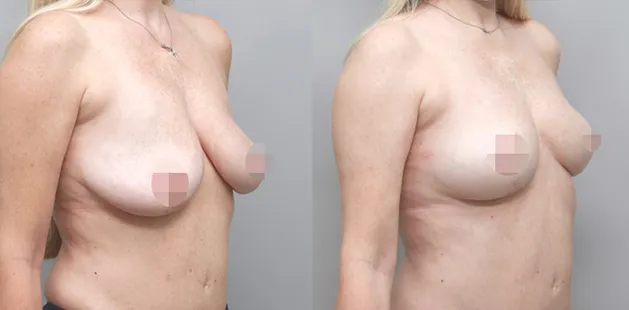
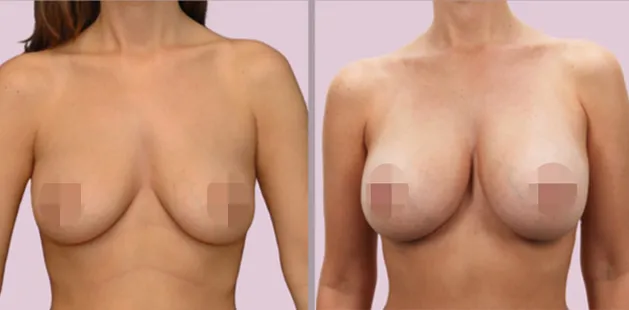
This happens at the consultation. I meet with you personally, review everything you send in advance, examine you, and take baseline studio photographs to document your anatomy. Expect an hour or longer, and bring your partner if you would like to.
$500 consultation · applied to your procedureFor most women a surgical plan is made at the consultation. What does not happen at the consultation is a surgery date, because operating on an untreated limb wastes the operation.
Instead we spend roughly three months bringing the disease under control first: anti-inflammatory measures including diet and lifestyle change, lymphatic therapy with a therapist trained in this disease near where you live, medical-grade flat-knit compression to reduce swelling, and where appropriate GLP-1 medication to reduce the ordinary fatty tissue sitting over the diseased tissue.
This is preparation, not a delay. Controlling inflammation before surgery produces better results, makes recovery more predictable, and reduces the number of sessions you need — which is the single largest factor in what you spend overall.
It also does something diagnostic that nothing else can. Fluid and ordinary body fat both disguise the disease, and both respond to treatment. Lipedema tissue does not. So once swelling is controlled and normal fat is reduced, what remains is the lipedema itself — visible, measurable and clearly demarcated. That is what I operate on, and it is why the number of sessions cannot honestly be quoted until this period is complete.
In a minority of cases — usually early disease caught before much tissue has developed — controlling inflammation, fluid and weight brings symptoms down to a level a woman is content to live with, and she decides against surgery. If that is where you land at the reassessment, I will tell you so.
Costs vary · therapy, garments and medication are usually billed separately, often with an insurance benefitWe re-evaluate at the end of the preparation period. How much disease remains, and where it is, determines how much surgery you need and how it is staged. This is the point at which a real number becomes possible.
I ask for a minimum of three weeks of flat-knit compression and decompressive treatment immediately before the operation, whatever else the plan has involved.
See surgical fees belowThis is when swelling is managed and mobility is regained, and it determines your result more than most people expect. It is included in the surgical fee: all follow-up appointments, close management through the early weeks, and continued coordination with your lymphatic therapist.
Recovery runs two to four weeks for most women. Longer-standing or advanced disease can take three to four months.
Included in the surgical feeThe operation itself
Lipedema tissue is fibrotic, nodular and diseased. It does not come out the way ordinary fat does, and removing it well takes technique built specifically for this condition:
Experience with this specific disease is the thing to ask any surgeon about. Germany’s national guideline now requires at least 50 independent lipedema operations, or 20 supervised within two years, before a surgeon performs it. There is no equivalent requirement in the United States yet.
Surgical fees
These are the figures in my practice. They cover the surgery and all of the care around it — every preoperative and postoperative appointment, anaesthesia, surgeon and facility fees, coordination with your lymphatic therapist, help arranging compression garments, and the intensive follow-up through the first six weeks.
My aim for every woman is to be comprehensive and efficient — to do as much as is safe each time rather than committing her in advance to a long series of operations. Historically the standard was three or four staged procedures. I am aiming for one or two.
Whether that is achievable depends mostly on how much disease there is and what happens before surgery. Where there has been substantial weight loss preoperatively, fewer sessions are often needed, because the ordinary fatty tissue sitting over the diseased tissue has already been reduced and the 10 lb ceiling goes further. Most of my patients over the past year have needed one or two sessions. A few have needed three.
Where a second or third session is required, it is priced by what needs to be done in it, not repeated at the full rate.
If you want a planning figure before we have met, this is the most honest guidance I can give:
These are planning ranges, not quotes. The cases in the next section are actual figures from actual patients, and they show the real spread.
For context
A great many women look abroad or out of state assuming treatment will be substantially cheaper. I would rather give you an accurate picture than a flattering one, so here is what is published and what I have seen myself.
FAIR Health, the independent non-profit that maintains the largest database of US healthcare claims, puts the per area cost of lipedema surgery in the United States between roughly $20,700 in Florida and $65,200 in California, with New York out-of-network around $33,300. Those are total-course figures rather than per-session.
I am not presenting this to claim I am a bargain. I am presenting it because women are making real decisions about travelling overseas on the assumption of a large saving, and once you compare a full course against a full course that saving is often smaller than it appears. It also comes at a cost that does not appear in any quote: your surgeon is on the other side of an ocean during the six weeks that determine your result.
Whoever you choose, compare the whole course of treatment against the whole course, and ask what happens in the weeks after the operation and who is responsible for it.
Real patients
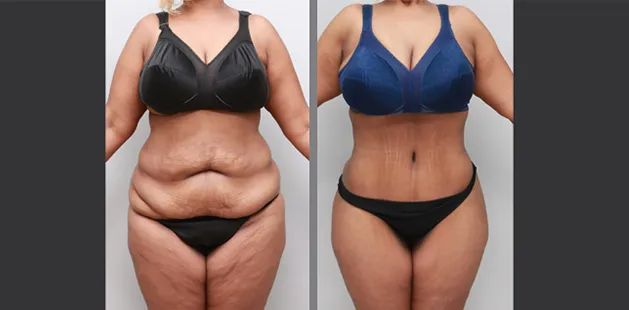
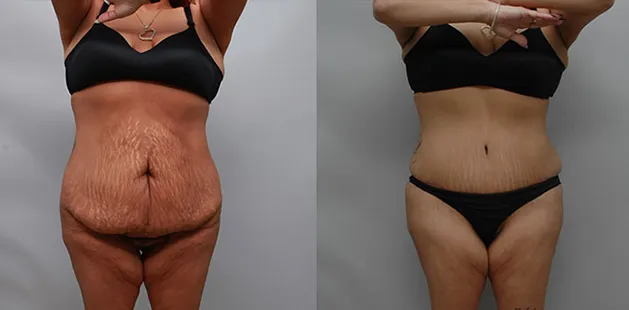
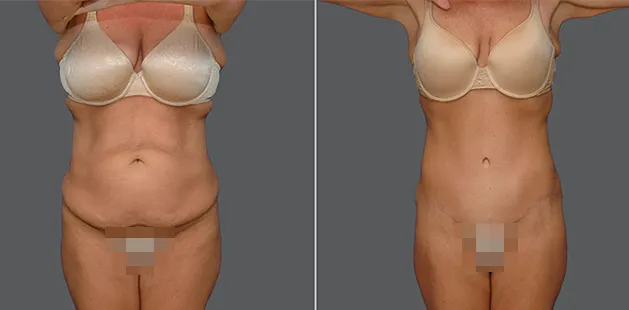
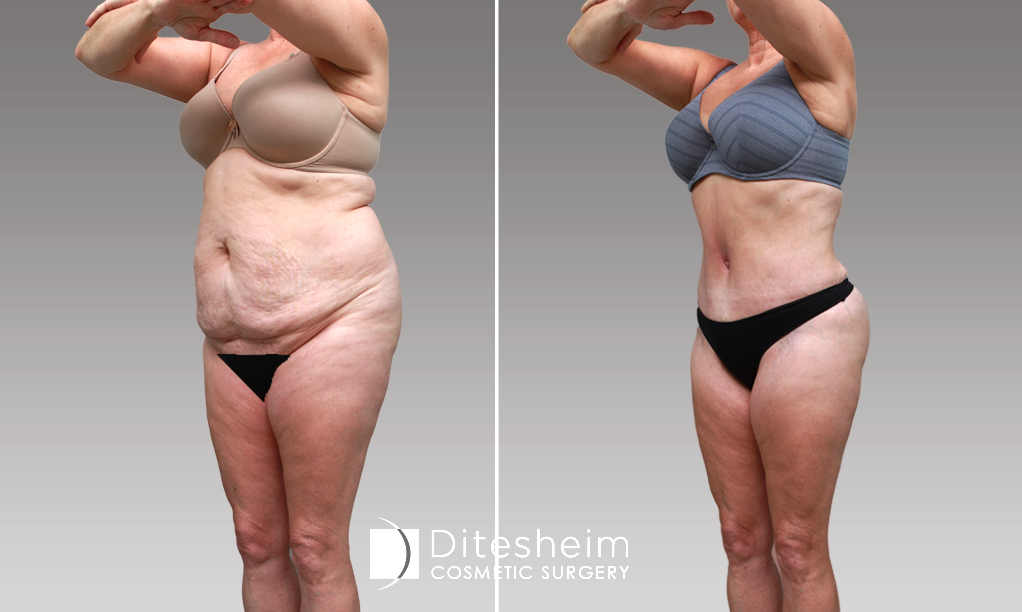
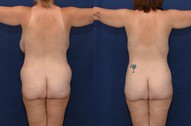
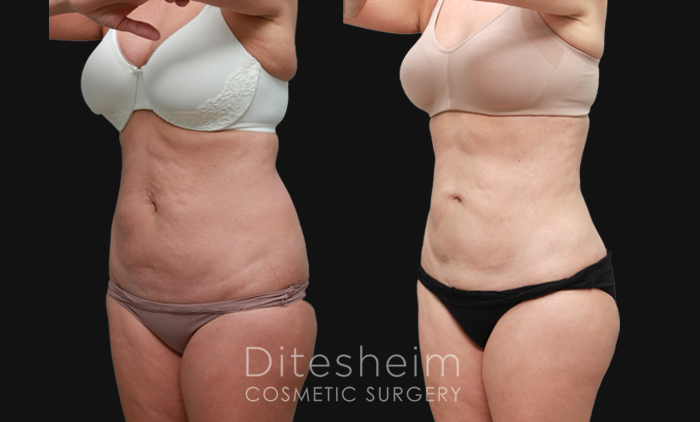
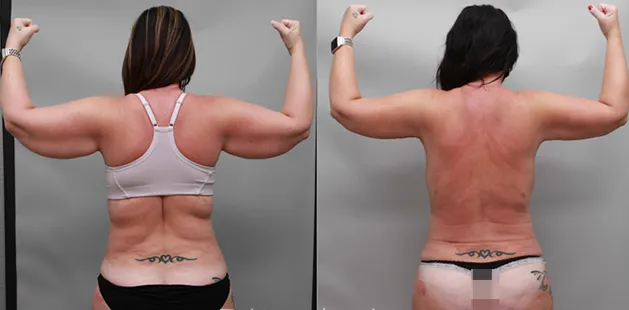
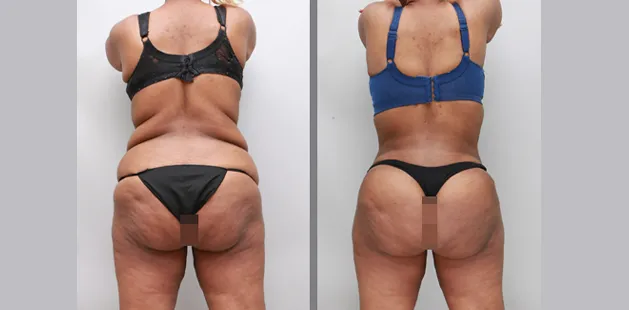
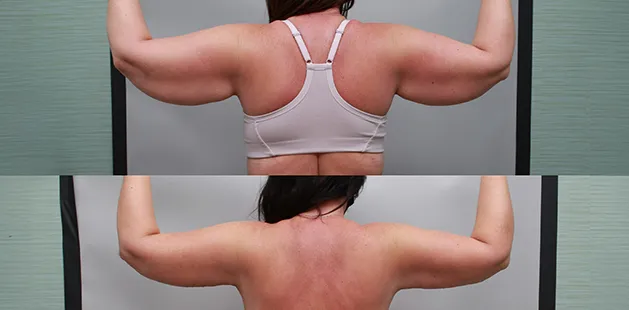
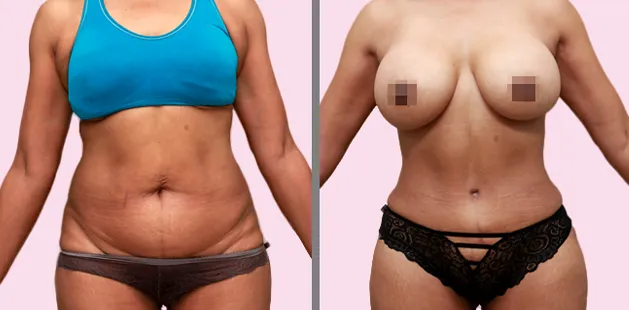
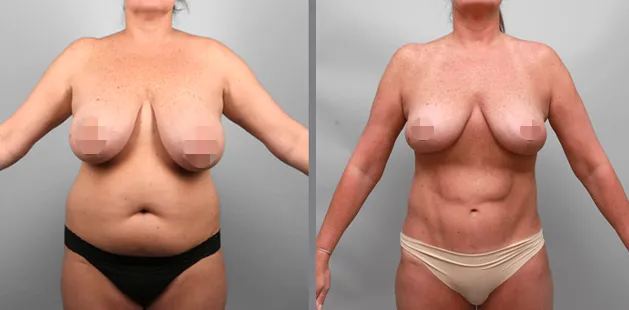
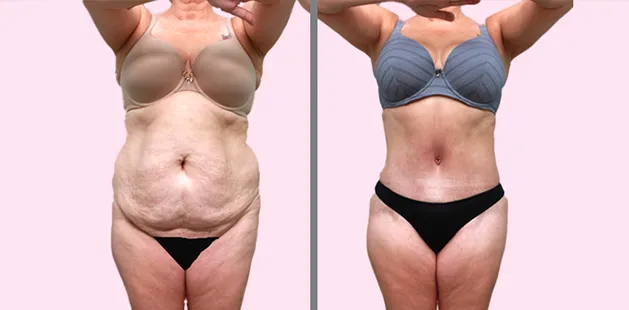
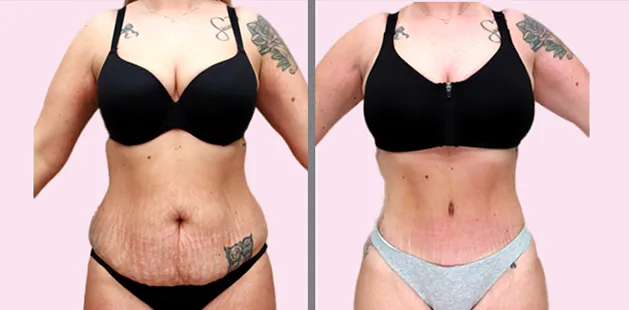
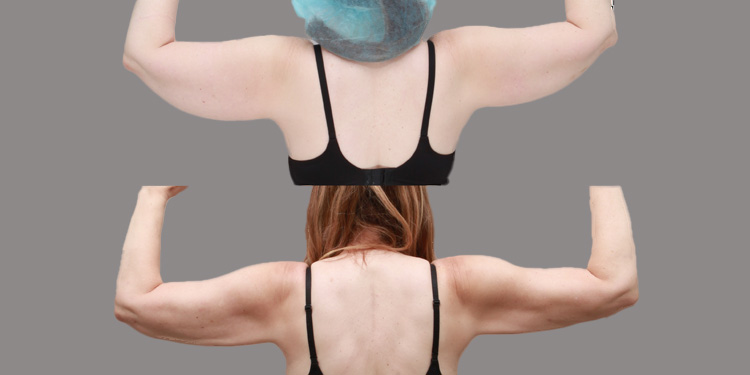
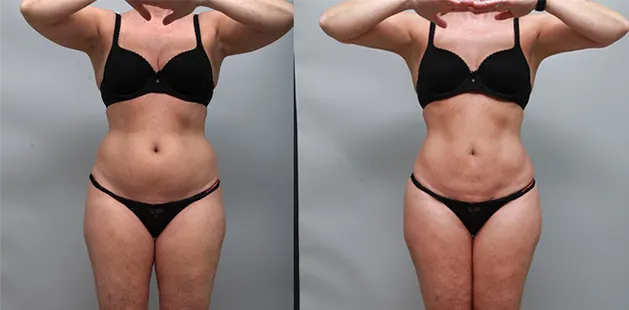
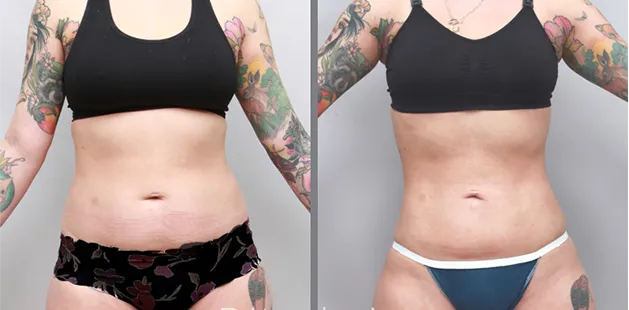
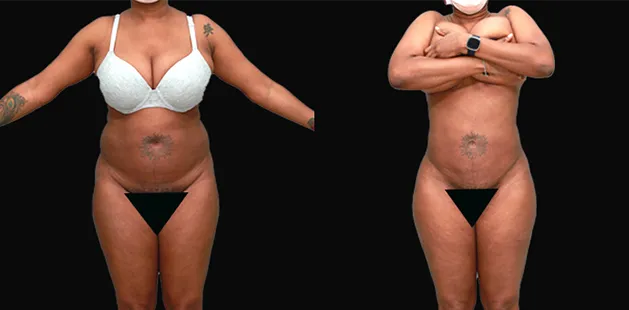
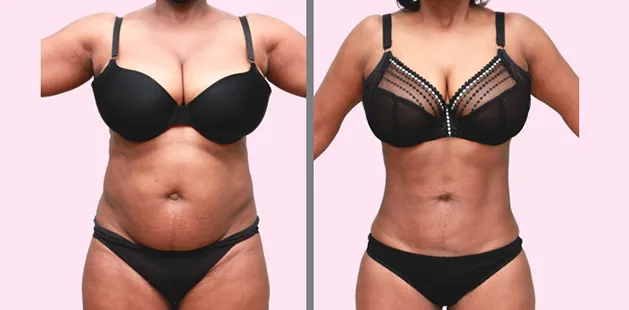
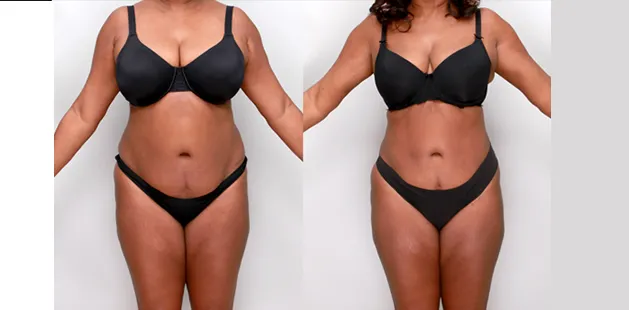
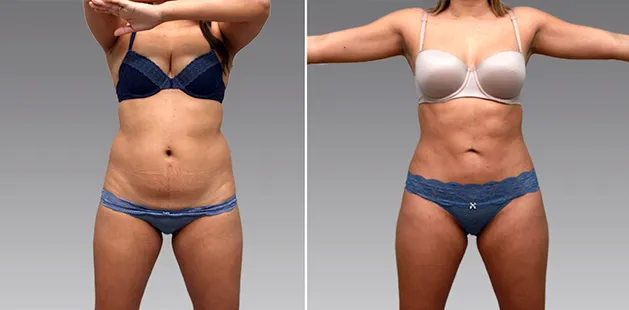
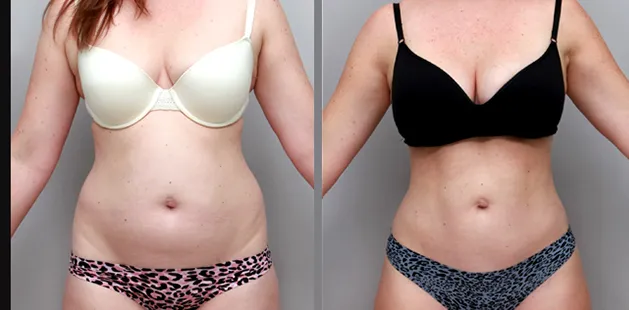
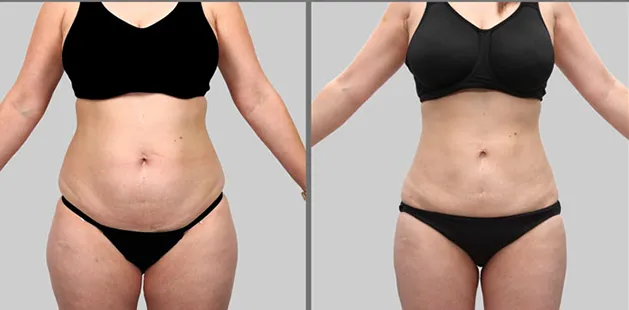
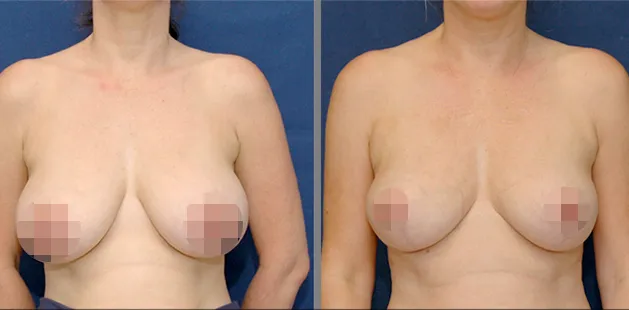
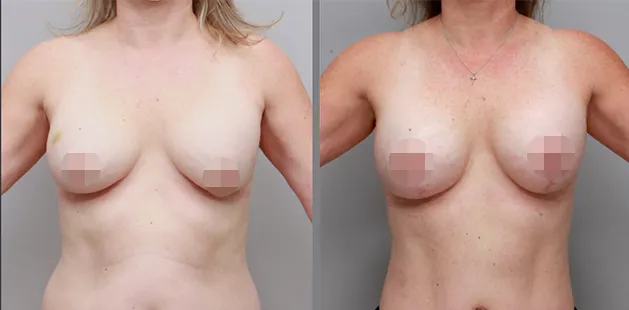
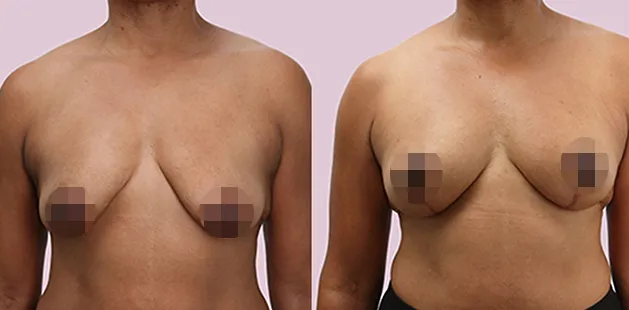
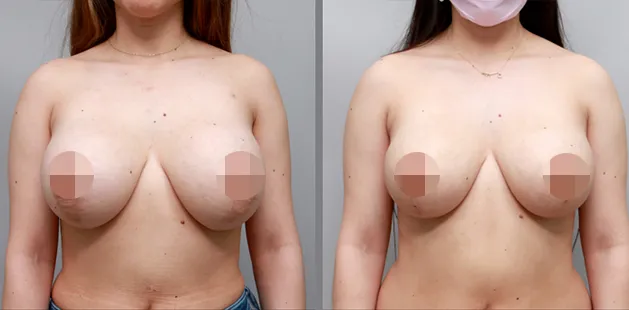
Six of my own patients, youngest first, with the actual amount each invested. Some needed one session, one needed three.
These figures are what each woman paid me. I have not adjusted them for the year they were treated, and I have not deducted insurance reimbursement, because I do not know what any of these patients ultimately recovered against their out-of-network benefits. Several of my patients have obtained out-of-network reimbursement with good documentation and persistence, so for some women the real net figure is lower than what appears here.
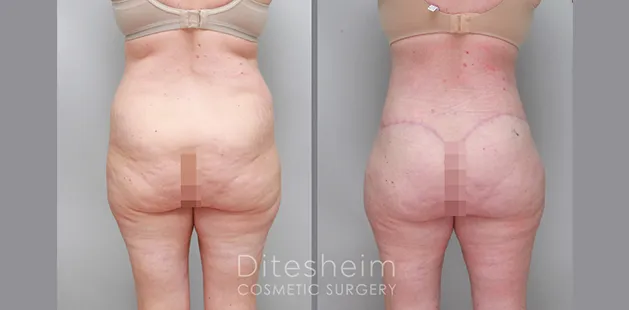
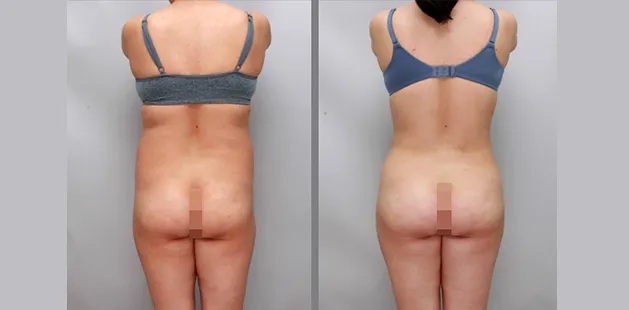
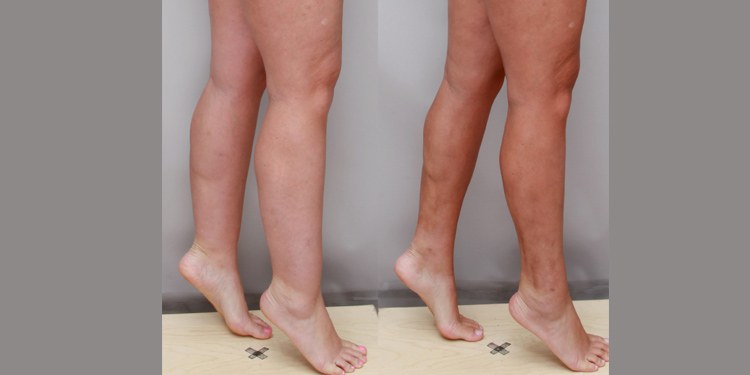
She used GLP-1 medication before surgery and went from 185 to 147 lb. Her legs got smaller but the lipedema shape persisted — which is precisely what that medication does and does not do. The surgery addressed what the weight loss could not.
At sixteen months she has no pain, occasional swelling, full mobility, and is off the medication. This is what early treatment looks like when it goes well, and it is the least expensive path through this disease.
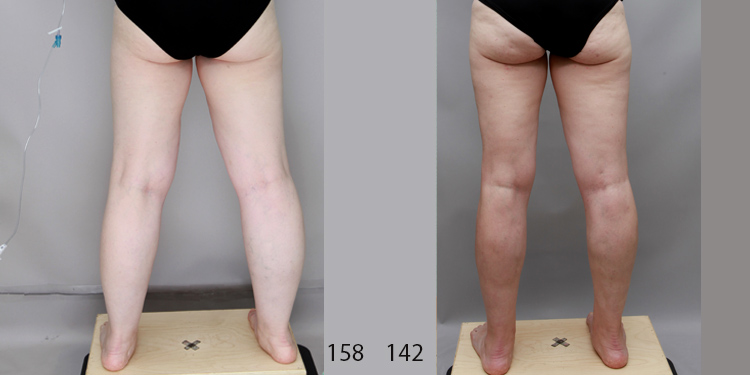
The reverse sequence to Case 01 — she used GLP-1 medication after surgery rather than before, going from 142 to 116 lb, with significant relief of pain and swelling. She is now on a microdose and would like her lower legs treated, which would be a second session at additional cost.
Today I would encourage the medication first. My thinking on sequencing has changed, and the reason is partly economic: reducing the ordinary fat beforehand lets the 10 lb ceiling cover more of the disease.
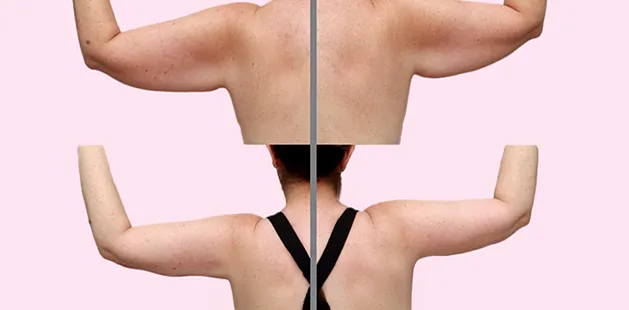
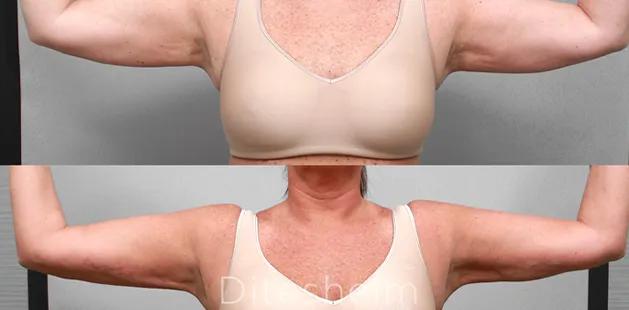
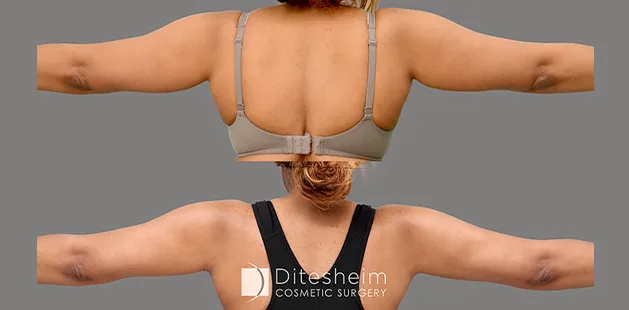
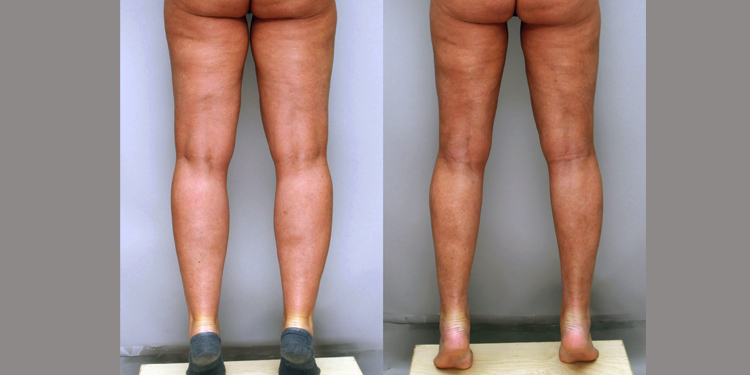
Foot tendonitis and daily leg pain resolved, and she is out of compression garments. In her own words: fully functional, legs no longer heavy, enjoys working out, loves her arms — but still has areas of lipedema.
Note the figure against the number of sessions. Two operations here cost less than one full lower-body reduction, because the volume treated was smaller. Cost follows what is actually done, not the number of times you go to sleep.
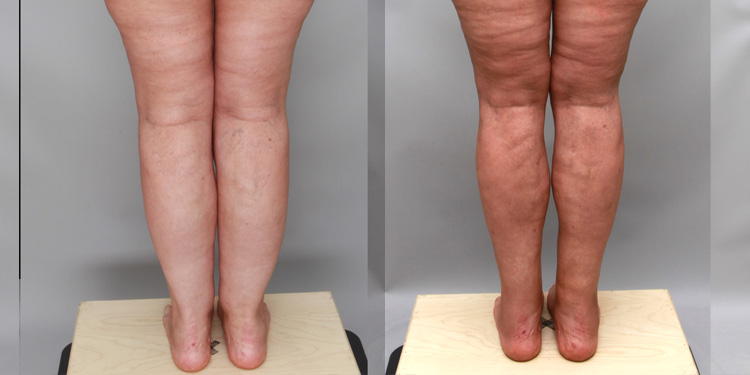
Her thighs were deliberately left untreated, and at six months they were visibly larger than before. Nothing came back. The untreated disease simply carried on, which is the honest thing to understand about leaving areas for later.
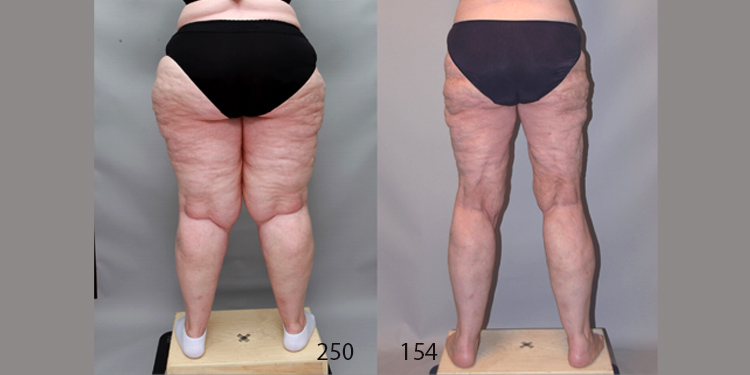
She presented at 180 lb with significant pain, swelling and limited mobility, and a large volume of disease. Staged as knees and legs, then buttocks and thighs, then anterior thighs. She began tirzepatide only after the second operation and was 137 lb at nine months.
This is the most expensive course on this page and the case that changed how I sequence treatment. Thirty-seven pounds of tissue cannot come out in one setting under any circumstances — but had she been on medication before the first operation rather than after the second, the ordinary fat would have come down first and I believe this would have been two operations rather than three.
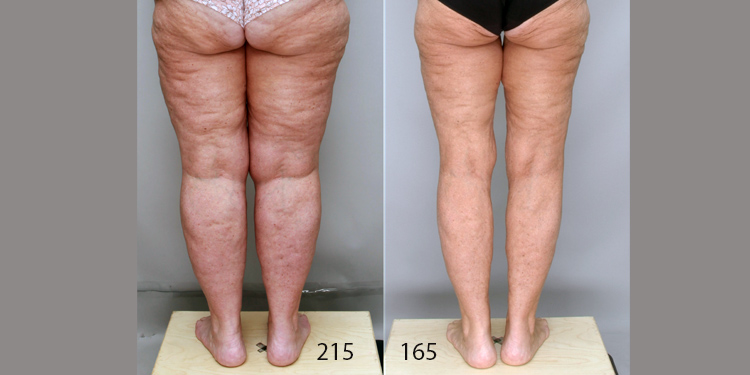
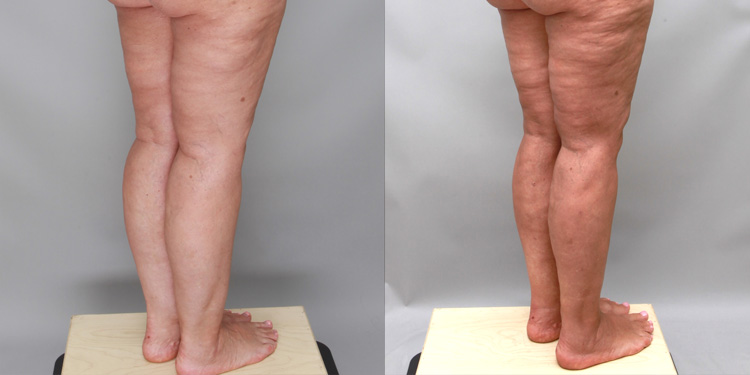
Her weight peaked at 252 lb, was 215 at surgery, and is 160 at sixteen months on microdose tirzepatide. Pain, swelling and mobility all much improved.
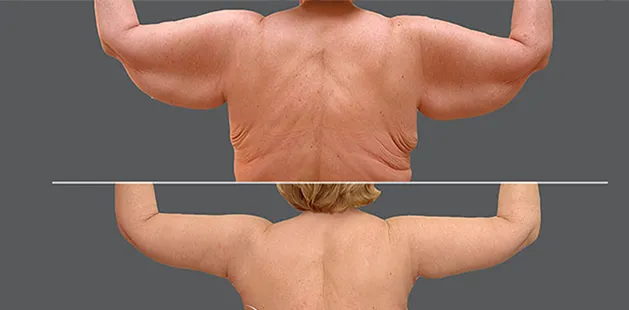
Her arms and other areas remain to be treated, so a further session is likely and will add to this figure. Age is not the barrier people assume it is — stage matters far more, and she came to me while this was still treatable in one setting.
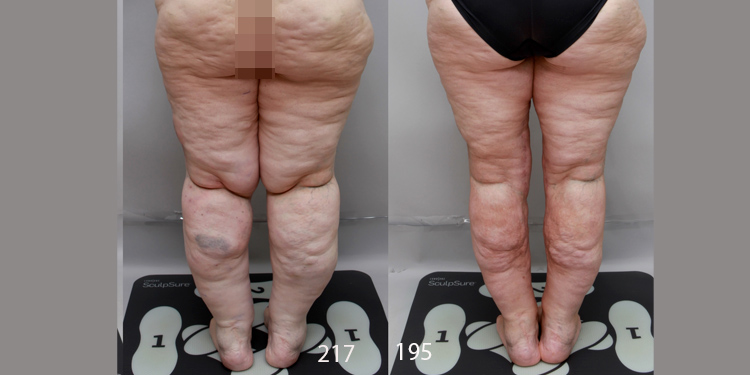
Weight 217 lb, down to 195 at eighteen months, surveyed at four years and on tirzepatide. She is significantly better and would tell you the surgery was worth it. This course included a medial thigh lift, which advanced disease often requires once the diseased fat is gone.
She also still has lipedema pain and swelling, and she always will. I include her because she is the most important case here: past a certain point you are managing a disease rather than resolving it. Compare her with Case 01 — both good outcomes, roughly double the cost, and the difference is when each of them came through the door.
What you are actually paying for
The most useful comparison I can offer is not to another operation. It is to rheumatoid arthritis, or to cancer care.
Those are conditions treated through a combination of medical and surgical strategies, individualised to the patient, with intensive follow-up sustained over many years. Nobody expects a single procedure to resolve them. Lipedema belongs in that category. The operation is one component of a treatment plan, not the treatment itself.
That is why the figures on this page describe courses of care rather than procedures, why the pre-surgical plan comes first, and why I stay involved long after the surgical fee has been paid. It is also why Germany now applies strict requirements to who may treat this disease at all — at least 50 independent lipedema operations, or 20 supervised within two years, before a surgeon performs it. Experience and education are not incidental here. They determine your result.
Insurance
I am not going to tell you this is straightforward, because it is not. But it is worth understanding why it has been difficult, because the reasons are specific and two of the three are now changing.
No CPT code exists that describes lipedema reduction surgery. Insurers require the liposuction codes instead — 15877 to 15879 — which were written for cosmetic procedures and carry no assigned reimbursement value. So even a sympathetic reviewer is working without the right vocabulary, and the operation arrives on their desk labelled as cosmetic surgery. A proposal for lipedema-specific diagnosis codes has been submitted.
This is the more fundamental problem. Lipedema is still widely dismissed as obesity, by good doctors who were taught nothing about it. If the reviewer does not accept that the condition exists as a distinct disease, no amount of documentation about its treatment will land. It is the same barrier that leads women to spend years being told to lose weight.
For years the stated reason for denial was that the published evidence consisted of uncontrolled before-and-after studies, with no randomised controlled trial. That was a fair criticism, and it no longer applies. The LIPLEG trial in Germany randomised 410 women with stage I to III lipedema between surgery and continued conservative therapy. At twelve months, 68% of surgical patients had significantly less leg pain against 7.6% of those who continued conservative treatment. Germany's national health authority reviewed it and approved public coverage at all stages from January 2026.
Read the evidence in full, including LIPLEG and the studies behind it →
I write a detailed consultation note for every patient, deliberately addressing the specific issues insurers raise — the diagnostic criteria, the functional impairment, the conservative measures tried, and the published evidence. The purpose is to support whatever out-of-network benefit you have as fully as it can be supported.
Several of my patients have obtained out-of-network reimbursement, with good documentation and persistence. I cannot promise you that outcome, and I would not want the figures on this page read as though reimbursement were likely. What I can tell you is that it happens, that it is worth pursuing, and that your documentation will not be the reason you are denied.
Ask your insurer two things before your consultation: what your out-of-network benefit is, and whether they will consider a single-case agreement. Those two answers shape what is realistically available to you.
Questions
It depends on how much disease you have. For early disease, usually one session at $15,000 to $19,000. For progressing disease, typically two to three sessions at $38,000 to $60,000 in total, though where the volume treated is smaller it can be considerably less. For advanced disease requiring multiple sessions and often skin excision, it runs higher.
In my practice a full lipedema reduction under general anaesthesia is most often $19,000. A smaller regional operation performed awake — an isolated knee liporeduction — starts around $8,000.
You will get a surgical plan, but not usually a date. For most women a period of about three months comes first — anti-inflammatory measures, lymphatic therapy, flat-knit compression, and often GLP-1 medication to reduce the ordinary fatty tissue sitting over the diseased tissue.
This is preparation rather than delay. Controlling inflammation beforehand produces better results, makes recovery more predictable, and reduces how many sessions you need — which is the largest single factor in what you spend.
Occasionally, in early disease. Controlling inflammation, fluid and weight can sometimes bring symptoms down to a level a woman is content to live with, and if that is where you are at the reassessment I will tell you so.
It is the exception rather than the expectation. What medical treatment cannot do is remove lipedema tissue — that is the defining feature of the disease. Once fluid and normal fat are under control, whatever pain and heaviness remain are coming from diseased tissue, and surgery is the only thing that removes it.
My aim is one or two rather than the three or four that were standard when surgery was the only tool available. Most of my patients over the past year have needed one or two; a few have needed three. What limits a single session is a safety ceiling of roughly 10 lb of fat removed at one time in an outpatient setting. Where substantial weight loss has happened beforehand, that ceiling covers more of the disease and fewer sessions are needed.
Often less than people assume. At the LipoClinic in Mülheim, Germany — one of the most established lipedema centres in the world — the minimum per session when I visited in 2024 was about $12,100, and their protocol was still typically four consecutive procedures, so roughly $48,600 for a full course. Compare whole course against whole course, and factor in that your surgeon will be overseas during the six weeks after your operation, which is the period that determines your result.
FAIR Health, which maintains the largest independent database of US healthcare claims, puts per area lipedema surgery costs between roughly $20,700 in Florida and $65,200 in California, with New York out-of-network around $33,300. Florida practices commonly quote $20,000 to $28,000 per area, and Beverly Hills has been reported upward of $100,000.
Because it is not a single procedure. Lipedema is treated the way a chronic disease is treated — a combination of medical and surgical strategies, individualised, with intensive follow-up over years. The closer comparison is to how rheumatoid arthritis or cancer is managed. The operation itself also differs: the tissue is fibrotic and diseased, limbs are treated circumferentially, and ten to twelve pounds in a session is routine.
Not in the first operation. Skin frequently contracts on its own once the diseased fat beneath it is gone, so excising it at the initial debulking risks removing skin that would have retracted anyway. If a skin procedure is genuinely needed it is planned separately and later, and it is more commonly required in advanced disease.
It varies, and most of it is not billed by me. Lymphatic therapy sessions typically run $150 to $200 each, and compression garments and medication are usually billed separately. Several of these elements carry an insurance benefit even where surgery does not, and I help you obtain flat-knit compression through whatever benefit you have.
Yes. The consultation is $500 and is applied to your procedure. I also put as much educational material into the public domain as I can, free, so that our hour together is spent planning your treatment rather than explaining what lipedema is.
In most cases it does not cover it fully, and I would rather tell you that plainly. Several of my patients have obtained out-of-network reimbursement with thorough documentation and persistence. I write a detailed consultation note for every patient addressing the specific issues insurers raise. Ask your insurer what your out-of-network benefit is, and whether they will consider a single-case agreement.
Next step
Every figure on this page is a planning tool. What you need is a plan built around your disease, your stage and your goals — and the cost that follows from it.