
Teen Gynecomastia Treatment in Charlotte, NC
Direct answers, real options, and a surgeon who has treated teens with this exact condition for 30 years.






Dealing with Teen Gynecomastia
If you’re a teenage guy and your chest doesn’t look the way it should, you’re not the first one to deal with this and you’re not going to be the last. This page is going to give you real information — what’s actually happening to your body, whether it’s likely to go away on its own, and what your options are if it doesn’t.
What is Teen Gynecomastia
Teen gynecomastia is a common condition that causes enlarged breast tissue in adolescent boys, often during puberty. It is usually the result of temporary hormonal changes between testosterone and estrogen levels and can affect one or both sides of the chest. In many cases, teen gynecomastia improves on its own over time, but some teens may continue to experience excess breast tissue, tenderness, or self-consciousness. When the condition does not resolve naturally, treatment options such as gynecomastia surgery may help restore a flatter, more masculine chest appearance.
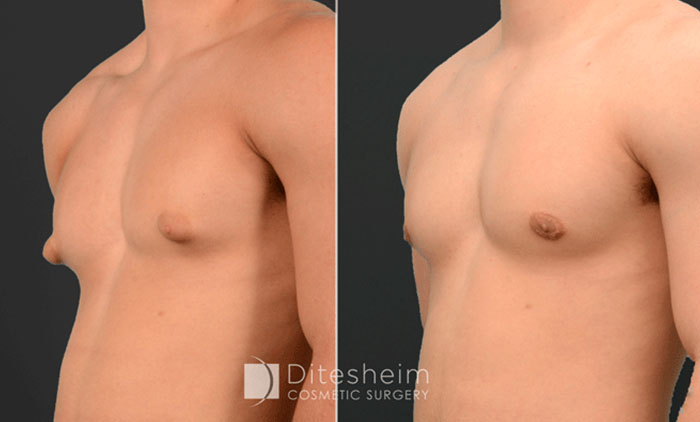
Real Stories from Real Teens
“I basically avoided going anywhere I would have to take off my shirt.”
— RL, age 16
“I’ve been swimming since I was seven. I loved going to the lake and being out at the pool with friends. When I turned 12, I noticed my nipples started to cone out. At the time I didn’t think much about it because I was a little chunky.”
“When I turned 14, I lost weight. I went from 175 to 149 lb. Nothing had changed. I avoided going to the lake and pool parties. I even avoided joining the AAU basketball team because I’d have to take off my shirt in practice. I basically avoided going anywhere I’d have to take off my shirt. I had to deal with this for the next two years.”
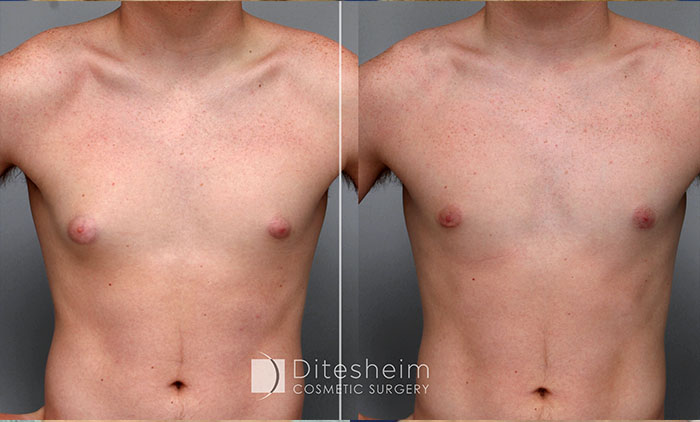
“When I turned 16, I did some research online and found out other guys had the same problem. I showed my mom what I’d found. My mom listened and called Dr. Ditesheim, who told me he could fix it and get me back in the pool.”
“Now I can hang out with my friends at Carowinds, the pool, or on the beach without thinking about my shirt.”
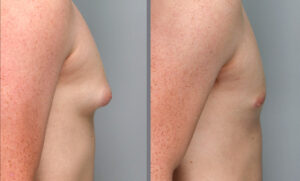
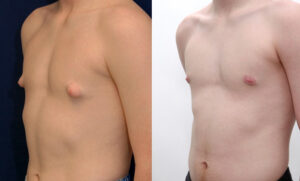
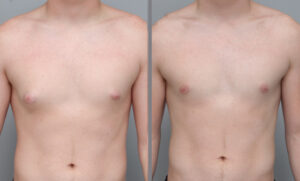
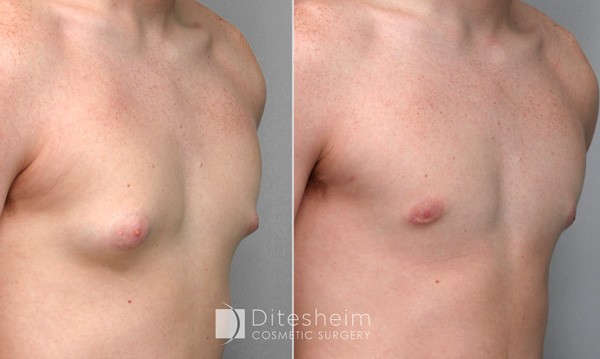
Real Teen Patient Results
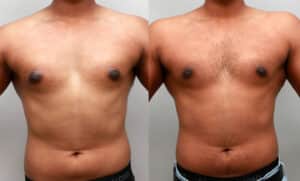
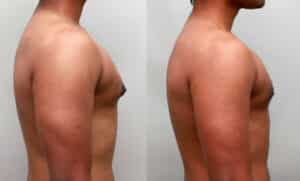
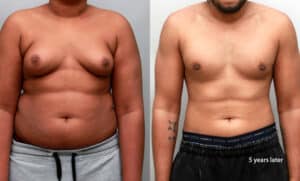
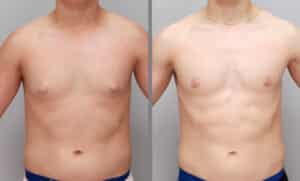

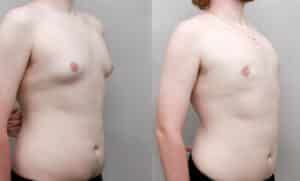
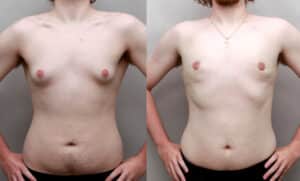
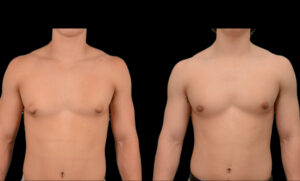
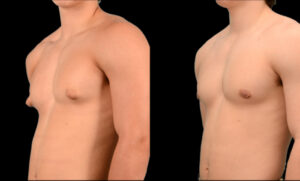
What Our Patients Are Saying
 Posted on Google
 T “Traveling Lady”
Trustindex verifies that the original source of the review is Google.
I had a great experience with Ditesheim Cosmetic. Everyone was wonderful from initial consultation to 10months post op. Dr. Ditesheim really takes the time to listen to what you want and provides you with expected outcomes and options. Day of surgery, knowing my expectations, he made some last-minute changes to improve my chances of getting the desired outcome. I am very much pleased with my results. I previously had an adominoplasty 20yrs ago with a different physician and was never satisfied. Dr. Ditesheim recommended Lipo 360 with renuvion for skin tightening along with BBL to have better shape. It was apparent with a few days that I was going to be happy with my choice. Dr. D and the staff followed up on me daily after discharge for almost a week and their concern continues. I definitely recommend Ditesheim Cosmetic for your cosmetic needs. I plan to have two more procedures, and they will be with Dr. Ditesheim. Pictures I have attached are 6months Post-Op Before/AfterPosted on Google Stephani Guimaraes LimaI have nothing but amazing things to say about Dr. Ditesheim and his entire team. I’ve had two procedures with him, and my partner has had one, and we are both beyond happy with the results. I have lipedema, and I searched all over the United States for a plastic surgeon who truly specializes in this condition and has strong, real before-and-after results. After extensive research, I finally found Dr. D. From the first consultation, I felt confident, informed, and cared for, which made it easier to move forward with surgery for a lipo on my legs. The results exceeded my expectations, and a year later I returned for a breast augmentation. My breasts turned out absolutely beautiful, exactly the size, shape, and look I wanted, it fits My body 100%. My partner also had HD liposuction, and he looks incredible. We both fully trust Dr. D’s expertise, recommendations, and artistic eye and the results have consistently been even better than we imagined. The team is exceptional, friendly, professional, kind, and genuinely happy to help. We travel from Virginia to Charlotte specifically to be treated there because of how much we trust Dr. D and his staff. That alone speaks volumes. I’m already planning my next visit, and I wouldn’t consider going anywhere else.Posted on Google
 Cole ClineAmazing experience with Dr. Ditesheim and staff. Had gyno surgery four months ago and the improvements have become significant in recent weeks beyond the initial surgery improvements. In total, I spent only a few hours in the office well tailored to my college schedule. I highly recommend Dr. Ditesheim and will for sure come back for any future cosmetic surgeries. Be patient with results, I promise it will be worth it in a few months.Posted on Google
 Joey SimpsonThe time and details provided by Dr. Ditesheim was more than expected and made me feel very comfortable with proceeding with the surgery. My results are better than expected. His staff are all very nice and helpful. It has and continues to be a pleasurable experience. I would highly recommend Dr. Ditesheim for any cosmetic procedure you are considering.Posted on Google
 Andrew SimpsonHad abdominoplasty and hi-def lipo following an 80 lb weight loss. I love my results and would highly recommend Dr. D. Absolutely well worth it.Posted on Google
 Low ProfileI had gynecomastia surgery with Dr. Ditesheim and am now 4 months post-op. From the initial consultation to every follow-up, Dr. Ditesheim and his team have been nothing short of exceptional. He took the time to really understand my concerns, clearly explained the procedure and recovery, and set realistic expectations for the healing process. I never felt rushed or like “just another patient” — I felt like I was in the hands of a true professional who genuinely cares about his work and his patients. The results speak for themselves. My chest looks significantly better, more natural, and I feel much more confident overall. Healing was smooth, and Dr. Ditesheim was always accessible for questions and check-ins. Even now, months later, he continues to follow my progress and provide helpful feedback. If you’re considering gynecomastia surgery or any cosmetic procedure, I highly recommend Dr. Ditesheim. He combines surgical skill with a great bedside manner, and the whole office operates with professionalism and compassion. This procedure was a huge confidence boost — I only wish I had done it sooner. Thank you to Dr. Ditesheim and his team for helping me feel like a new person.Posted on Google
 Seth HendersonGreat Gynecomastia result and experience! Everyone in the office was super friendly, and Dr. Ditesheim openly answered all of my questions and concerns.Posted on Google
 Adam GreerHad gyno removed and it was an absolute awesome experience I’m 3months post surgery and more than satisfied. No scars and nobody can even tell where the incisions was. Highly recommend Dr Ditesheim!Posted on Google
 Melissa GodwinFrom the moment I walk into Dr Ditesheim's office, he and his team make me feel so comfortable and at ease every single time. I recently had an earlobe repair done on both ears and the results are amazing! Dr Ditesheim always provides knowledgeable care and takes time to answer all of my questions. I've been a patient for about 17 years and will continue to see Dr Ditesheim for all of my cosmetic procedures.

What's Actually Happening to Your Body
During mid-puberty, your body is producing a mix of male and female hormones that’s constantly shifting. For most guys, male hormones win out, the balance settles, and everything looks the way it’s supposed to. But for some guys — somewhere between a third and half of all teenage boys at some point — there’s a window where female hormones are higher than they should be, and the small amount of breast tissue every man has under his nipple grows.
That’s gynecomastia. It’s the medical name for what some guy’s call “puffy nipples” or “man boobs.” In 95% of teens who have it, hormone levels are completely normal — your body is doing exactly what bodies do during puberty. It’s just doing more of it than you’d like.
"Will it go away?"
- Mild cases (small amount of tissue): about 84% resolve on their own
- Moderate cases (visible breast shape): about 47% resolve on their own
- Severe cases (larger or with skin changes): about 20% resolve on their own
Gynecomastia From Gym Supplements
If you’re a teen lifter, this part matters. Pro-hormones, anabolic steroids, and some “natural” gym supplements can trigger breast tissue growth — and unlike normal puberty-driven gynecomastia, this kind doesn’t go away when you stop taking them. The growth is permanent. Surgery is the only fix.
Dr. Ditesheim has treated several teen lifters who took supplements to bulk up and ended up with chest tissue that wouldn’t reverse, even months after stopping. If you’re thinking about taking anything to build muscle faster, talk to your doctor first.
Your Three Options for Teen Gynecomastia
You have three real options. Which one is right depends on three things: how long the tissue has been there, how severe it is, and what it’s doing to your life. Here’s the honest version.
| Your Options | Wait It Out | Medical Treatment | Surgery |
|---|---|---|---|
| Best for | Mild cases, present less than 1 year, not painful, early puberty | Painful tissue present within the last 2 years, no hormonal cause found | Tissue present 1+ year, teasing or emotional distress, age 13+ |
| What it involves | Monitoring; possible referral to pediatrician or endocrinologist | Estrogen-blocking medication (Tamoxifen or Raloxifene) | Outpatient procedure, ~1 hour, awake or asleep |
| Evidence | Mild cases: ~84% resolve. Moderate: ~47%. Severe: ~20%. | Anecdotal reports of effectiveness within 2 years of onset. No controlled trials. | Permanent. Tissue removed surgically does not regrow. |
| Timeline | 6 months to 3 years | Months of medication | Back to school in days, back to sports in 2 weeks |