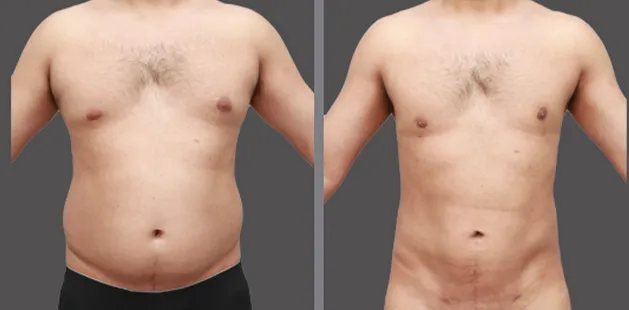
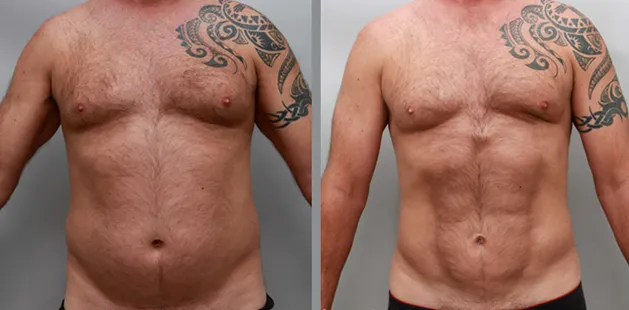
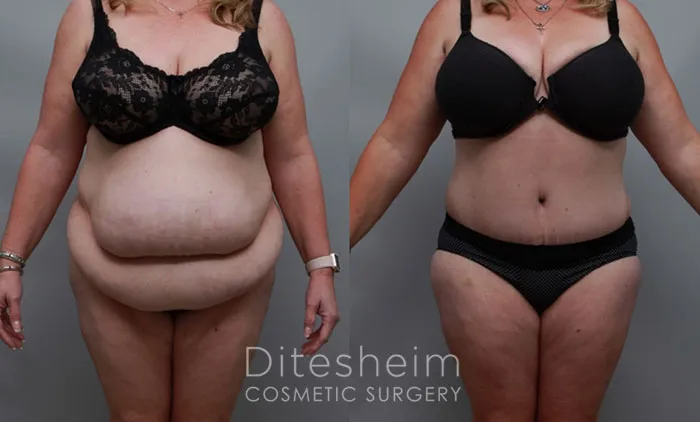
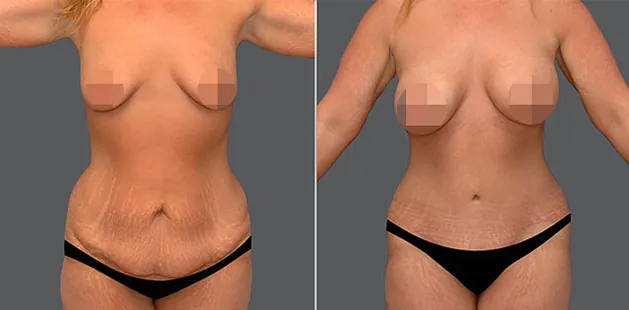
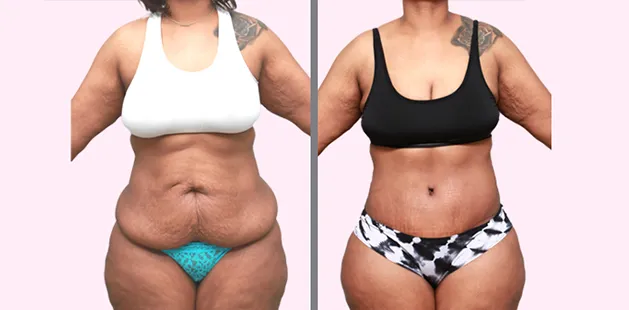
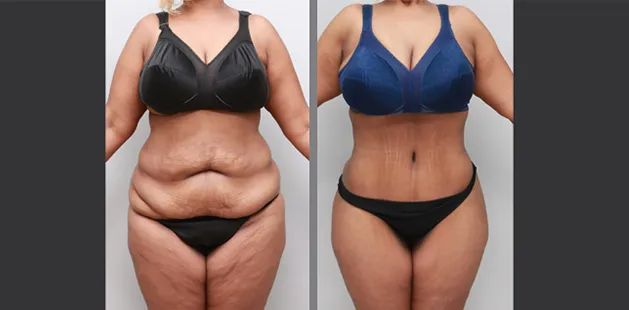
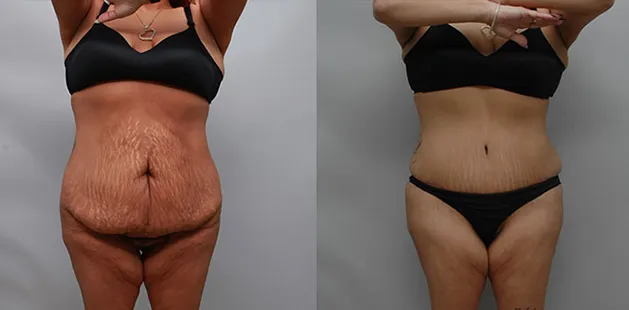
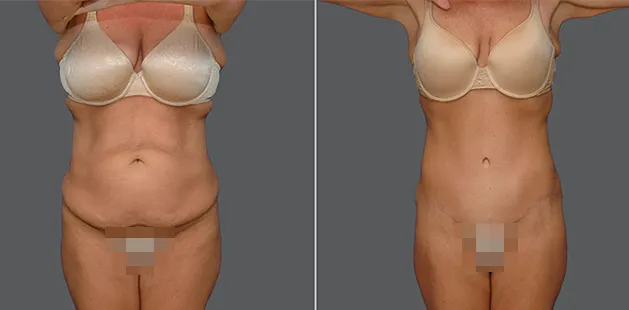
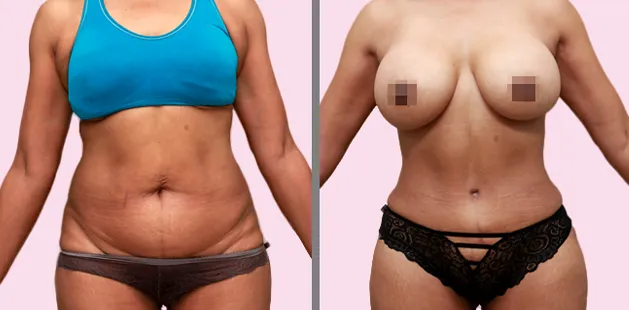
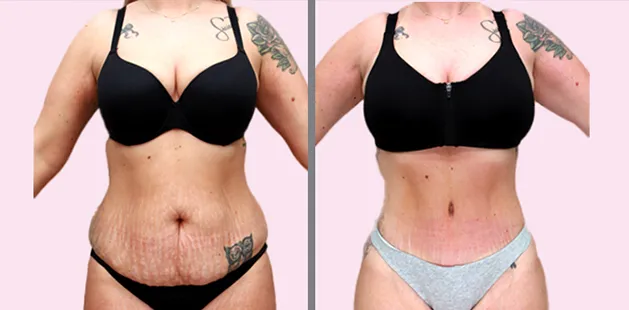
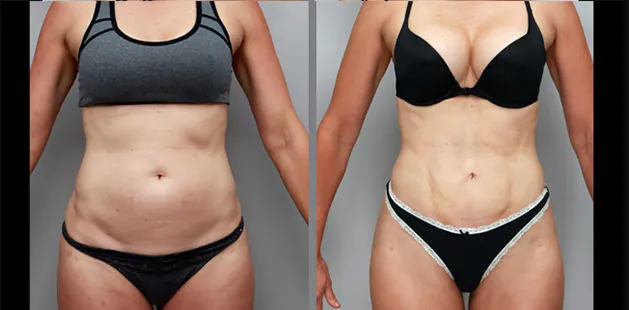
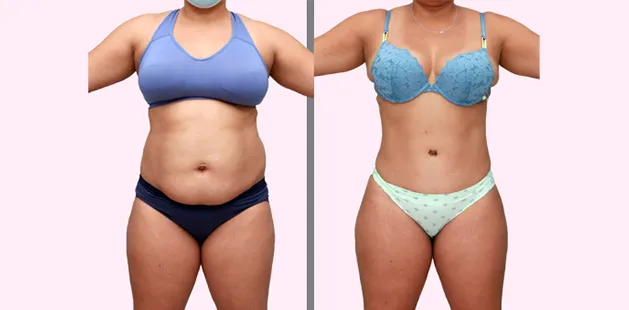
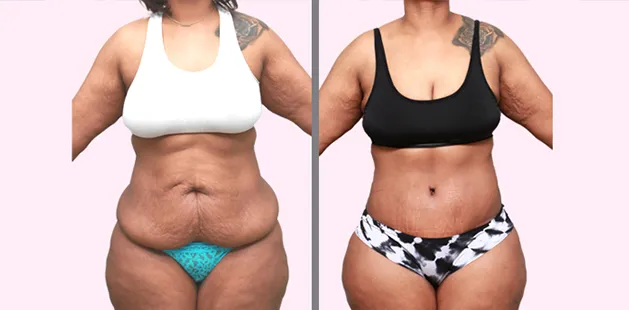
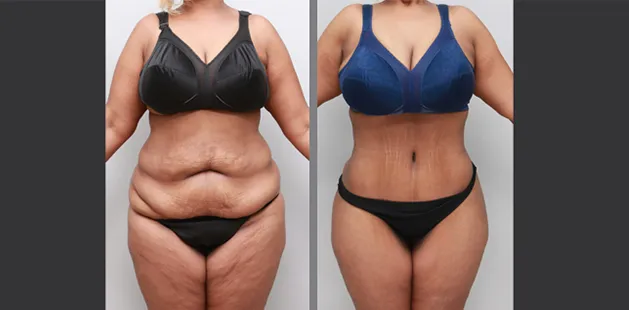
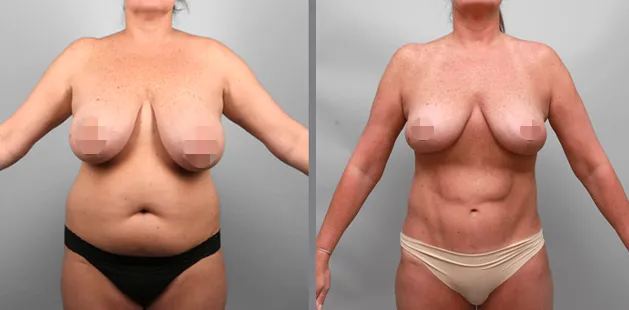
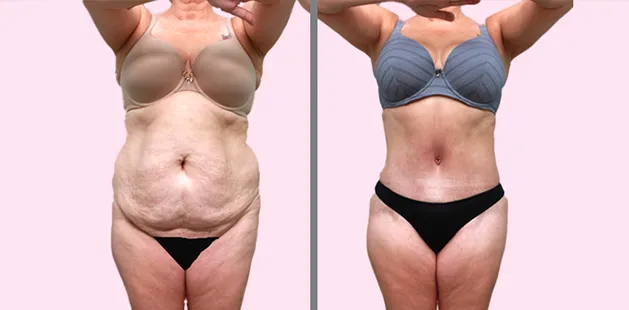
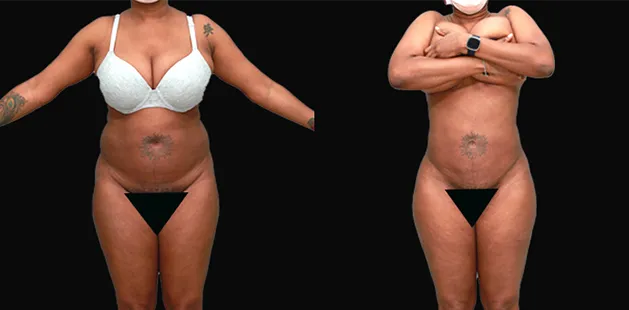
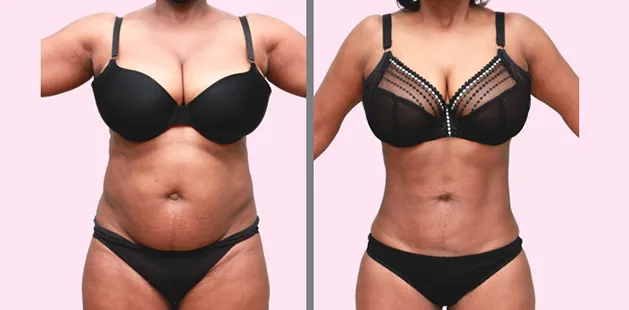
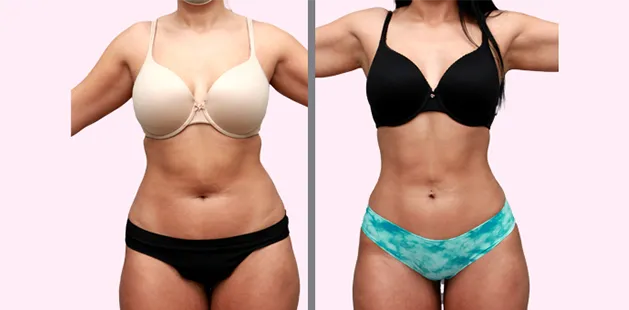
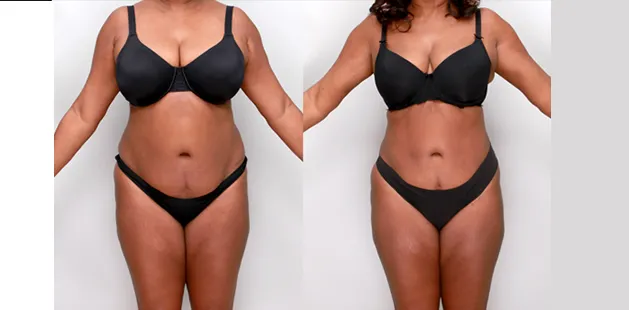
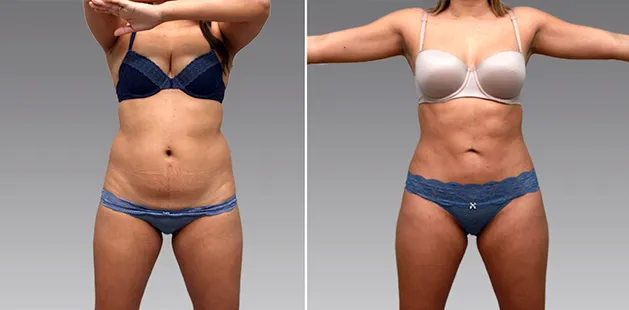
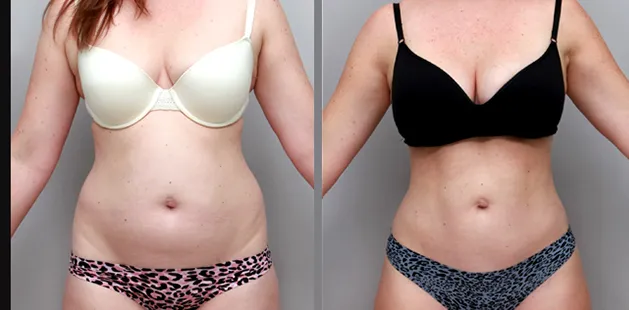
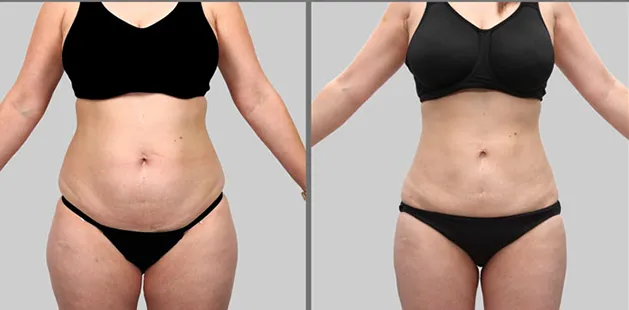
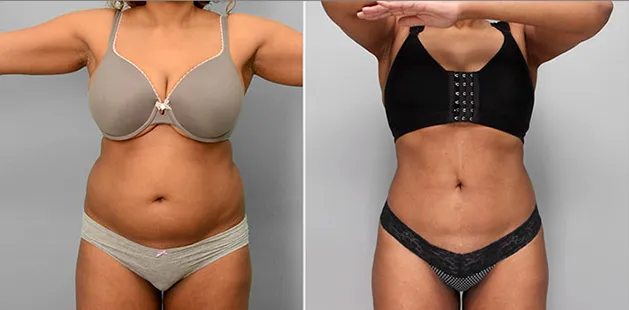
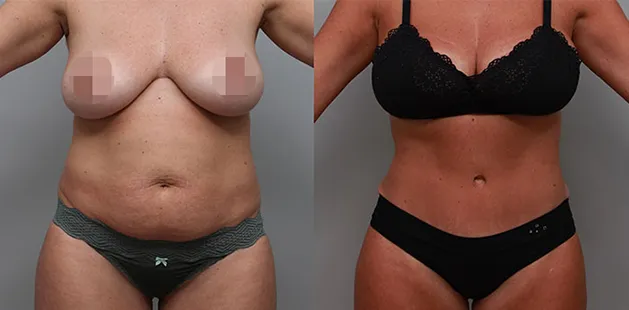
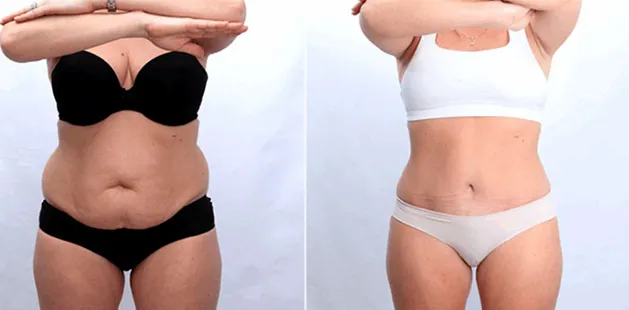
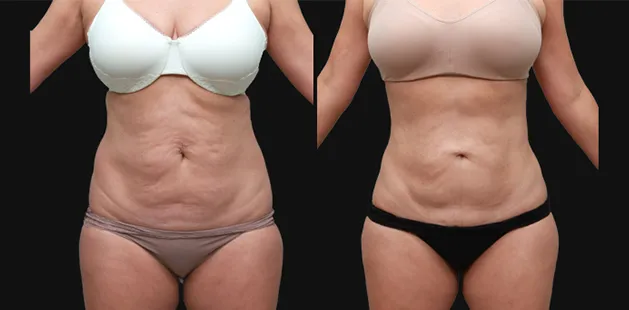
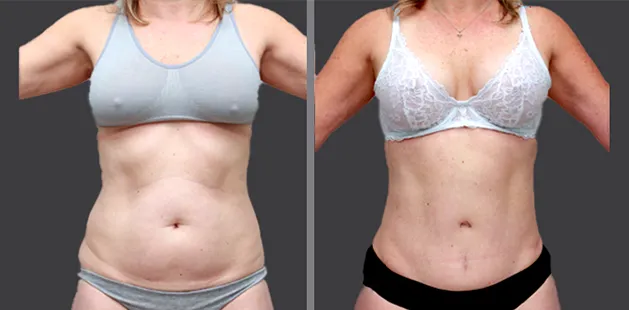
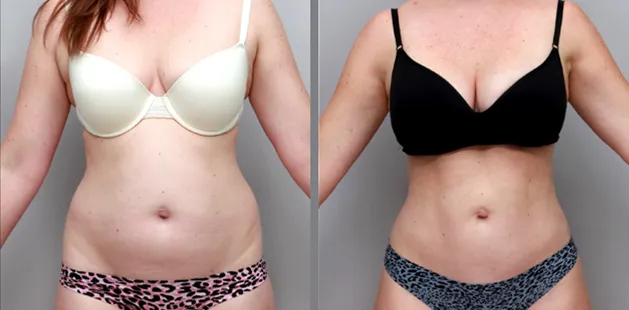
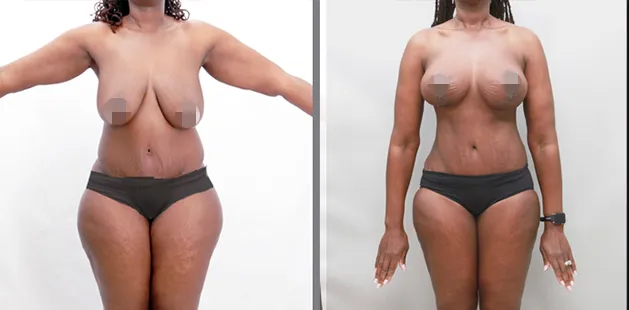
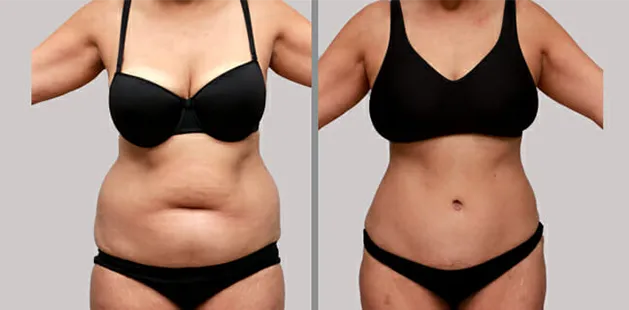
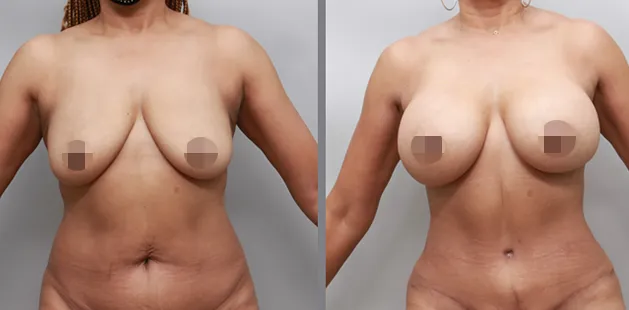
After 30 years and more than 5,000 surgeries, I’ve learned that the women who walk into my office thinking about a tummy tuck almost always arrive with the same handful of questions — even when they phrase them differently. Some are technical. Most, underneath, are really asking one thing: what will actually give me back the shape I want, and is it safe?
This page is for the person who is still deciding. I’m not going to try to talk you into anything. I’m going to answer the questions honestly, the way I would across the desk from you — and if you’re further along and want the specifics on technique, recovery, and pricing, that all lives on our tummy tuck procedure page.
“Do I really need a tummy tuck, or can I look almost as good with liposuction?”
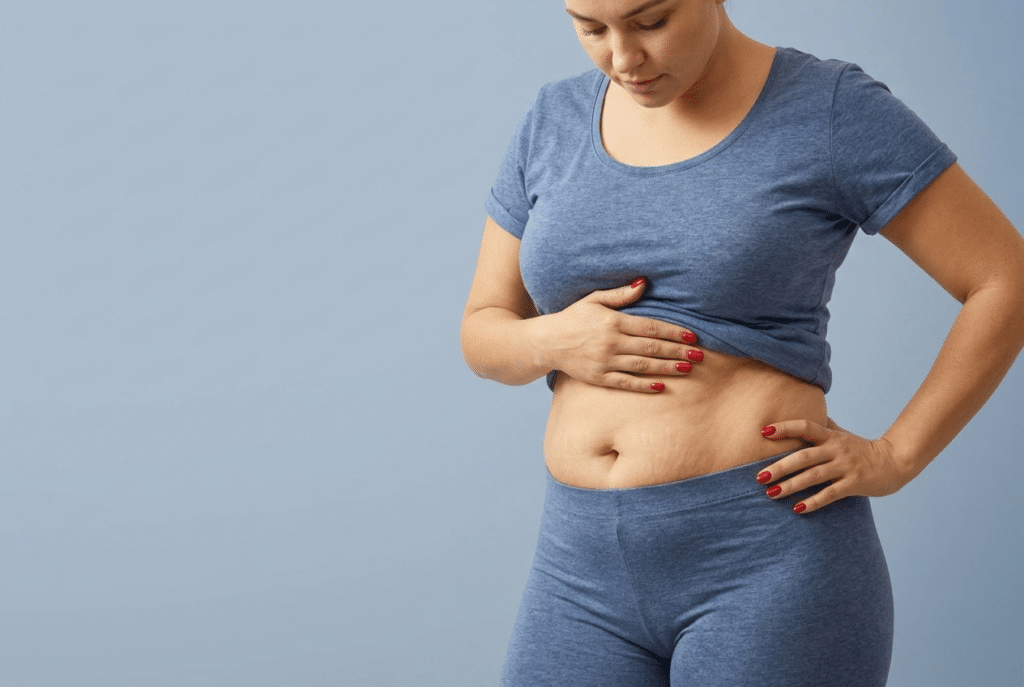
This is the first question nearly everyone asks, and the honest answer is: it depends on your skin, not just your fat.
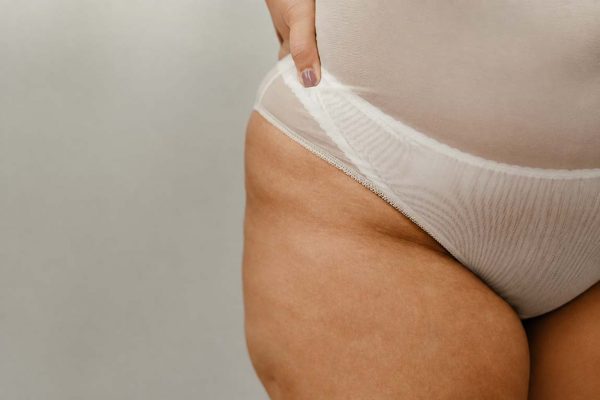
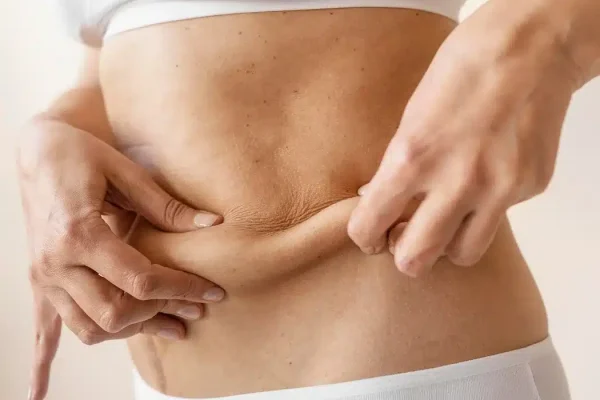
Here’s the way I explain it. Liposuction removes fat through small, hidden incisions — and it works beautifully when your skin still has good elasticity. Think of letting the air out of a balloon: the balloon shrinks back down on itself. But once skin has been stretched past its limit — by pregnancy, by significant weight loss — it stops snapping back. Removing the fat underneath loose skin is like losing weight and wondering why the dress now hangs off you. Or a pillow that’s lost its stuffing: the fabric can no longer hold the shape.
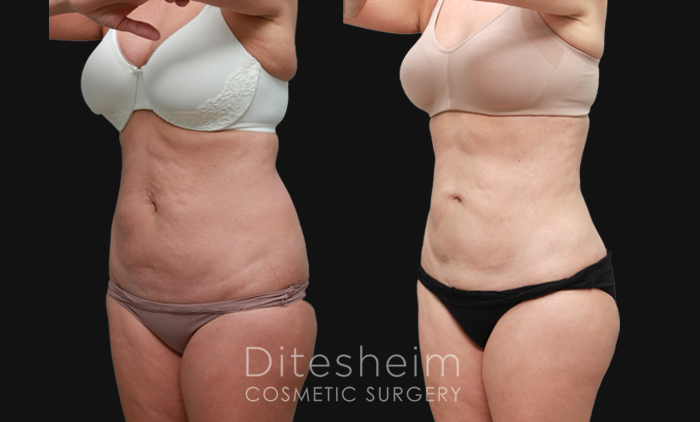
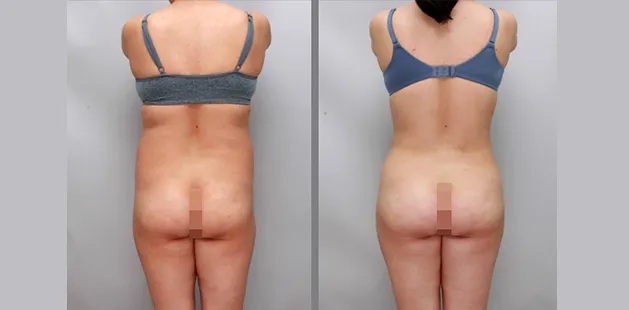
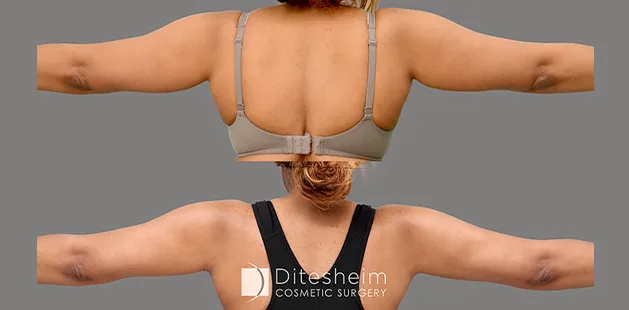
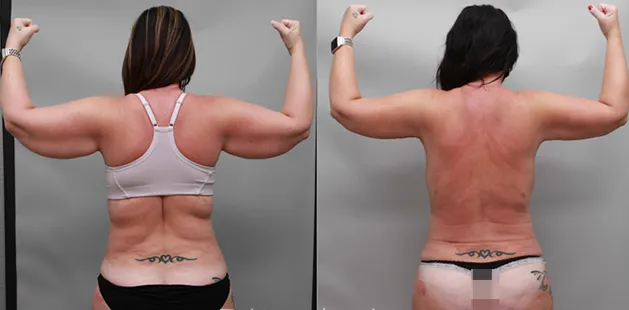
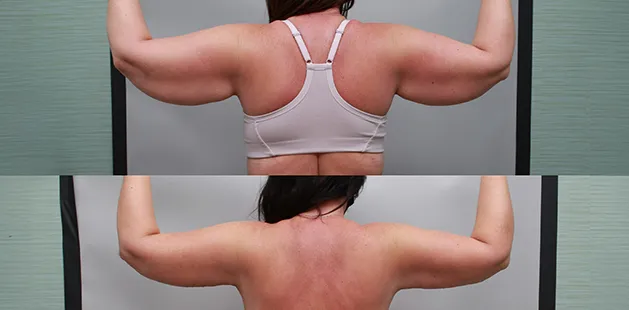
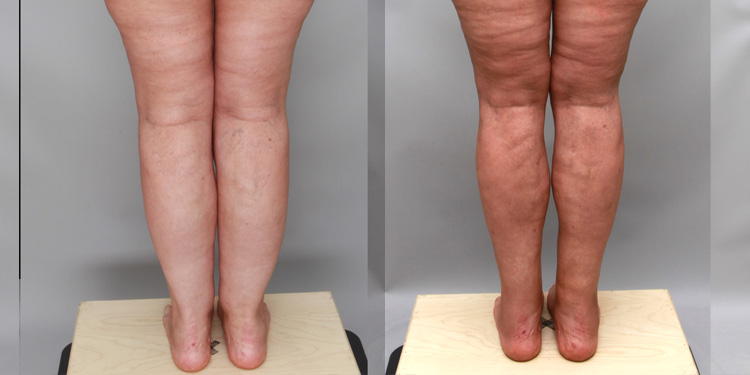
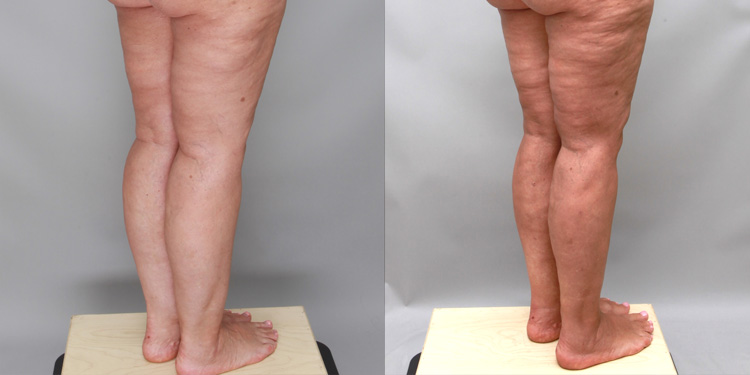
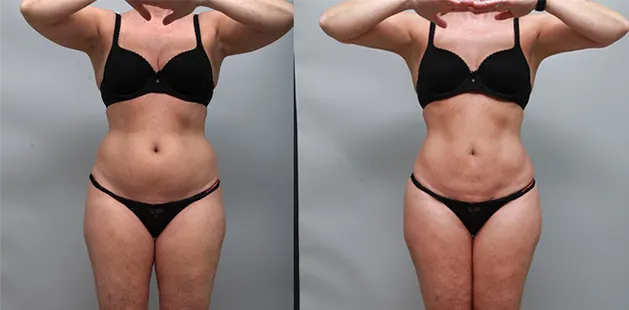
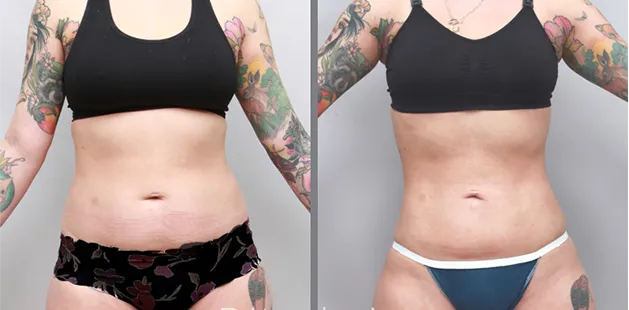
So it comes down to skin quality and location. Areas where skin is thicker, naturally concave, and has held its elasticity — the lower back, the waist — often do wonderfully with liposuction alone. Areas that are thin, stretched, and most affected by pregnancy — the lower tummy especially — usually don’t. No amount of fat removal fixes skin that can no longer contract.
“Who looks great with liposuction only, and who actually needs the tummy tuck?”
This is the real question — and it’s the reason that, even in the age of AI, you still need an experienced plastic surgeon with an aesthetic eye.
A tummy tuck is not fundamentally about removing fat. It’s about restoring or creating beautiful shape. Knowing exactly how much surgery a particular body needs to reach its best version — not too much, not too little — takes judgment and artistry that no algorithm and no checklist can supply. Two women with similar measurements can need very different operations. The skill is in seeing that difference and planning for it.
“Is the tummy tuck the same for every woman?”
The principles are. The execution isn’t.
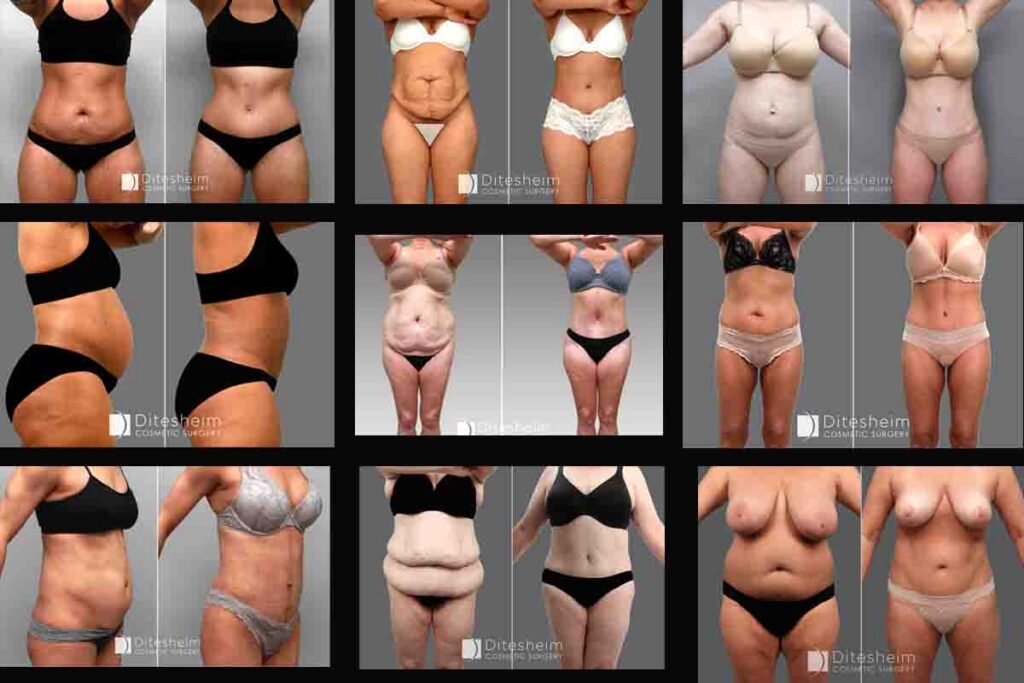
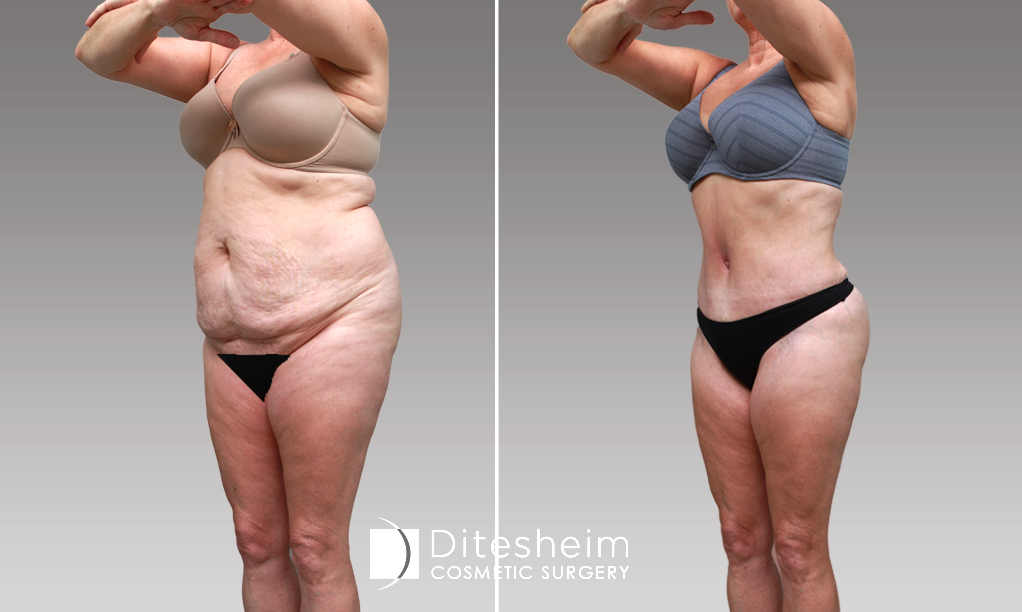
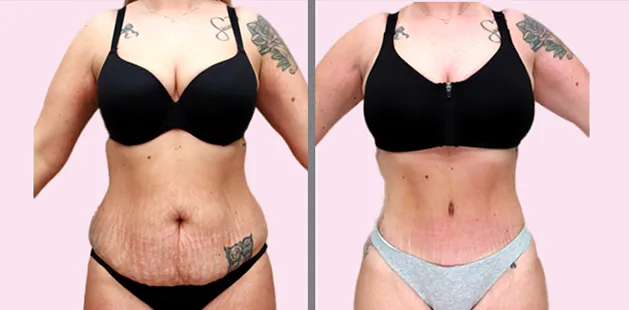
Every good tummy tuck does three things: removes stretched, excess skin; repairs the weakened core (the separated muscles we call diastasis recti); and selectively removes fat to create shape. What changes from one woman to the next is how those principles are applied to her frame, her proportions, and her goals. The technique is consistent. The plan is personal.
“What do most women actually want from this procedure?”
When you strip away everything else, almost every woman wants the same two things: a flat tummy and a defined waist. Those two features are the foundation of a beautiful, feminine shape — and creating them, in a way that looks natural and proportionate to your body, is the whole point.
“Is a tummy tuck safe?”
For the right candidate, yes — and the words “right candidate” are doing real work in that sentence.
In a healthy patient who doesn’t smoke, is at a reasonable body weight, and is otherwise active, the risk of serious complications is low. The picture changes for patients who smoke, who carry significantly higher body weight, or who have medical conditions that impair healing — diabetes, anemia, heart or lung disease. In those situations the risk can climb high enough that surgery isn’t a reasonable choice until things are optimized. Rather than a single number on a scale, what matters is your overall health, your body composition, and an honest, individual evaluation. Part of my job is to tell you when the timing isn’t right — and I do.
“What are the worst complications — and why should I care if I’m healthy?”
I’d rather you hear this from me plainly than discover it in fine print, because understanding the risks is exactly why surgeon judgment and a proper facility matter so much.
The most serious complications come from doing too much. Overtightening the deep abdominal layer can put excess pressure on critical blood vessels inside the body — which can lead to blood clots, and a clot that travels to the lungs is life-threatening. Overtightening can also compromise the lungs’ ability to oxygenate the blood. Overtightening the skin leads to thicker scars, delayed healing, and distortion of the pubic area. With liposuction, the gravest risk is passing the cannula through the abdominal wall into the organs inside.
These events are rare. But they are rare because an experienced surgeon knows precisely how much tension is safe, and stops there. The honest discussion of risk isn’t meant to frighten you — it’s the clearest argument I can make for choosing experience and an accredited setting over a bargain.
“Does it have to be a ‘real’ operating room, or is a procedure room at a clinic good enough?”
You want a fully accredited operating room certified for general anesthesia. Here’s why, in plain terms.
A standard tummy tuck is most often a three-to-four-hour procedure under general anesthesia with full-body monitoring. Just as in a hospital, there should be a professional dedicated solely to your anesthesia — a physician anesthesiologist or a CRNA — whose only job is to monitor your safety minute by minute and keep you asleep and pain-free. Think of the pilot on your last flight, watching the controls the entire way to bring you safely to your destination. That’s the role anesthesia plays in your surgery.
So no — an exam or procedure room at a freestanding clinic is not the same thing. The single most important guide to the “right place” for a tummy tuck is that safety is the number one priority. (Ours is performed in a QUAD A–accredited surgical center.)
“Why do belly button scars sometimes look strange?”
Because the belly button is where artistry hides in the details.
During a tummy tuck, the upper abdominal skin is freed from the muscle layer and redraped to lie flat and smooth. The belly button itself stays where it is and is allowed to “fall in” to its natural position. At the skin level, a new opening has to be created — and it has to be made without tension to restore the natural contour and depth. Excess tension anywhere on the body produces thicker scars, and the belly button is no exception. A natural-looking result there is a sign of a surgeon who sweats the small things.
A quick word on the types of tummy tuck
Many women arrive having read about mini-tucks, drainless techniques, “360s,” and circumferential procedures — often hoping one of them is a shortcut to the same result with less risk or less pain. They each have a right patient, and I cover the specifics of each on the procedure page. The short version:
A mini-tuck removes a small amount of skin between the belly button and pubic area, with a shorter scar and no change above the belly button. It’s the right call for a woman with a long torso and stretched skin only in the lower tummy — not a “lighter” version of a full tummy tuck for everyone.
A drainless tummy tuck uses progressive tension sutures (PTS) to tack the abdominal wall back into place, nearly eliminating the empty space where fluid used to collect. For the right patient, that means few or no drains and meaningfully less post-op discomfort than the old approach.
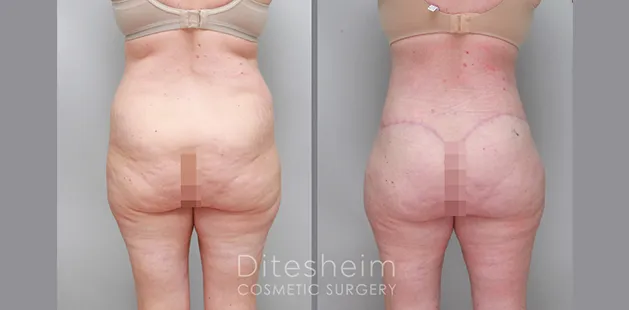
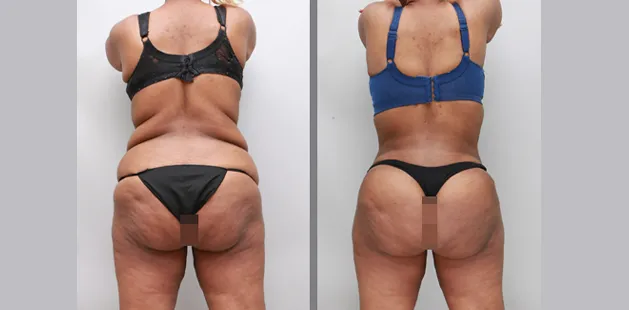
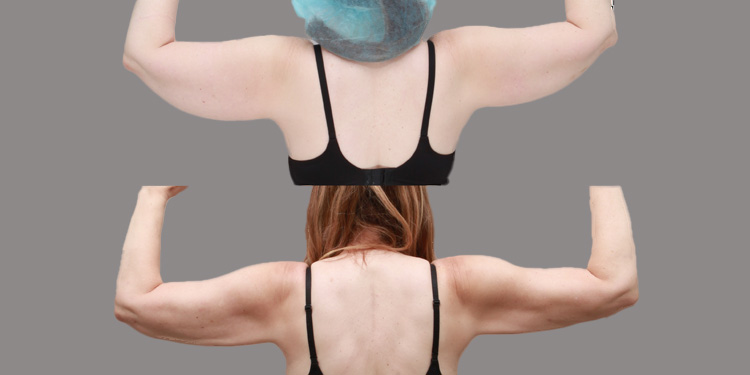
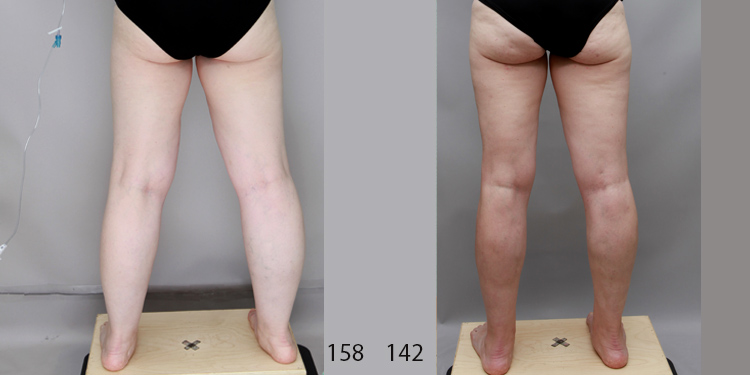
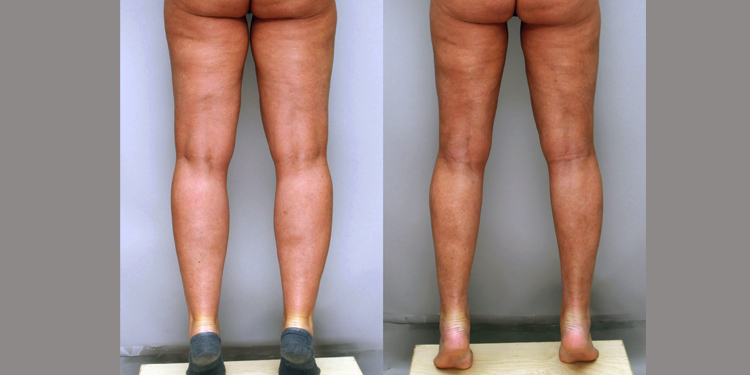
A Tummy Tuck 360 is not the same as a circumferential tummy tuck — a confusion I clear up constantly. A tummy tuck 360 adds liposuction body-shaping (back, waist, thighs, pubic area) at the time of a tummy tuck for women who haven’t had major weight loss. A circumferential tummy tuck removes skin all the way around the body and is almost exclusively for patients after large weight loss.
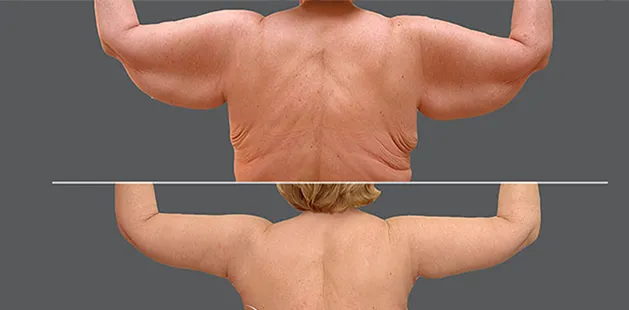
If your changes come from major weight loss, you may be looking at an extended tummy tuck, a circumferential procedure, or a lower body lift — a bigger conversation, and one worth having in person.
And if you’ve read about Renuvion as a way to avoid surgery: for loose skin that has kept its youthful elasticity, it can be a genuine enhancement. For skin that’s been truly stretched — or where stretch marks are visible — surgical removal still gives the better result.