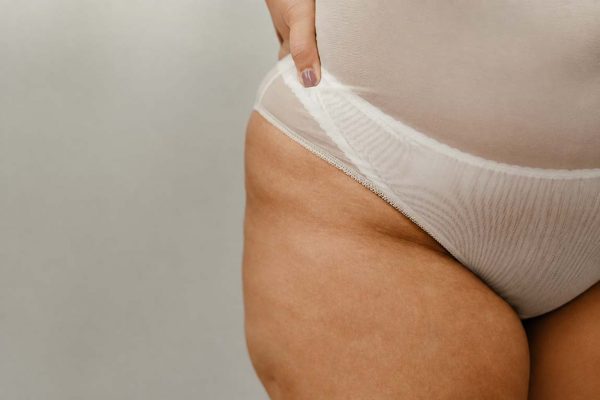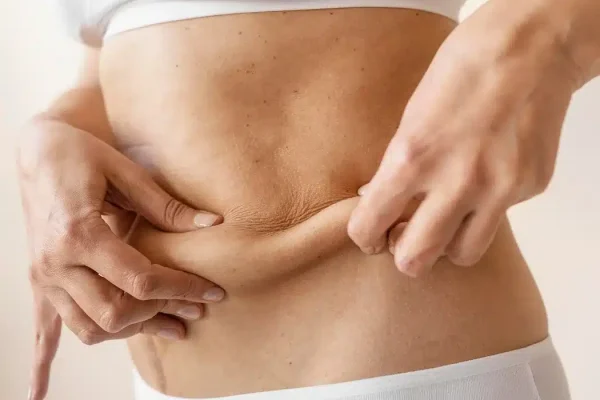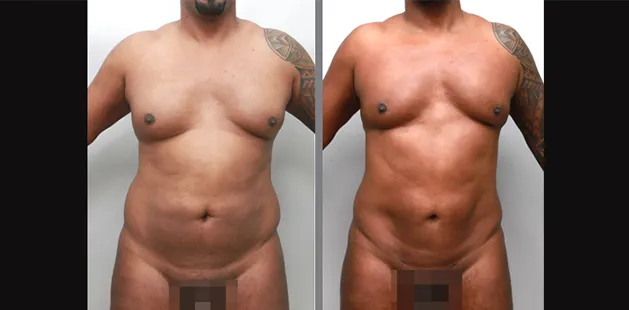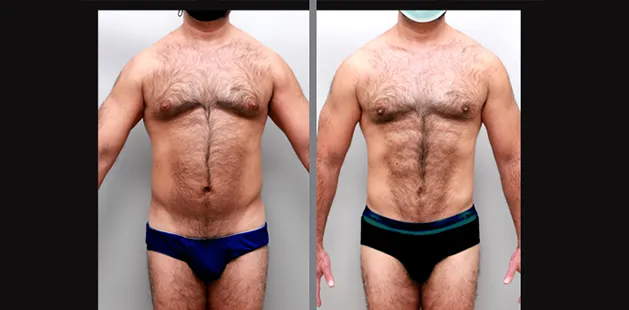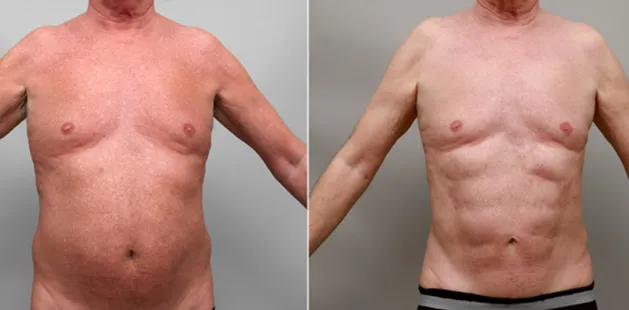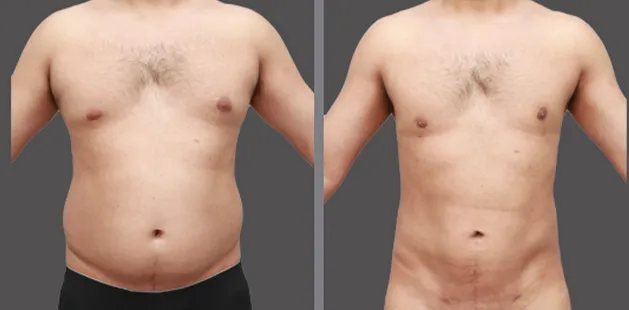
If you’re considering a tummy tuck in Charlotte, NC, you’re not alone. Abdominoplasty remains one of the most popular body contouring procedures for individuals looking to remove excess skin, tighten weakened abdominal muscles, and restore a flatter, more toned midsection. Whether you’re addressing changes after pregnancy, significant weight loss, or the natural effects of aging, understanding your options and knowing what to expect can help you make a confident, informed decision.
“Most women I see fall into one of a few patterns. Find yourself below — it will tell you a great deal about which approach is likely right for you.” Dr. Jeffrey Ditesheim MD, FACS
Which Describes You?
1. After Pregnancy
Your children stretched your skin and separated your abdominal muscles (diastasis recti). No amount of core work re-closes that gap, because it is a structural separation, not a fitness problem. A full tummy tuck repairs the muscle wall and removes the loose skin below the belly button.
2. After Major Weight Loss
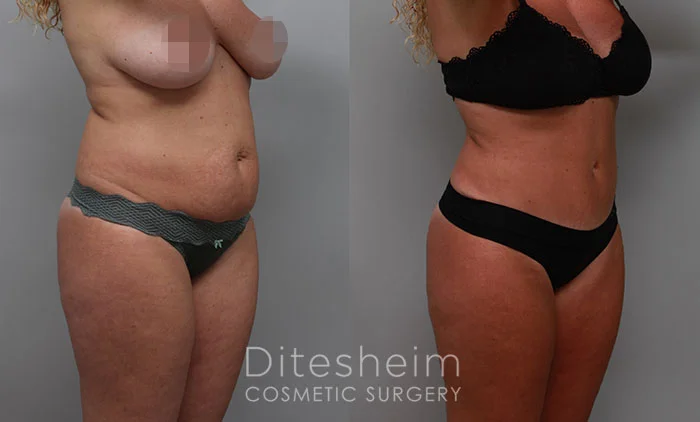
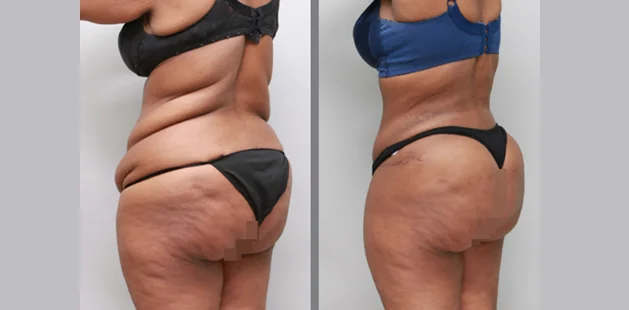
You did the hard part. What is left is loose, draped skin that can cause rashes, chafing, and clothing frustration. You may be a candidate for a standard or extended tummy tuck depending on how far the laxity wraps around your sides.
3. The Stubborn Lower Pooch
You are fit, but a small shelf of skin and a slightly rounded lower belly will not go away — often with a longer torso, where stretching is limited to the lower tummy. This is the pattern where a mini-tuck is sometimes the right, anatomy-matched choice.
4. Strong Core That Still Bulges (Twins / Triplets)
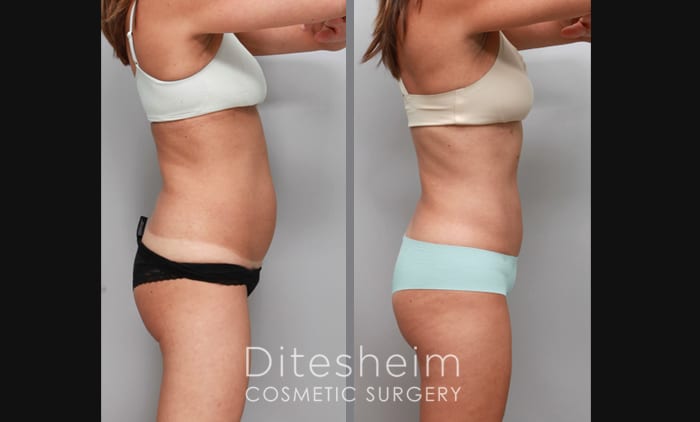
You may be fit and strong, yet your tummy still looks round and full — the classic result after twins or triplets, where the muscle wall was stretched so far it cannot recover on its own. A tummy tuck repairs that separation from the inside out.
Why Not Just Liposuction?
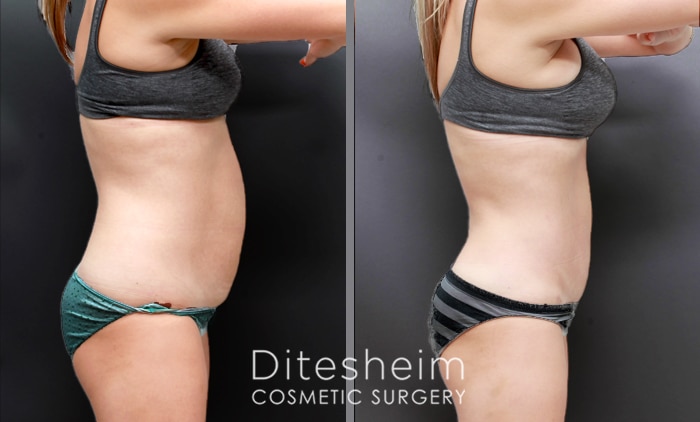
This is the question I answer in virtually every consultation. Liposuction removes fat — but it does nothing for stretched skin that has lost its elasticity, and nothing for a separated muscle wall. Think of a pillow that has lost its stuffing: taking out more stuffing doesn’t fix the empty, draped cover. Stretched skin behaves the same way. A tummy tuck is not about removing fat — it is about restoring beautiful shape. That is a judgment an experienced surgeon makes with an aesthetic eye; it is not something a machine or a single technique decides. The right procedure is the one that matches your anatomy, not simply the smallest or the trendiest one.
Tummy Tuck Variations
Mini Tummy Tuck
A mini-tuck removes a smaller amount of stretched skin below the belly button only, through a shorter incision. It does not tighten the deeper muscle layer and does not change the skin above the belly button or the belly button itself. It is genuinely the better choice — but only for the right body type: a woman with a long torso whose stretched skin is limited to the lower tummy. It is not a “safer shortcut” to the same result a full tummy tuck gives.
The Drainless Tummy Tuck — and Why It Hurts Less
In the past, lifting the abdominal skin off the muscle left a large open space inside, which the body naturally filled with fluid — meaning drains that often stayed in for three weeks or more. Well-designed studies have since shown a better way for many patients. Using a technique called Progressive Tension Sutures (PTS), the lifted abdominal layer is tacked back down in stages, closing that space as we go. The result is that drains may not be needed at all, or can come out in just a few days — with noticeably less postoperative pain.
Tummy Tuck 360 vs. Circumferential Tummy Tuck — Not the Same Thing
These two terms are constantly confused, so let me be clear. A circumferential tummy tuck removes skin all the way around the body — tummy, lateral thighs, and buttocks — almost always after major weight loss.
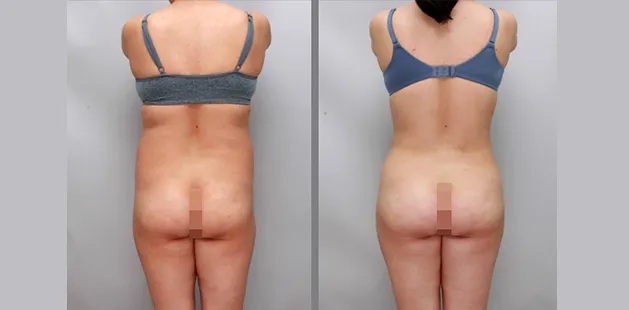
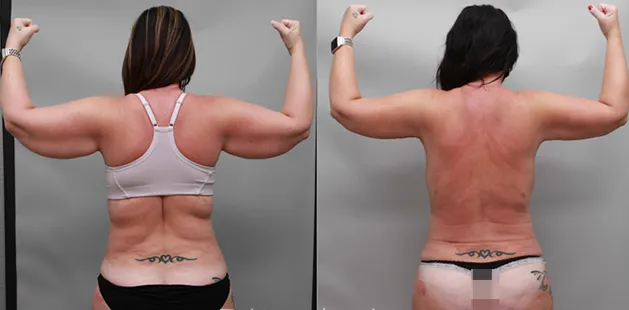
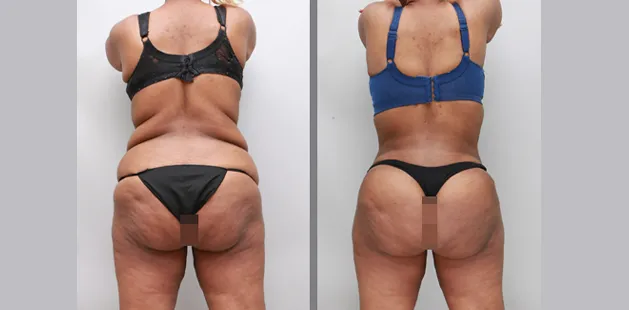
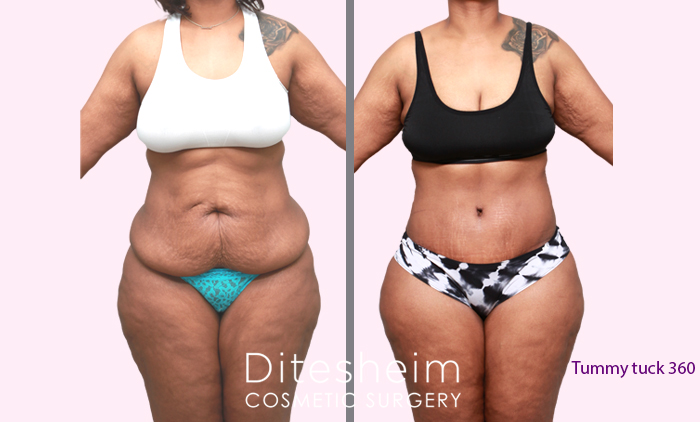
A Tummy Tuck 360 is different: it is body sculpting for women who have not had major weight loss but want their shape refined with liposuction at the same time as their tummy tuck. Liposuction reduces fullness in the upper-back bra-line, the waist and lower back, the inner or outer thighs, and often the pubic mound. To reach all of it, you are treated both face-down and face-up so the body can be sculpted a full 360 degrees — and fat removed during liposuction can even be used to add volume where you want it, such as the buttocks or breasts.
Where You Have Your Surgery Is a Safety Decision
If you take one thing from this page, let it be this: a tummy tuck should be performed in an accredited operating room equipped for general anesthesia. This is the single most important safety factor in the entire decision, and it is worth understanding why.
A full tummy tuck is most often a three-to-four-hour procedure. The most serious risks come from over-tightening the inner abdominal wall, which can raise internal pressure and affect breathing, and from blood clots. Managing those risks safely requires a properly equipped operating room and a dedicated anesthesia provider monitoring you throughout — the same way you would never want a pilot who is also serving the drinks. “Awake” surgery in an unaccredited setting is not safer; for a procedure of this scope, real safety comes from the surgeon’s judgment and the environment the surgery is performed in.
Before choosing any surgeon, confirm four things: that they are a board-certified plastic surgeon, that the surgery is performed in an accredited operating room, that general anesthesia is available, and that a dedicated anesthesia provider monitors you throughout.
Ditesheim Cosmetic Surgery is proud to operate in a QUAD A (American Association for Accreditation of Ambulatory Surgery Facilities) accredited surgical facility in Charlotte, NC. This prestigious accreditation reflects our commitment to maintaining the highest standards of patient safety, surgical excellence, and quality care. QUAD A accreditation requires rigorous evaluations of facility protocols, equipment, staff qualifications, and patient outcomes. Patients can feel confident knowing their procedures are performed in a facility that meets nationally recognized standards for safety and excellence.
Why Choose Dr. Ditesheim
Choosing a surgeon for your body requires confidence in skill, judgment, and a commitment to your safety. Over 30 years and more than 5,000 surgeries, Dr. Ditesheim has combined deep surgical experience with an artistic eye — prioritizing honest communication, realistic expectations, and a plan built around your anatomy and your goals.
- ABPS Board-Certified Plastic Surgeon
- Fellow of the American College of Surgeons (FACS)
- 30 years of experience in cosmetic surgery
- Over 5,000 cosmetic surgeries completed
- Operates in an accredited surgical center
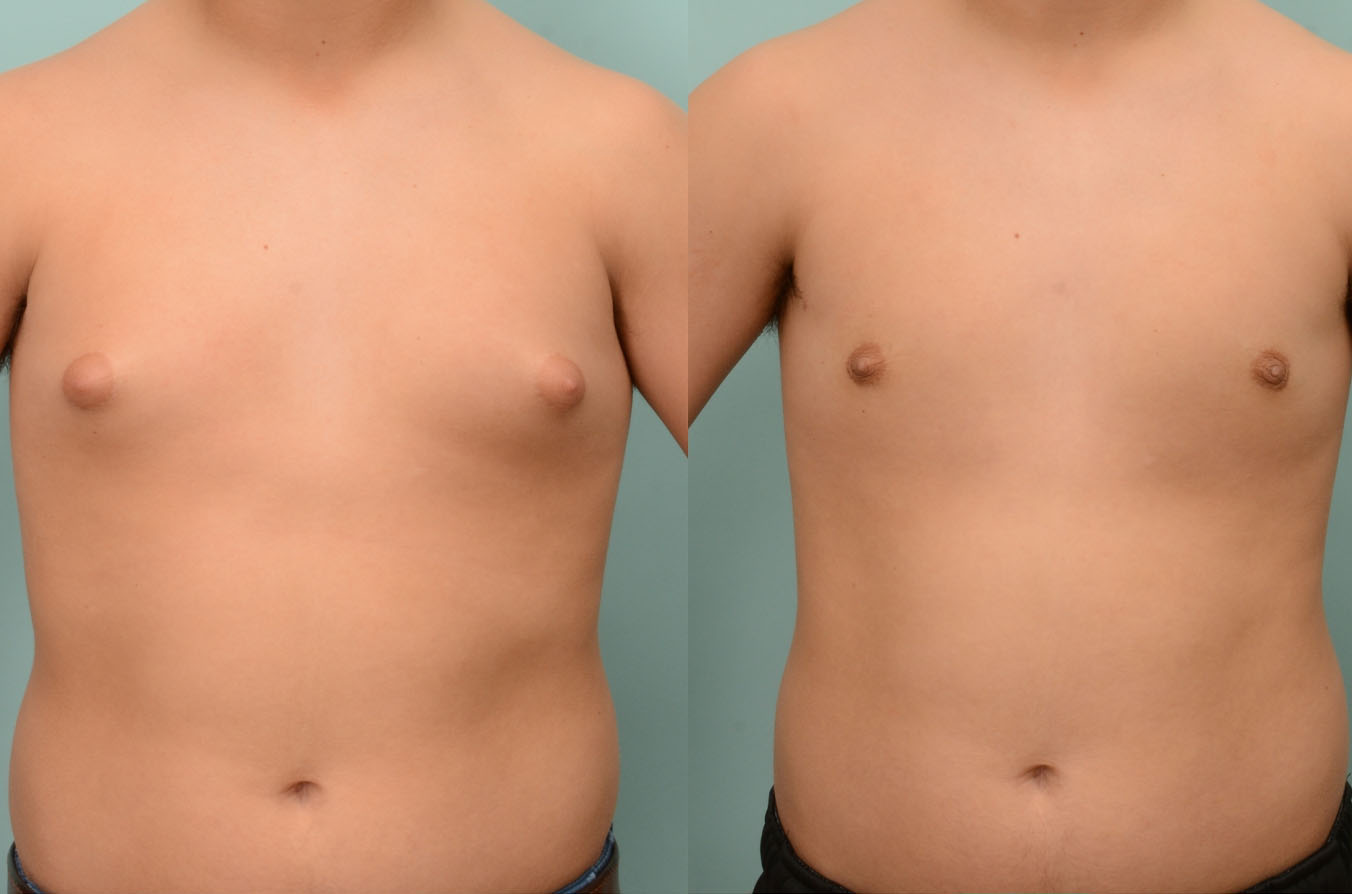
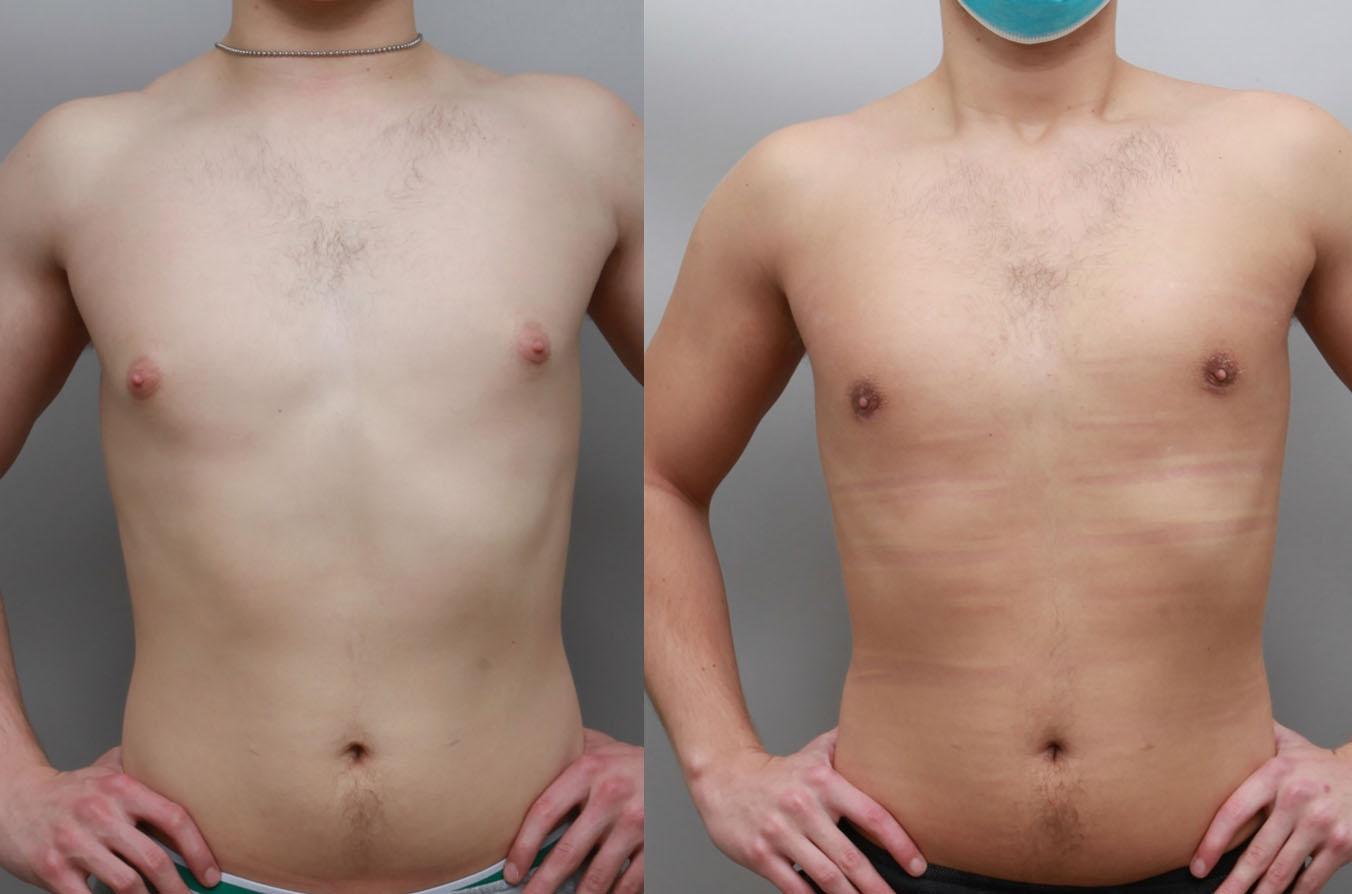
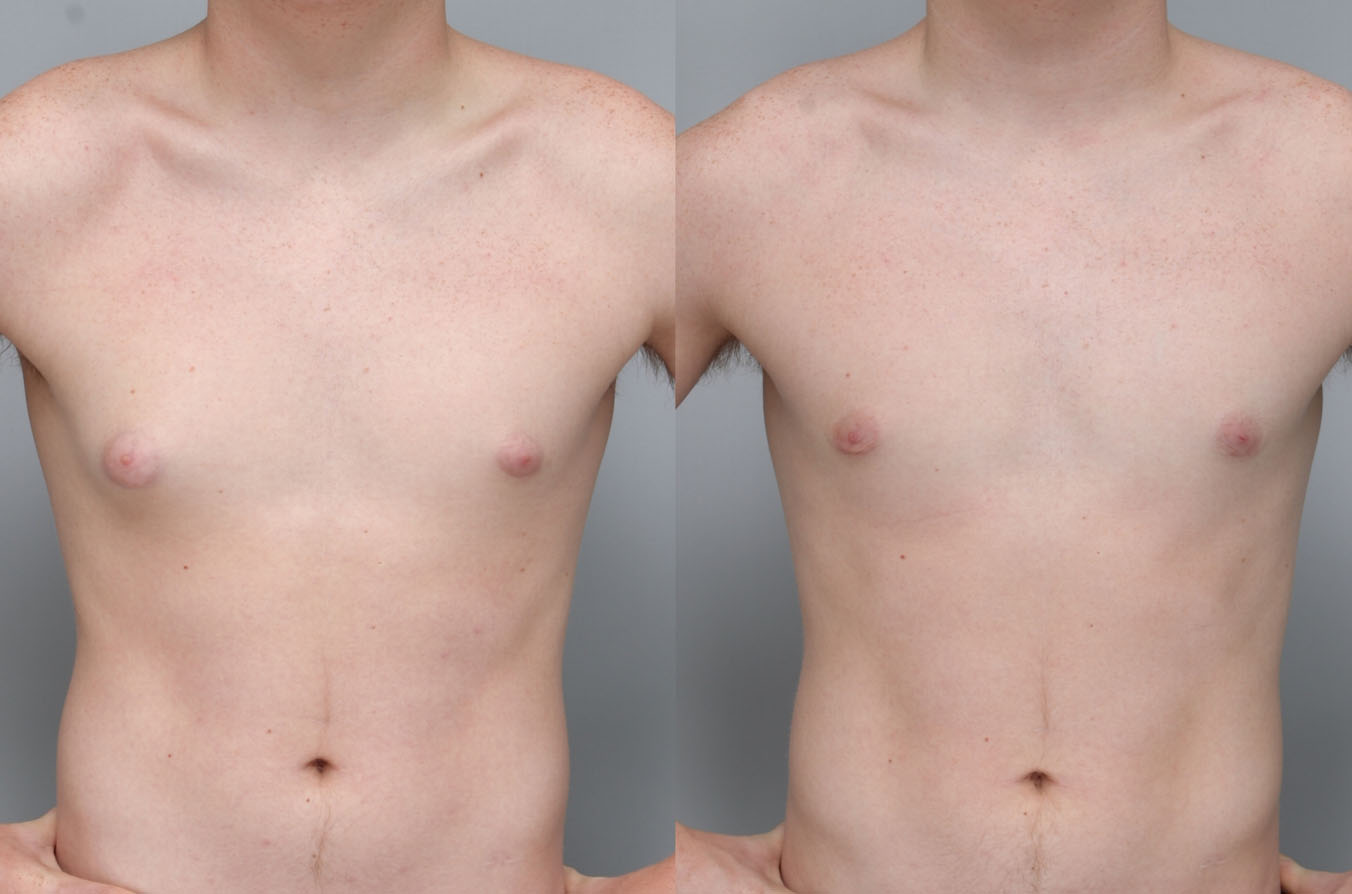
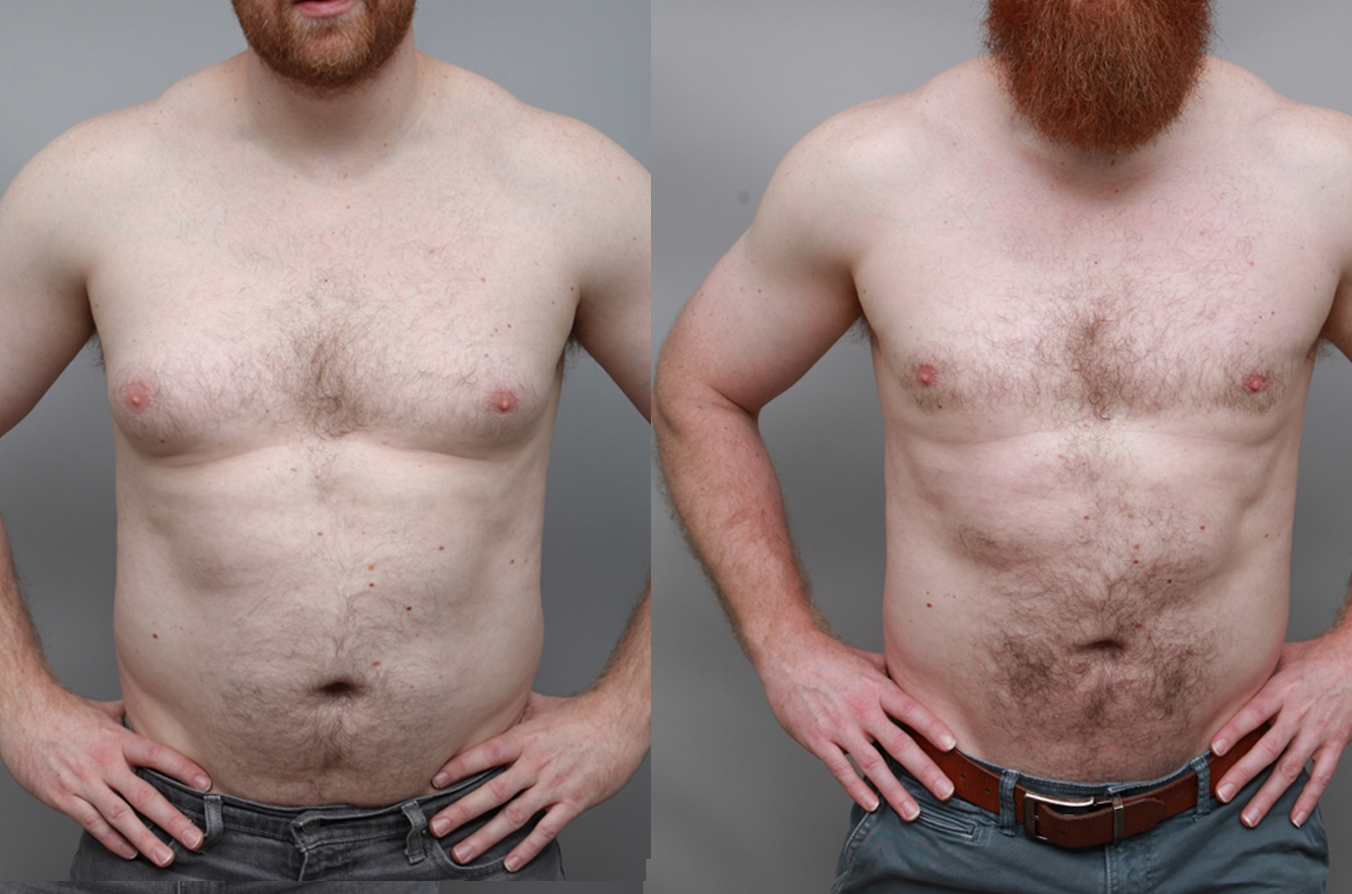
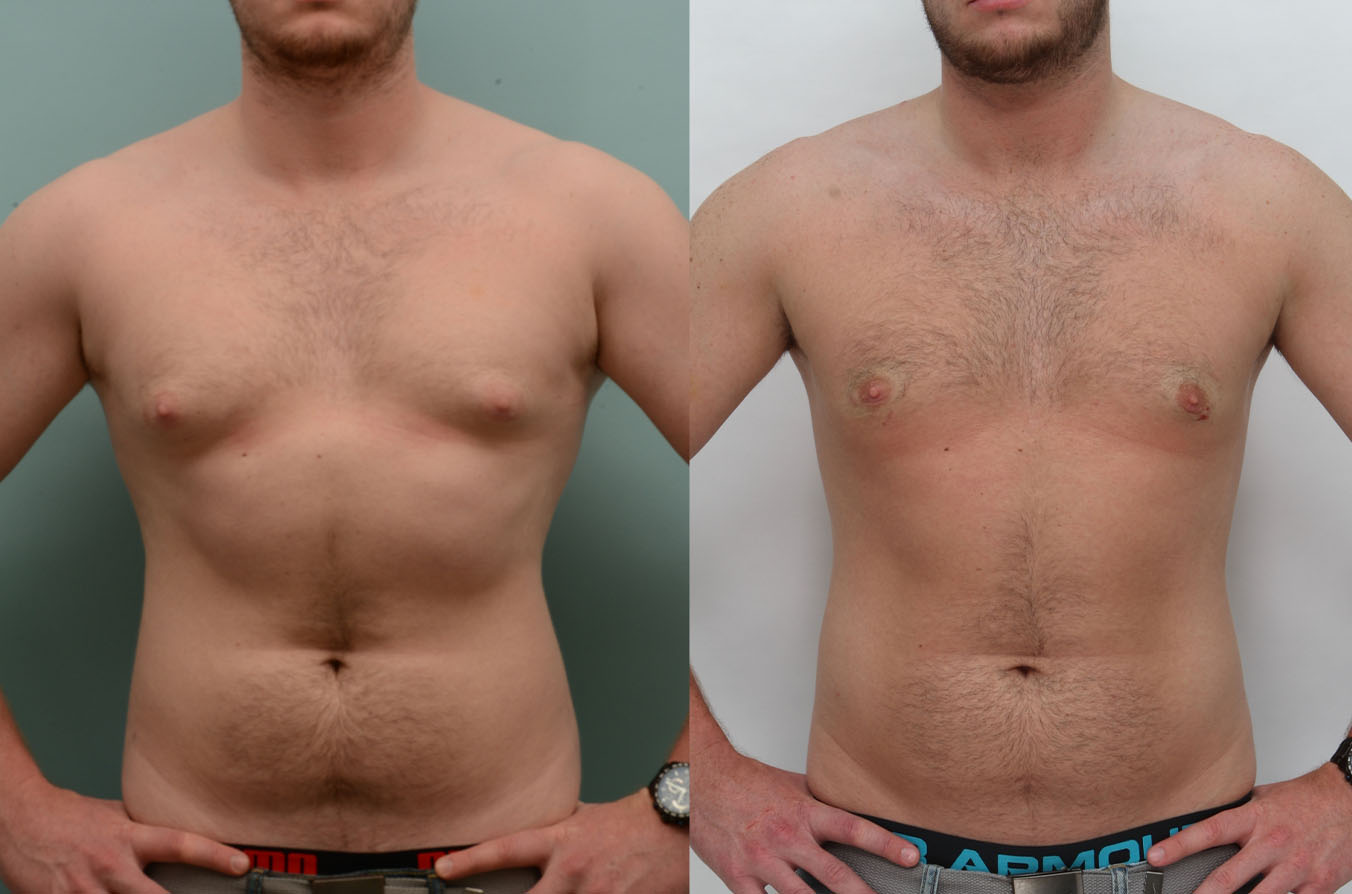
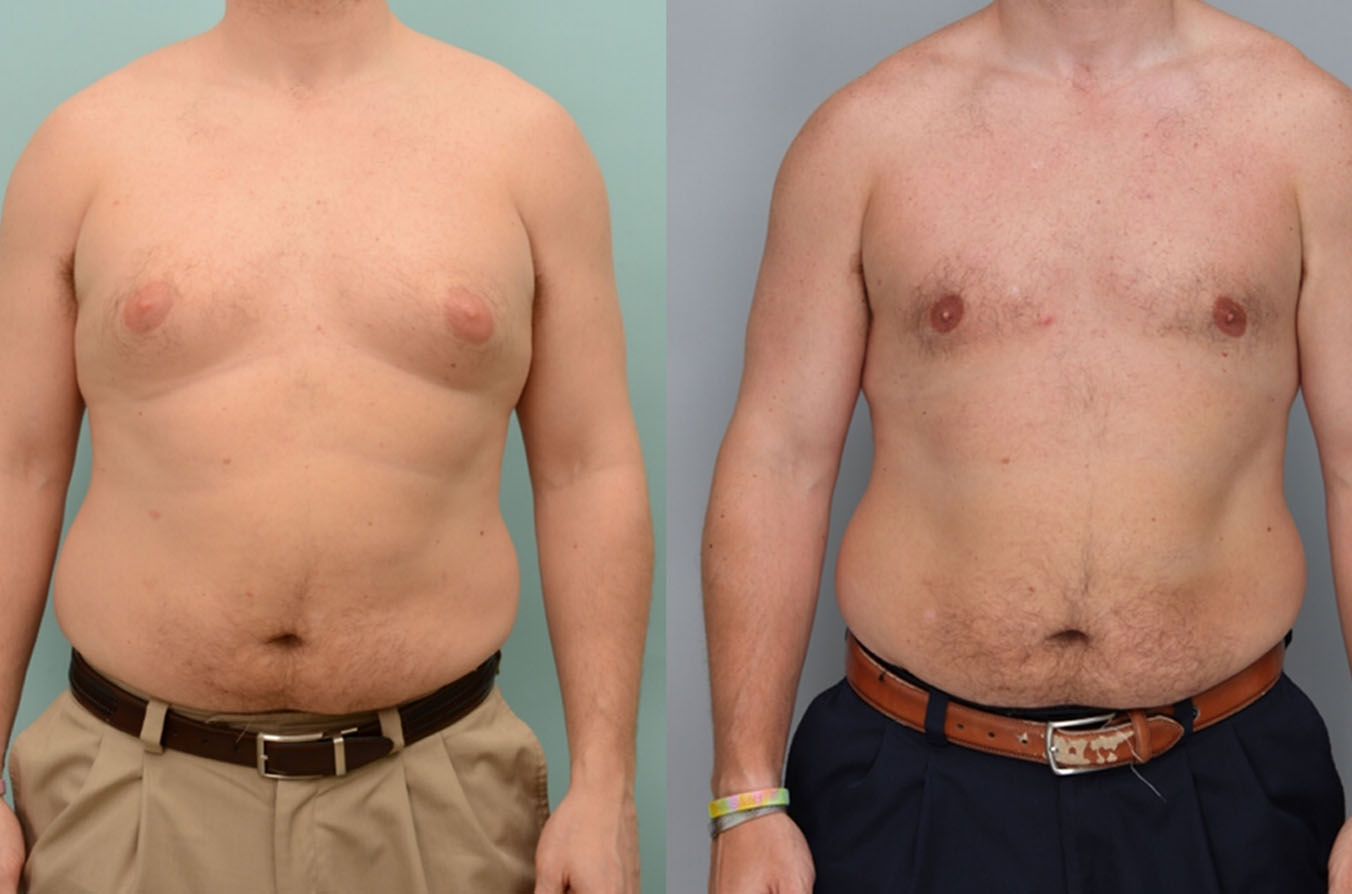
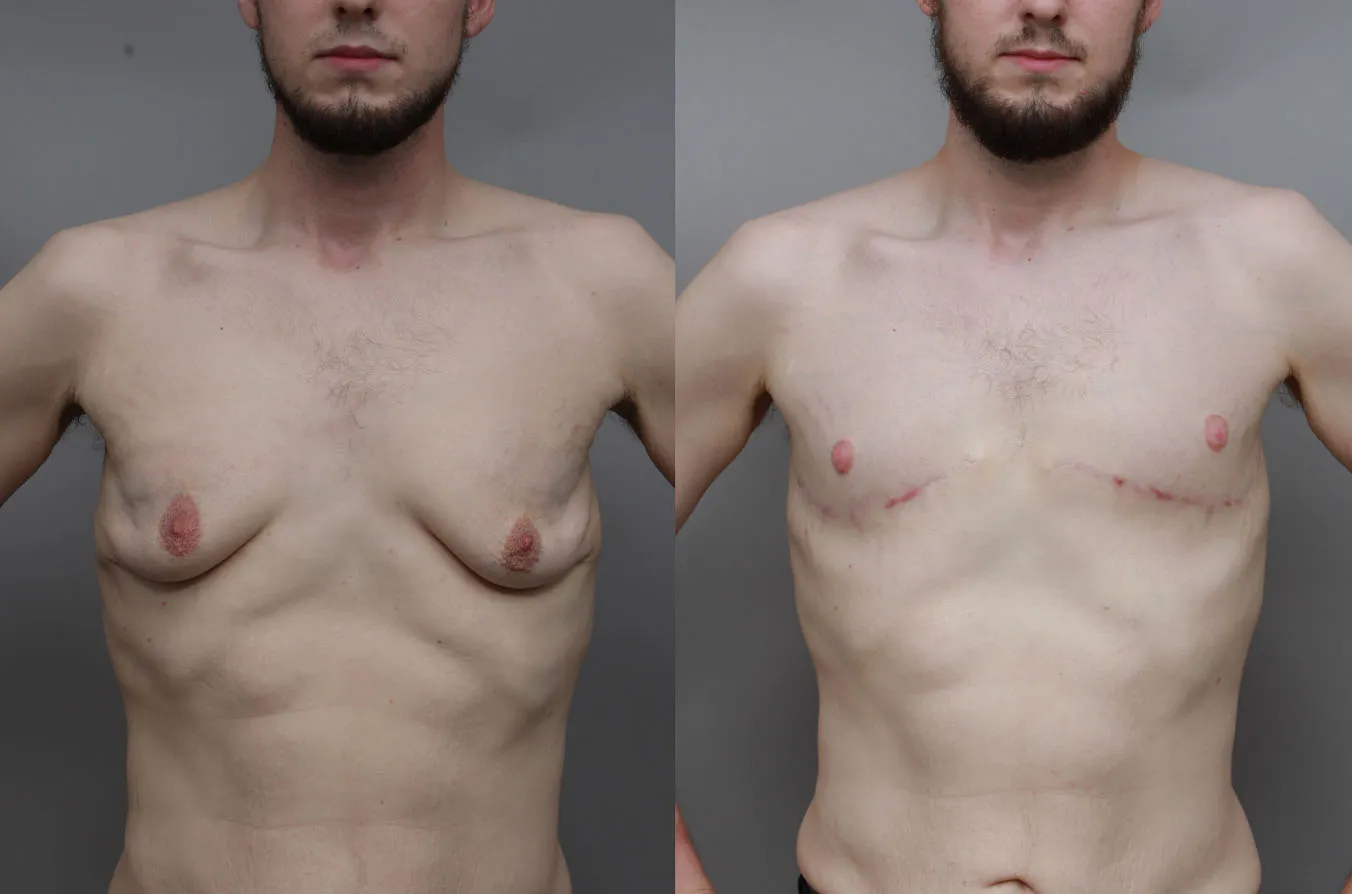
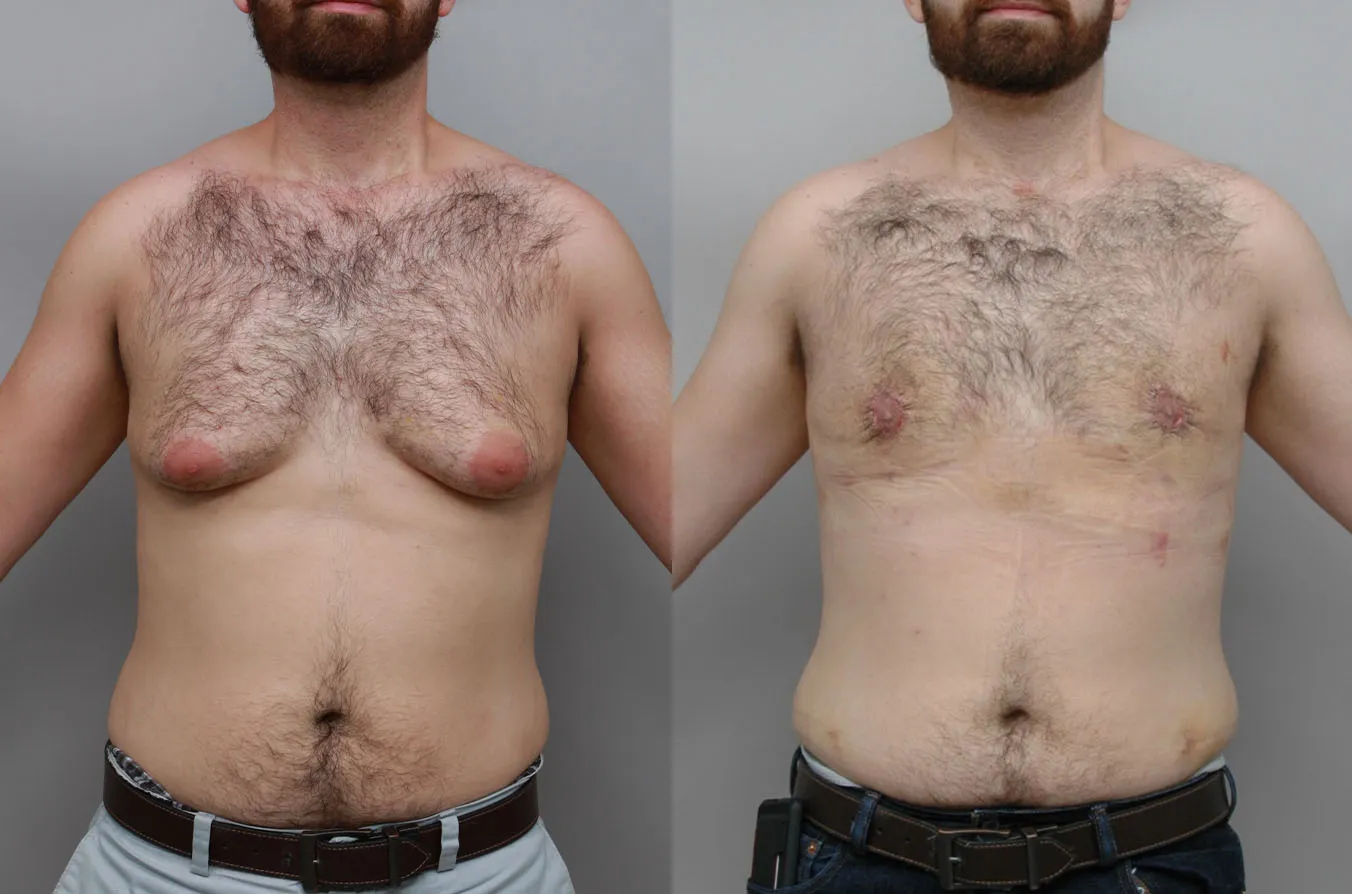
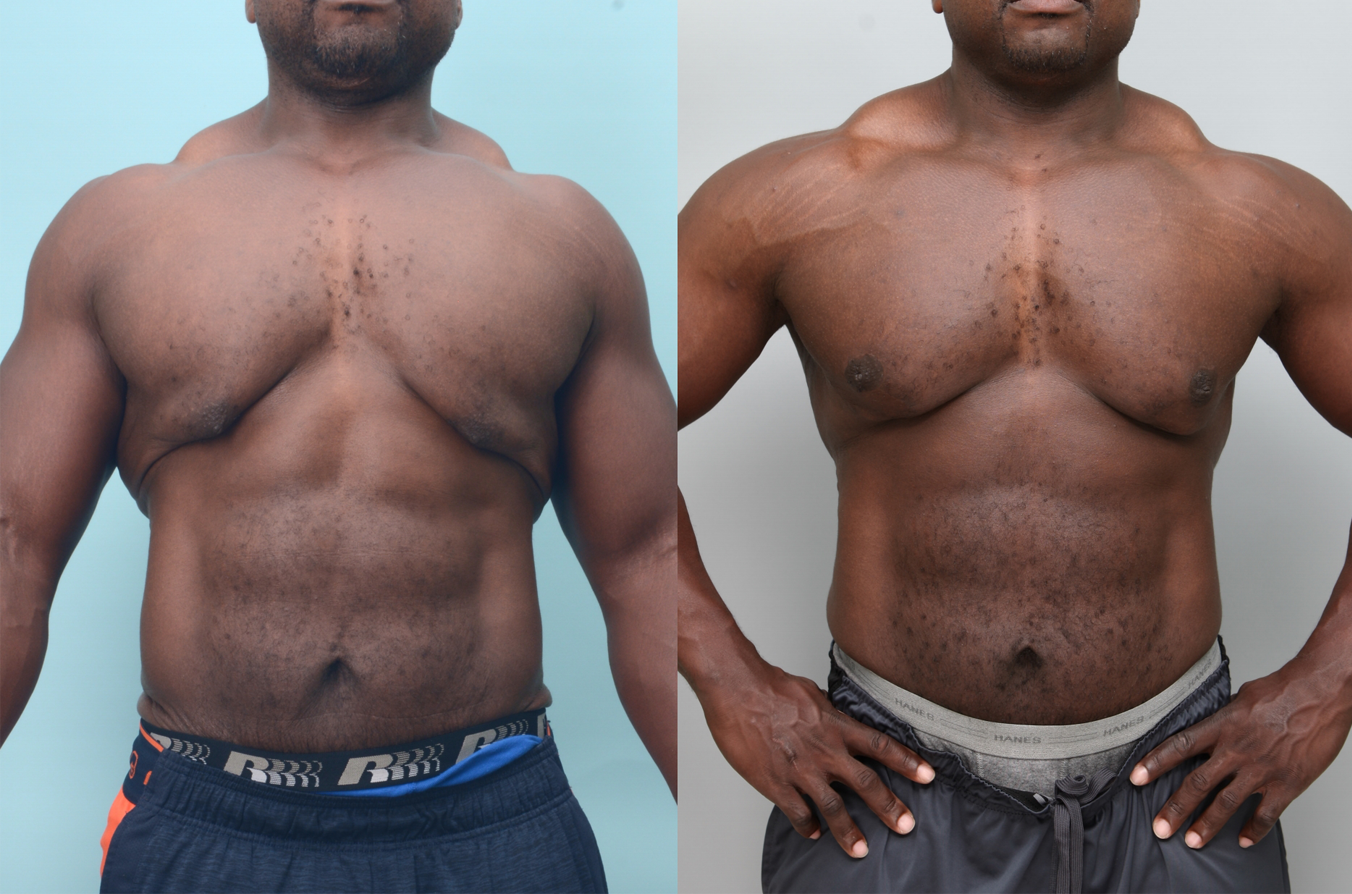
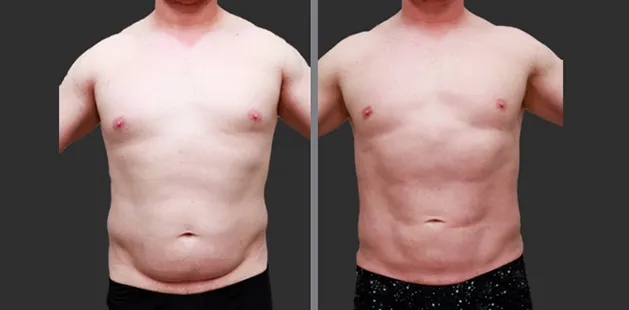
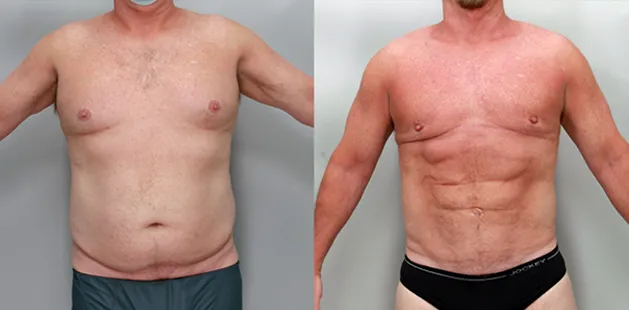
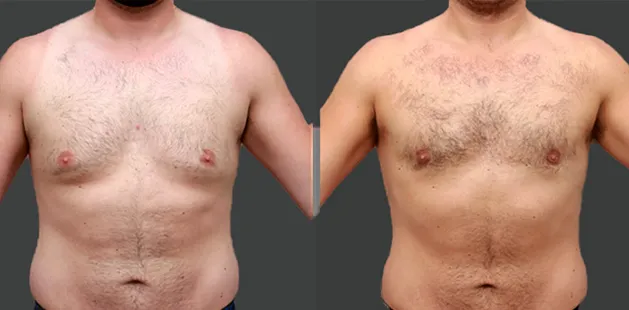
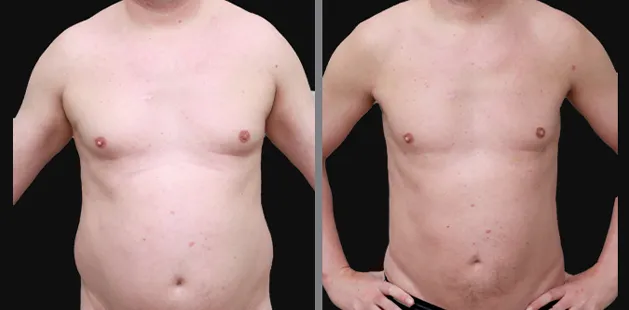
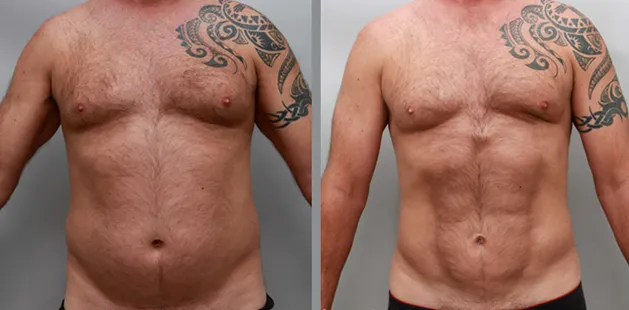
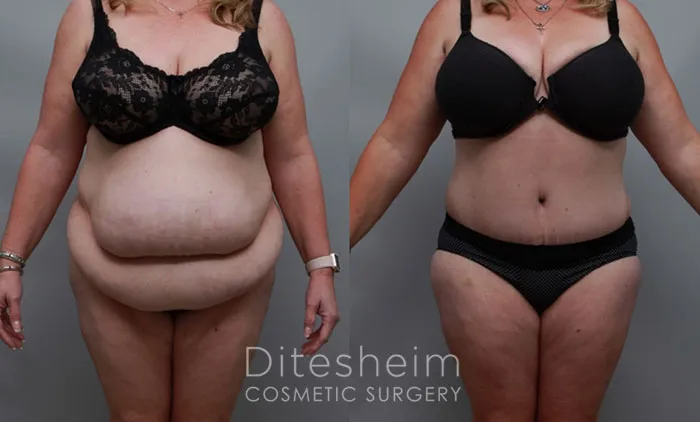
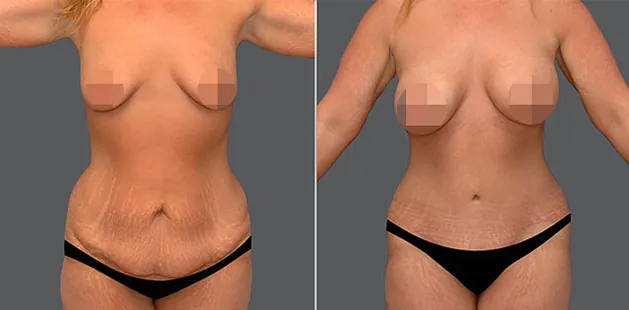
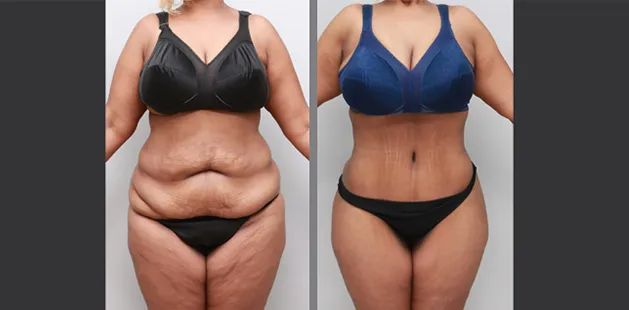
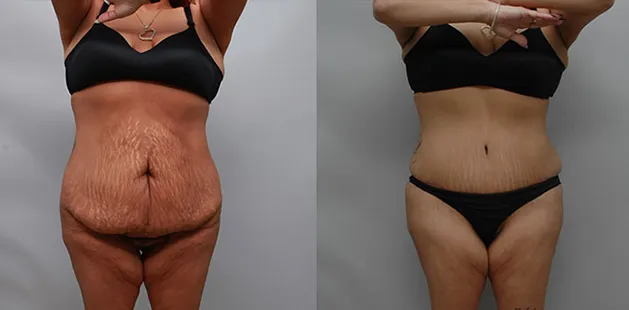
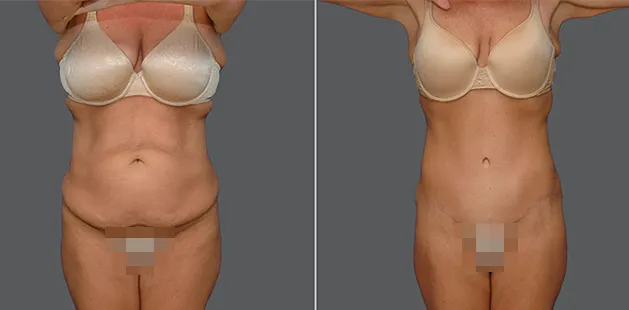
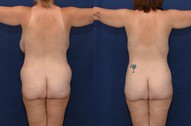
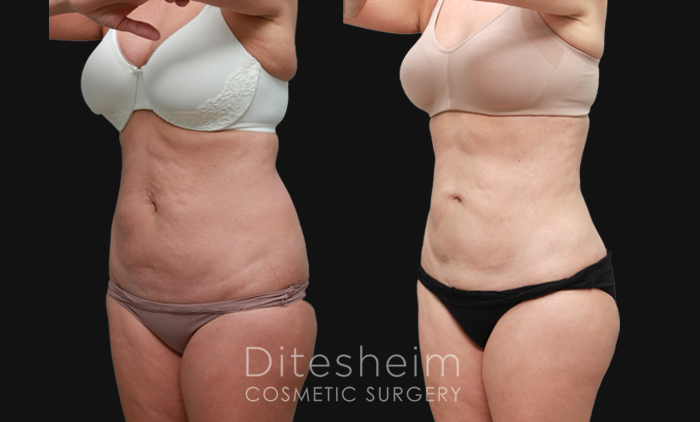
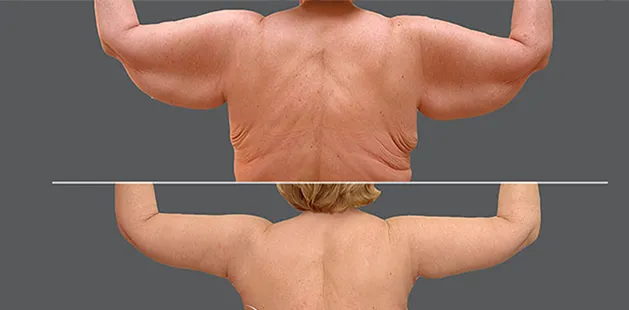
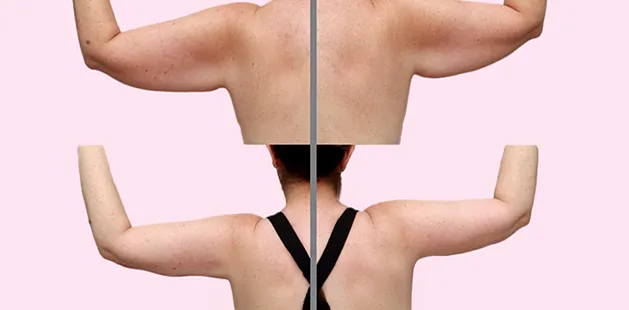
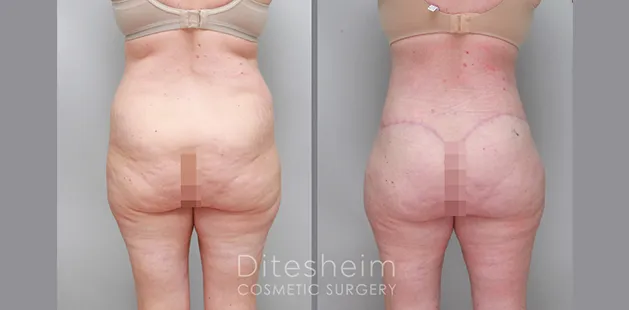
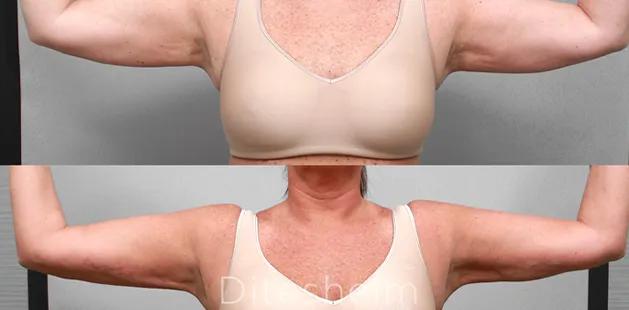
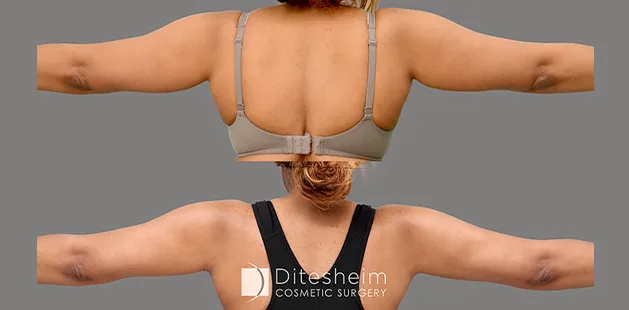
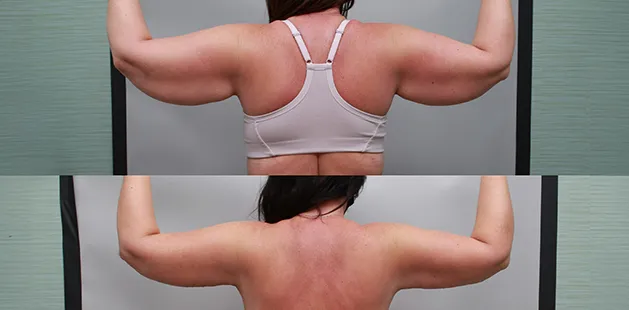
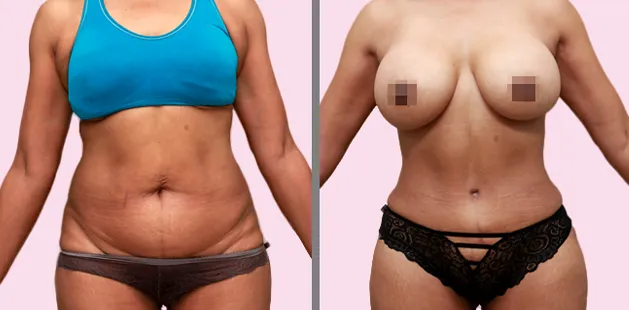
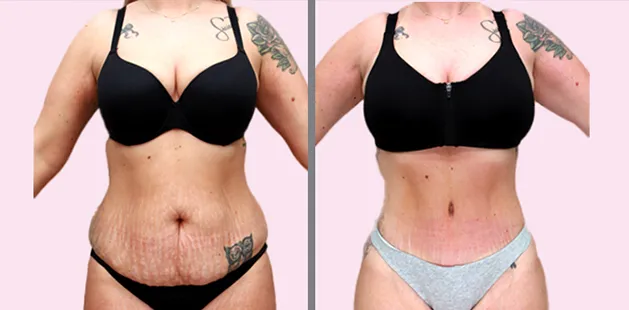
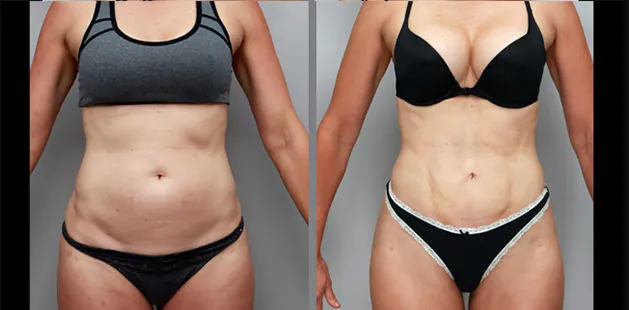
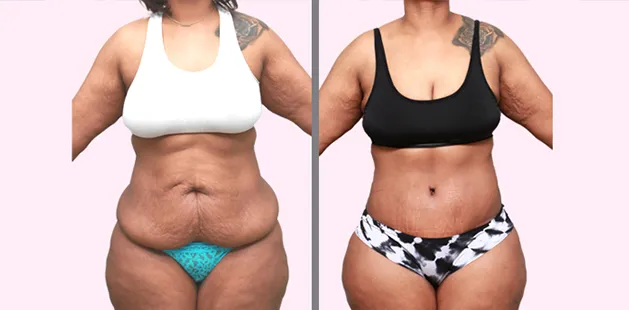
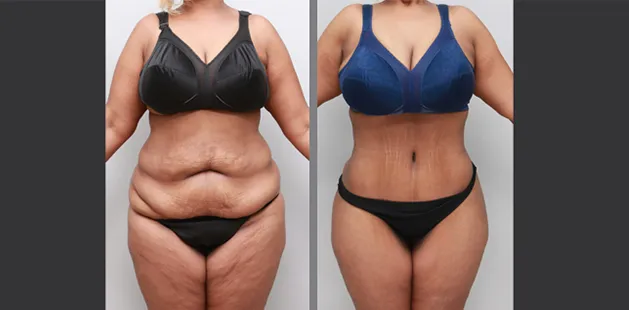
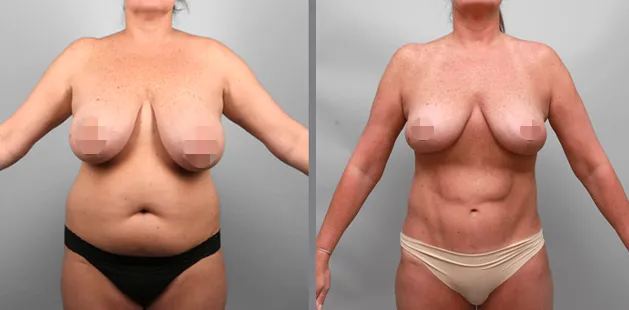
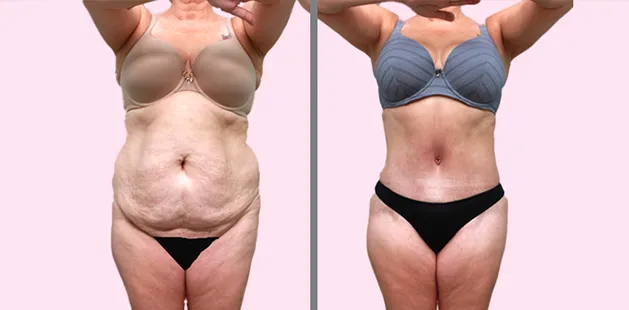
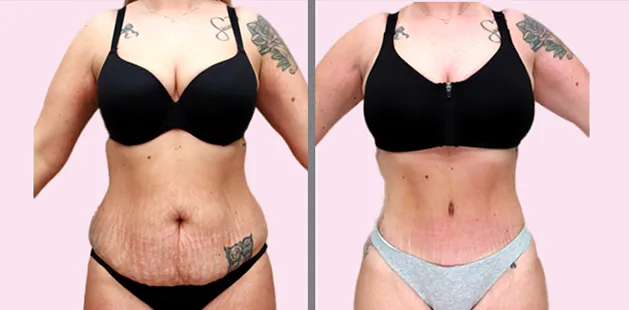
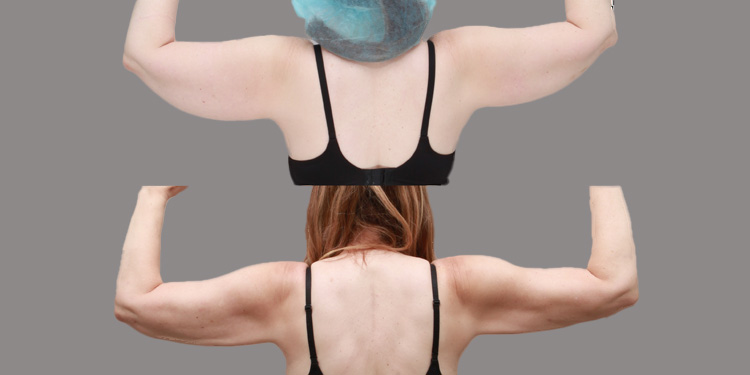
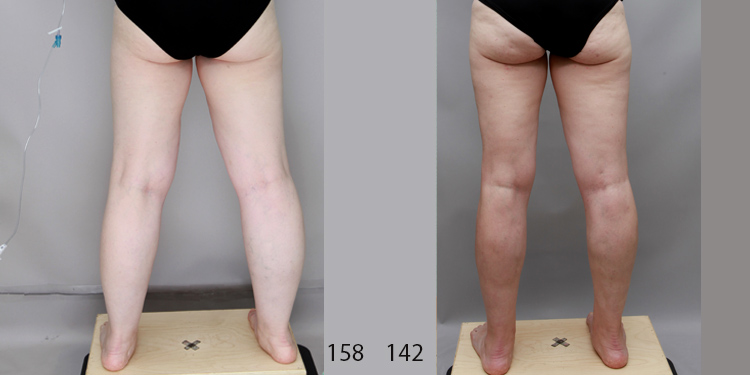
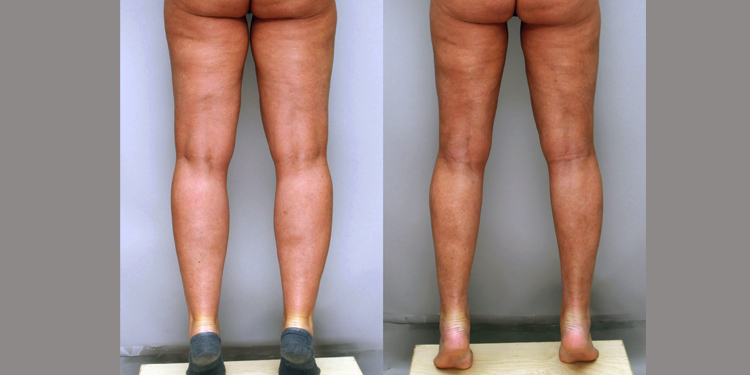
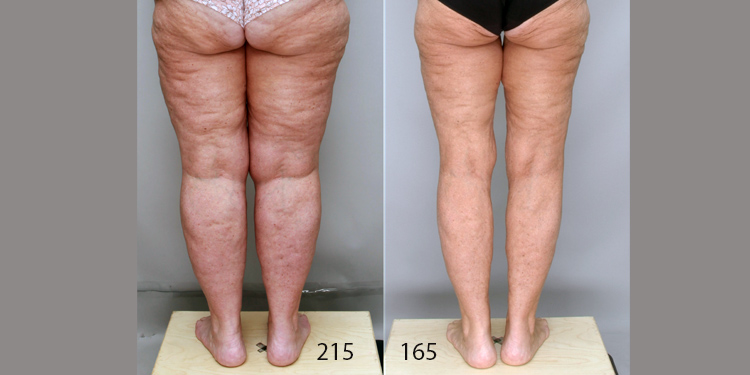
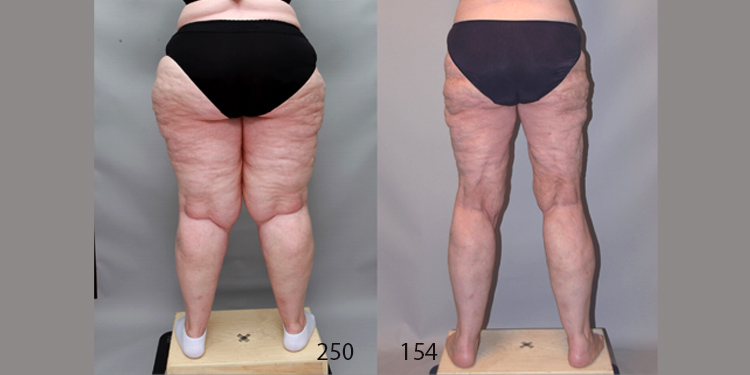
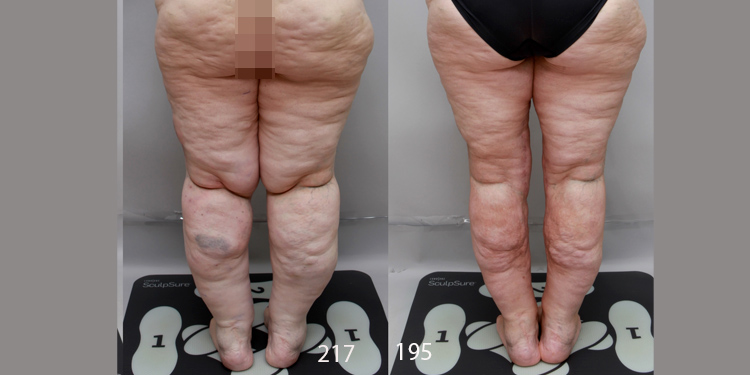
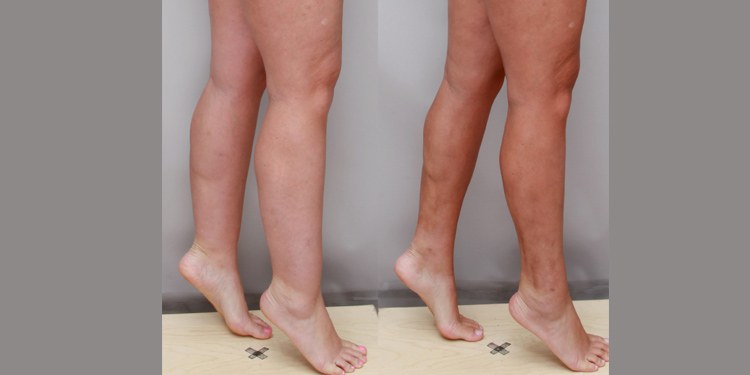
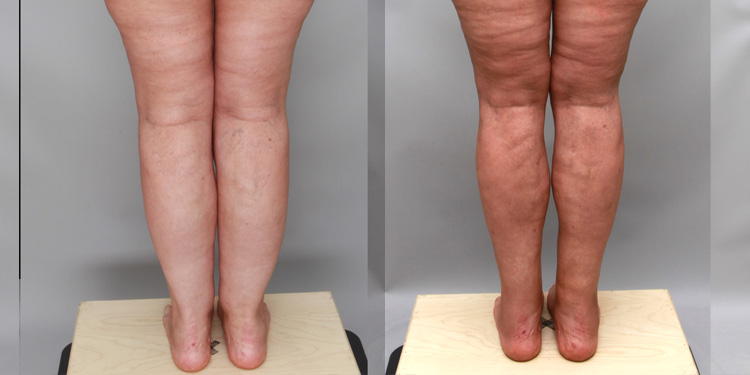
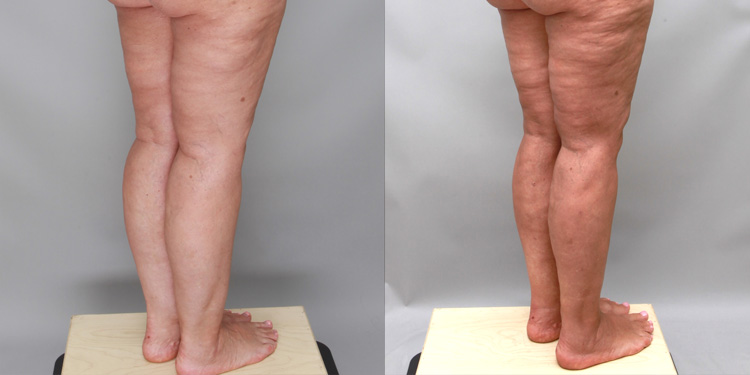
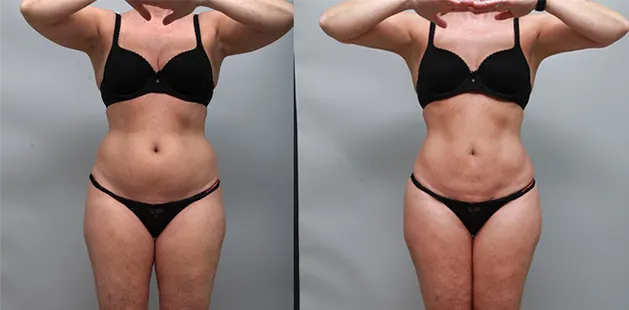
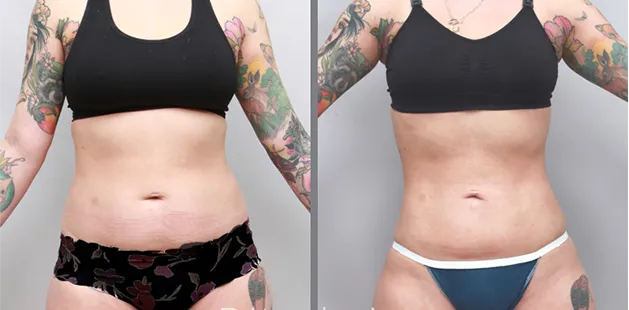
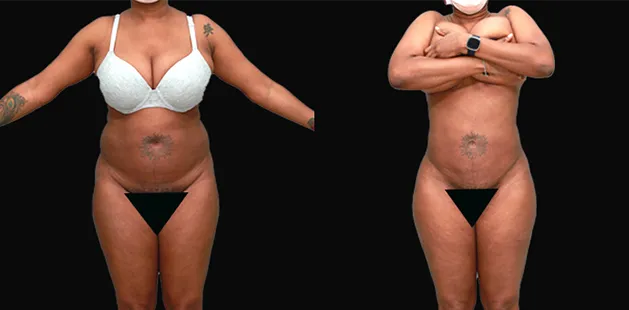
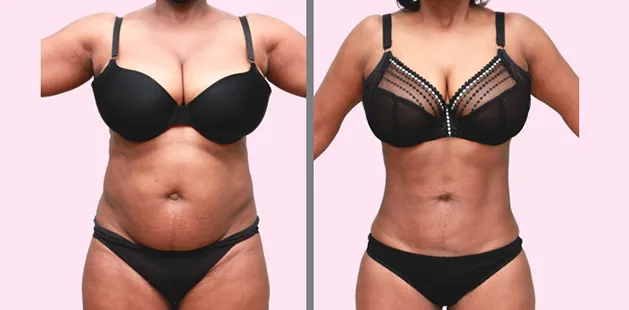
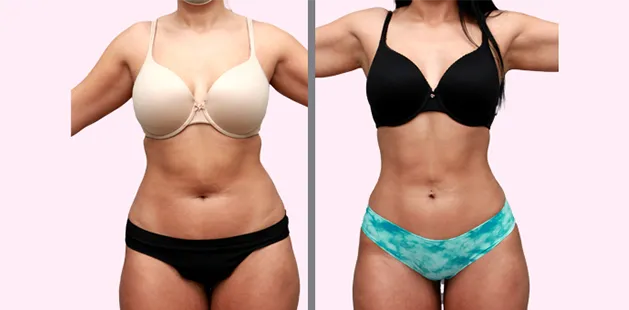
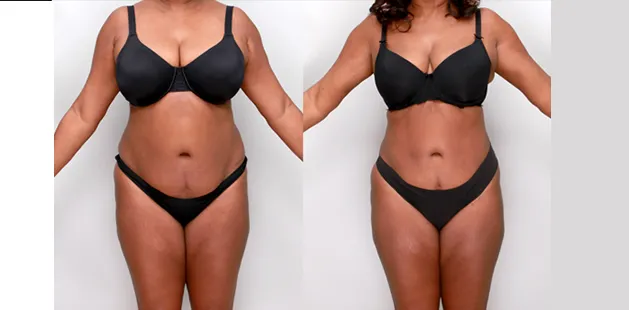
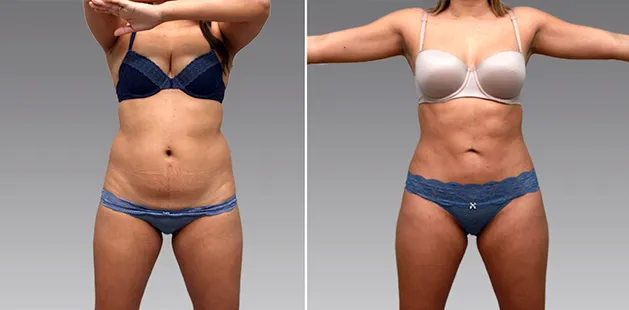
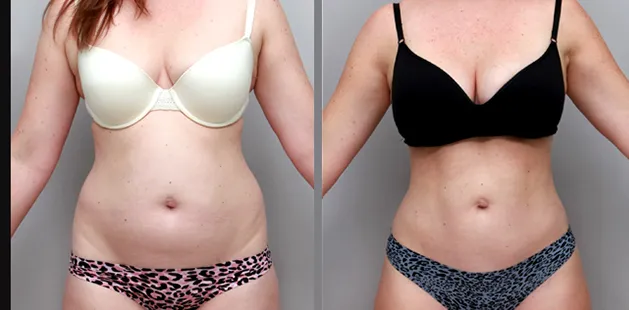
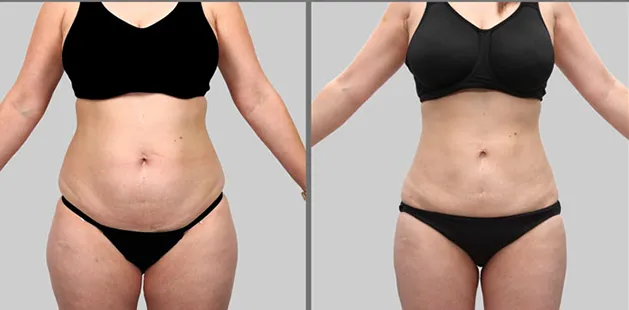
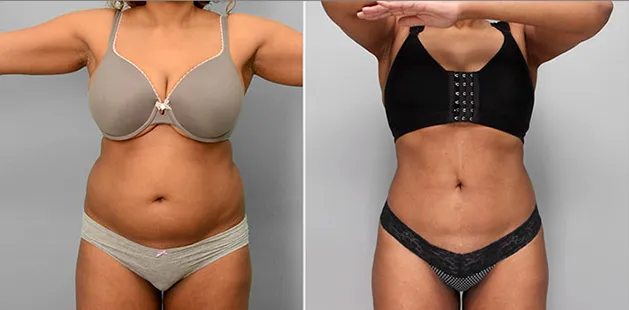
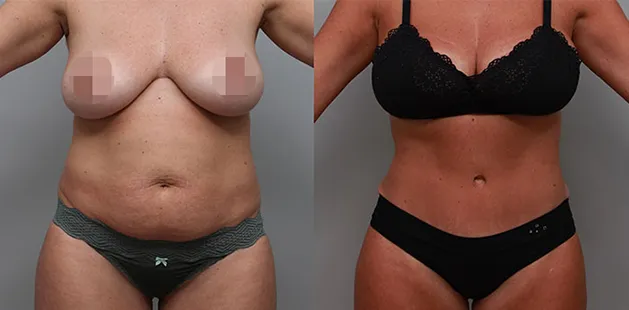
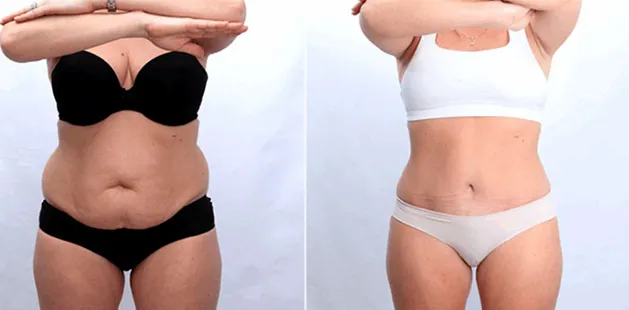
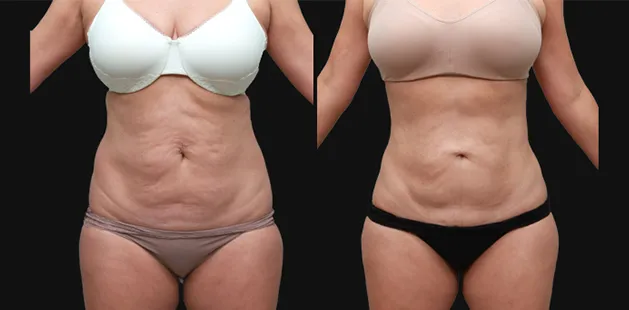
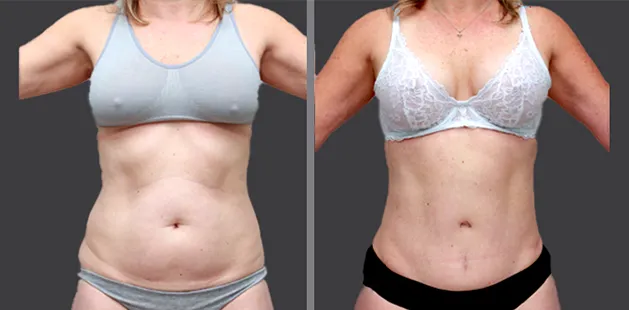
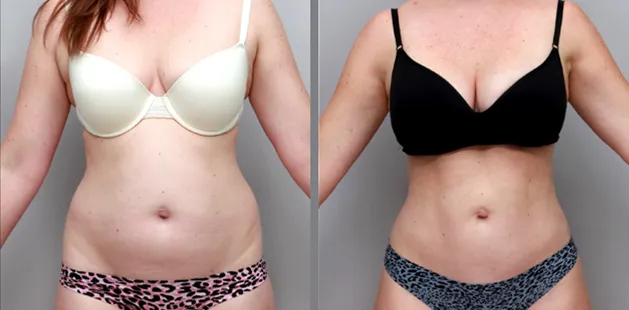
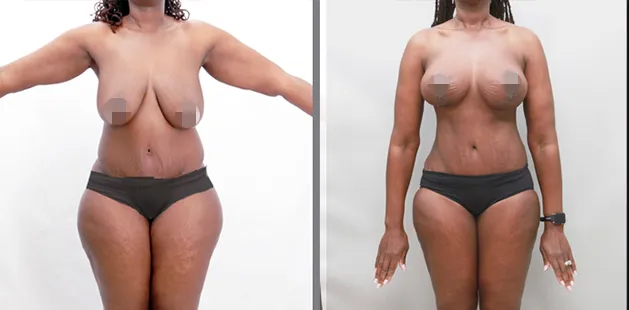
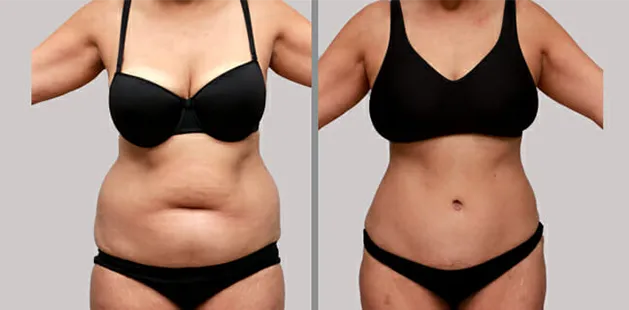
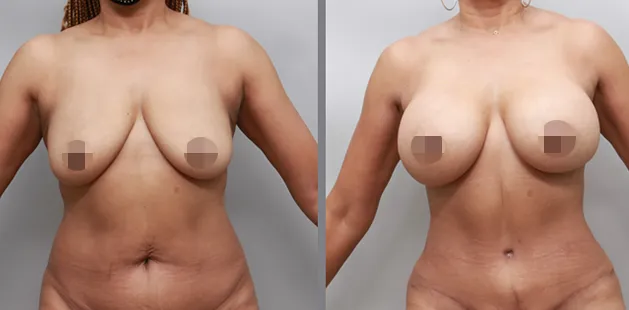
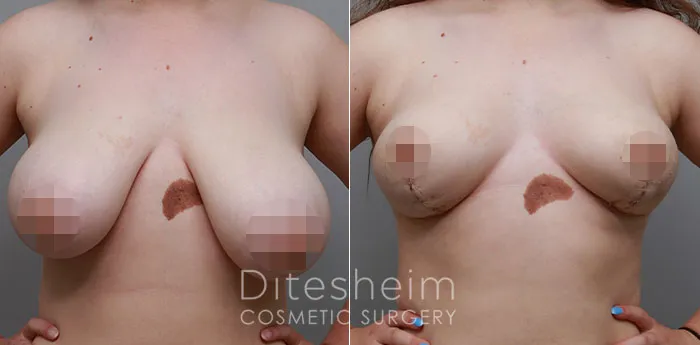
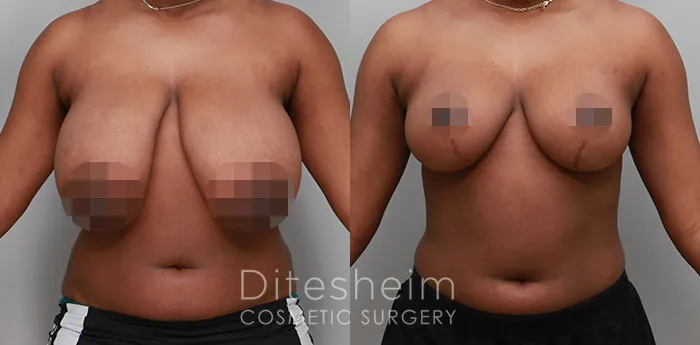
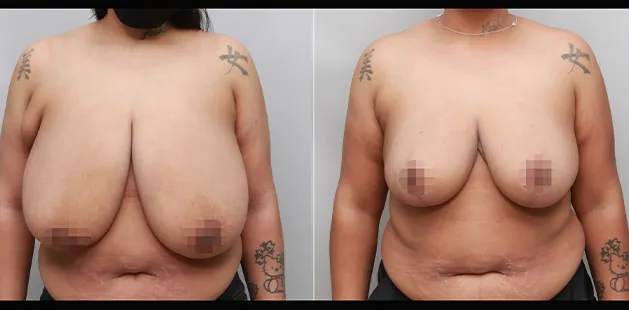
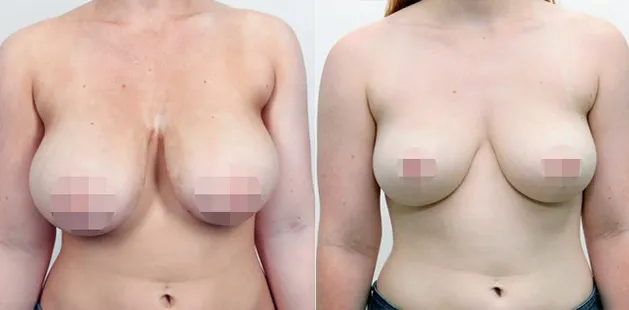
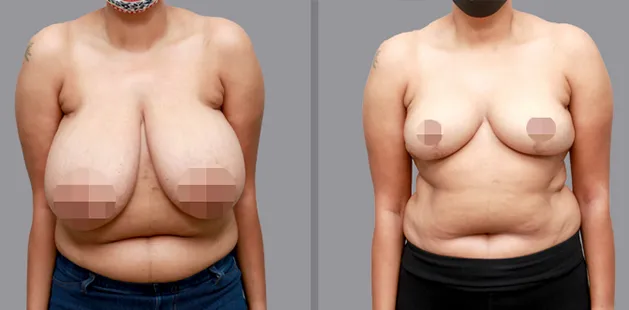
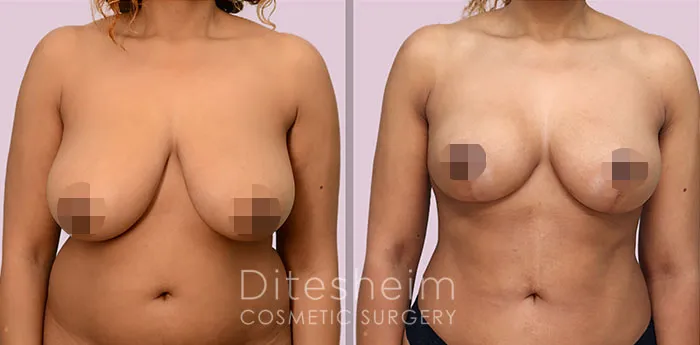
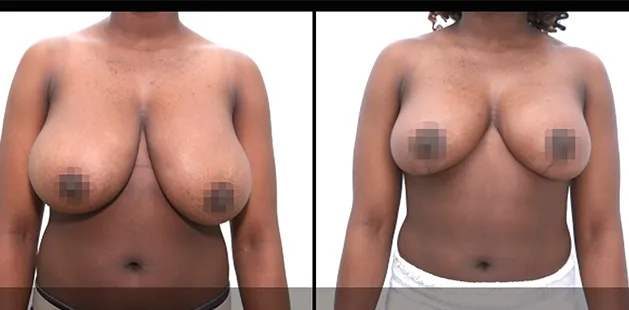
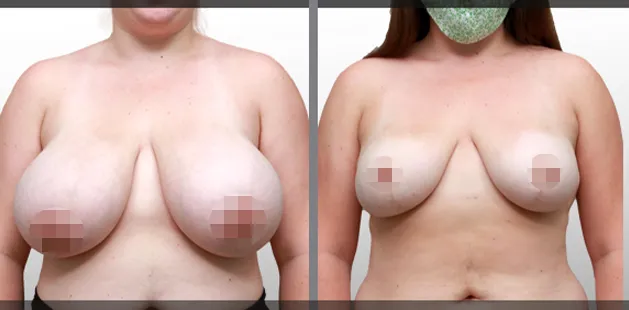
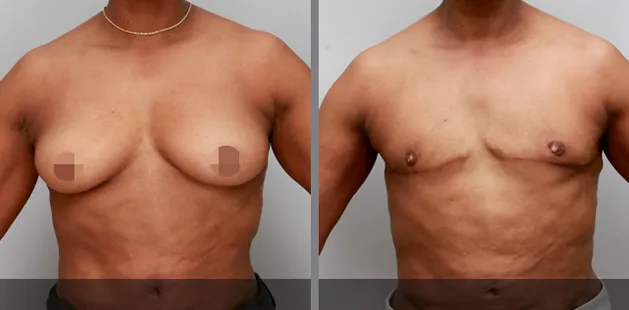
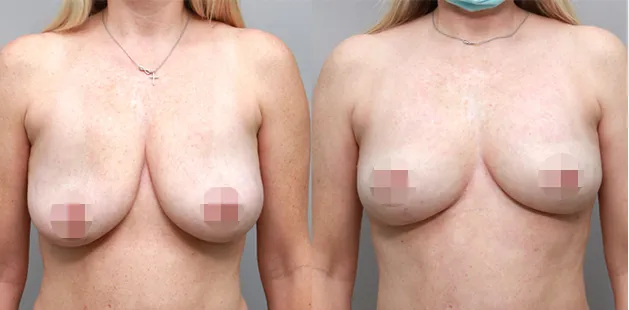
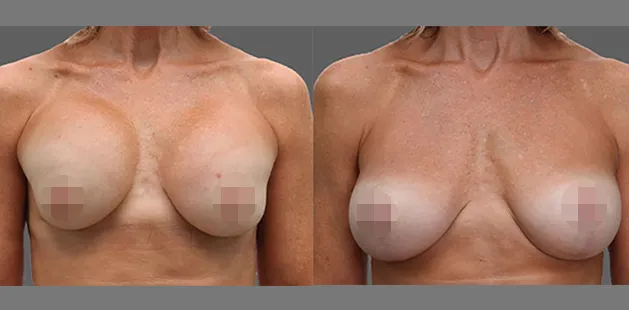
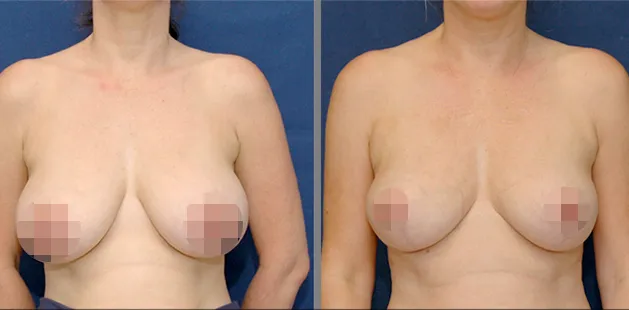
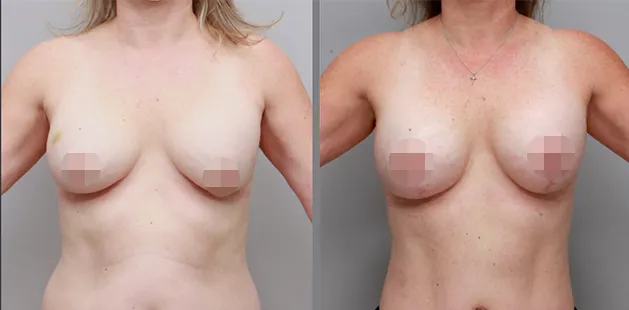
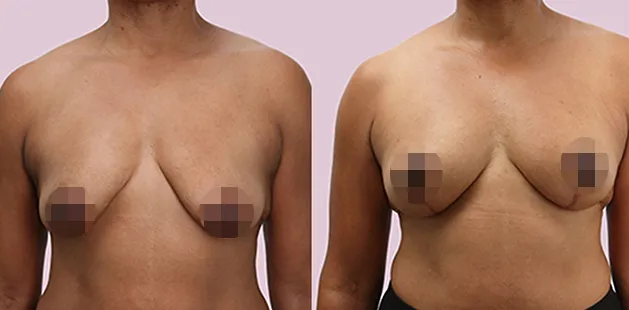
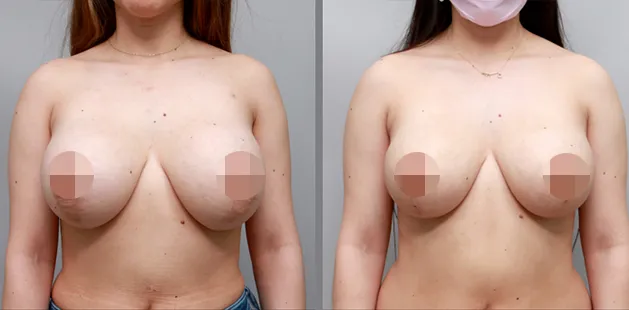
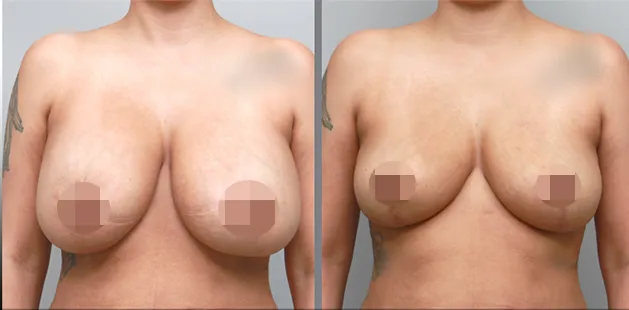
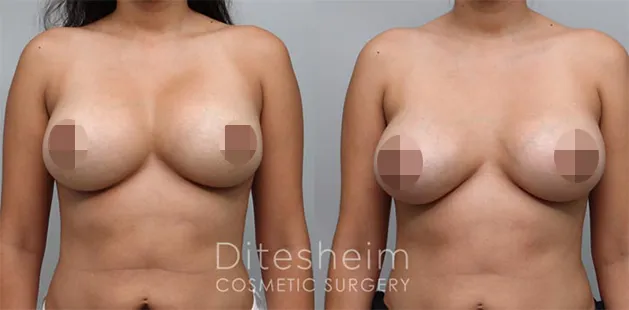
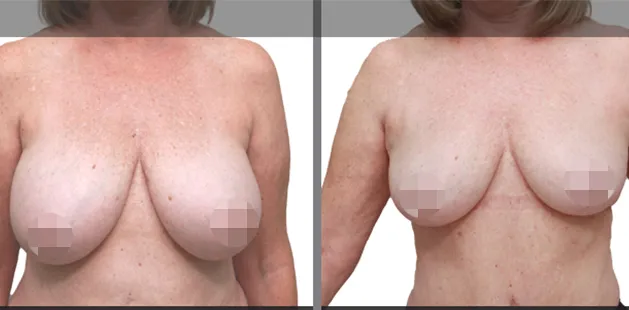
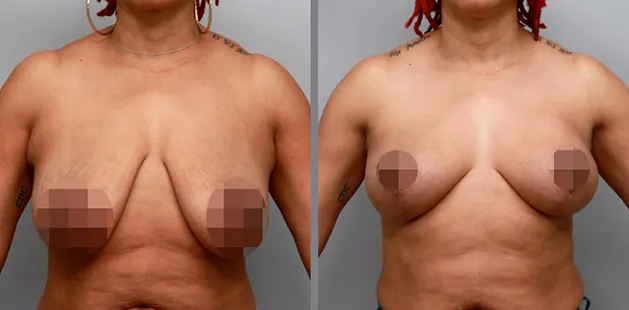
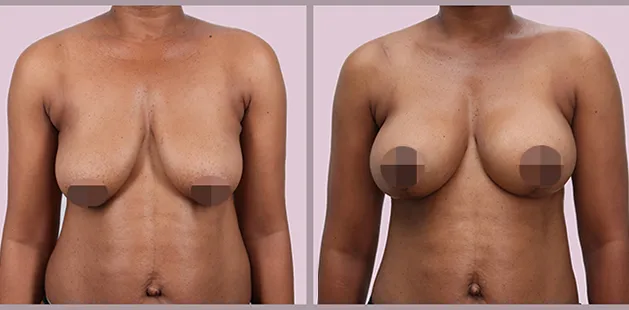
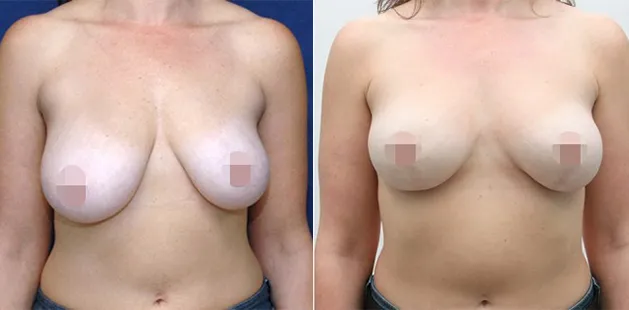
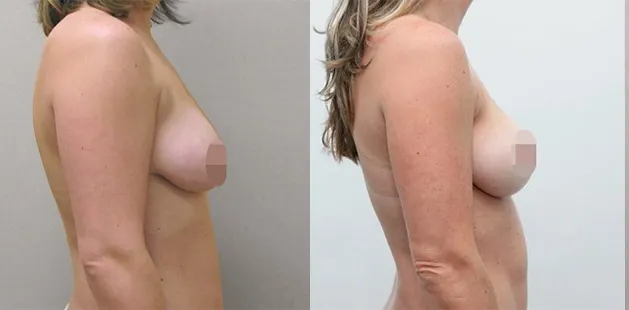
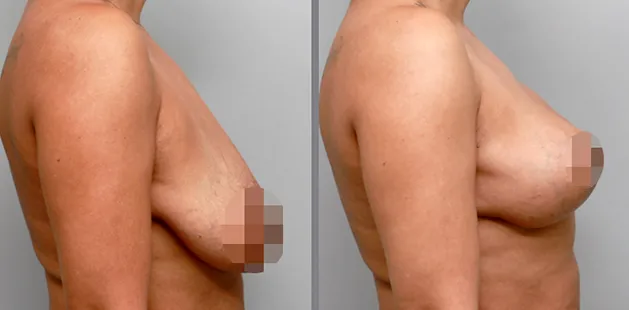
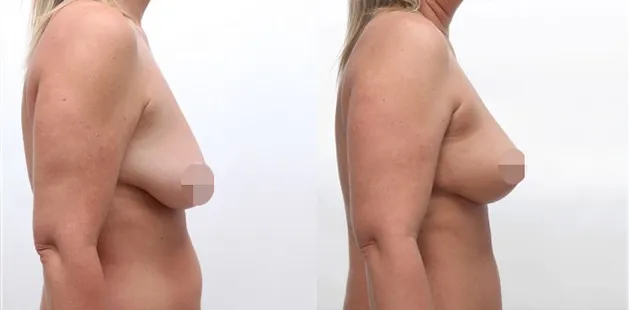
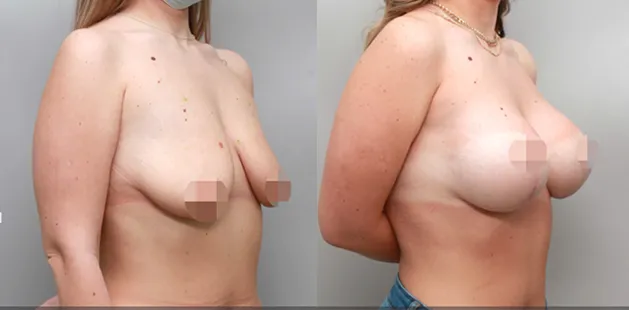
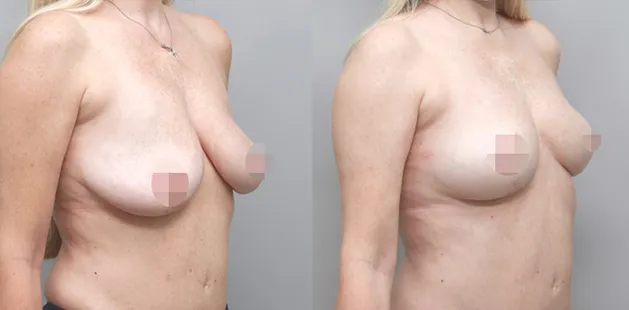
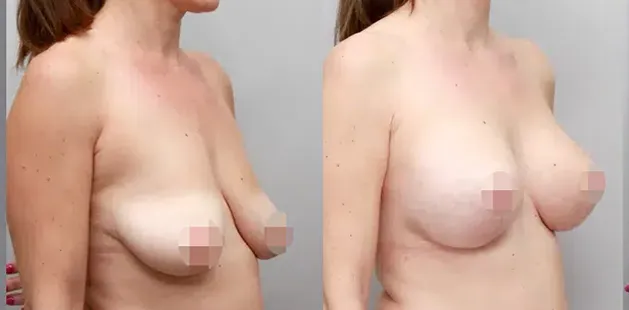
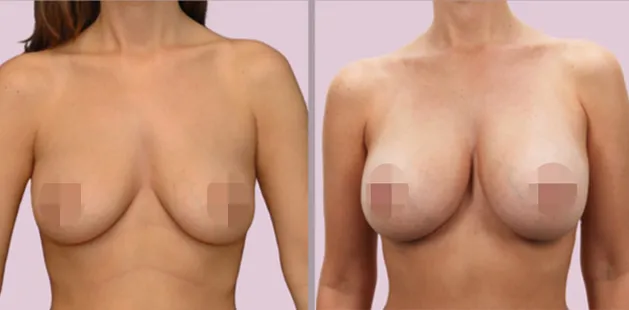
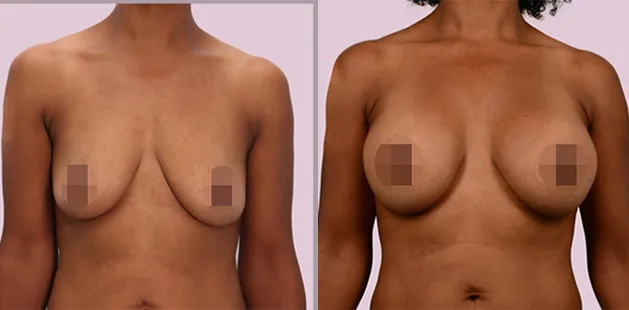
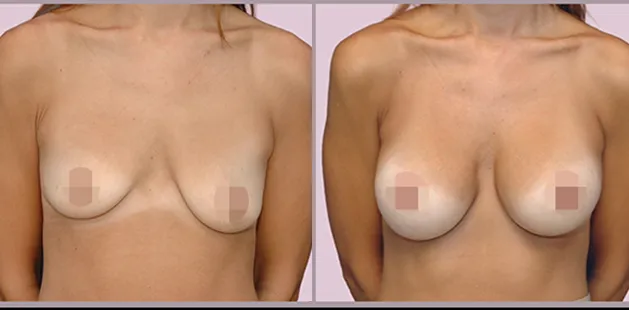
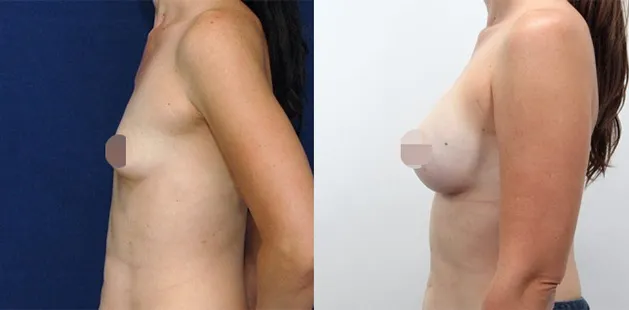
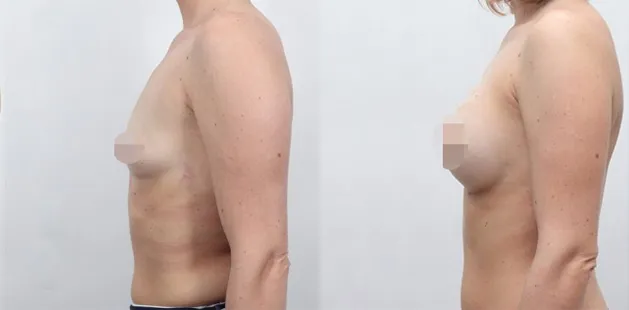
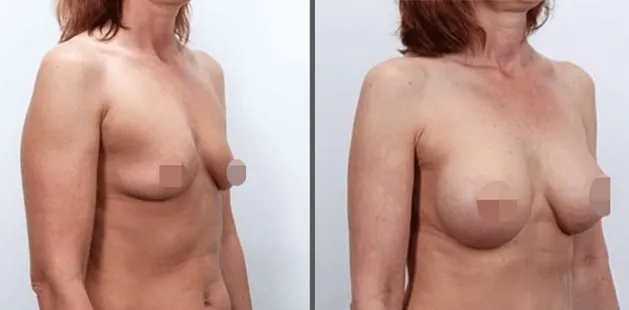
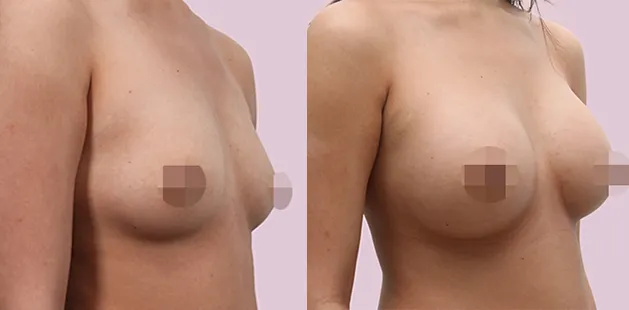
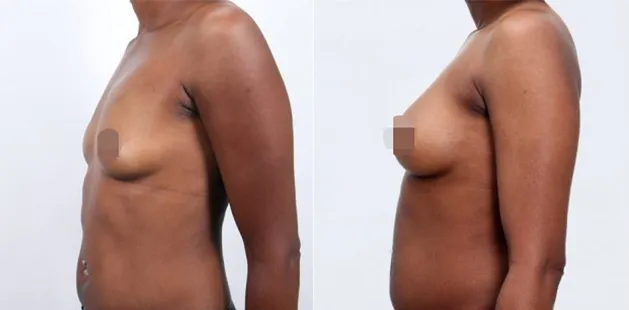
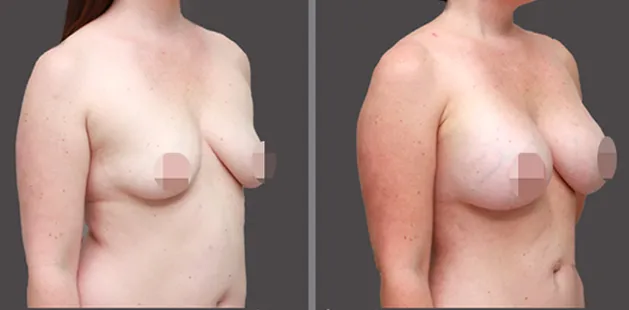
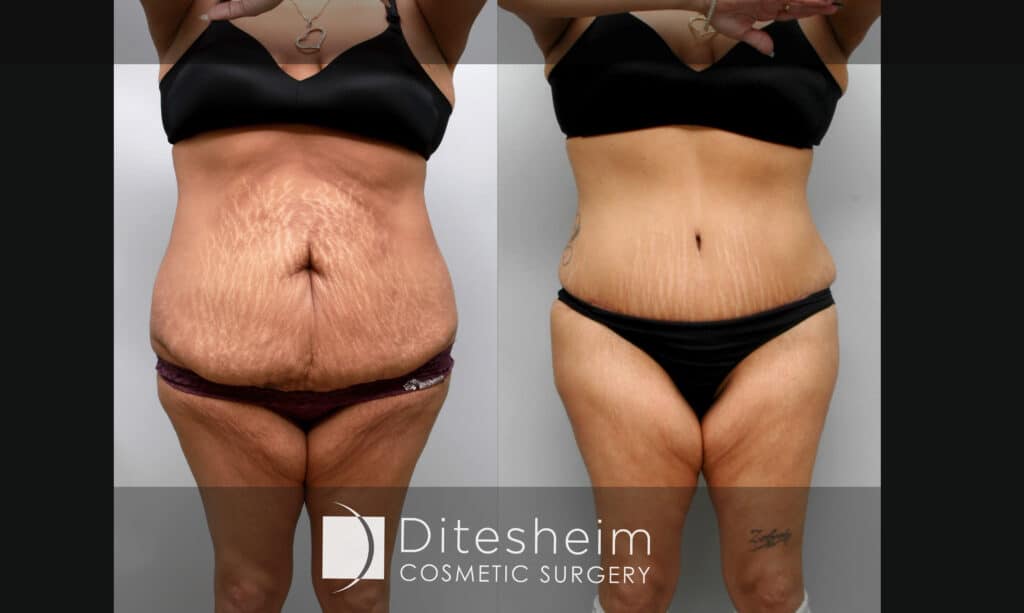
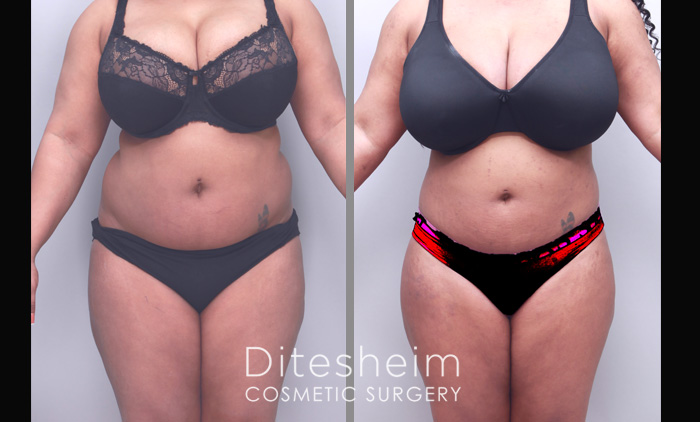
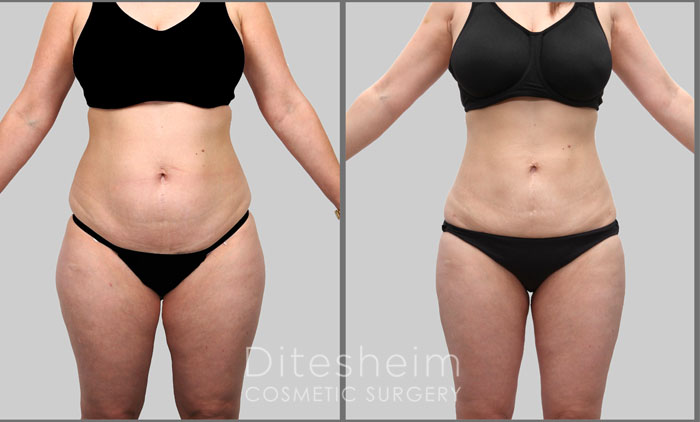
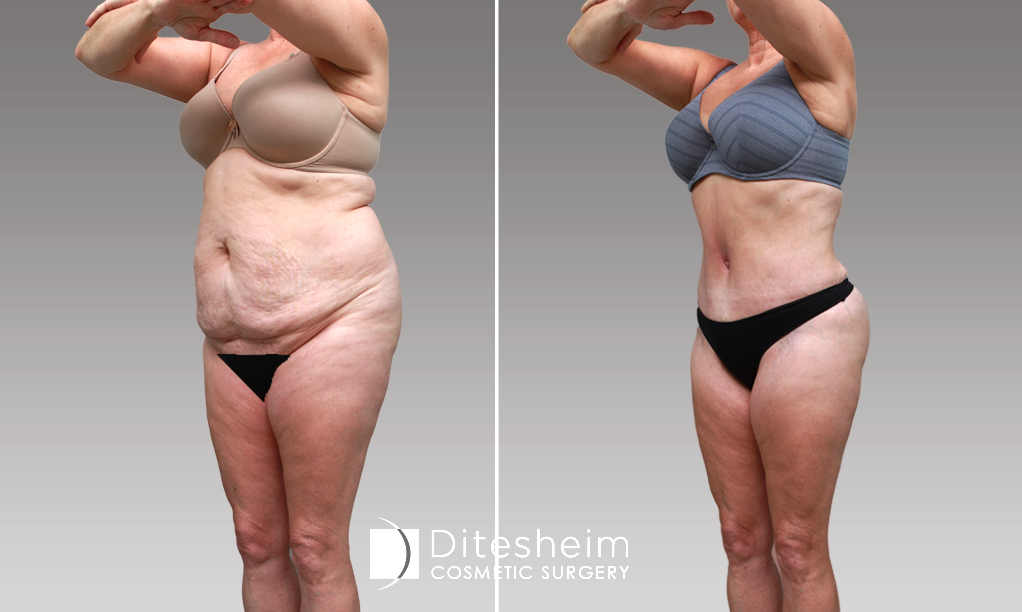
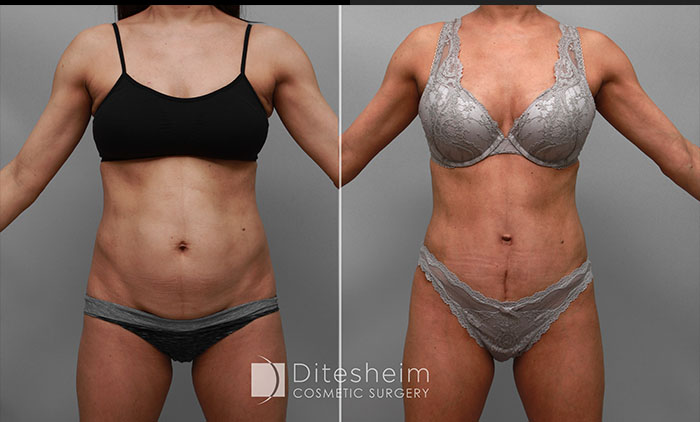
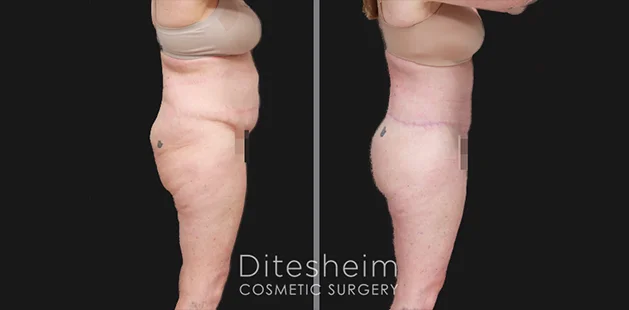
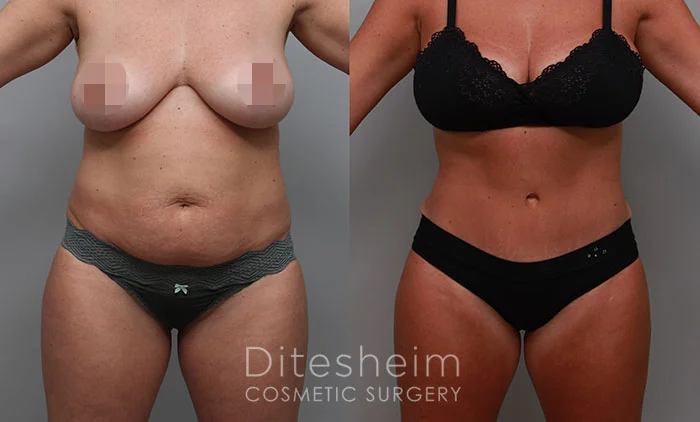
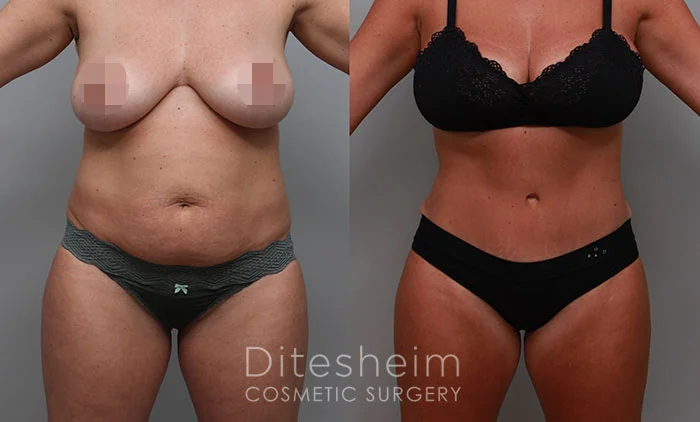
Our Results — Before and After
Real patients. Real outcomes. No filters.
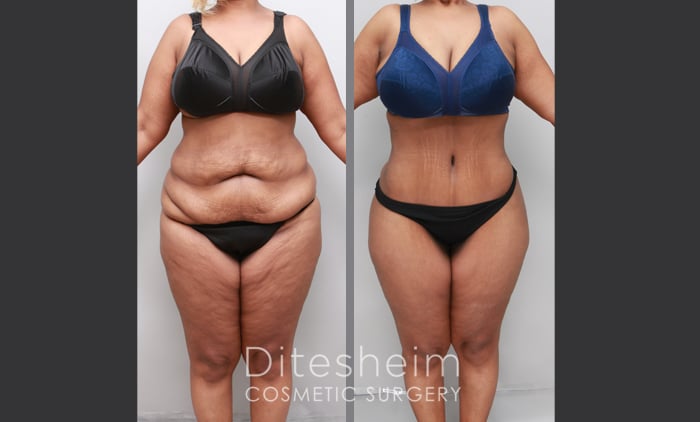
The most honest thing we can show you is real patient results. Each case is unique, reflecting the personalized approach Dr. Ditesheim takes with every surgical plan.
Frequently Asked Questions:
How is a tummy tuck different from liposuction?
Liposuction removes localized fat but does nothing for loose skin or a separated muscle wall. A tummy tuck removes excess skin, repairs the muscles, and can be combined with liposuction for a complete result. If skin laxity is your concern, a tummy tuck is the appropriate solution.
What is the difference between a full tummy tuck and a mini-tuck?
A full tummy tuck addresses the whole abdomen — above and below the navel — and includes muscle repair. A mini-tuck removes a smaller amount of stretched skin below the belly button only, through a shorter incision, and usually does not tighten the deep muscle layer. A mini-tuck is a good option for a woman with a longer torso whose stretching is limited to the lower tummy. It is not a “safer full tummy tuck” — it is a different operation for a different body.
What is a drainless tummy tuck, and is it less painful?
In select patients, the lifted abdominal layer can be tacked back into place with a technique called progressive tension sutures (PTS), which closes the space where fluid would otherwise collect. This often means drains can be removed in just a few days — or skipped entirely — and generally results in less post-operative discomfort. Whether a drainless approach is right for you depends on your anatomy, and Dr. Ditesheim will advise you during your consultation.
What is diastasis recti, and can a tummy tuck repair it?
Diastasis recti is the separation of the abdominal muscles, most often caused by pregnancy. It can leave the belly protruding even in fit women — the classic round, full tummy after twins or triplets — and can contribute to lower back discomfort and core weakness. A tummy tuck allows Dr. Ditesheim to surgically repair the separation, rebuilding the core from the inside out alongside the aesthetic result.
Is a tummy tuck safe? What are the real risks?
In healthy, non-smoking women at a reasonable weight, the risk of serious complications is low. The most serious risks come from over-tightening the inner abdominal wall, which can raise internal pressure and contribute to blood clots or breathing difficulty — which is exactly why surgical judgment and an accredited operating room with full anesthesia monitoring matter so much. Risk rises with active smoking, higher body weight, and conditions that impair healing such as diabetes or heart and lung disease. Dr. Ditesheim will give you an honest assessment of your individual risk before recommending surgery.
Will a tummy tuck leave a visible scar?
Yes — a tummy tuck leaves a horizontal scar, placed low so it sits within the bikini line and is covered by underwear or a swimsuit. The key to a fine scar is minimal tension; when skin is closed without excess pull, the scar fades and flattens over 12 to 18 months. Excess tension is what produces thick scars, which is one more reason technique matters.
Why do belly-button scars sometimes look unnatural?
The belly button is the giveaway of an inexperienced tummy tuck. During surgery the skin is lifted and redraped, and a new opening is made for the navel. If that opening is round or tightly stitched, it looks operated-on. Done with care — an oval shape, the scar tucked just inside the rim — it looks natural. It is a small detail that signals the artistry of the whole result.
Does a tummy tuck help with diastasis recti and core strength?
Yes. Repairing the separated muscle wall rebuilds core integrity, which can improve posture and ease the lower-back discomfort some women experience after pregnancy. The benefit is both aesthetic and functional.
How long is recovery?
Most women feel meaningfully better by two weeks and return to desk work around then; those with physically demanding jobs may need longer. The drainless technique and our enhanced recovery approach reduce discomfort early on. Full settling of the final shape and scar takes about a year.
Is a tummy tuck performed under general anesthesia?
Most full tummy tucks are performed under general anesthesia in an accredited operating room. A mini-tuck (skin excision) can sometimes be performed awake. Dr. Ditesheim will recommend the safest, most appropriate approach for your procedure.
What about Renuvion or “scarless” skin tightening?
Energy-based skin tightening has a real but limited role. When skin has genuinely stretched and hangs, it needs to be removed, not merely tightened — surgical skin removal outperforms it for true skin-stretch cases. For mild, borderline laxity, Renuvion may be a reasonable adjunct. Dr. Ditesheim will tell you honestly whether your skin is a candidate.
Can I combine a tummy tuck with other procedures?
Many women combine a tummy tuck with liposuction or breast surgery as part of a mommy makeover. Whether combining makes sense depends on your health, goals, and recovery capacity — all discussed at your consultation.
Take the Next Step
A tummy tuck is more than a cosmetic procedure. For many women, it is the moment they finally feel at home in their own body again — confident getting dressed, comfortable in a swimsuit, and like themselves. Women tell us the same thing afterward: best thing I ever did, and I only had to do it once. At Ditesheim Cosmetic Surgery in Charlotte, NC, you will find a team that takes your goals seriously, tells you the truth, and supports you every step of the way — whether you are just exploring or ready to schedule.
Ditesheim Cosmetic Surgery — 9336 Blakeney Center Drive, Suite 130, Charlotte, NC 28277
Results and recovery vary by patient. All pricing is estimated; final quotes are provided at consultation. This page is for informational purposes and does not constitute medical advice.
Disclaimer: This article provides general information only. It does not take into account your specific circumstances and should not be relied on as medical advice. For advice about your situation, speak with a suitably qualified healthcare professional.

About Author: Dr. Jeffrey Ditesheim, MD, FACS, is a board-certified plastic surgeon in Charlotte, North Carolina, with more than 30 years of experience helping patients feel confident through face, body, and breast procedures. A Fellow of the American College of Surgeons, he combines advanced surgical training with a commitment to patient care, safety, and natural-looking results.