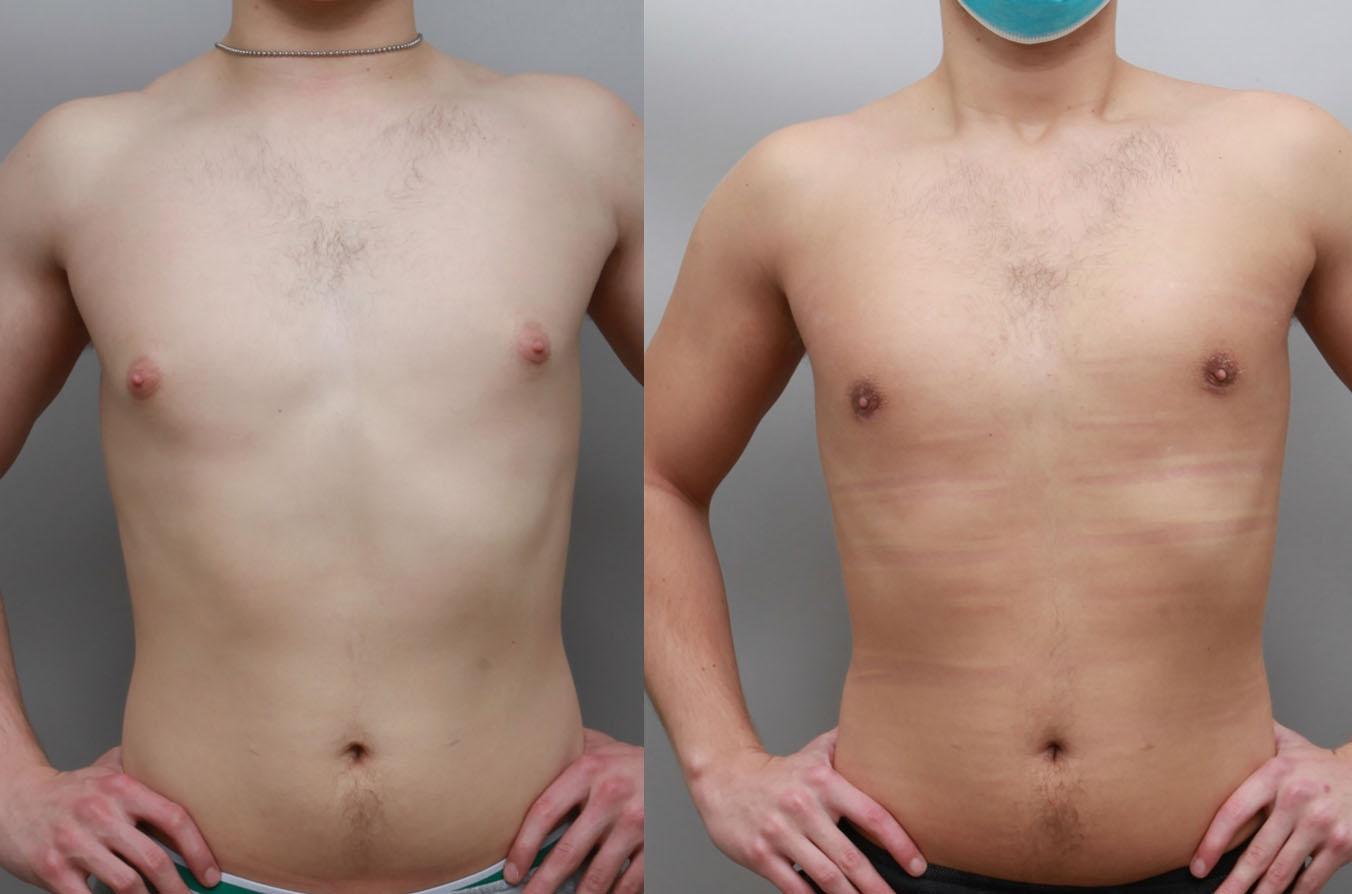
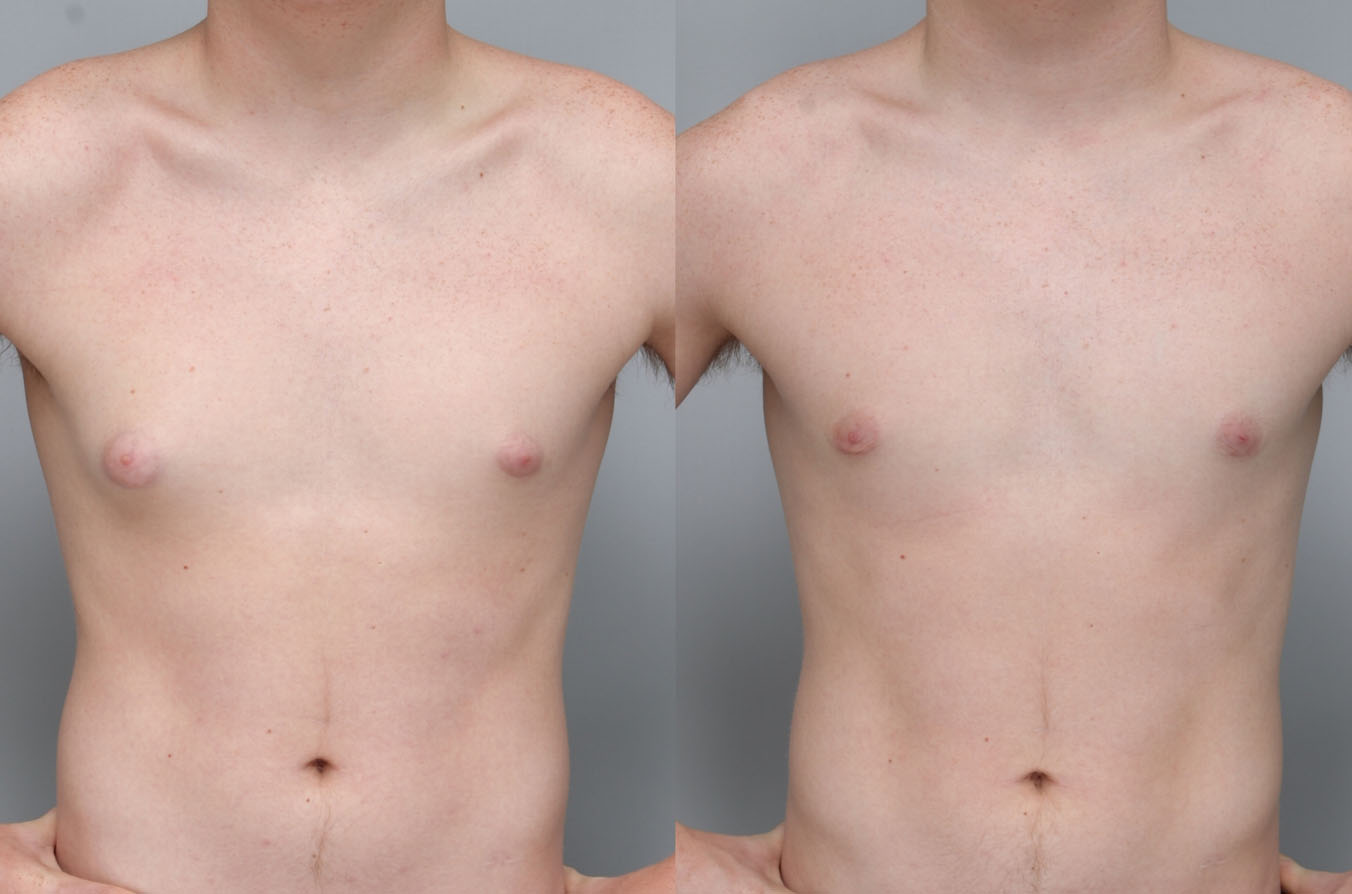
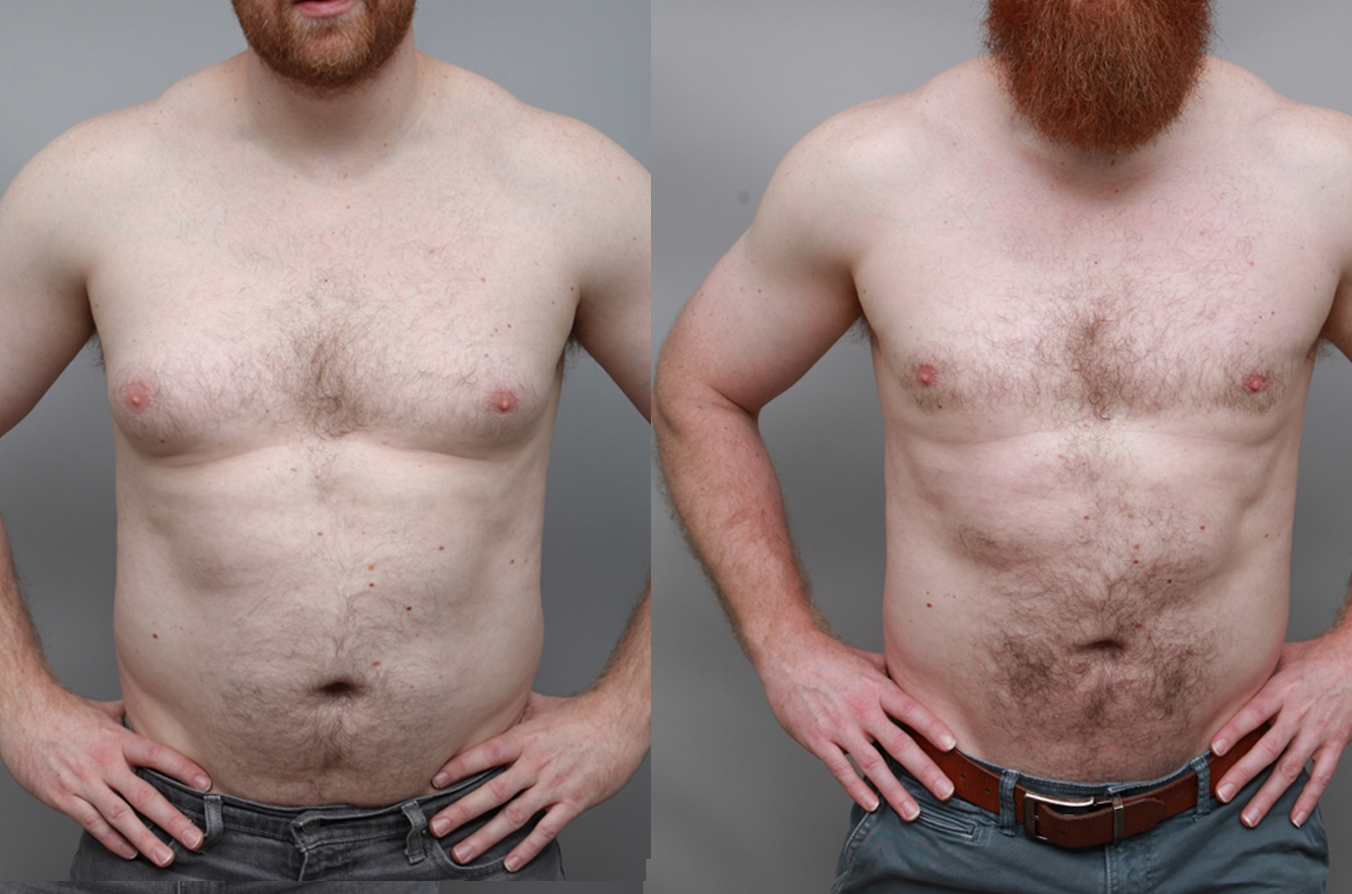
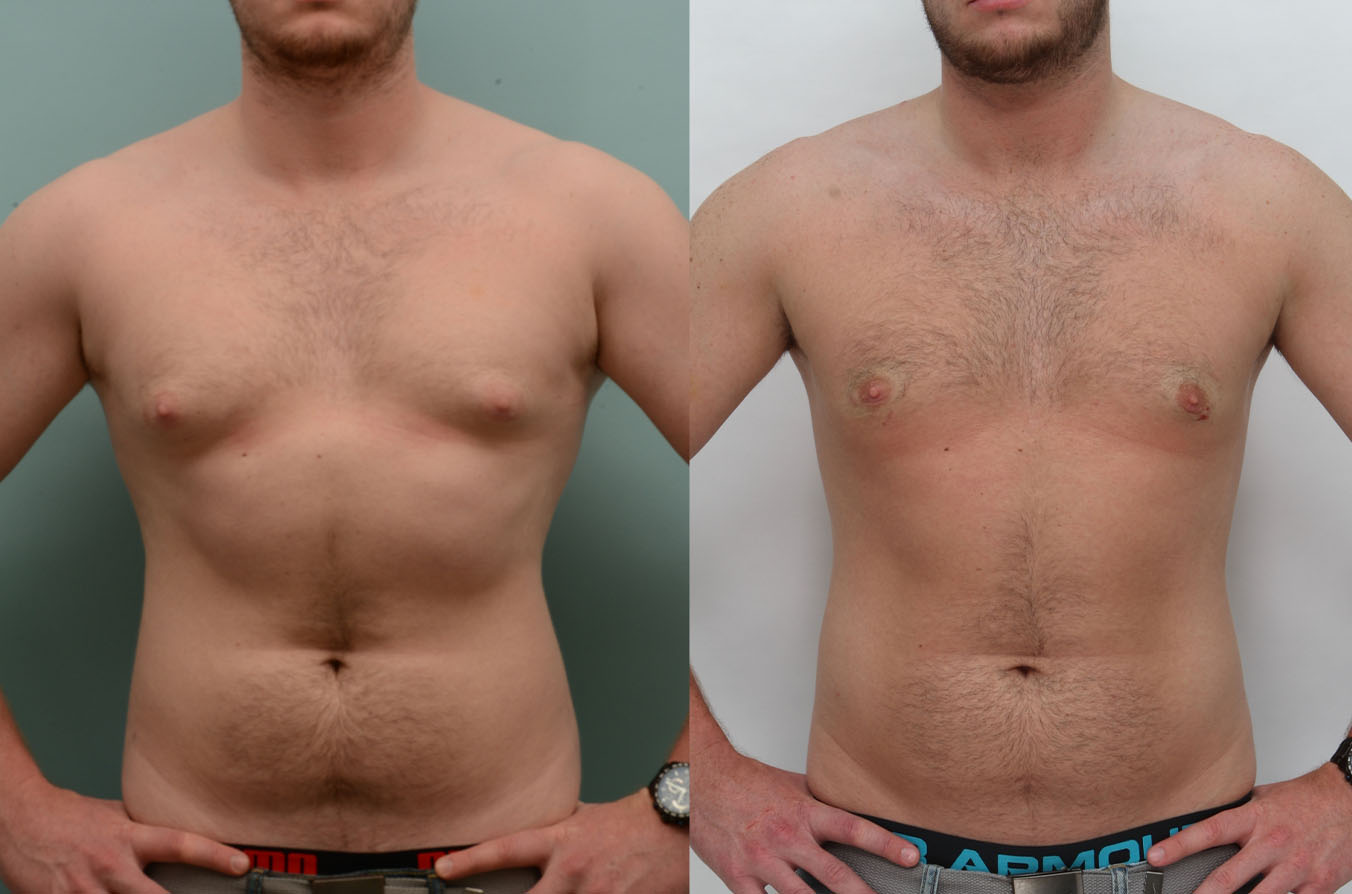
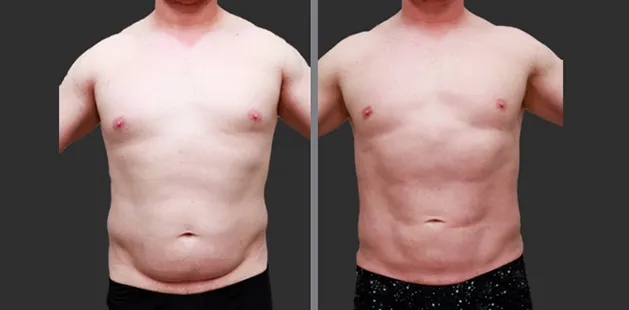
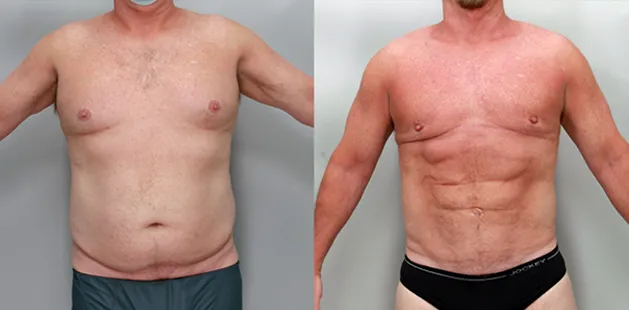
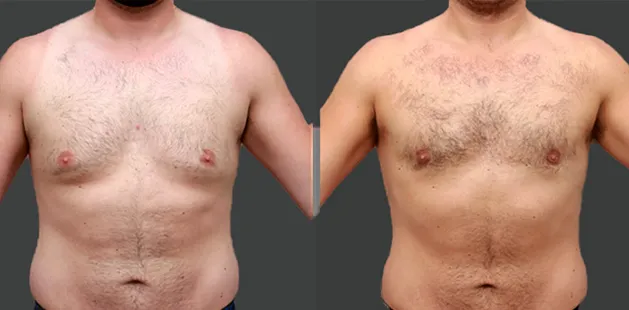
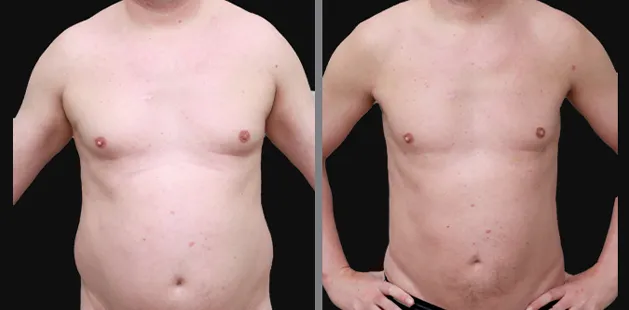
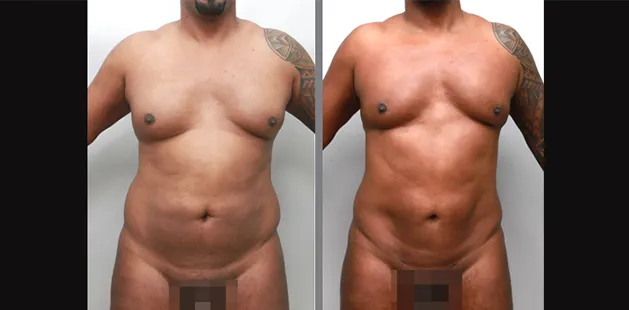
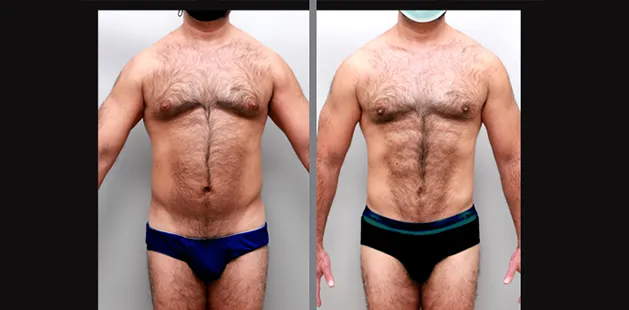
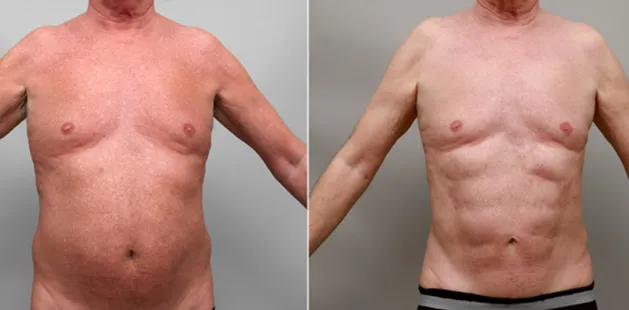
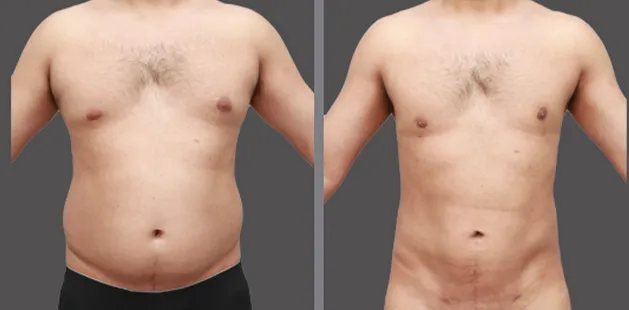
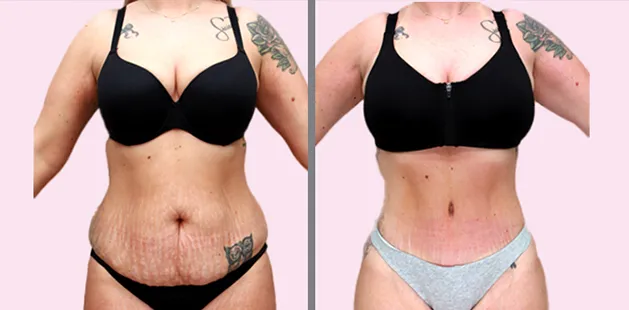
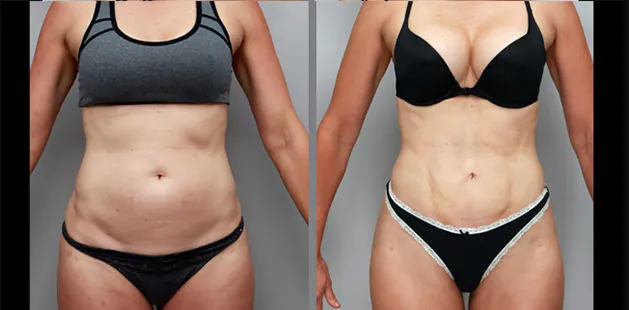
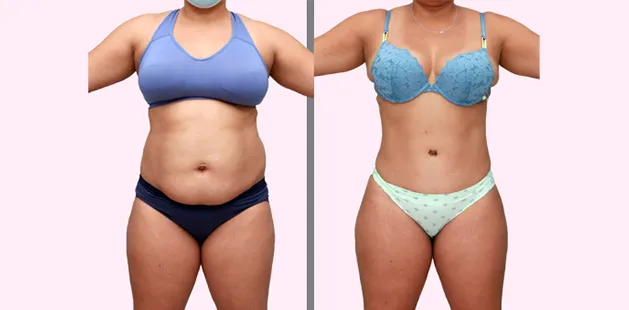
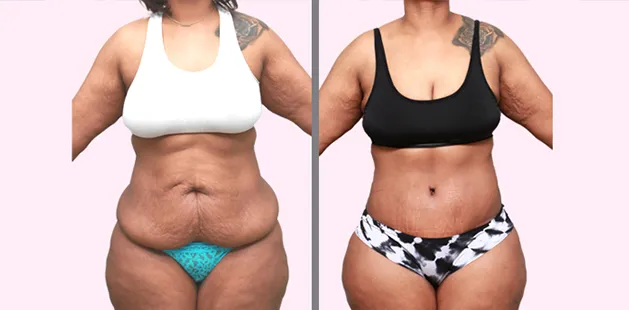
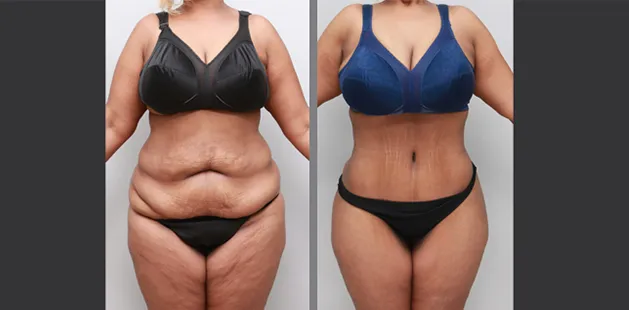
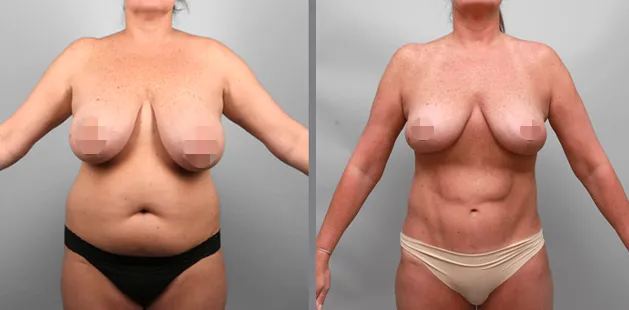
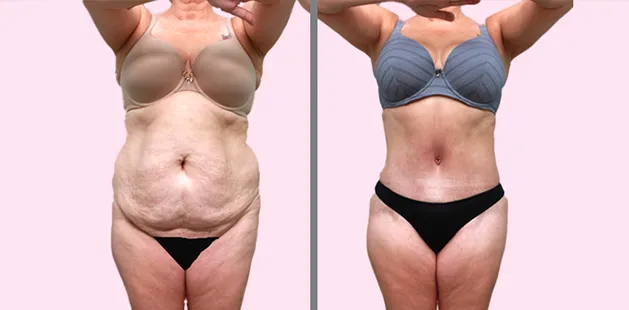
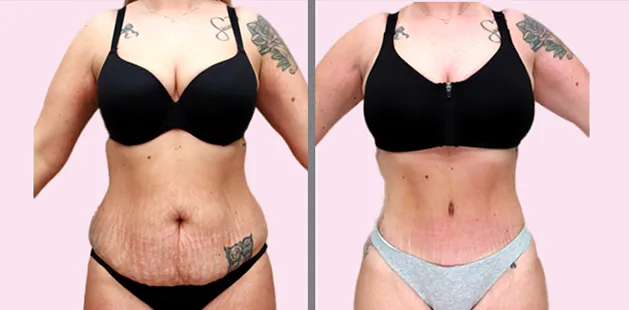
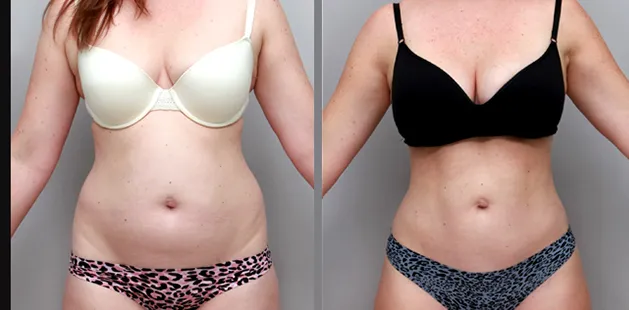
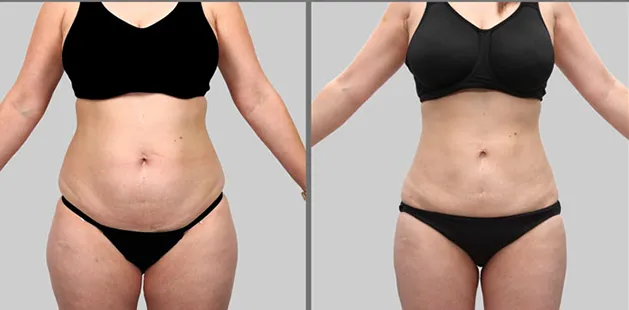
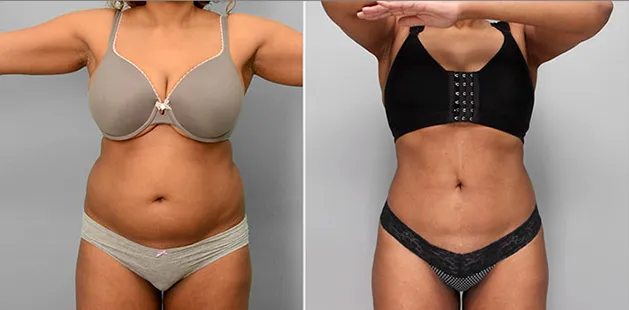
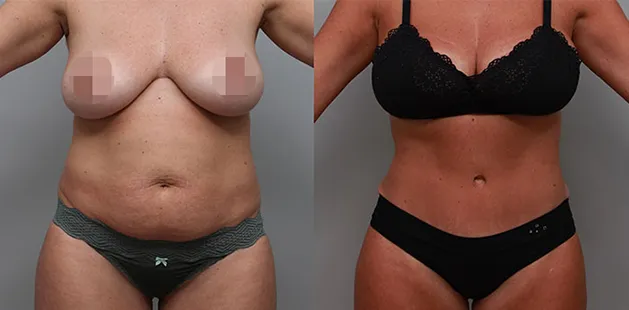
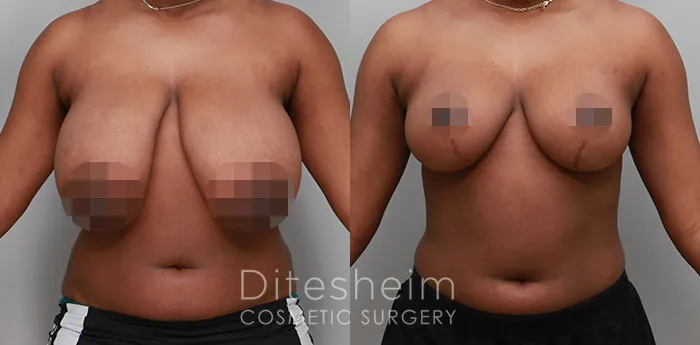
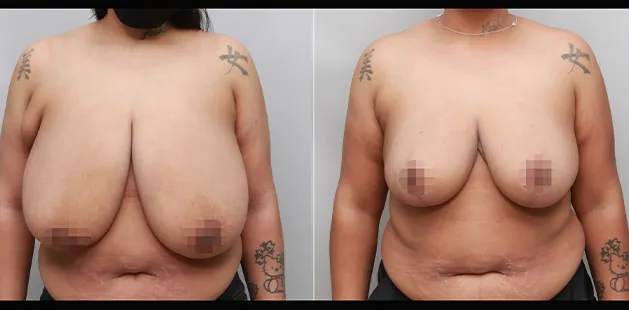
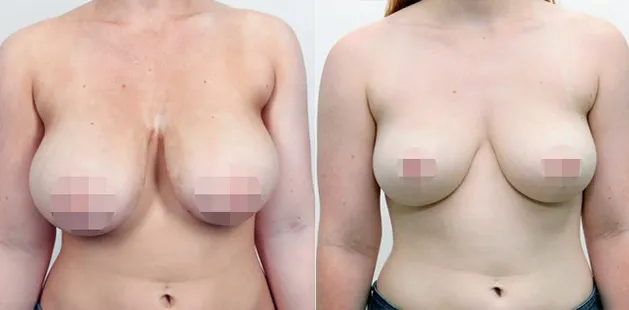
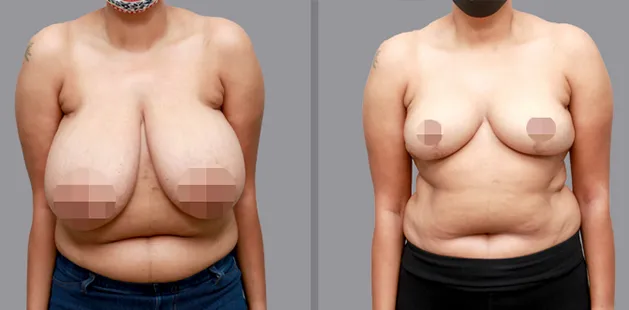
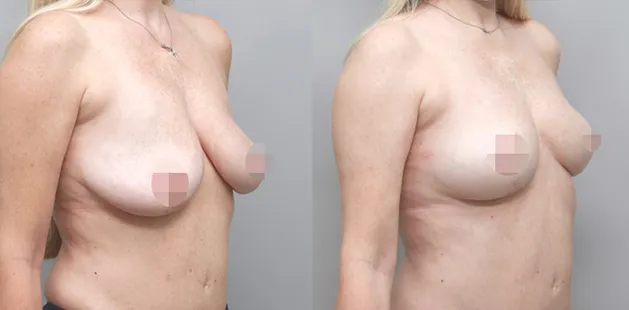
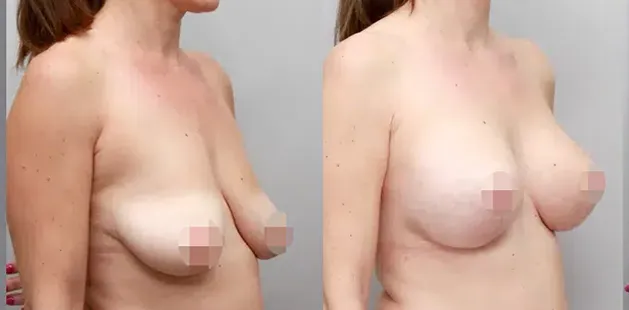
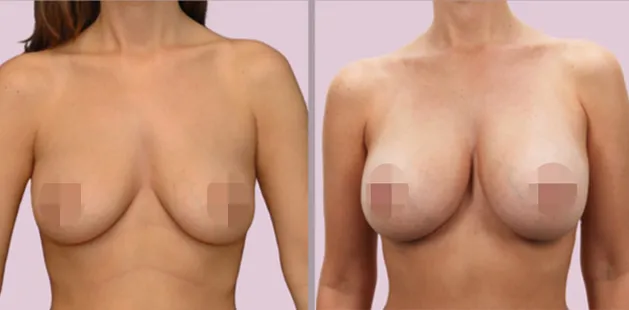
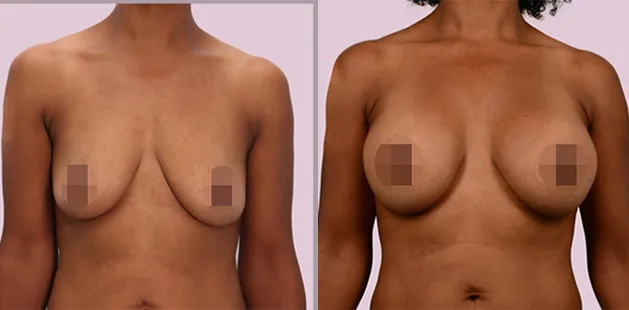
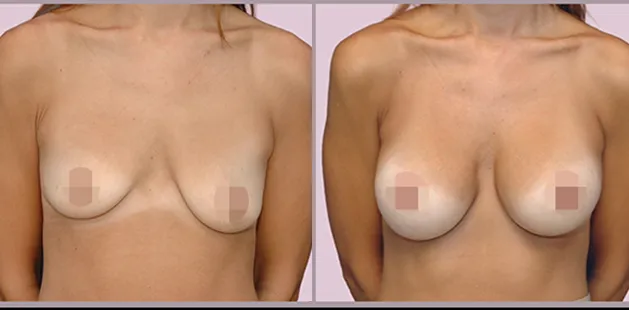
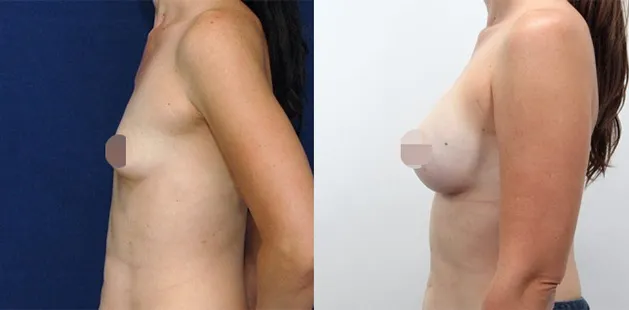
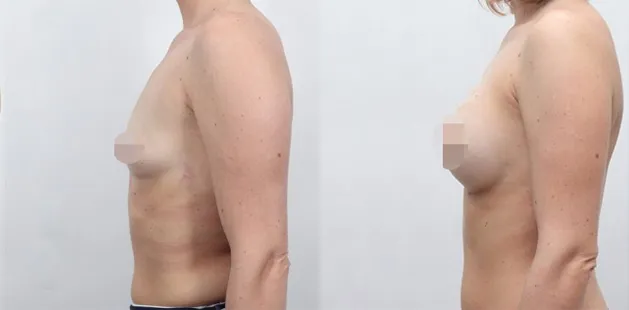
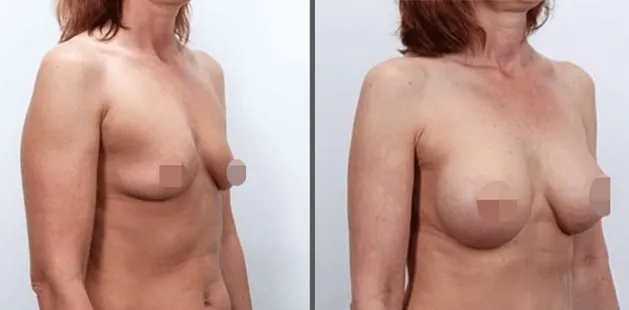
Gynecomastia · Grade 4 · Larger-Frame Men
When the Chest Hangs: Grade 4 Gynecomastia in Bigger, Stronger-Built Men
If you carry more weight and more frame, and your chest has begun to sag rather than simply swell, you have not run out of options. You have a decision to make between two of them.
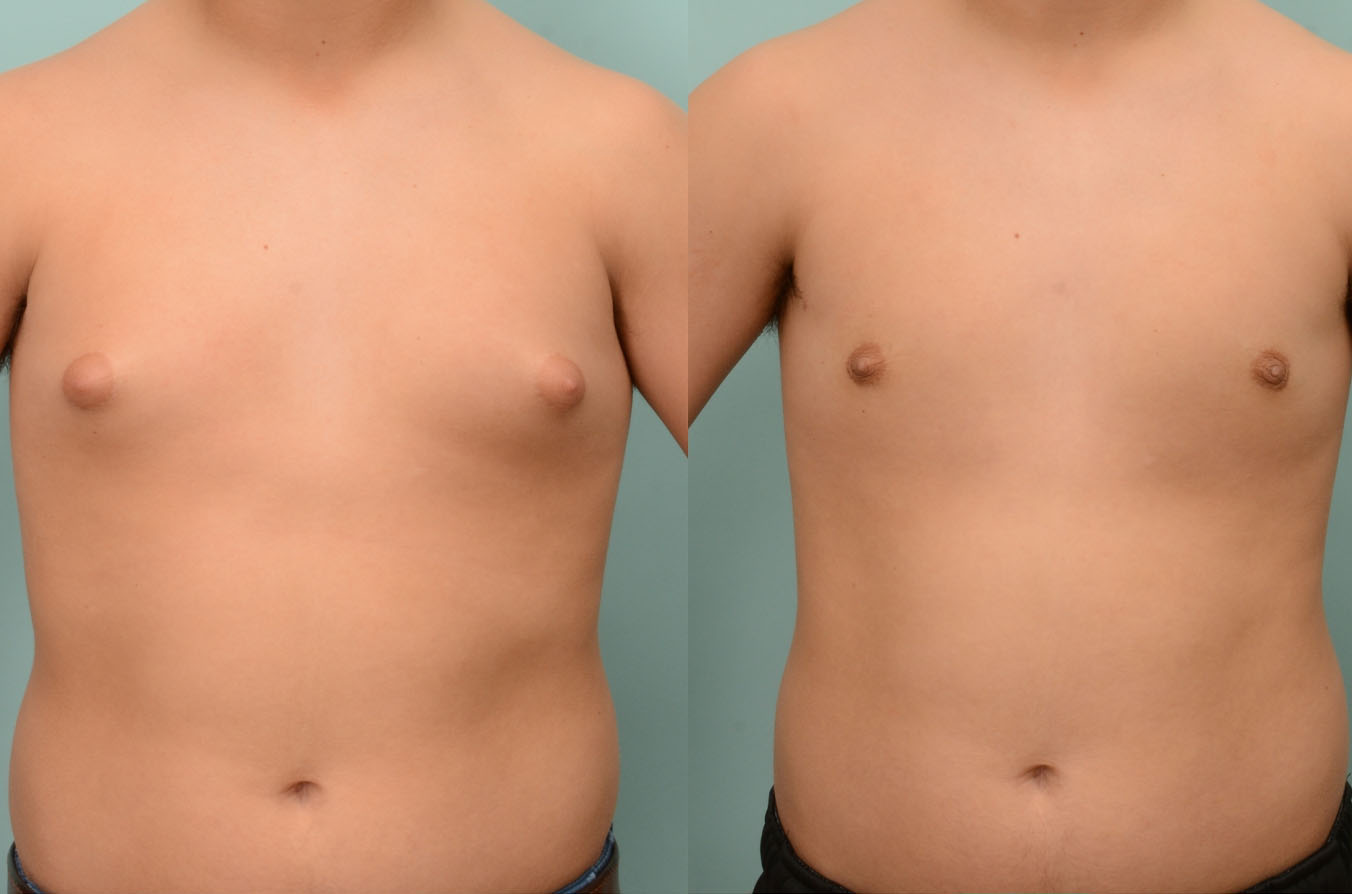
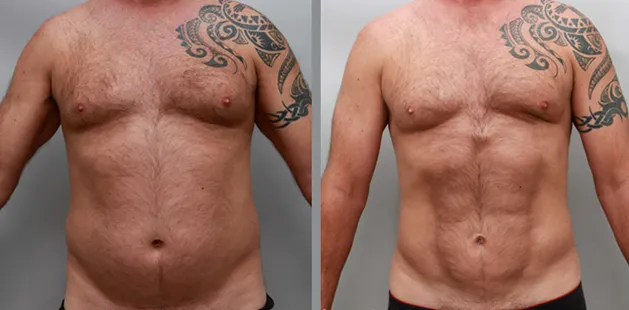
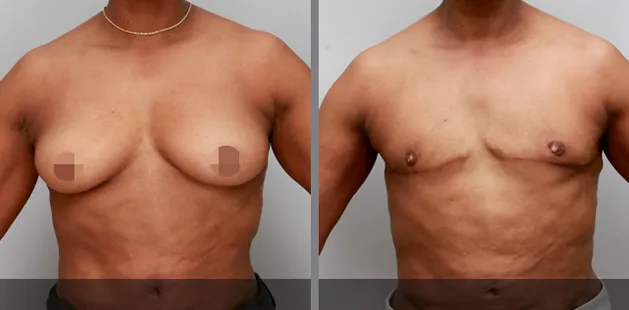
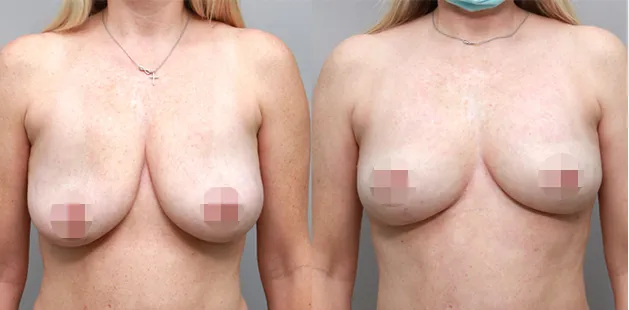
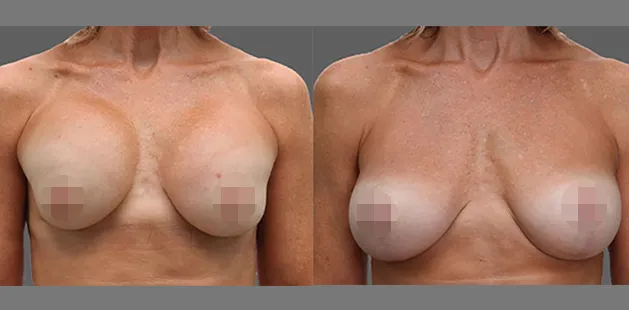
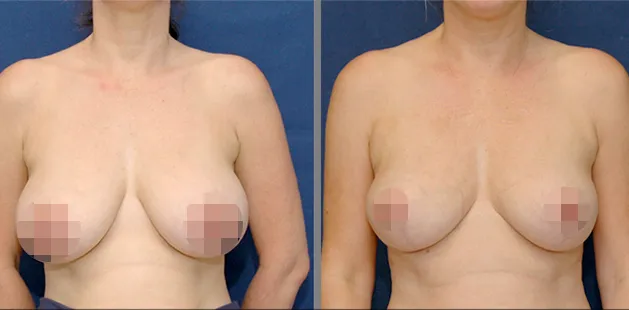
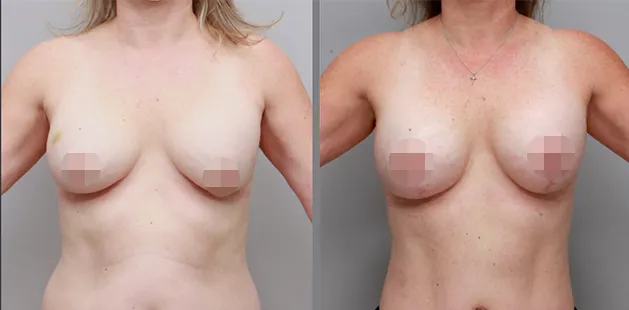
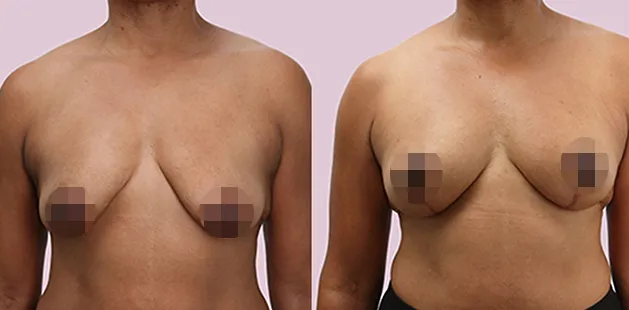
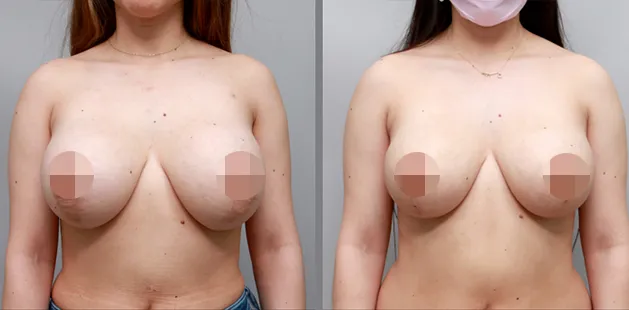
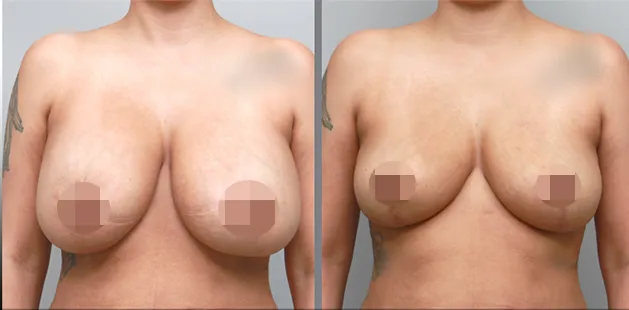
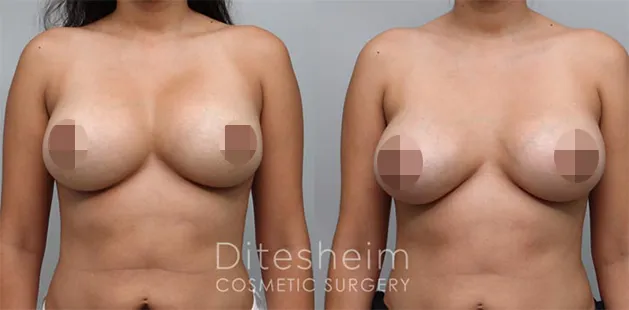
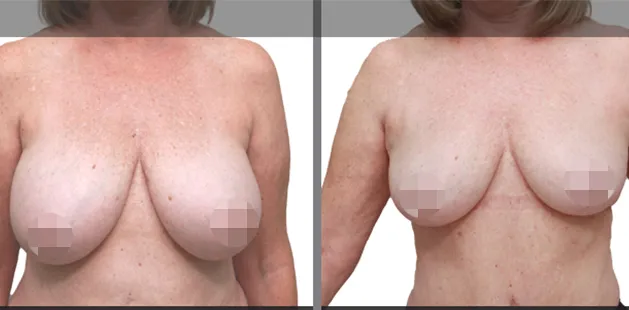
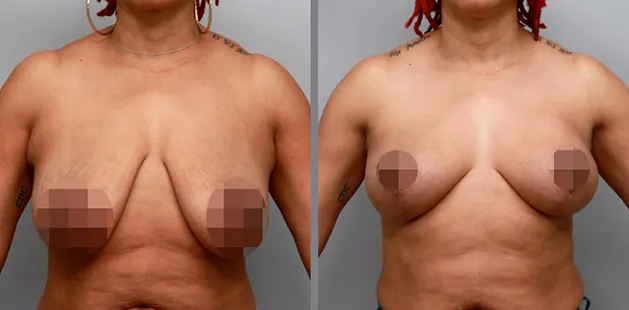
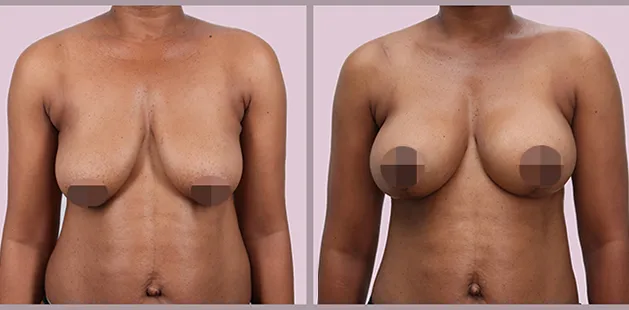
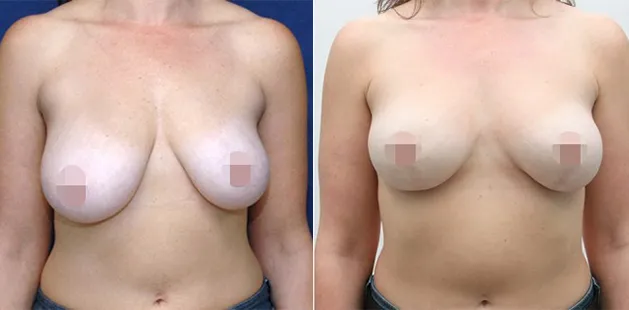
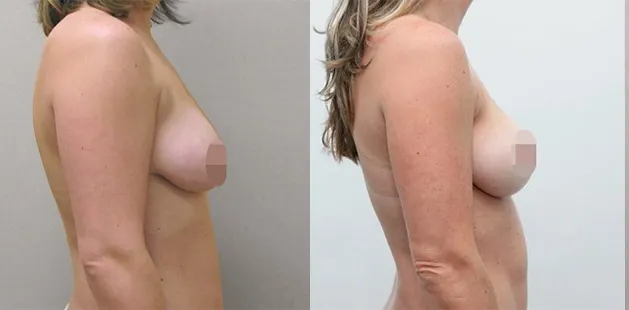
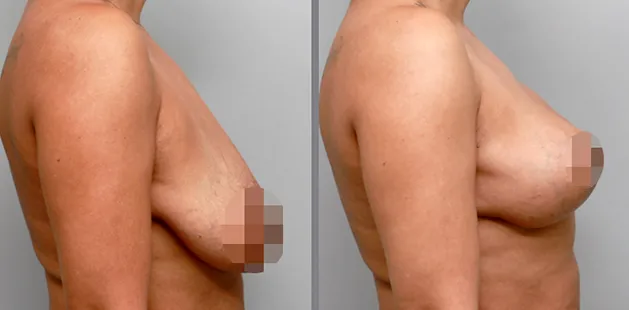
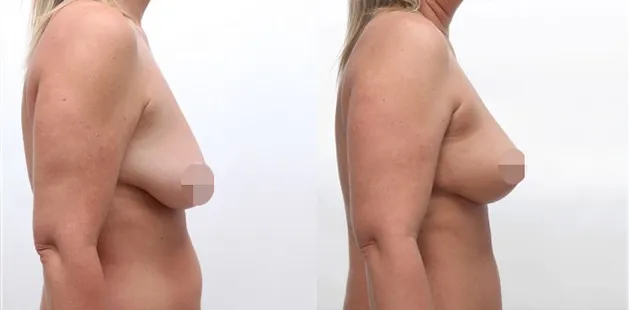
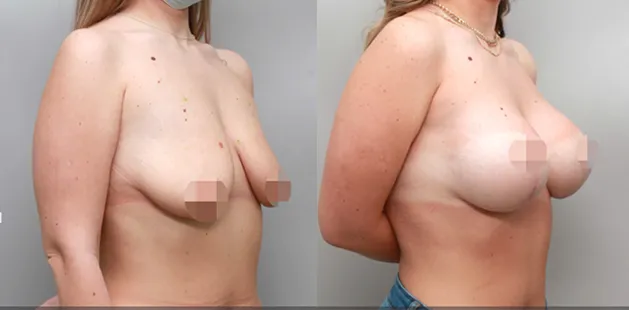
Most gynecomastia information online is written for a lean, younger man with a small amount of stubborn tissue behind the nipple. That is not the only kind of man who lives with this. If you are larger-framed, carry more body weight, and your chest hangs with real skin excess and a downward-pointing nipple, you have Grade 4 gynecomastia — the most advanced presentation. It behaves differently, and it deserves to be talked about honestly.
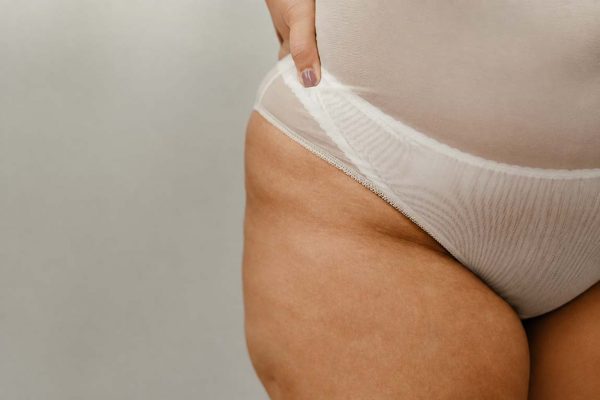
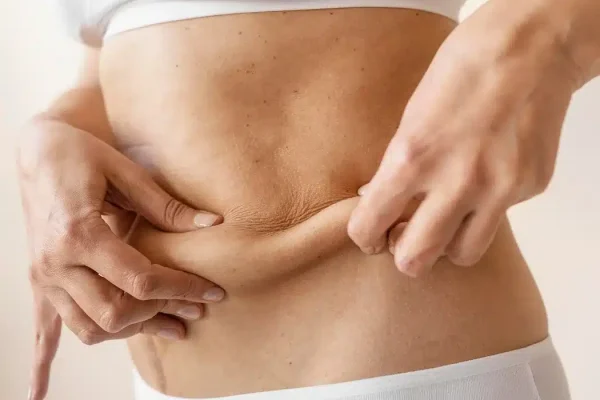
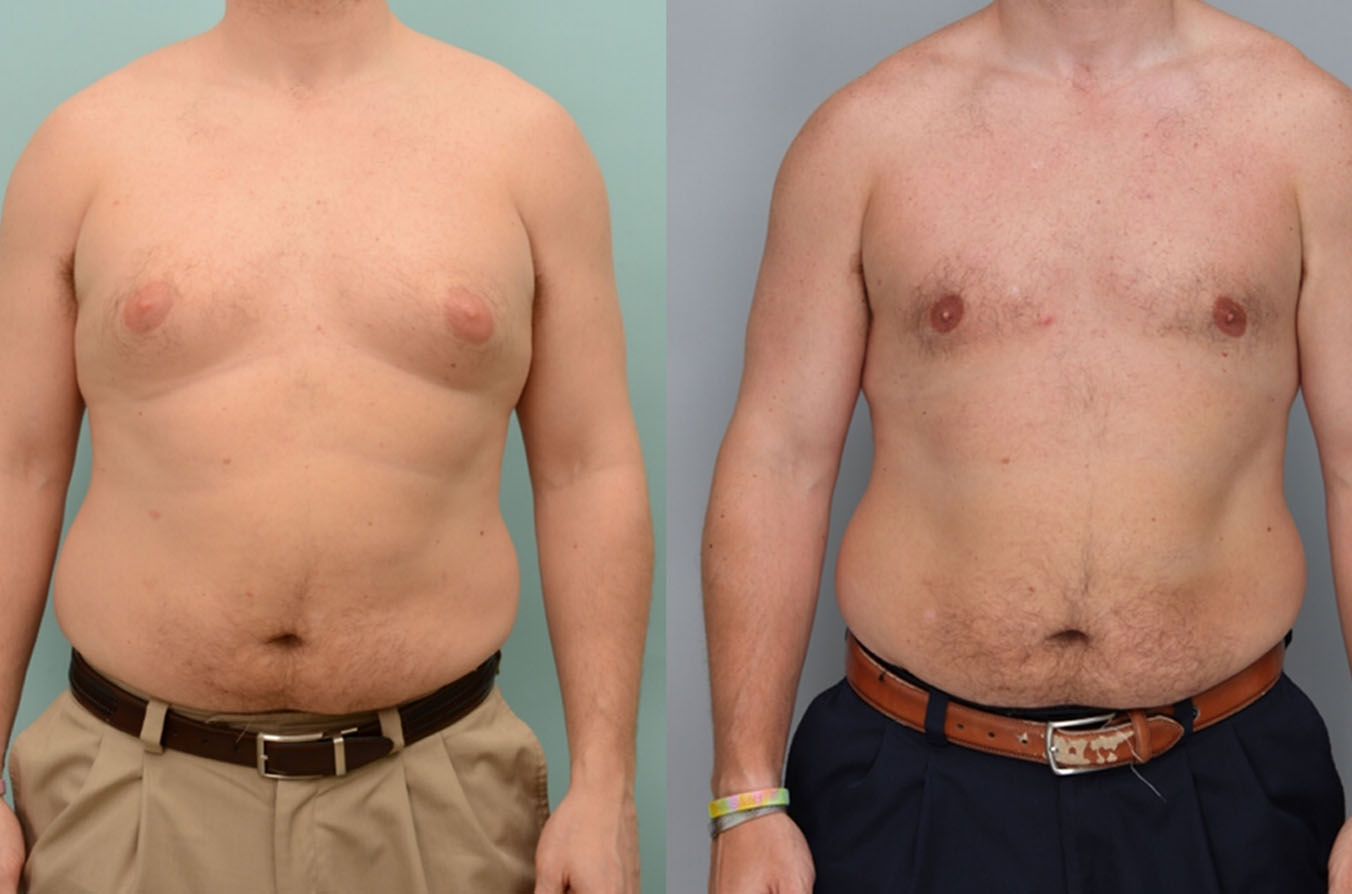
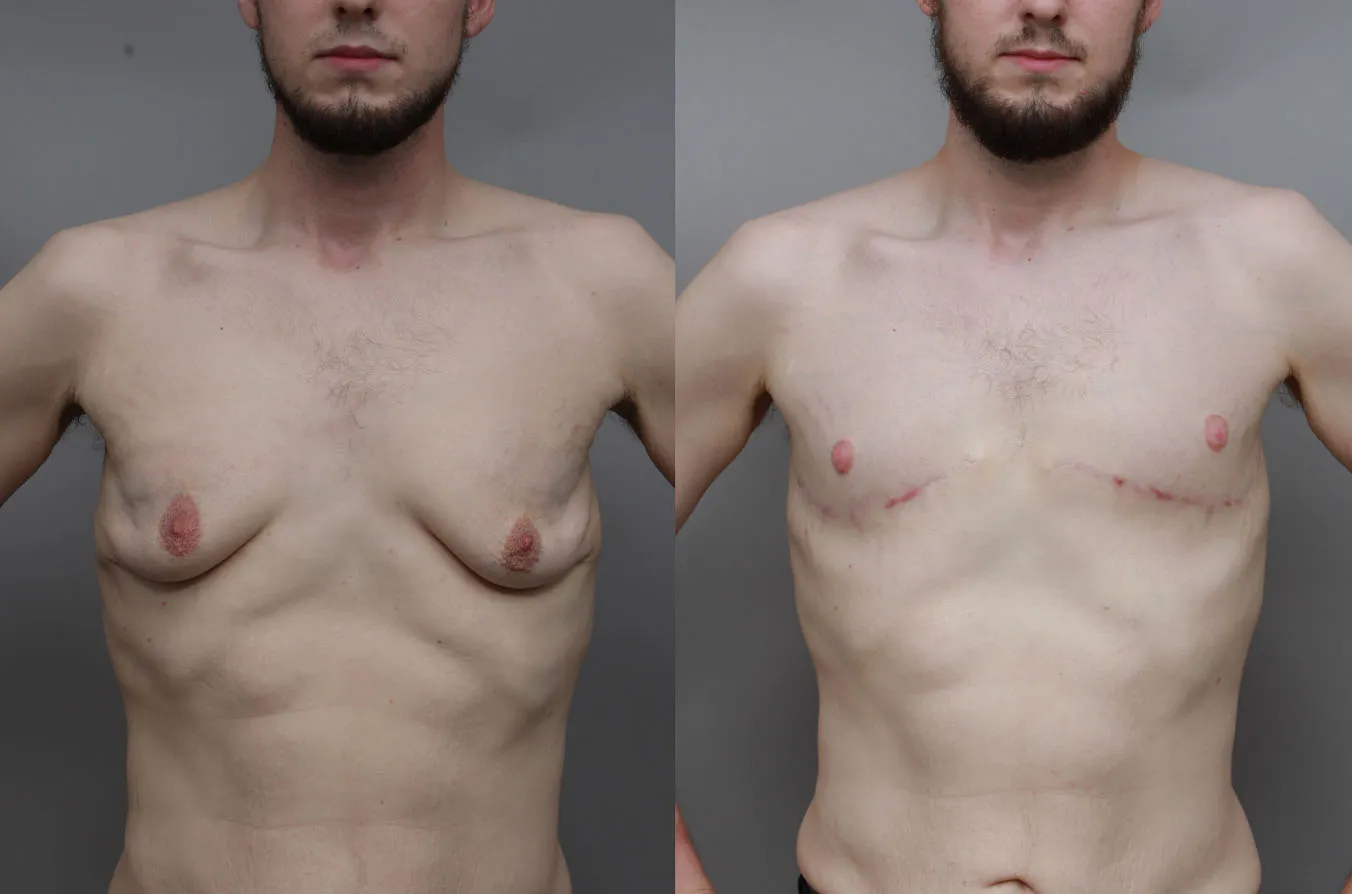
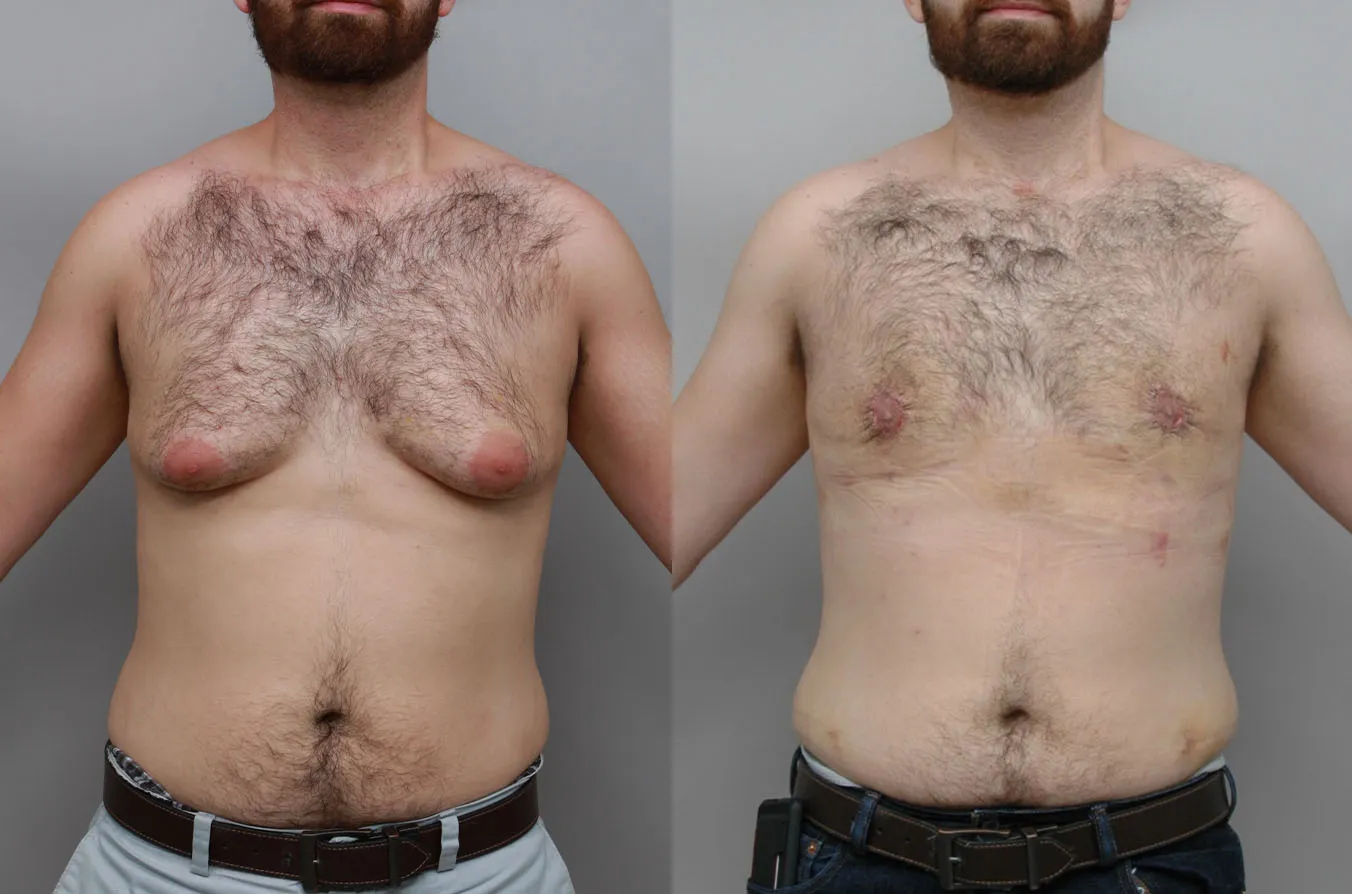
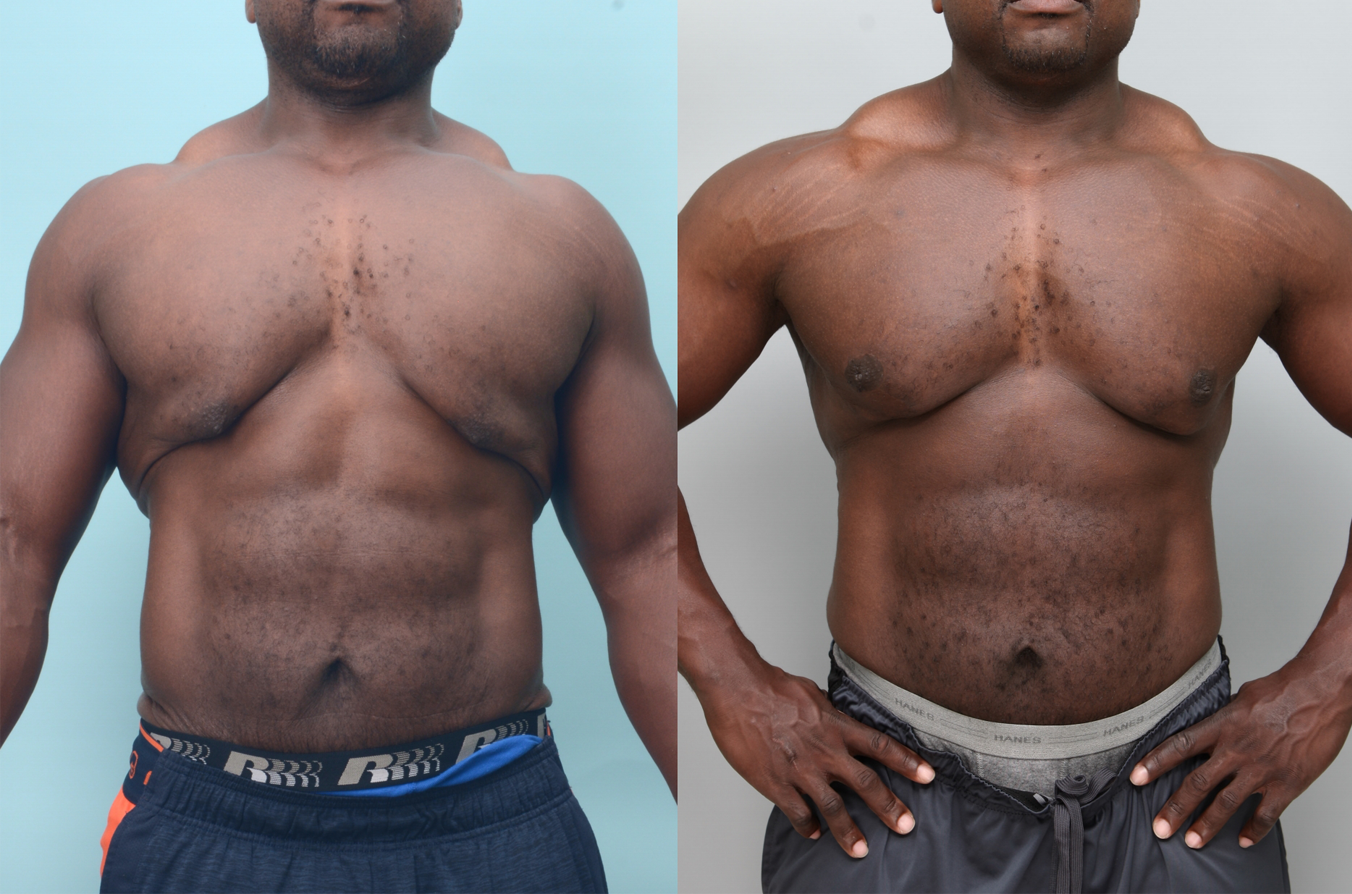
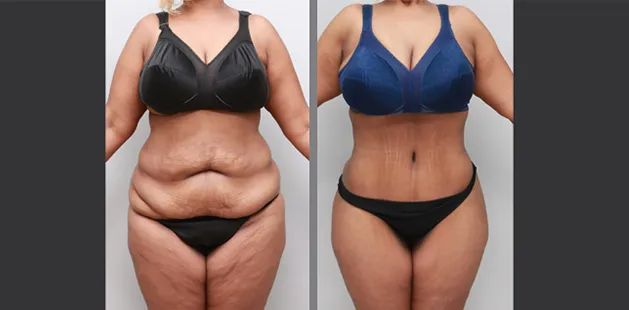
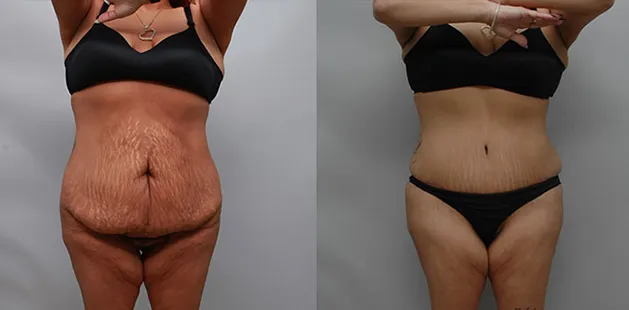
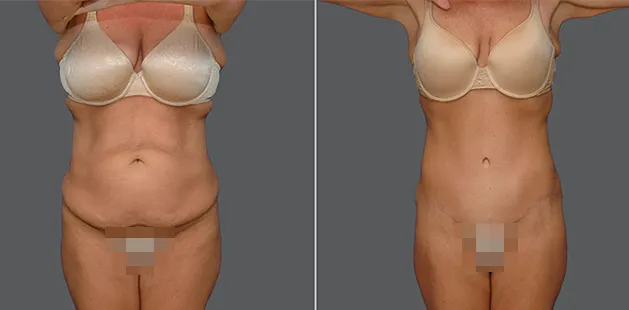
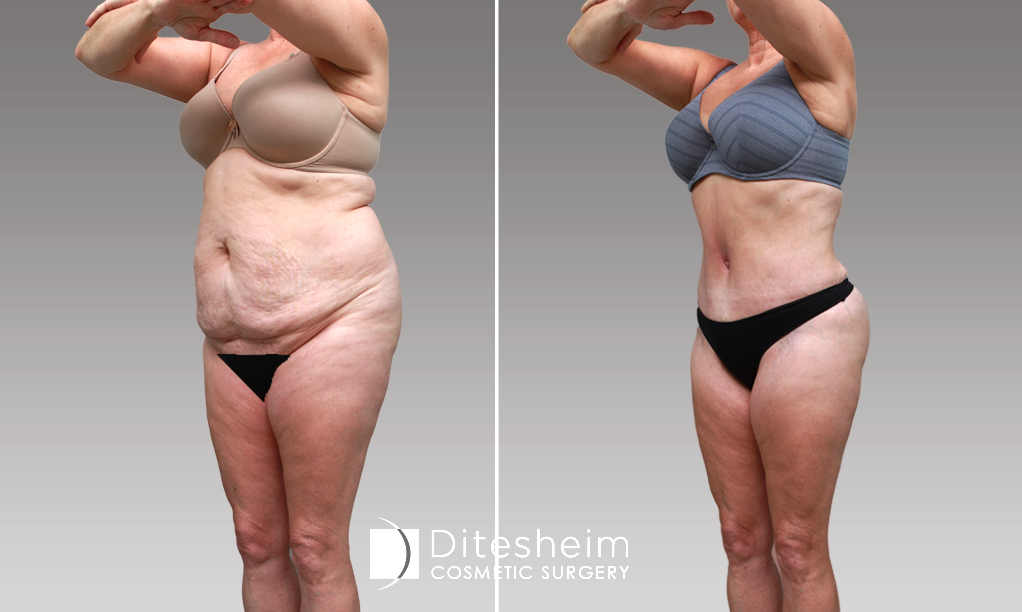
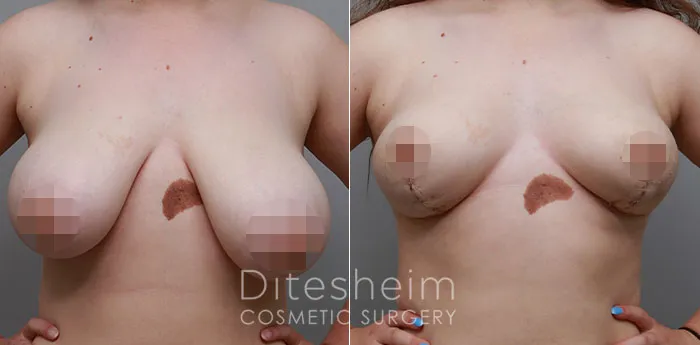
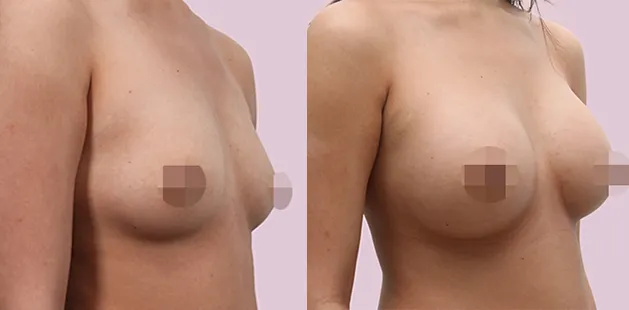
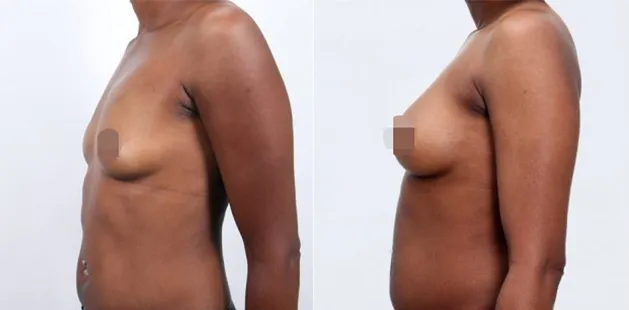
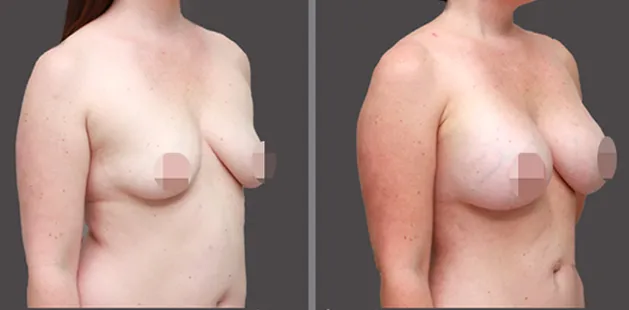
The defining feature of Grade 4 is not just the volume of tissue. It is the skin. After years of stretch — and often after significant weight changes — the skin envelope has lost its ability to snap back. The breast no longer sits flat and full; it droops, folds, and carries a crease underneath. For a bigger, more powerfully built man, this can feel especially at odds with the rest of his body.
Is this you?
The Grade 4, Larger-Frame Profile
You may be in this group if…
- Your chest hangs or droops rather than sitting flat, with a visible fold underneath.
- The nipple and areola point downward, or sit lower than they used to.
- You carry a larger build and more body weight overall — and the chest is one part of a bigger picture.
- There is loose, stretched skin you can grasp, not just firm tissue behind the nipple.
- You have been told elsewhere to “just lose weight first,” and it hasn’t resolved the shape.
A quick, honest word on weight: meaningful weight loss is always worth pursuing for your health, and it can improve results. But Grade 4 skin excess rarely disappears on its own, because the skin has already lost its elasticity. Being larger-framed does not disqualify you from treatment — it simply makes the choice between approaches more important.
The decision
Two Roads to a Flat, Masculine Chest
For Grade 4 with a larger frame, treatment comes down to one real question: do we remove the stretched skin now, or remove the tissue first and give your skin a chance to retract on its own? Here is the honest comparison.
Option One
Double-Incision with Nipple Repositioning
The complete, one-and-done correction
All breast tissue is removed, the fatty tissue across the front and sides of the chest is addressed with liposuction, the excess stretched skin is excised, and the nipple is repositioned — with sensation preserved. This treats the chest permanently.
Starting at
All-inclusive. Final figure confirmed at consultation.
Option Two
Tissue Removal, Skin Left to Retract
The faster, lighter first step
All breast and fatty tissue is removed, and the chest skin is allowed to shrink and retract on its own as much as it can. Scarring is minimal. You will look noticeably better in clothing right away — with the understanding that skin behavior is not fully predictable.
Starting at
If skin removal is later needed, that stage starts around $10,000–$15,000.
An add-on for the right skin: Renuvion
For men with good-quality skin — typically borderline cases rather than true severe hanging — Renuvion can encourage scarless skin tightening with no additional incision and no added recovery. It is offered as an enhancement to skin retraction, not as a substitute for surgical skin removal when the skin excess is significant. Dr. Ditesheim will tell you candidly whether your skin is a good candidate for it.
Starting at
$3,300+Making the call
So Which Road Is Right for You?
There is no universally “better” option — only the one that fits your skin and your priorities. As a general guide:
Lean toward the complete correction (Option One) if…
Your skin excess is significant and clearly will not retract on its own, you would rather solve it definitively in one surgery, and you are comfortable trading a chest-crease scar for a permanent, fully flat result.
Lean toward the lighter first step (Option Two) if…
Your skin still has some quality and tone, you want minimal scarring and the fastest possible recovery, and you are willing to see how your skin retracts — accepting that a second stage may be needed to perfect the result.
Why we don’t oversell skin-tightening for true hanging
You will find practices that pitch energy-based “scarless” skin tightening as a cure-all for severe gynecomastia. We won’t. When skin has genuinely stretched and the chest hangs, the skin generally needs to be removed, not merely tightened. Renuvion has a real, useful place — for good-quality, borderline skin — and we use it there. But promising a hanging Grade 4 chest can be fixed without removing skin sets a man up for disappointment, and that is not how we practice.
Common questions
Grade 4, Larger-Frame: Your Questions
I’m heavier-set — am I even a candidate?
In most cases, yes. Being larger-framed or carrying more weight does not automatically rule you out. What matters is your overall health, your goals, and an in-person assessment of your tissue and skin. We will give you a straight answer about candidacy and, if relevant, what role weight management could play in optimizing your result.
Will the result last if my weight changes later?
The breast and fatty tissue removed during surgery does not come back. Significant future weight gain can still affect the chest’s appearance, as it would any part of the body, but the underlying gynecomastia tissue has been treated. Maintaining a stable weight helps preserve your result.
How visible will the scar be with Option One?
The double-incision approach does leave a scar around the areola and along the chest crease. Scars mature and fade over many months, and placement is planned to sit as discreetly as possible. For many men, a flat, permanently corrected chest is a worthwhile trade for a scar that settles over time — but this is exactly the kind of priority we discuss openly at consultation.
If I choose Option Two, am I likely to need the second surgery?
It depends almost entirely on how your skin retracts, which varies from man to man. Better skin quality means a better chance of an excellent result from the lighter procedure alone. When skin excess remains, a second stage to address skin and nipple position typically starts in the $10,000–$15,000 range. Dr. Ditesheim will give you a realistic expectation for your skin before you decide.
Can the surgery be done awake?
The lighter tissue-removal approach (Option Two) can often be performed awake if you prefer. The more involved double-incision correction (Option One) is a roughly four-hour procedure that requires general anesthesia.
Find Out Which Road Is Yours
The only way to know which approach fits your skin and your goals is an honest, in-person evaluation. Dr. Ditesheim will walk you through both paths and tell you, plainly, what he’d recommend.
Request a Consultation Take the Gynecomastia QuizOr call the Charlotte office directly: (704) 542-8686
Individual results vary. Pricing shown is a starting reference and is confirmed only after an in-person consultation; surgical fees depend on your specific anatomy and treatment plan. This content is for general education and is not a substitute for a medical evaluation. Ditesheim Cosmetic Surgery · 9336 Blakeney Center Drive, Suite 130, Charlotte, NC 28277.