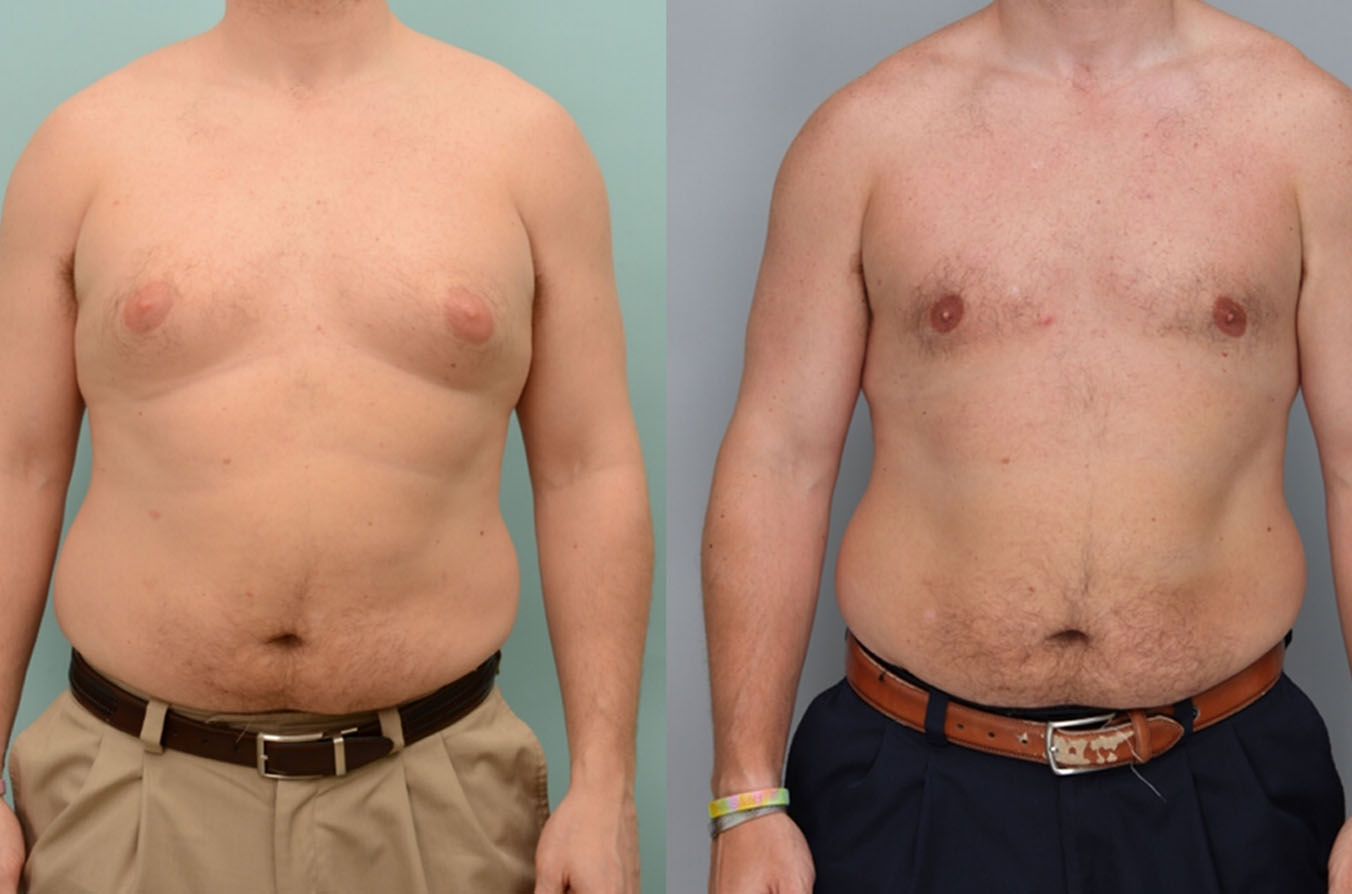
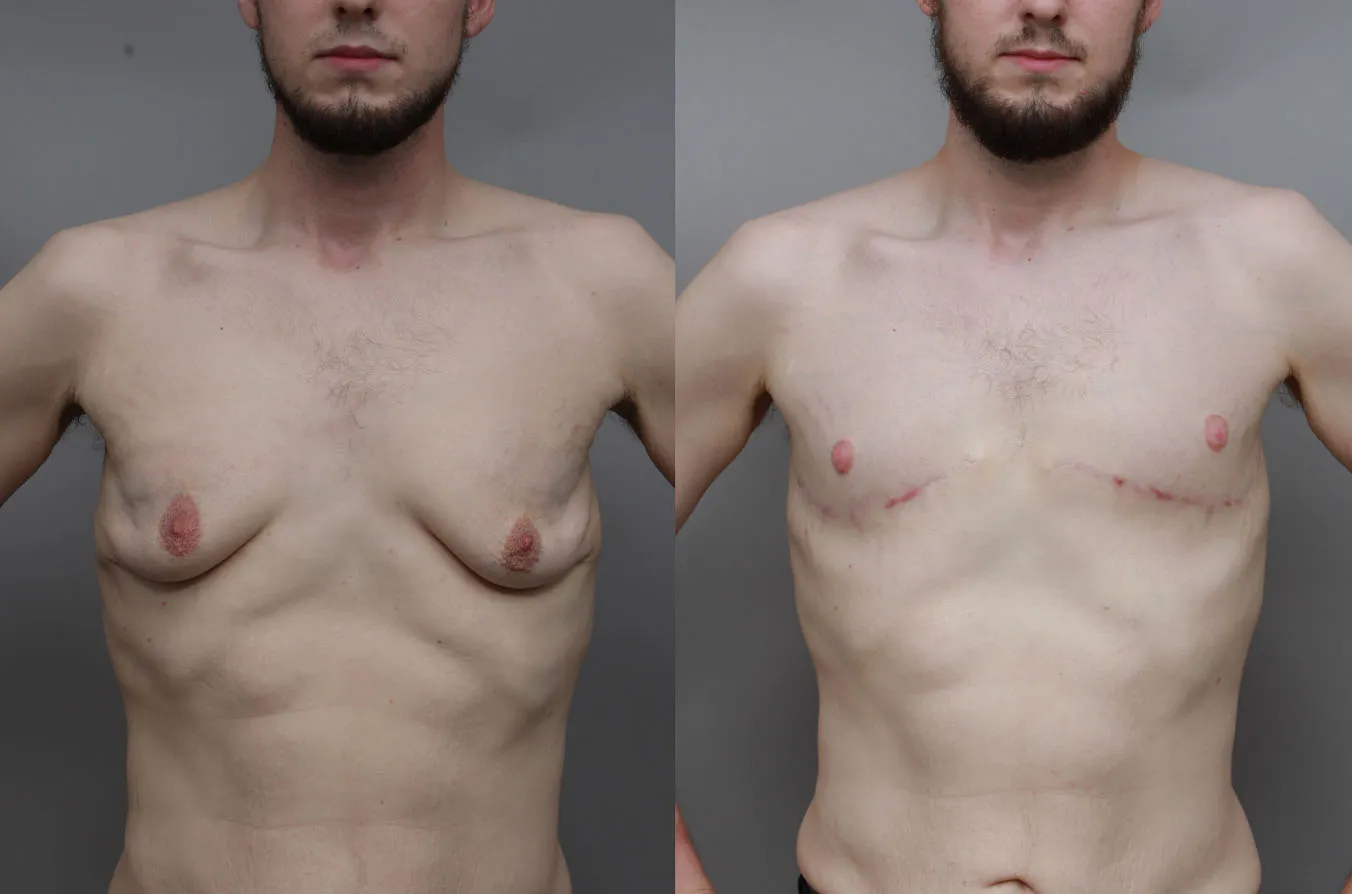
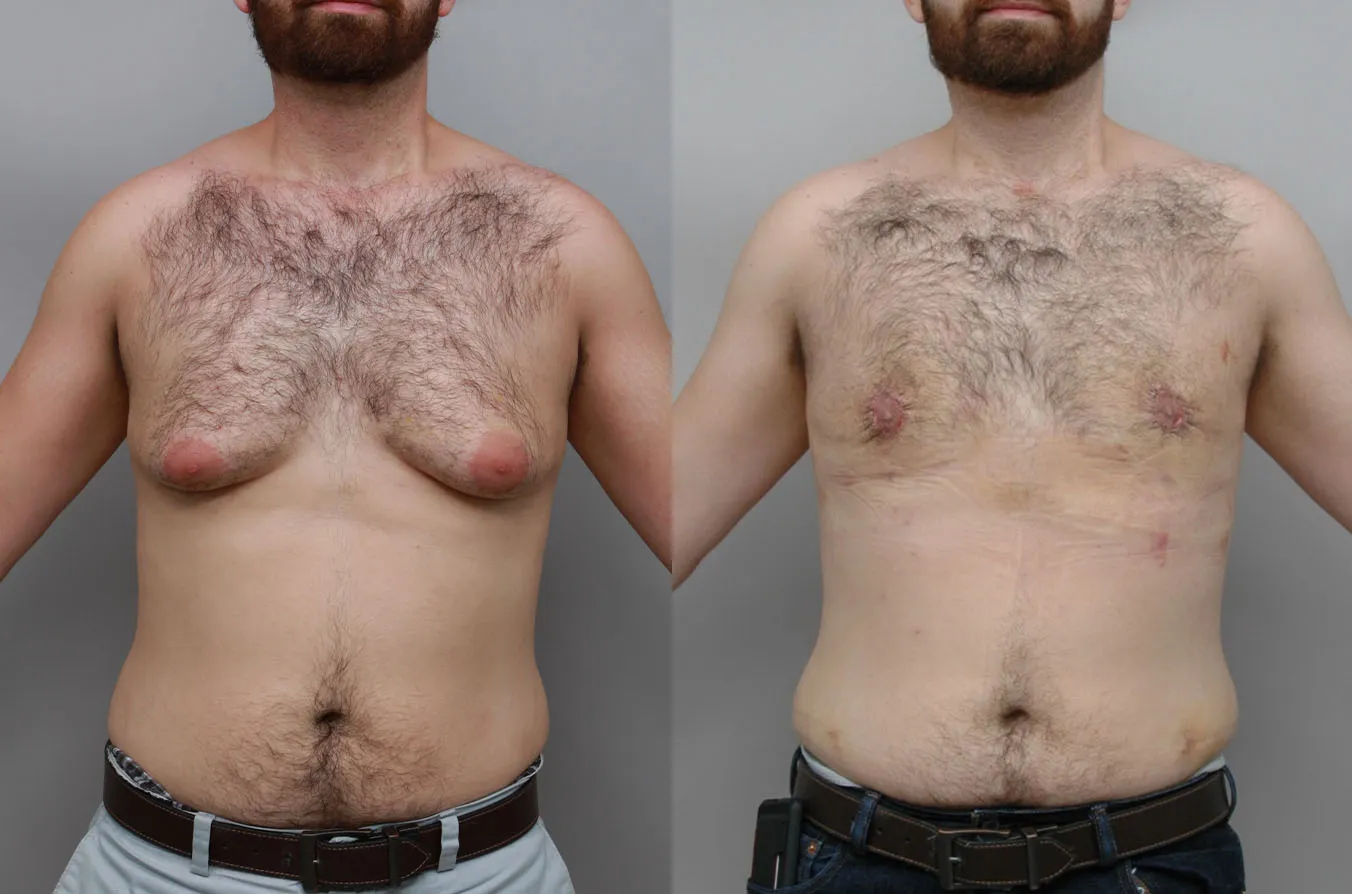
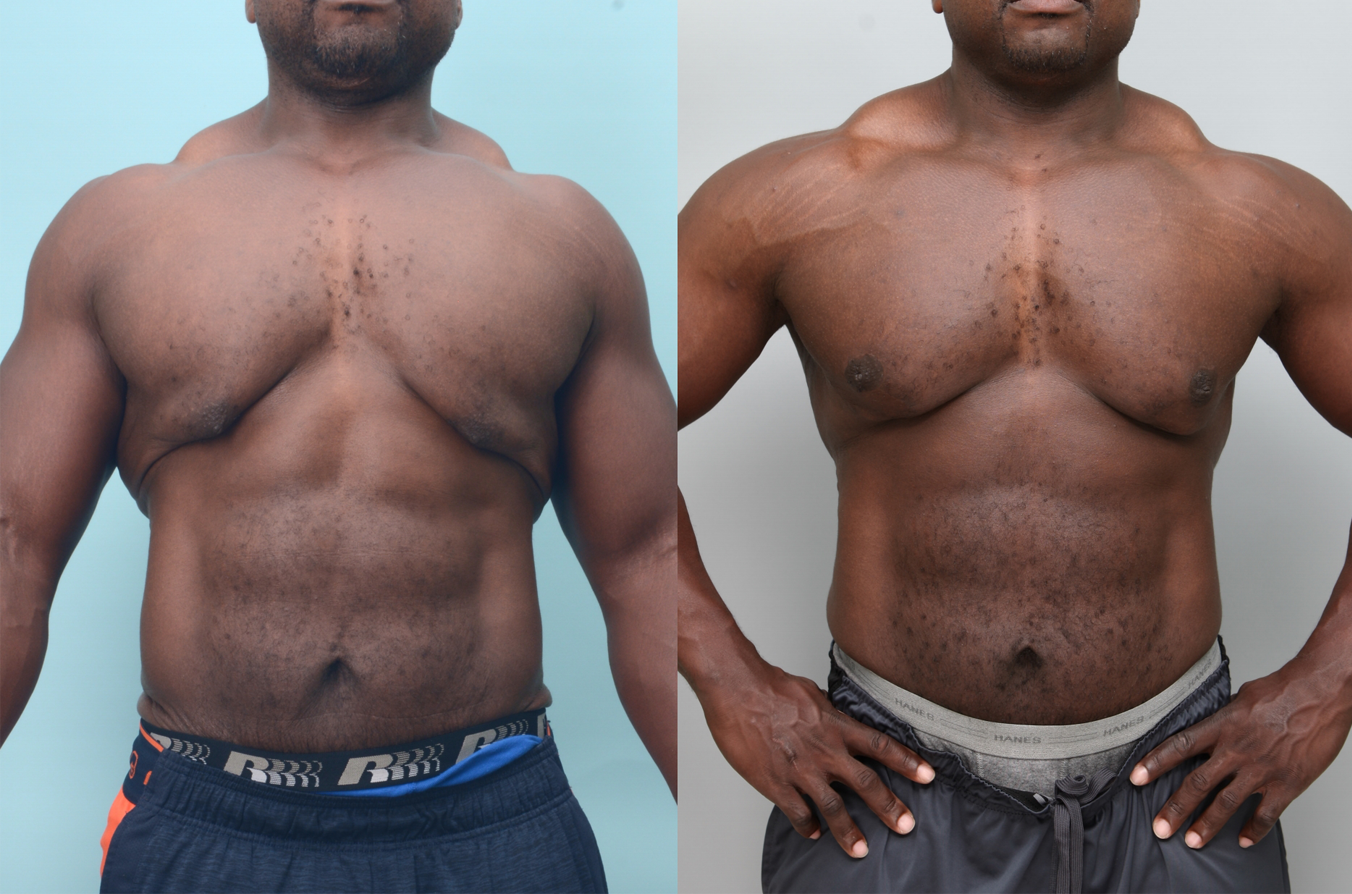
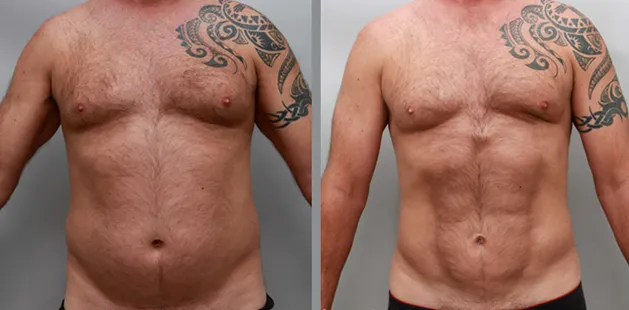
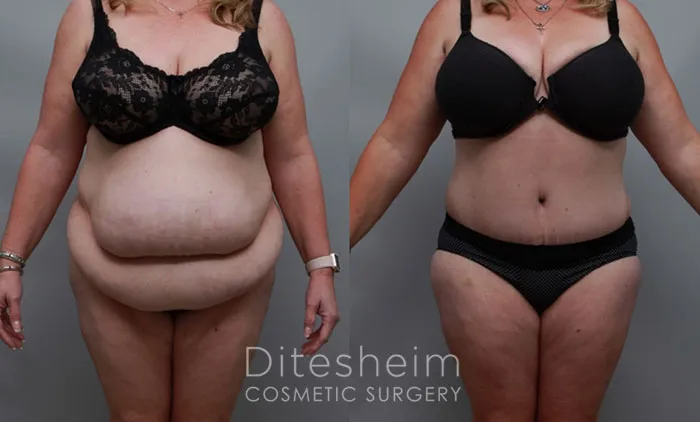
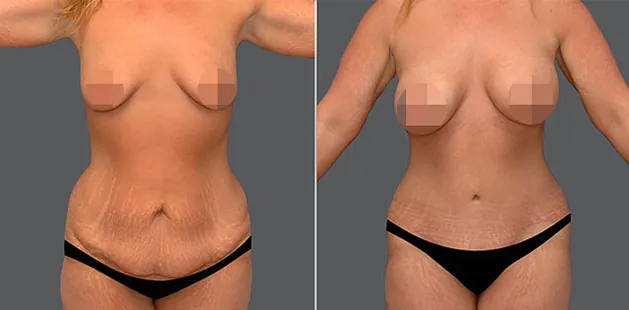
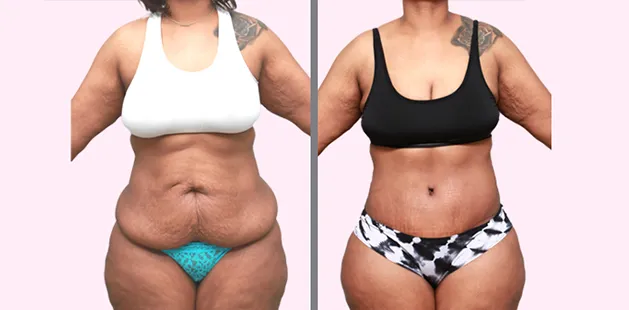
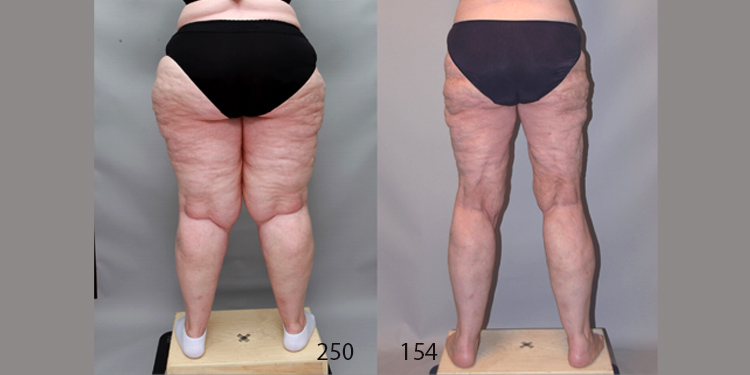
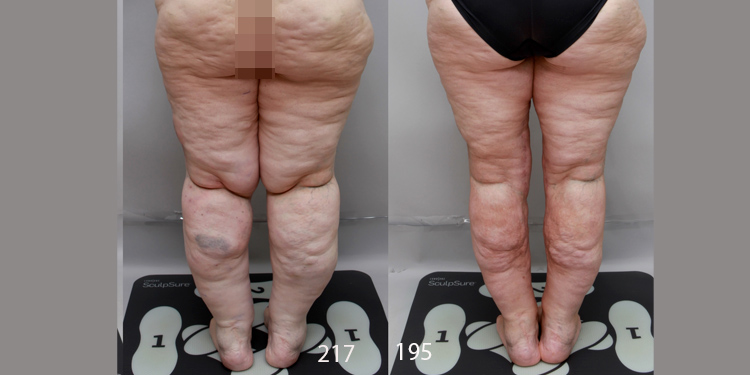
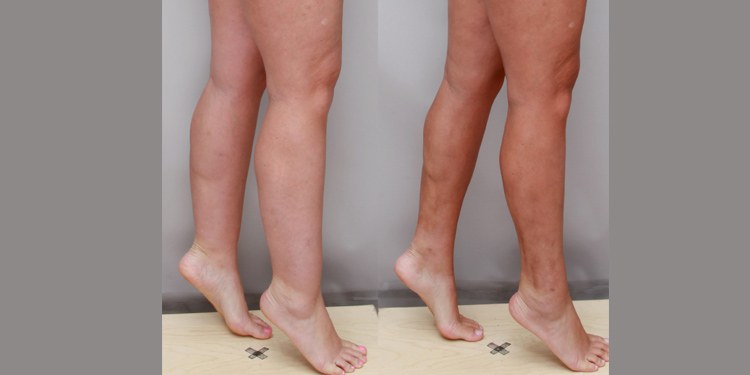
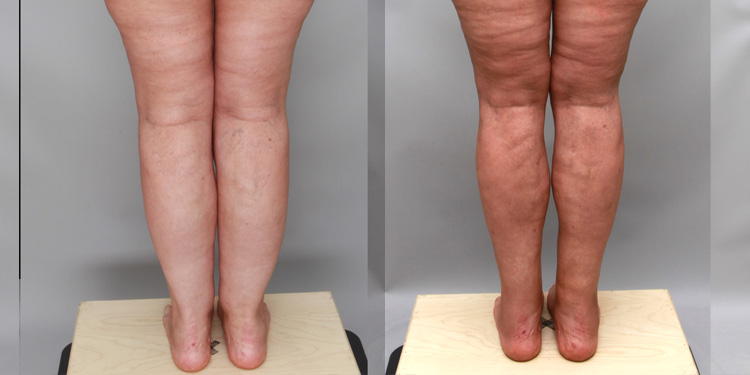
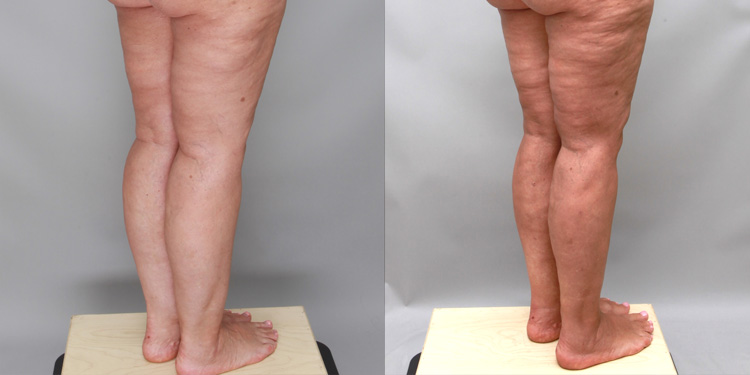
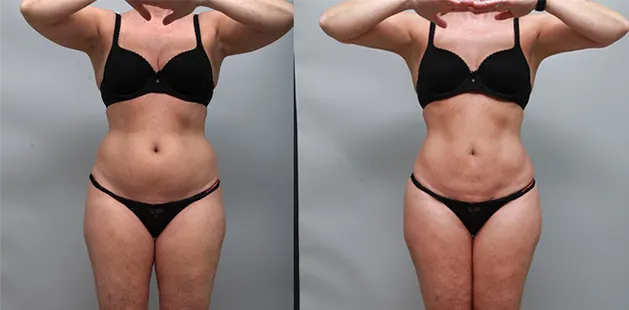
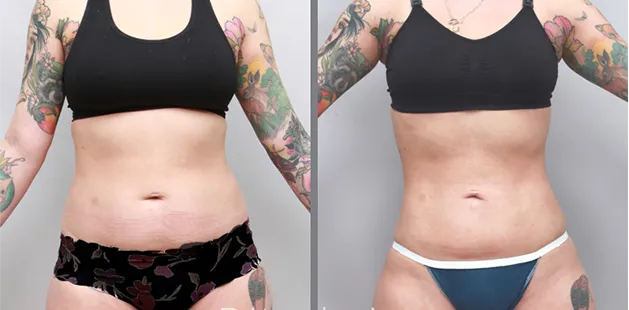
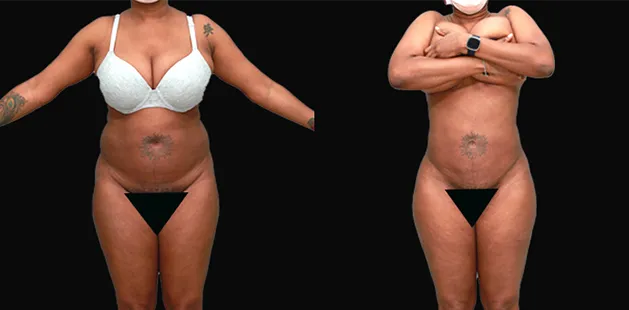
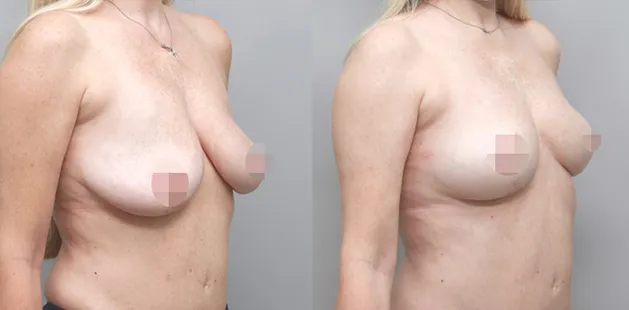
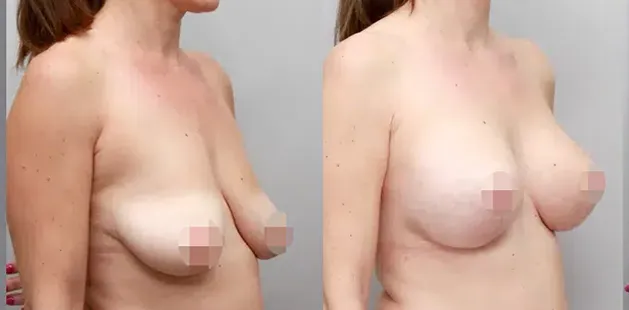
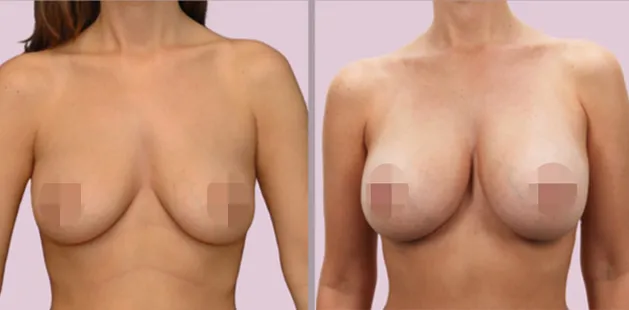
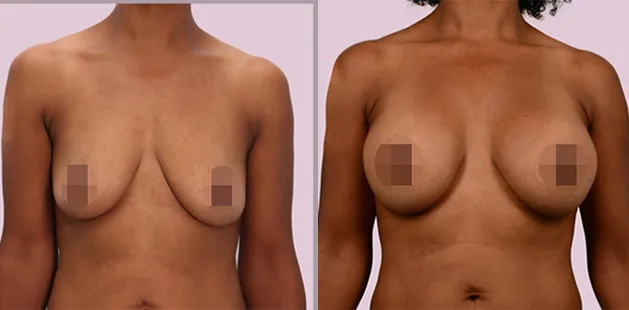
You lost the weight. You eat well, you train, and still there is a roll along the lower back or a pad beneath the chin that will not budge. That one stubborn pocket is what sends most people looking into fat reduction, and it is where two very different approaches start to compete. On one side sits surgical liposuction. On the other, a growing menu of treatments that promise to shrink fat without a scalpel.
Both can change the shape of a body. They do not do it the same way, and they do not deliver the same result. Understanding the gap is the difference between a choice you are happy with and one you quietly regret.
What Liposuction Actually Does
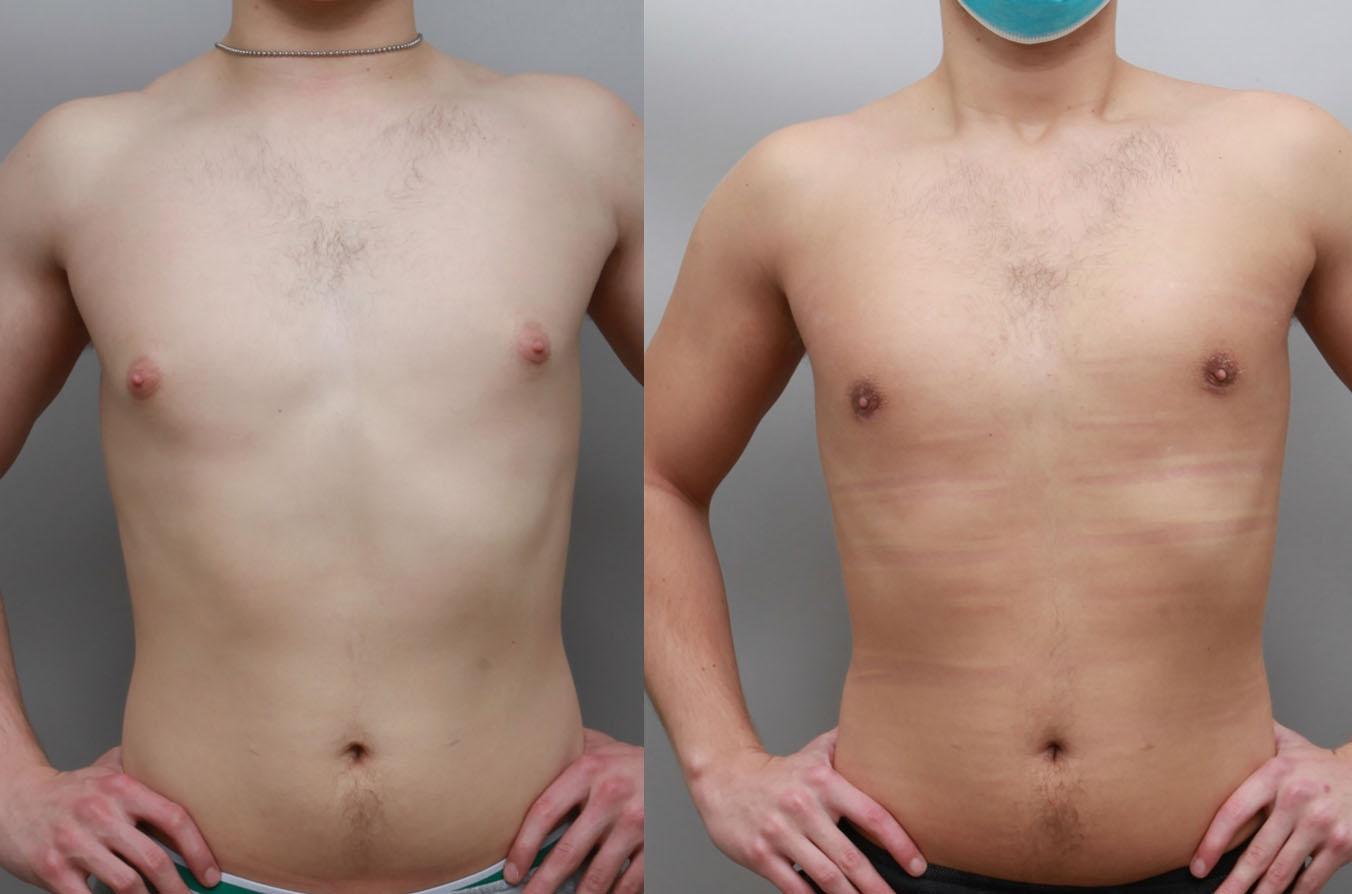
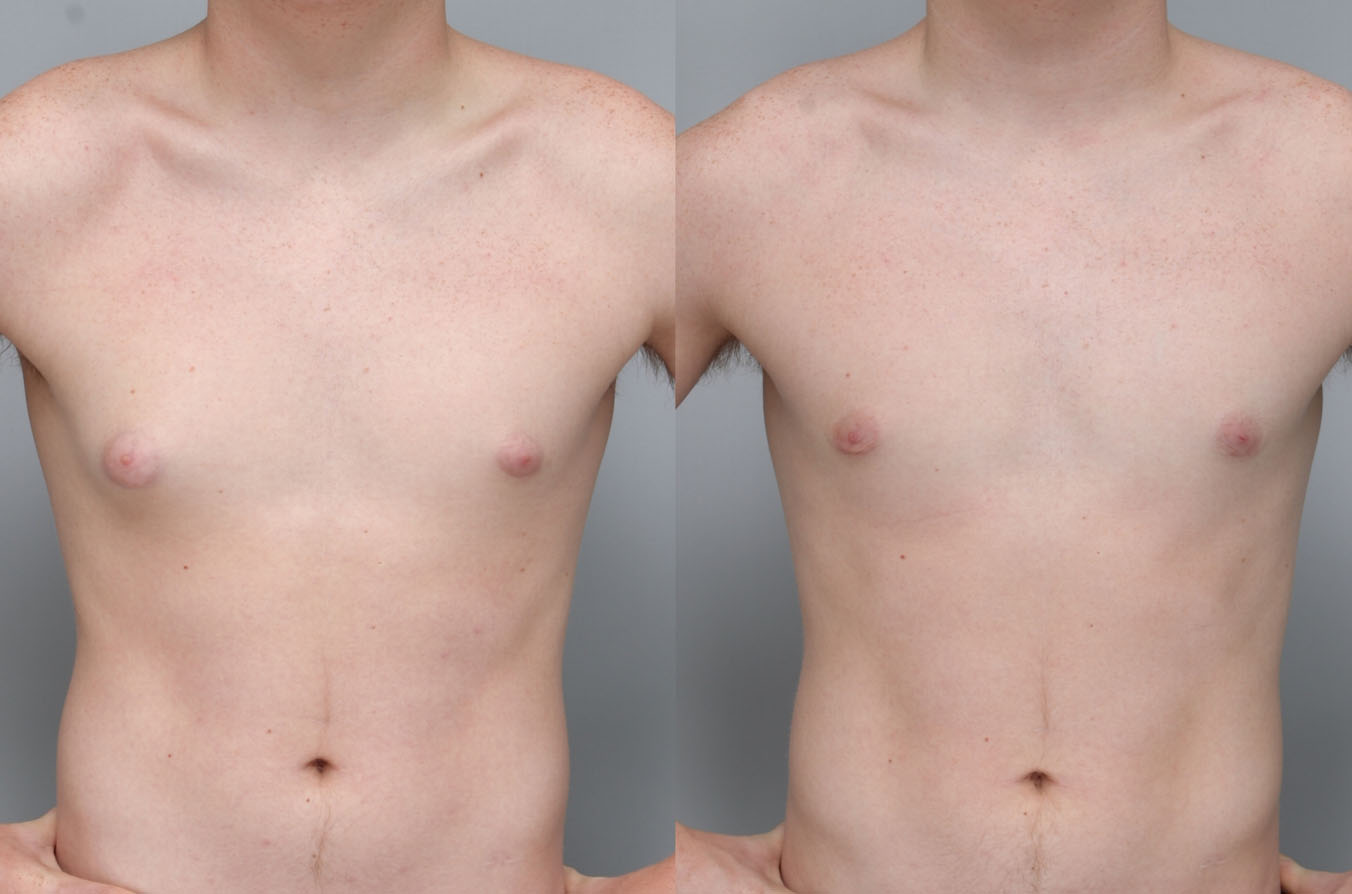
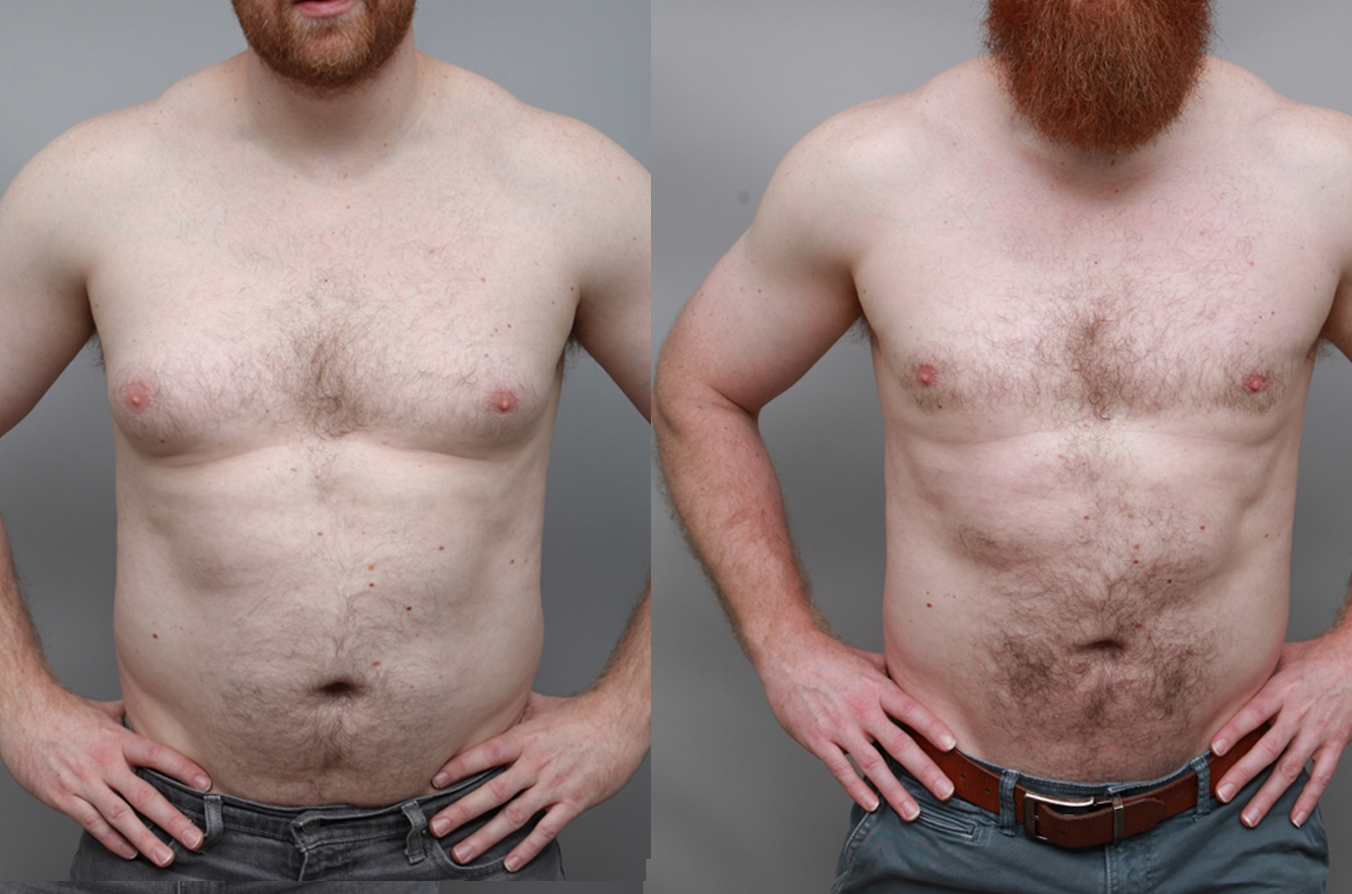
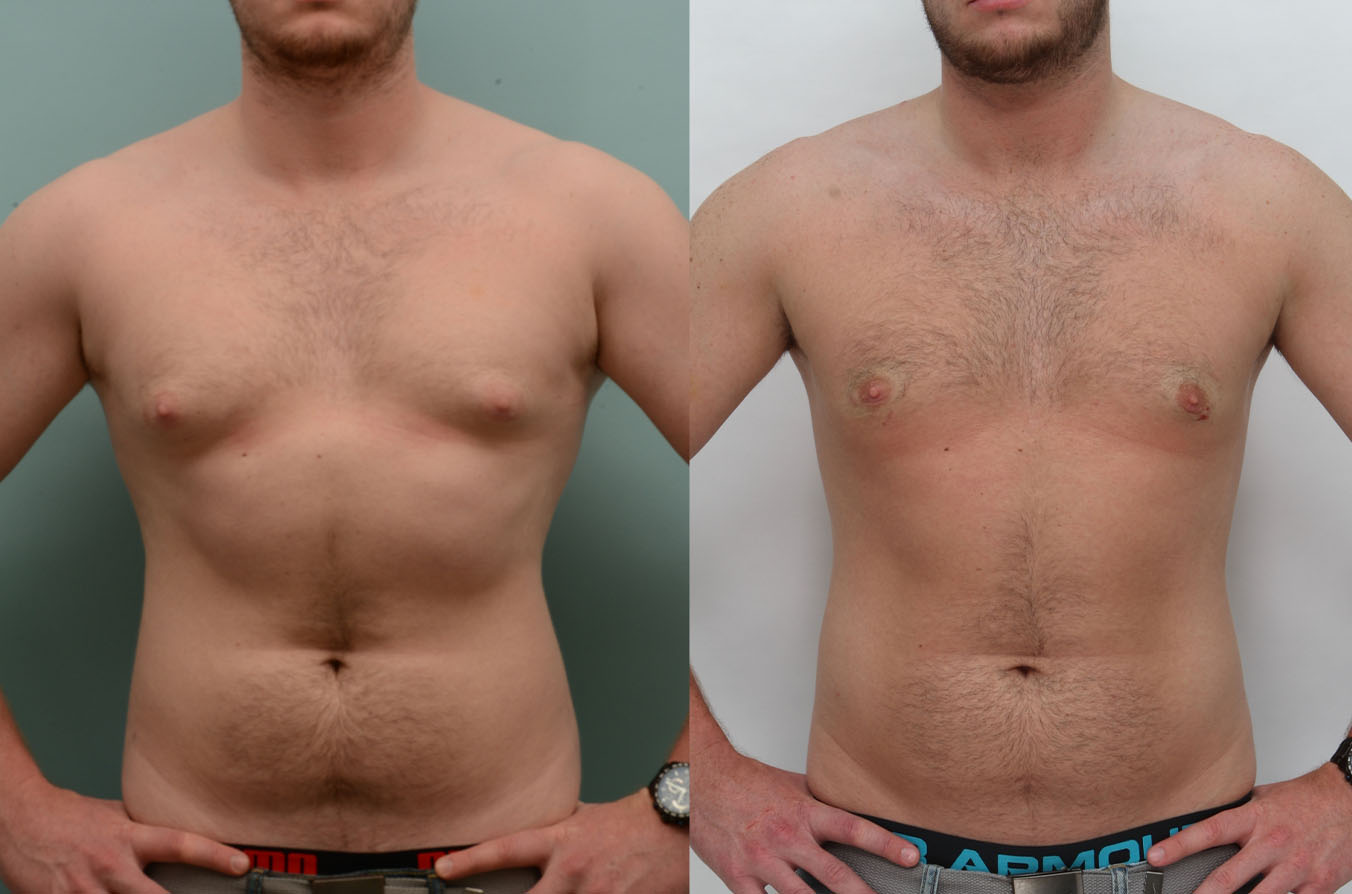
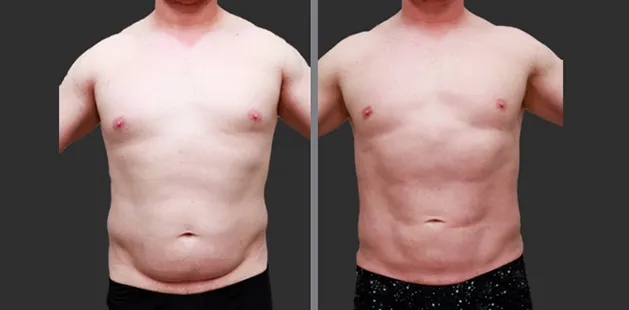
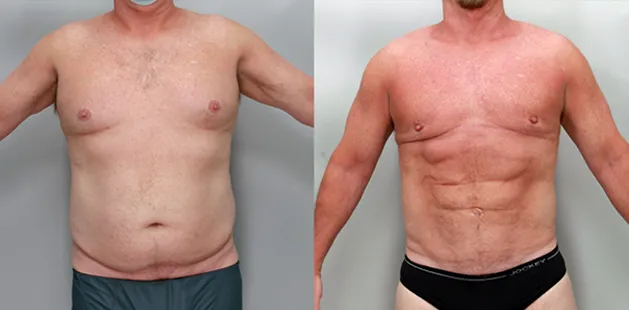
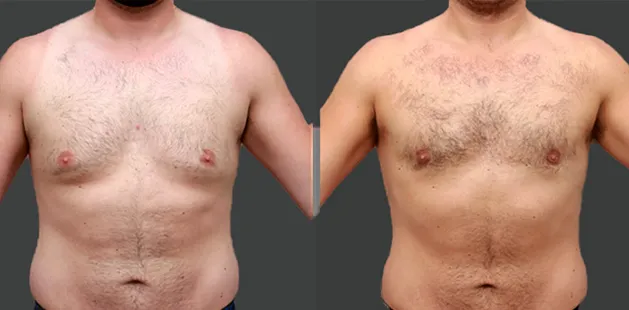
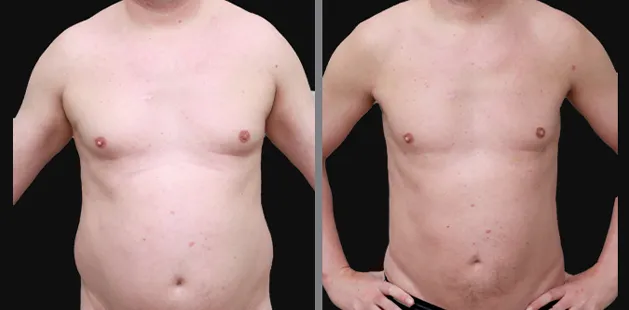
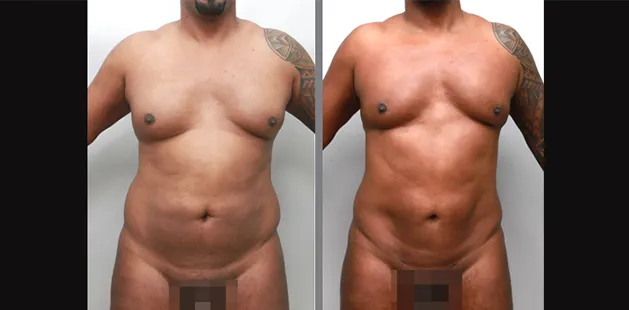
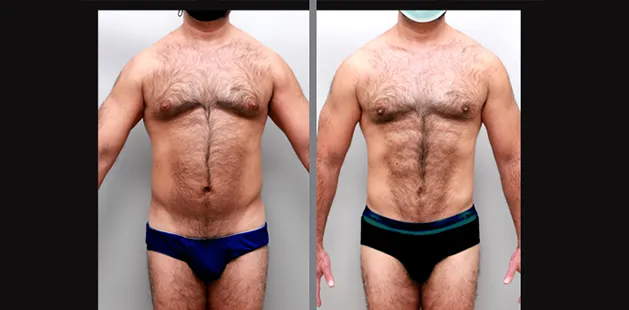
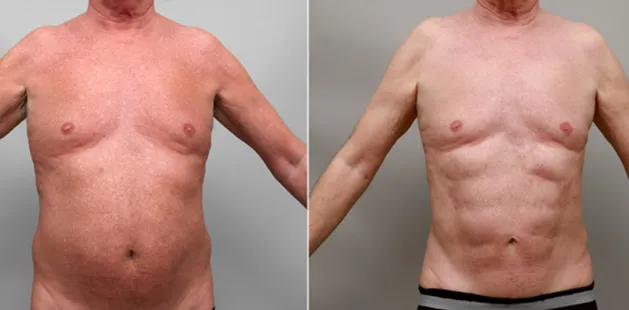
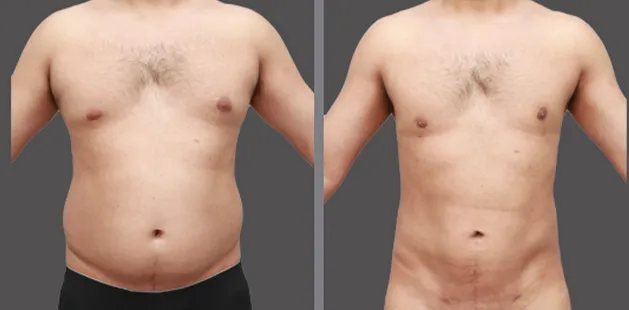
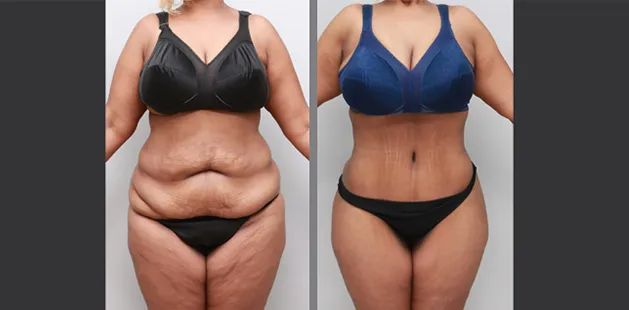
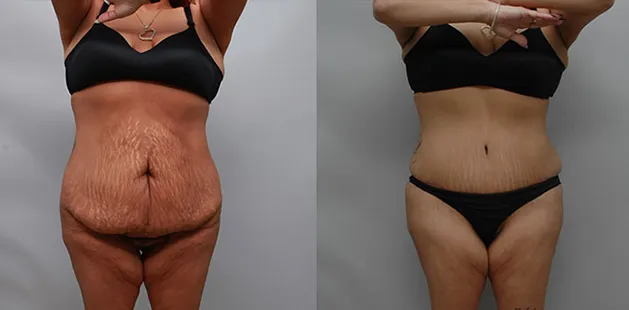
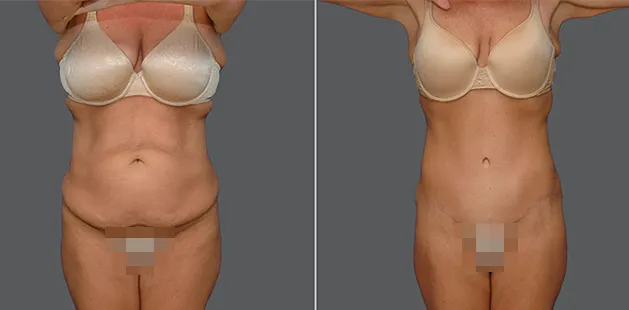
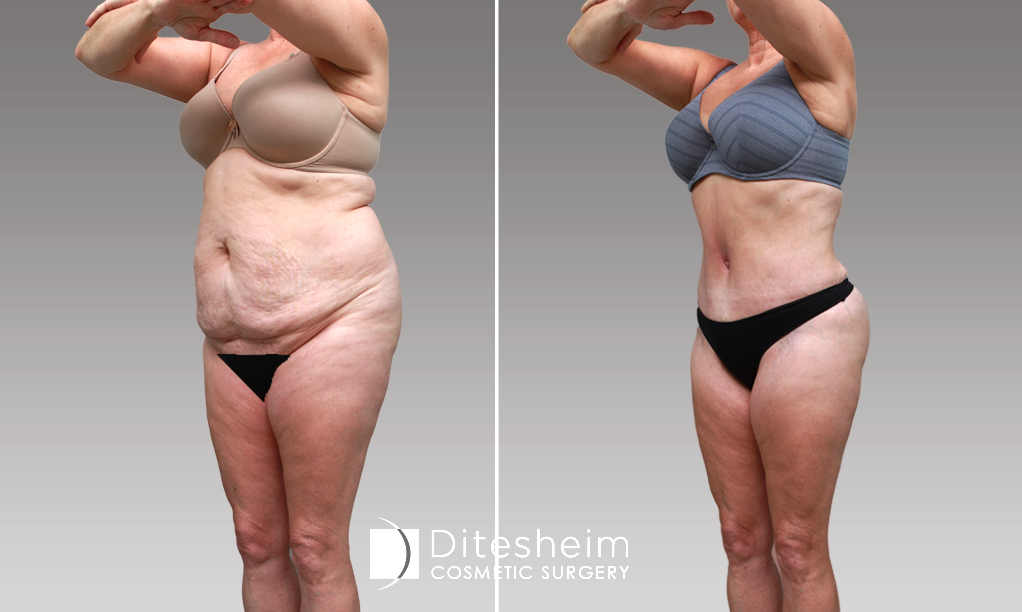
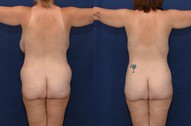
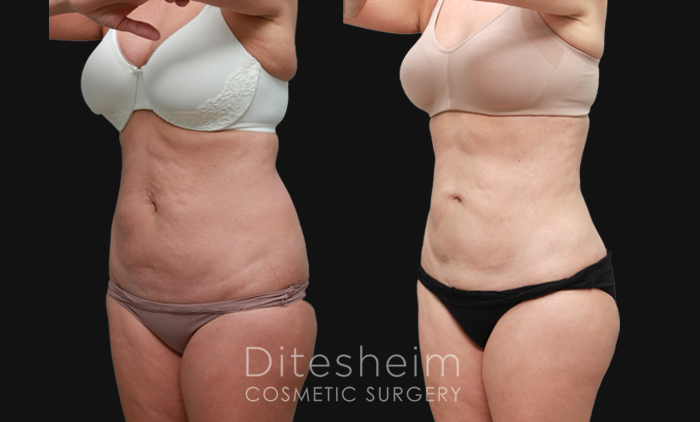
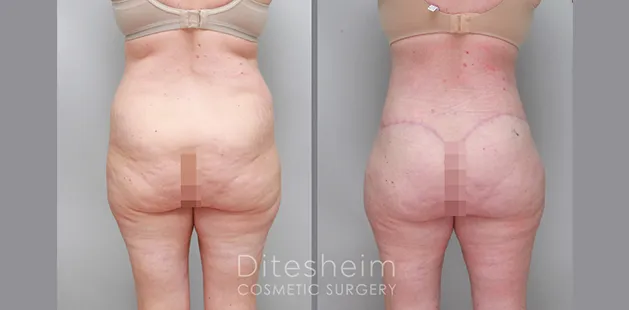
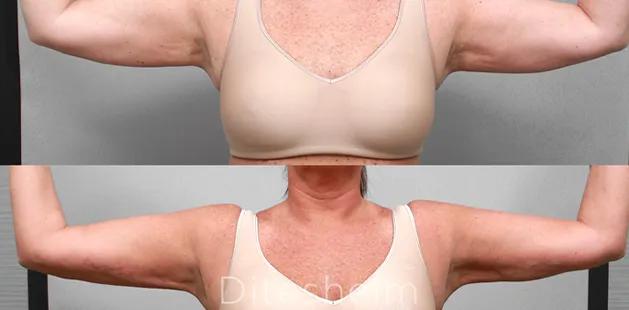
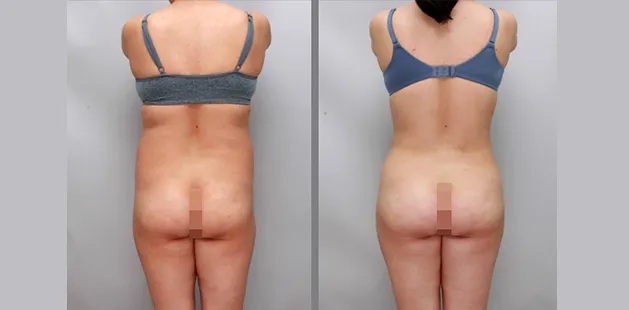
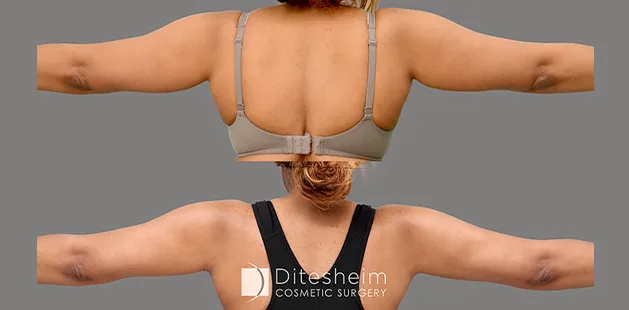
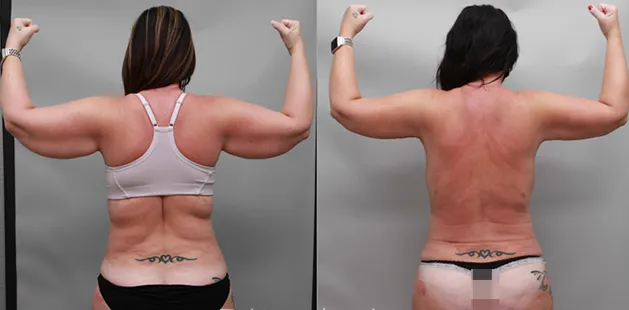
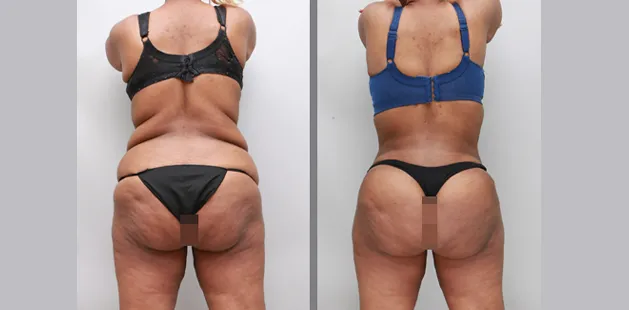
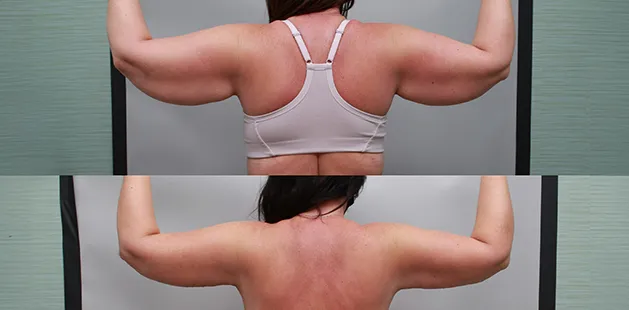
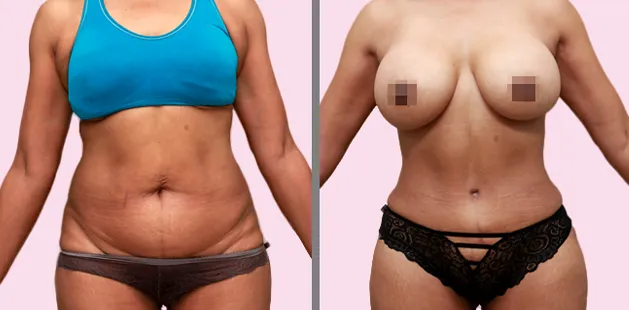
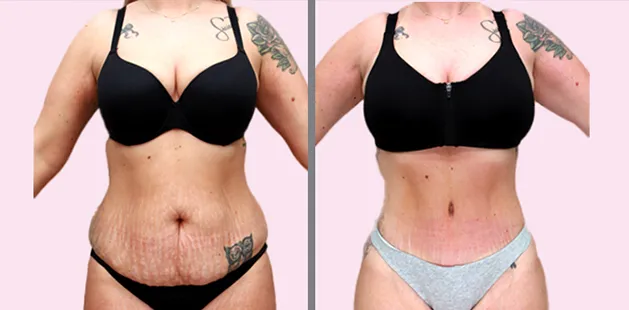
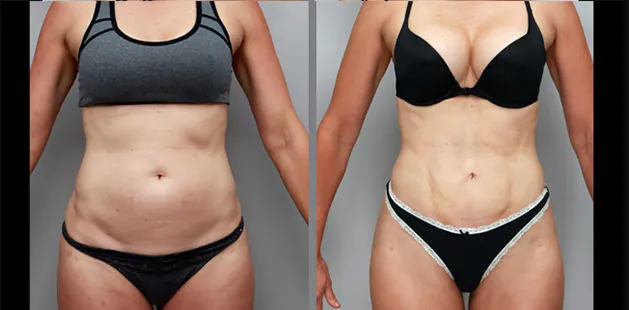
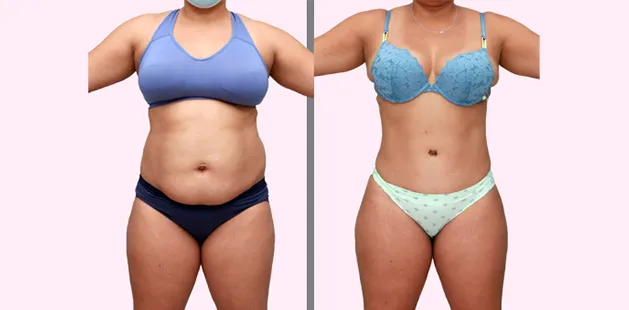
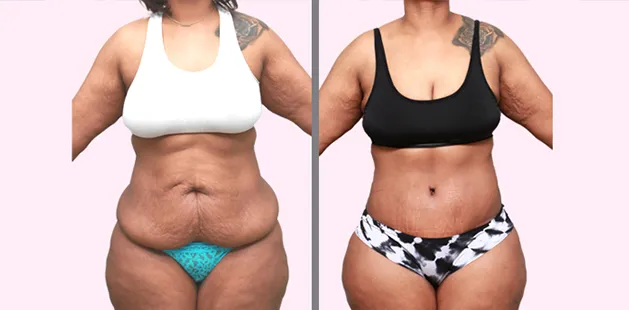
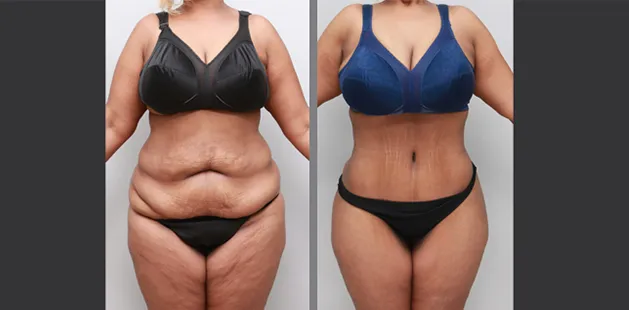
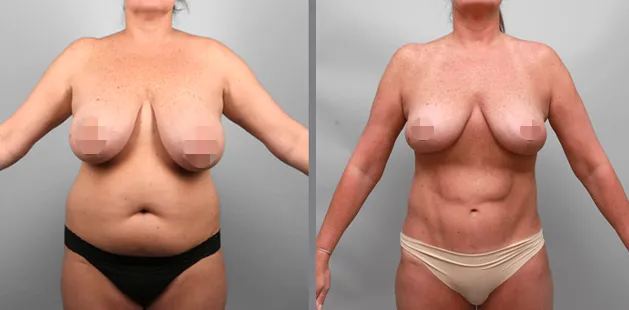
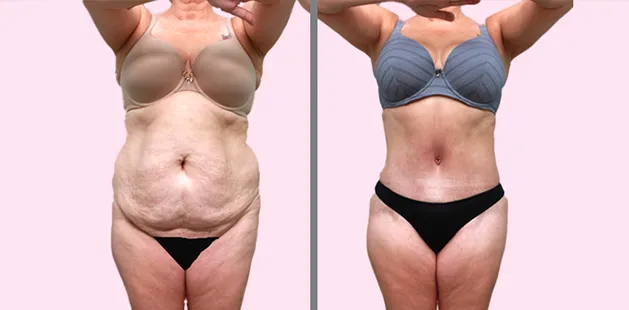
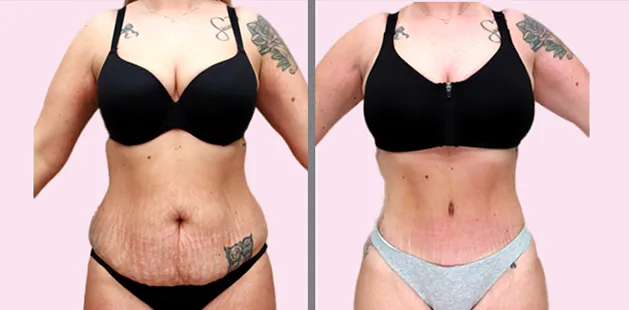
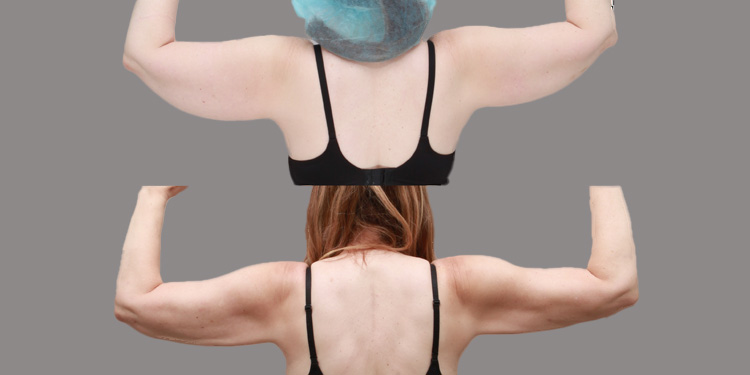
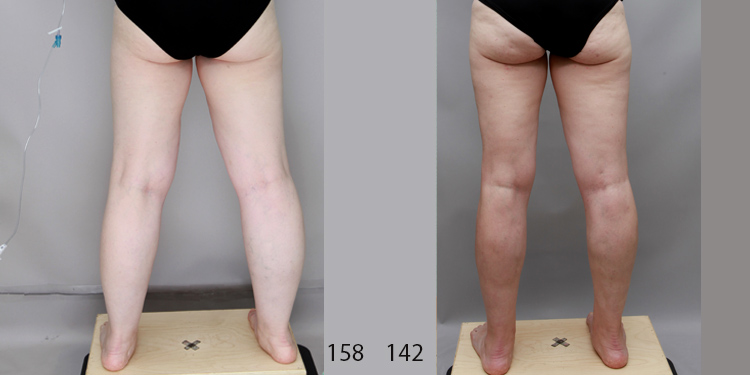
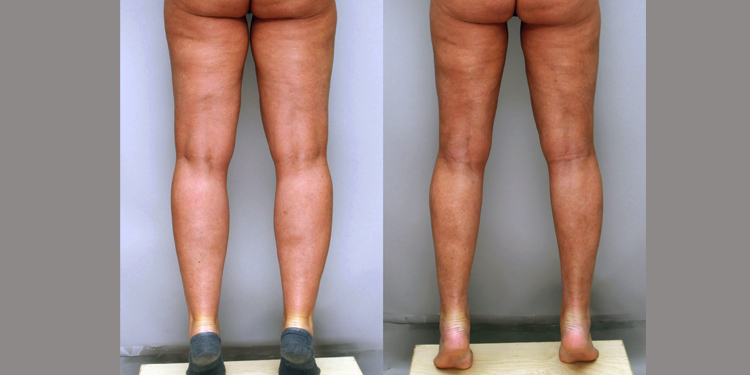
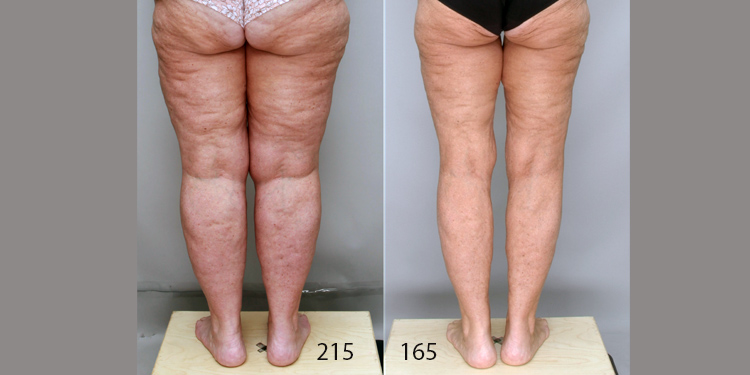
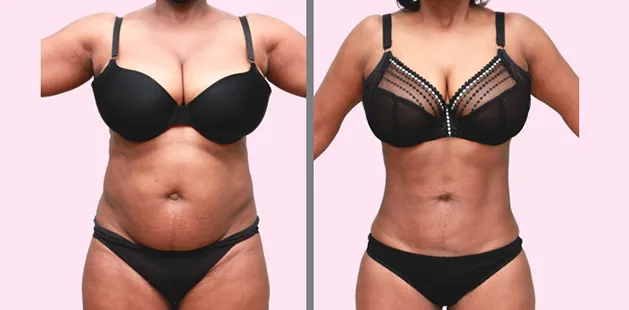
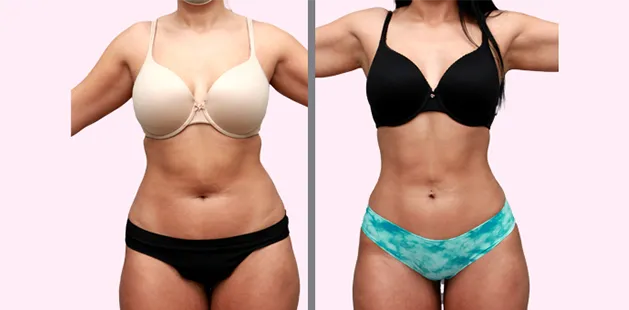
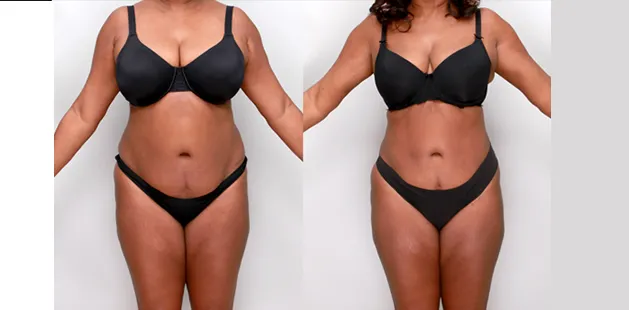
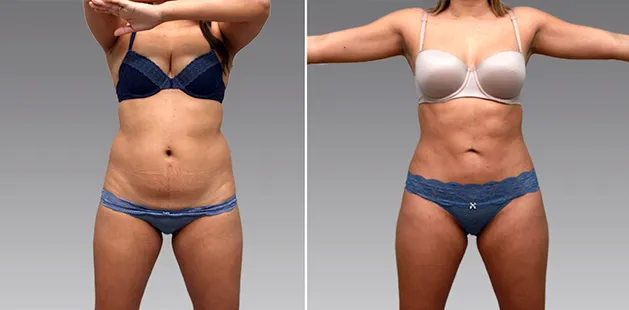
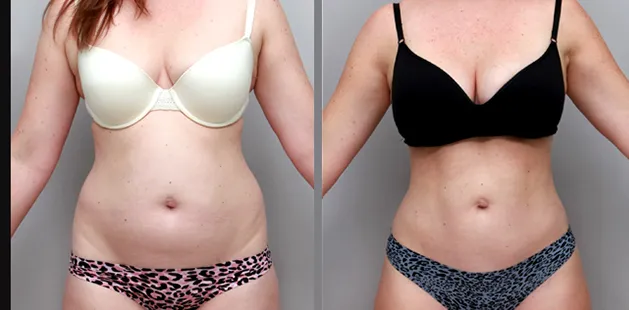
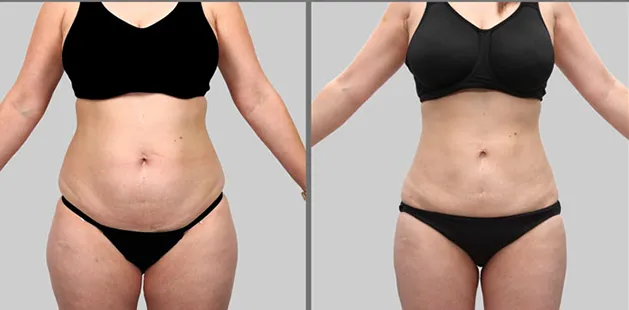
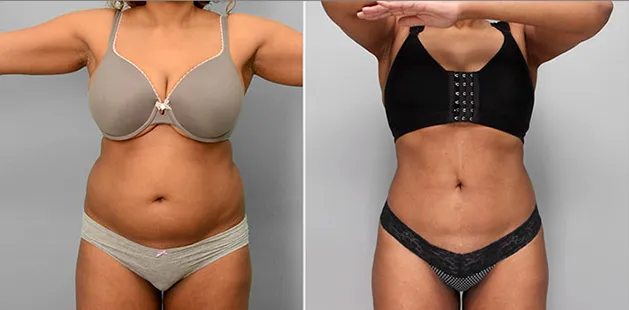
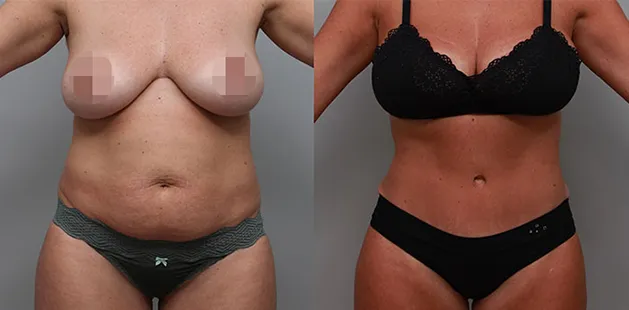
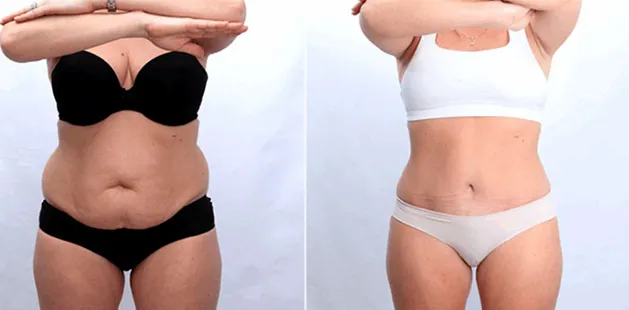
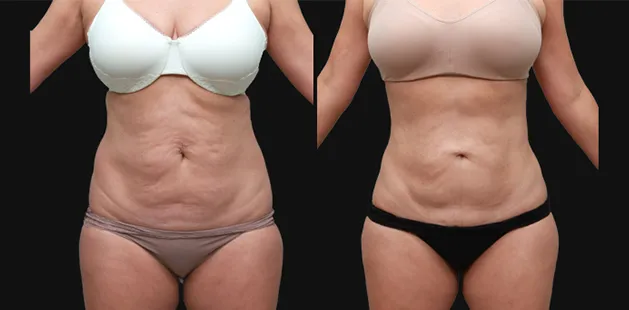
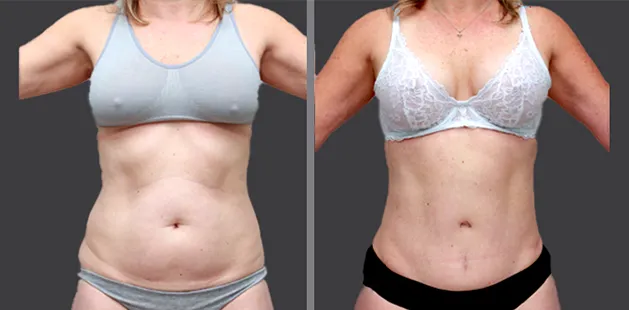
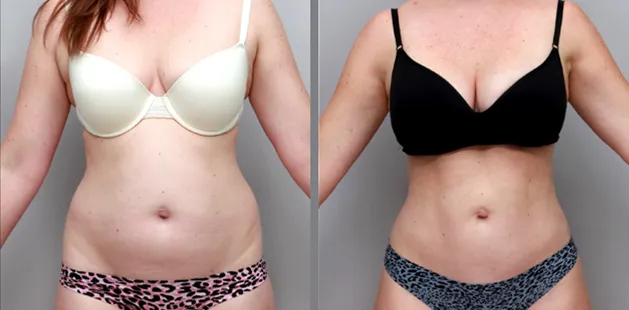
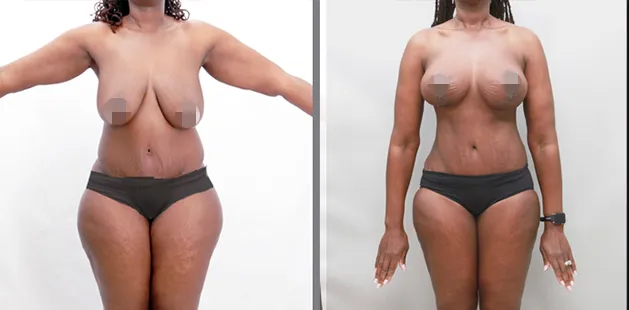
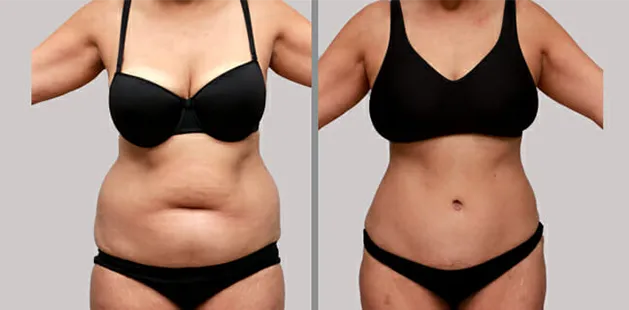
Liposuction is a removal procedure. A surgeon makes small incisions, slides a thin tube called a cannula under the skin, and suctions fat out of the targeted area. The fat cells leave the body and do not grow back. What changes is the contour itself, sculpted by hand in a single operation.
There is a ceiling on how much can come out at once. The American Society of Plastic Surgeons advises a maximum of around five liters of “aspirate” that is fat and fluid per procedure, This usually equates to 4 liters of fat or 10lb fat removal, which is why surgeons are blunt about one point: this is a contouring tool, not a weight loss method. It works best on a person already near their goal weight who has a specific area they cannot shift.
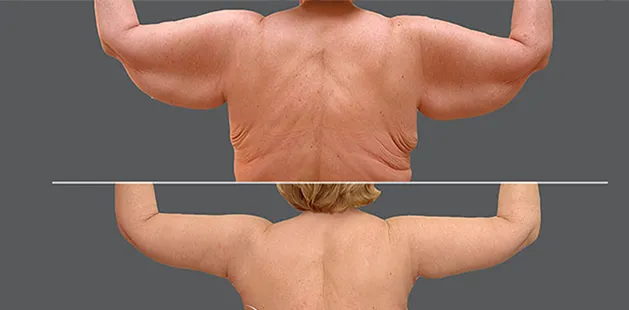
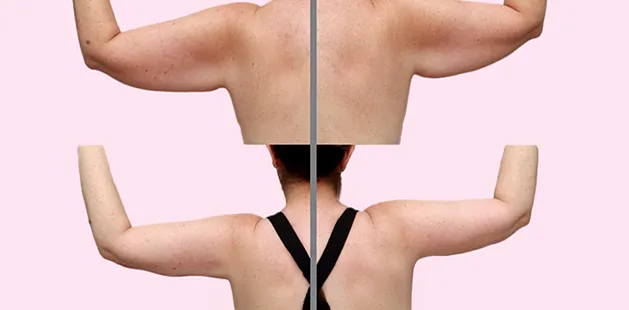
For patients researching liposuction in Charlotte NC, the appeal is precision. The surgeon decides exactly where fat goes and where it stays, shaping the abdomen, flanks, arms, thighs, or neck in one controlled session.
What Non-Surgical Fat Reduction Does
Non-surgical fat reduction takes the opposite route. Instead of pulling fat out, these treatments injure fat cells where they sit and let the body clear them over weeks. Cryolipolysis freezes them. Radiofrequency and laser devices heat them. Injectable treatments dissolve them with a medication delivered through a needle. No incisions, no anesthesia, no real downtime.
The trade is in scale and certainty. A single area usually needs several sessions, and the change is gradual rather than dramatic. Cost can stack up across those repeat visits, and the result often lands softer than the marketing implies, which is where a lot of disappointment comes from. These treatments suit small, defined trouble spots, the kind that linger after a solid diet and exercise routine. They are also the only realistic option for someone who cannot or will not have surgery.
Practices that offer a range of non-surgical procedures tend to position them as refinement, not transformation. That framing is honest. The results are real, but they are measured in subtle shifts, not before-and-after photos that stop you scrolling.
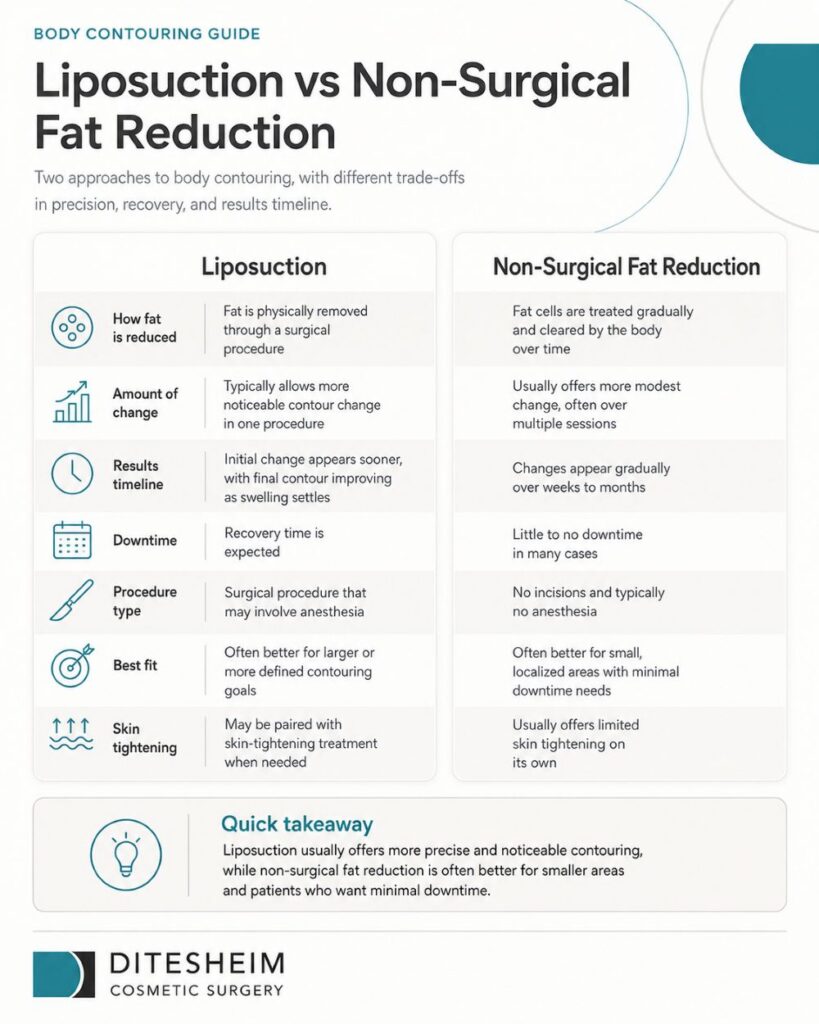
Head to Head on Contouring
Put them next to each other and the picture sharpens.
On precision, liposuction wins. A surgeon shapes tissue in real time and can blend one area into the next. Non-surgical devices treat whatever sits under the applicator, with far less control over the final line.
On volume, it is not close. Liposuction clears a meaningful amount in one visit. Non-surgical treatments nibble at the edges, which is exactly what they are built to do.
On commitment, the order flips. Surgery means incisions, recovery, and a healing window. Non-surgical treatments let most people return to their day immediately, paying instead with patience and repeat visits.
On permanence, the two are closer than people assume. Both destroy fat cells for good. Neither stops you from gaining weight later. Remaining cells can still expand, and significant weight gain can build new ones, so long-term results in either case depend on staying steady.
Who Each Option Suits Best
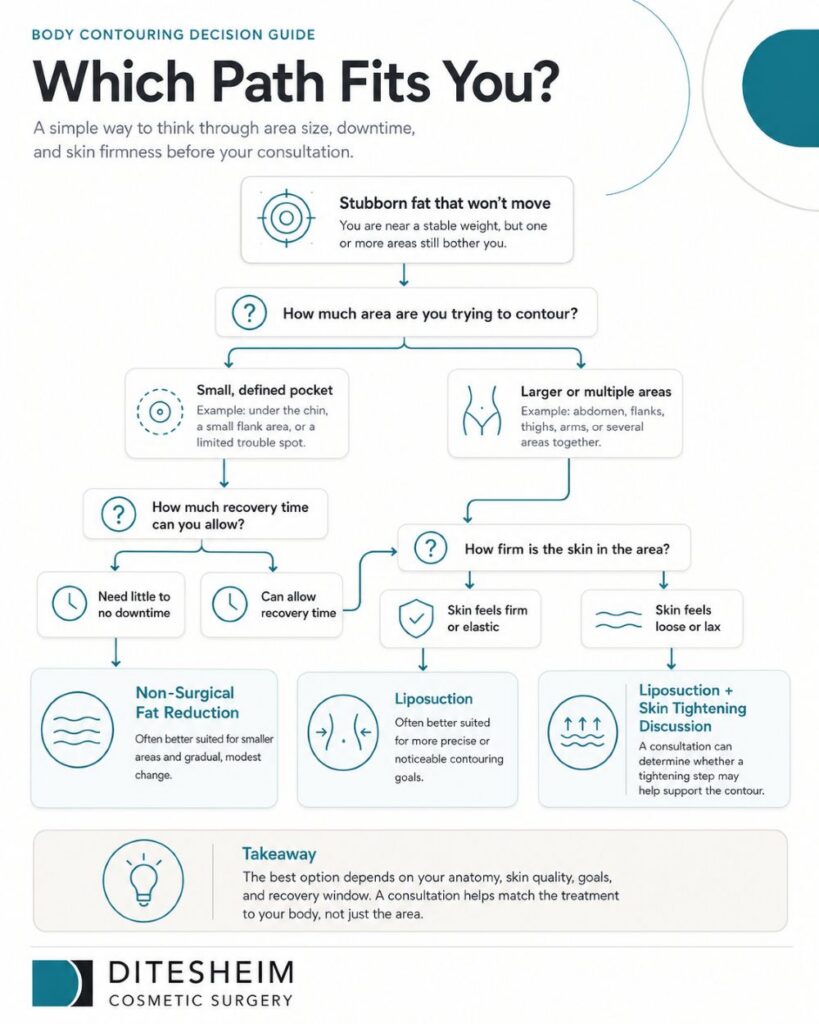
The right answer turns on three things: how much fat you want gone, how your skin behaves, and how much recovery time you can spare.
If you have larger or multiple areas and want one decisive change, surgical body contouring is the stronger fit. If you are at a stable weight with one or two small pockets and zero tolerance for downtime, non-surgical treatment makes more sense.
Skin elasticity is the quiet variable. Liposuction removes what is underneath, but it relies on skin to shrink back over the new shape. When skin does not contract well, the contour can look loose rather than tight. That is why some plans pair fat removal with a skin-tightening step such as Renuvion to firm the surface over the result. Non-surgical fat treatments do little for loose skin on their own.
Recovery is the last piece to weigh honestly. Liposuction usually means a compression garment for a few weeks, some swelling and bruising, and a return to desk work within days to a week, with the final shape settling over a few months. Non-surgical treatment skips almost all of that, which is its whole appeal, as long as you accept a smaller payoff for the easier path.
Making the Call in Charlotte
The amount of fat, skin firmness, medical history, and your desired outcome all affect which treatment is best for you. A treatment that transforms one person barely registers on another.
That is the real value of a consultation. A board-certified plastic surgeon in Charlotte can assess the area in person, walk you through the realistic outcome of each route, and tell you plainly when a less invasive option will serve you just as well. Good cosmetic surgery in Charlotte begins with honest guidance, not pressure to book a procedure.
Talk It Through With Ditesheim Cosmetic Surgery
If stubborn fat is the thing standing between you and the shape you want, the next step is a conversation, not a guess. At Ditesheim Cosmetic Surgery, Dr. Jeffrey Ditesheim reviews your goals, your anatomy, and every option on the table to build a plan around your body. Schedule your consultation for body contouring in Charlotte and find out which approach actually fits you.