For many teen boys, gynecomastia is not just a change in chest shape; it can affect how they stand, dress, swim, play sports, and feel around other people. Because puberty-related breast tissue often improves over time, the best next step is a calm, medically informed evaluation rather than a rushed decision.
Families should consider professional advice if swelling is persistent, one-sided, painful, linked with nipple discharge or a firm lump, or causing distress.
Key takeaways
- Puberty-related gynecomastia can resolve on its own; surgery is not always the first step.
- Medical evaluation is sensible when symptoms are painful, unusual, worsening, or linked to medications, supplements, or steroid use.
- Surgery is usually considered after case-by-case review when tissue has persisted and affects quality of life.
- For patients under 18, a parent or guardian must attend.
- Insurance coverage is often limited because gynecomastia surgery is commonly treated as cosmetic.
What teen gynecomastia actually means
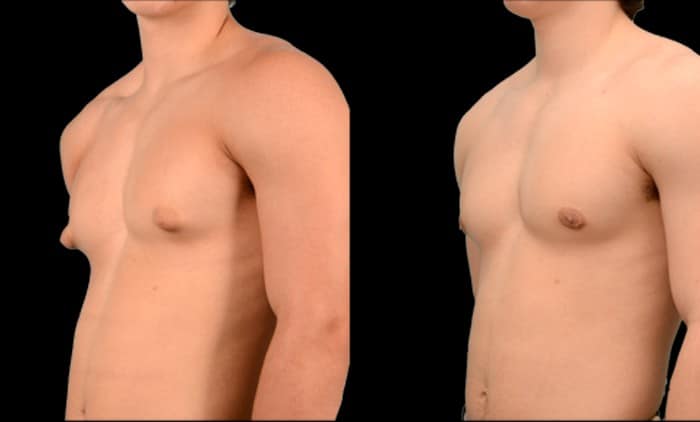
Gynecomastia means enlargement of male breast glandular tissue. It is different from chest fullness caused only by weight-related fat, although many teens have both. Exercise and weight loss may improve chest shape but often do not remove firm glandular tissue.
When a parent should arrange a medical check
A parent should arrange medical care if a teen has:
- A hard lump
- Nipple discharge
- Skin dimpling
- One-sided swelling that is getting worse
- Significant pain
- Rapid change in breast size
- Testicular symptoms
- Use of steroids, hormone supplements, or unknown supplements
When gynecomastia surgery enters the conversation
Gynecomastia surgery may be considered when breast tissue has persisted, the teen is physically and emotionally affected, and a qualified professional determines that surgery is appropriate. The American Society of Plastic Surgeons states that adolescents may benefit from gynecomastia surgery, while also noting that another procedure may be needed later if breast development continues.
At Ditesheim Cosmetic Surgery in Charlotte, teen gynecomastia evaluation is handled case by case. Surgery is commonly considered when tissue has been present for about one year, the teen is around age 13 or older, and the condition is causing emotional distress. For patients under 18, a parent or guardian must attend the consultation and surgery.
Surgery is not meant to treat every case of puberty-related swelling. It is meant to address persistent tissue and chest contour concerns when monitoring or medical evaluation is no longer enough.
Why families should not rush the decision
For many boys, the hardest part is embarrassment, teasing, sports anxiety, or reluctance to swim or change clothes around peers. Those concerns are real, but puberty-related gynecomastia can improve over time, so decisions should start with duration, symptoms, and development stage.
Watching and waiting may be okay if the swelling is new, mild, not changing, and not causing serious stress. Families should also think about possible causes, such as steroids, marijuana, some medicines, supplements, or hormone-related health issues; if a medical cause may be involved, it is best to start with a pediatrician or hormone specialist.
Observation, medical evaluation, or surgery?
| Situation | What it may suggest | What to do |
| Mild swelling for a few months during puberty | Often a temporary pubertal change | Monitor with a pediatrician if symptoms are otherwise normal |
| Pain, discharge, hard lump, or skin changes | Needs medical assessment | Contact a pediatrician promptly |
| Chest fullness after major weight change | Fat, loose skin, glandular tissue, or a mix | Seek an exam to identify what is present |
| Firm tissue under the nipple lasting a year or more | Persistent glandular gynecomastia may be present | Consider a specialist consultation |
| Avoidance of sports or social activities | Emotional impact is part of the decision | Discuss options with a qualified professional and parent or guardian |
What Gynecomastia surgery can and cannot change
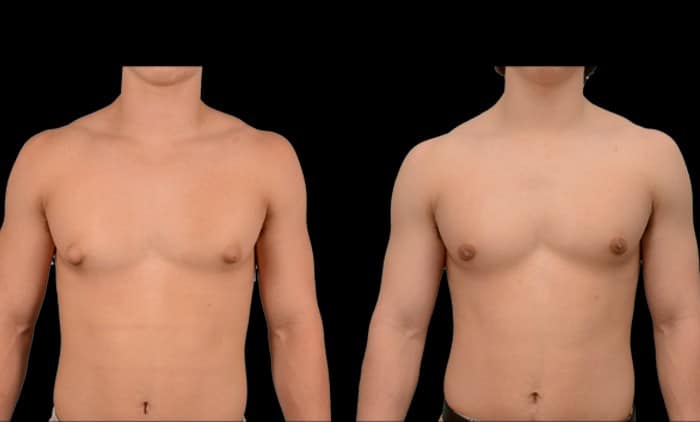
- Gynecomastia surgery, also called male breast reduction, is designed to reduce enlarged male breast tissue and improve chest contour.
- The American Society of Plastic Surgeons describes it as surgical correction of overdeveloped or enlarged breasts in men and notes that adolescents may benefit, although future procedures may be needed if breast development continues.
- Surgery may involve glandular tissue removal, liposuction for excess fat, skin adjustment in selected cases, or a combination.
- It cannot guarantee perfect symmetry, prevent future changes, or address untreated medical drivers. It also does not replace support for body image concerns, bullying, anxiety, or depression.
At Ditesheim Cosmetic Surgery in Charlotte, evaluation is individualized. Based on the information provided, surgery is commonly assessed case by case when tissue has been present for about one year, the teen is around age 13 or older, and distress is significant. For minors, a parent or guardian must attend.
What to bring to a teen gynecomastia consultation
Before speaking an expert, gather:
- Approximate start date and whether the tissue has changed
- Pain, tenderness, nipple discharge, skin changes, or lumps
- Current medications, supplements, prohormones, or steroid history
- Recent weight changes, athletic goals, and growth pattern
- Prior pediatrician, endocrinology, lab, or imaging notes
- The teen’s own concerns, not only the parent’s concerns
This helps determine whether monitoring, medical evaluation, or surgery discussion is appropriate.
If chest fullness is persistent, unclear, painful, or affecting confidence, it may be worth getting tailored advice. You can schedule a consultation or call 704-542-8686 to understand whether Ditesheim Cosmetic Surgery is the right fit and what comes next.
Frequently asked questions
Is teen gynecomastia usually permanent?
Not always. Puberty-related gynecomastia may improve over time. Persistent firm tissue is less likely to respond to exercise alone.
Can working out get rid of puffy nipples?
Exercise can build pectoral muscles and reduce body fat, but it usually cannot remove true glandular tissue under the nipple.
What age can a teen consider gynecomastia surgery?
There is no single age. Surgery is considered on a case-by-case basis, commonly for teens age 13 or older when tissue has persisted and distress is significant.
Does a parent need to be involved?
Yes. For patients under 18, a parent or guardian must attend the consultation and surgery.
Will insurance pay for teen gynecomastia surgery?
Often not. Many insurers classify gynecomastia surgery as cosmetic, although families should check their own plan.
Disclaimer: This article provides general information only. It does not take into account your teen’s specific medical history, growth pattern, emotional wellbeing, or surgical risks and should not be relied on as medical advice. For advice about your situation, speak with a suitably qualified healthcare professional.
About the Author:

Dr. Jeffrey Ditesheim, MD, FACS, is a board-certified plastic surgeon in Charlotte, North Carolina, with more than 30 years of experience helping patients feel confident through face, body, and breast procedures. A Fellow of the American College of Surgeons, he combines advanced surgical training with a commitment to patient care, safety, and natural-looking results.