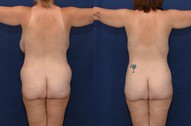
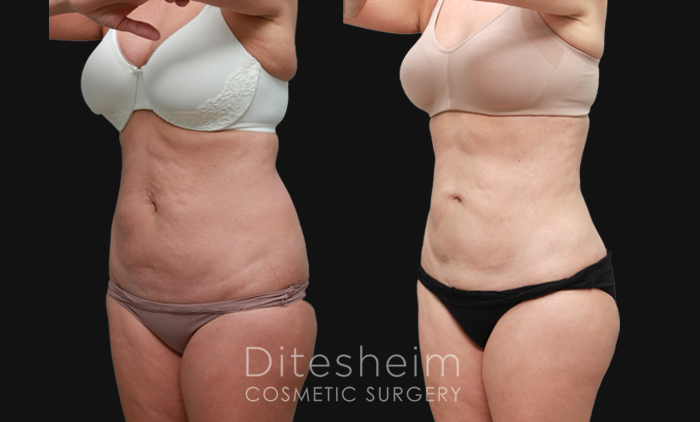
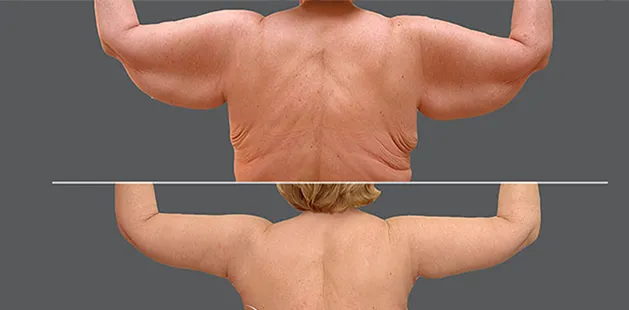
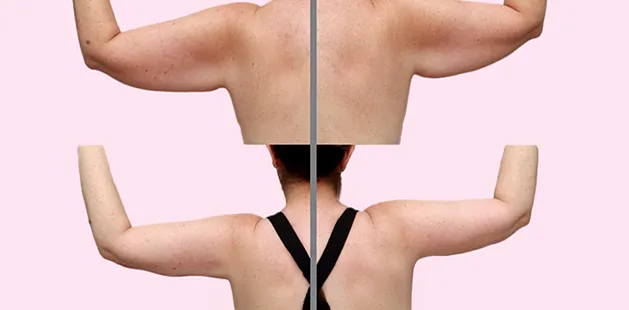
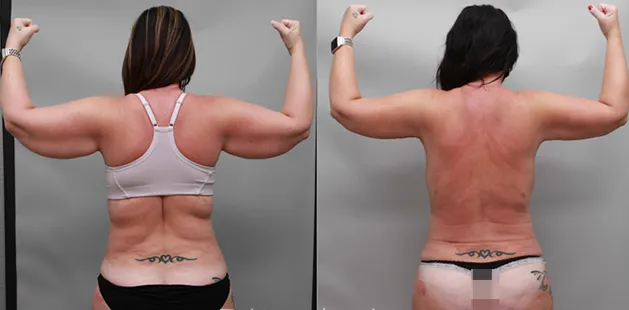
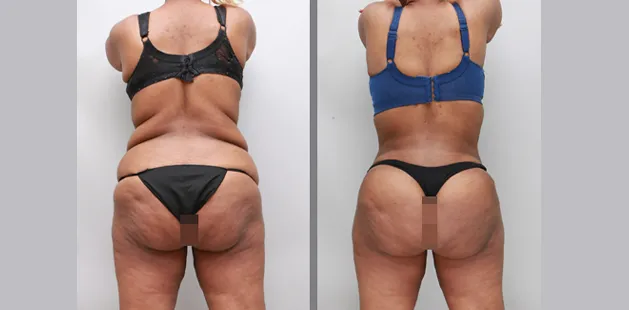
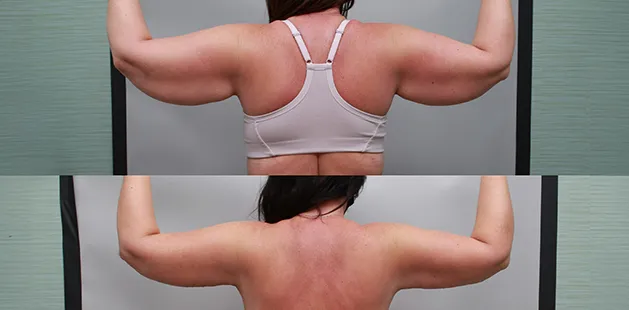
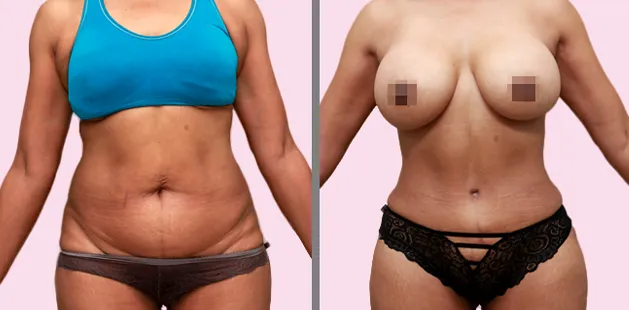
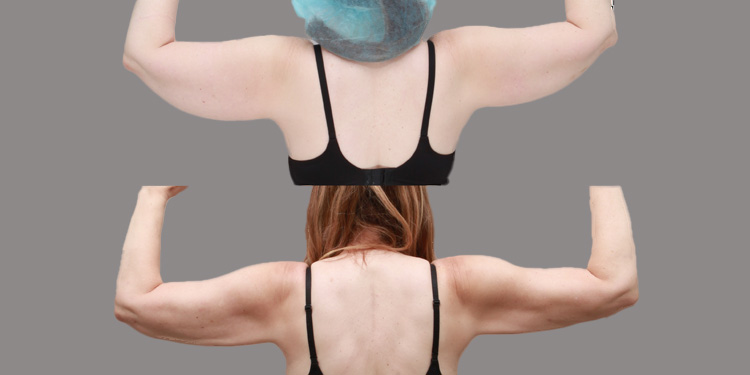
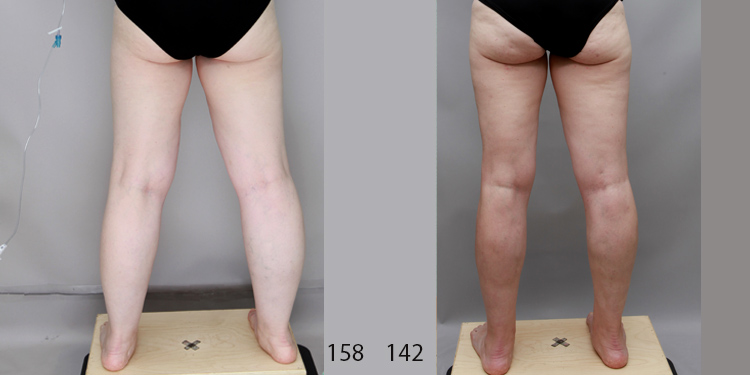
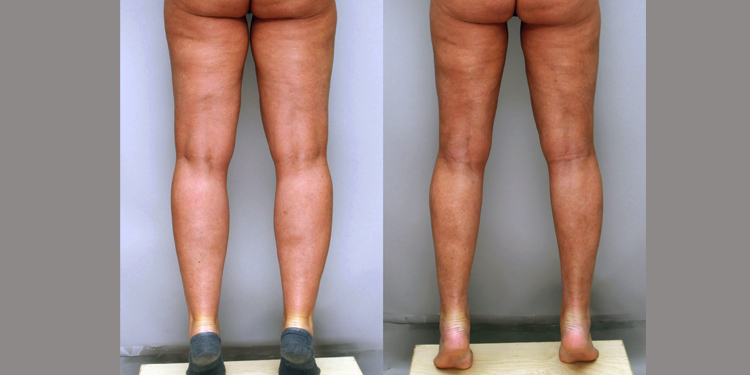
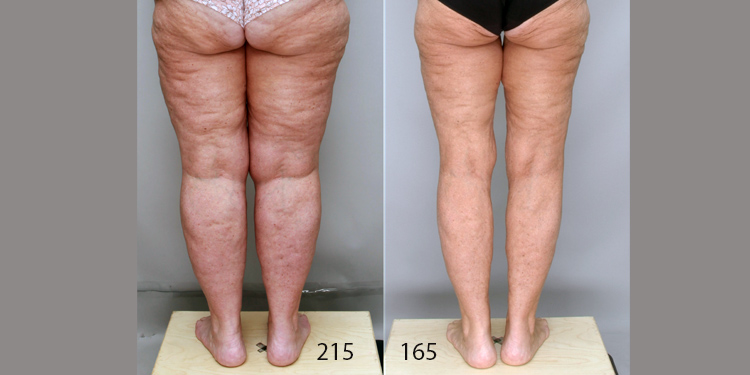
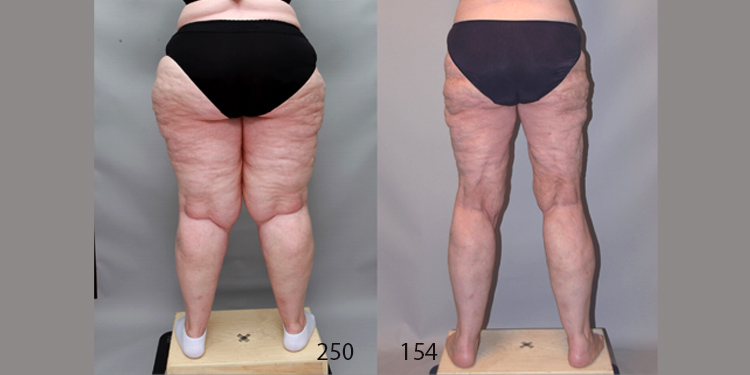
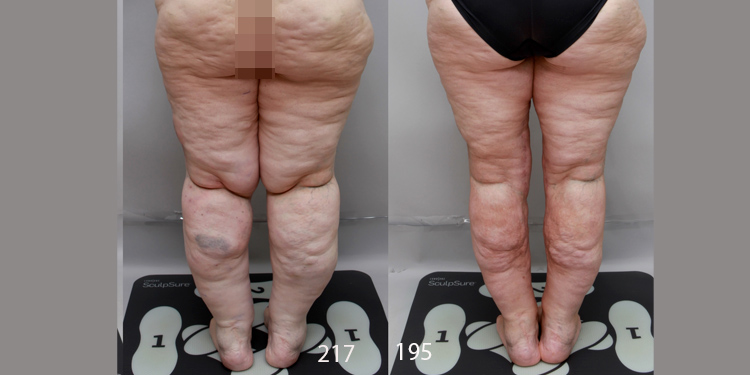
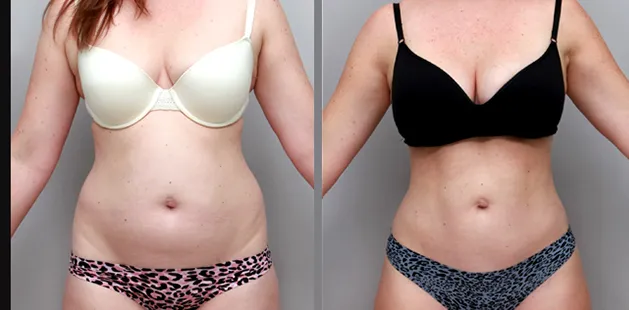
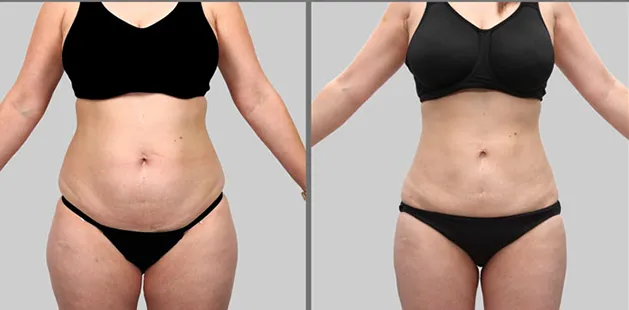
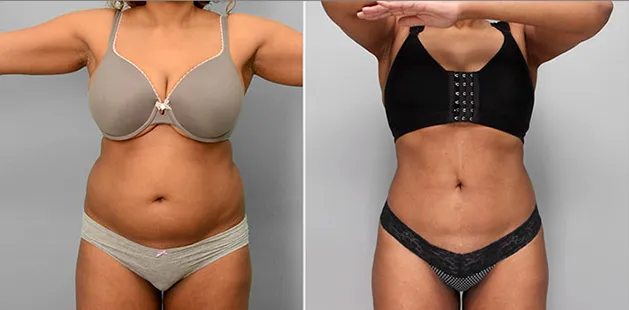
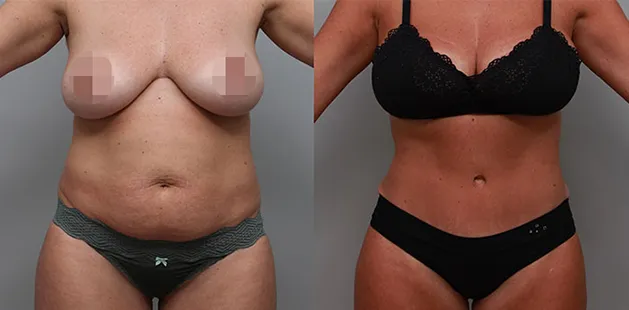
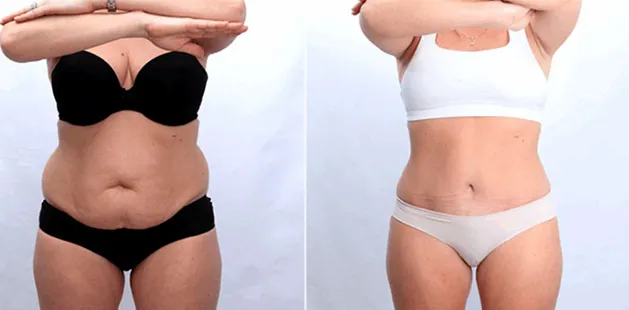
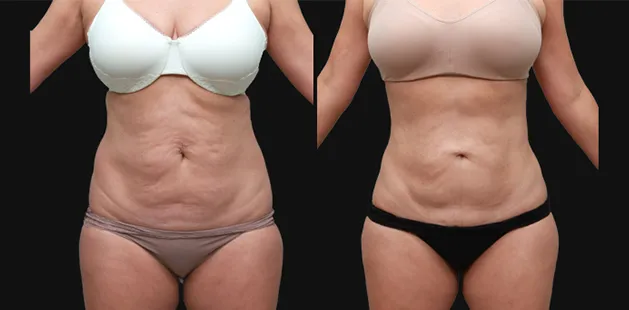
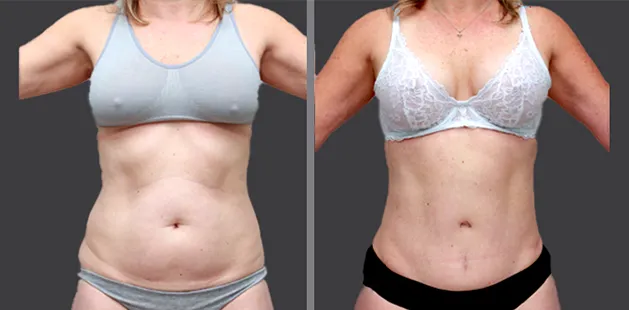
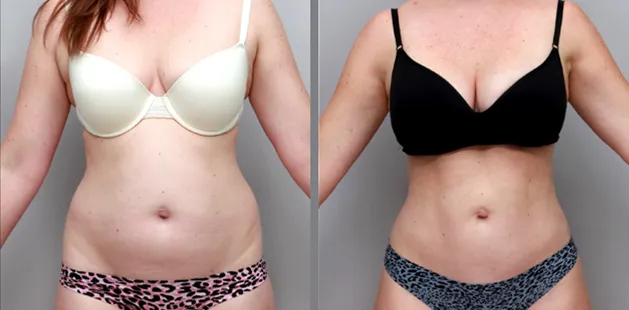
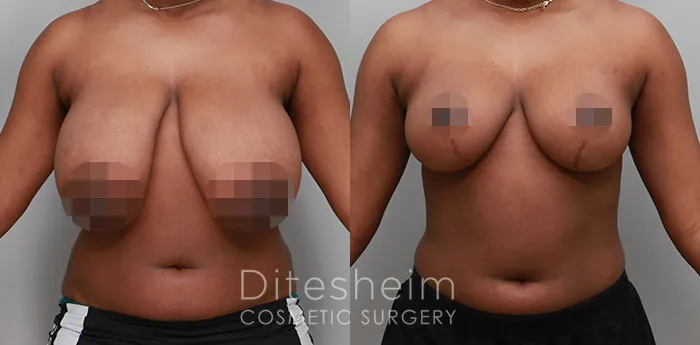
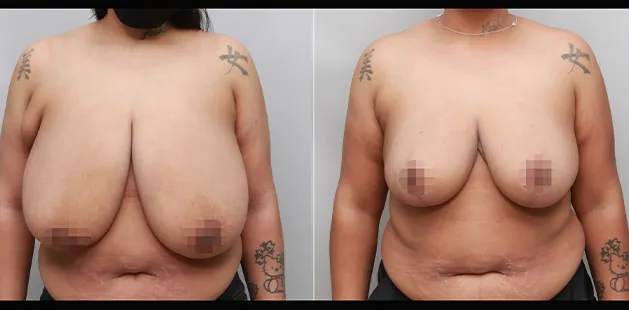
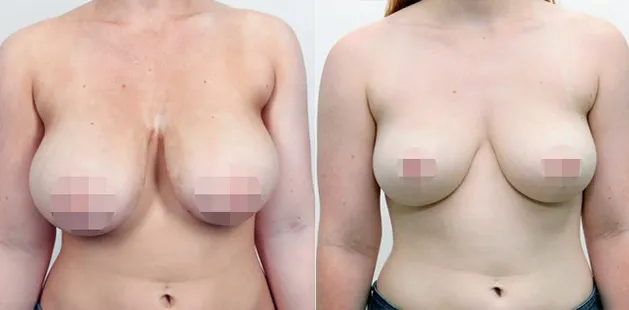
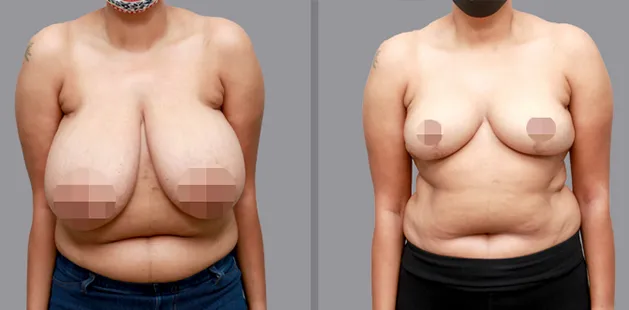
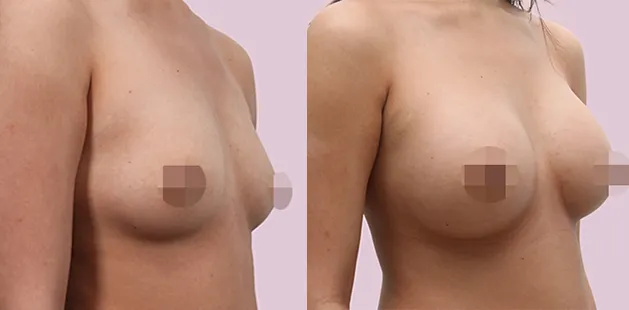
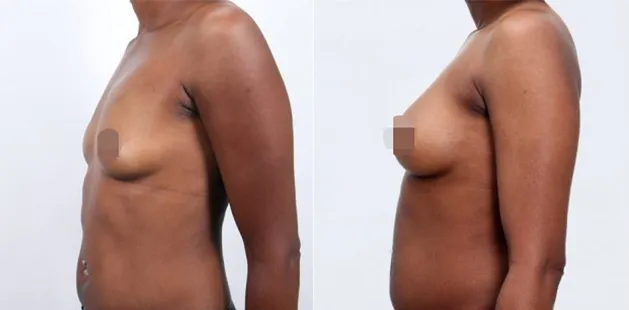
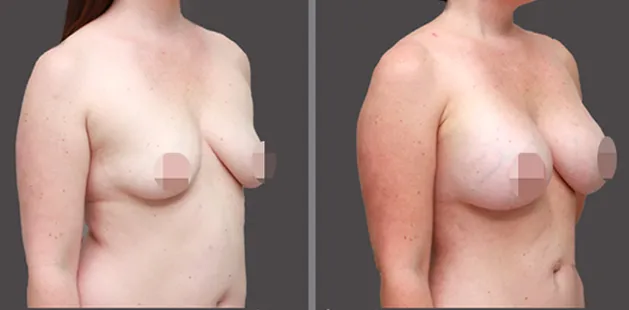
Your legs may be telling a different story than the scale: lipedema is not simply weight that has not been “worked off,” but a chronic fat-distribution disorder that can cause pain, heaviness, swelling, and disproportion. Lipedema is not the same as obesity, even though both can involve increased fat tissue.
Key takeaways
- Lipedema fat often behaves differently from obesity-related fat and may persist despite calorie restriction and exercise.
- Diet and exercise can still matter because they may support general health, strength, inflammation control, and weight management.
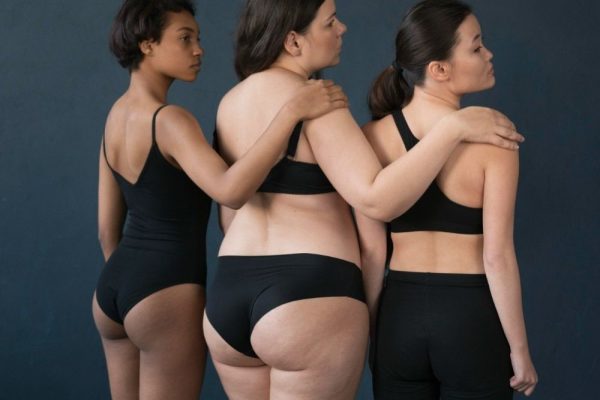
- A major clue is disproportion: the lower body may remain enlarged while the upper body changes more easily.
- Pain, easy bruising, swelling, heaviness, and mobility problems are stronger lipedema signals than size alone.
- Surgery may help remove diseased fat, but it requires a consultation and individualized planning.
Why lipedema is often mistaken for obesity
Obesity is generally defined by excess body fat that can affect overall health and may respond, at least partly, to changes in nutrition, activity, medication, or bariatric care.
Lipedema is different. It is commonly described as abnormal, symmetrical fat accumulation, most often in the legs and sometimes the arms, with symptoms such as pain, swelling, tenderness, heaviness, and easy bruising. Cleveland Clinic notes that lipedema does not respond to diet and exercise like ordinary fat.
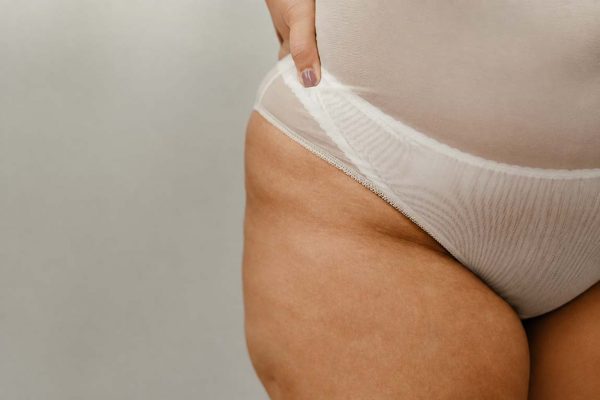
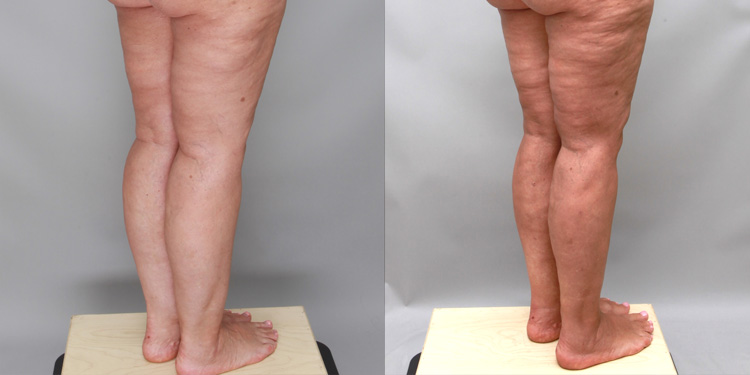
The confusion happens because lipedema can change body size. A patient may be told to “lose weight” for years, even when the pattern does not match typical weight gain. With lipedema, the feet are often less affected than the legs, creating a cuff-like appearance around the ankles. The upper body may become smaller with weight loss while the legs remain large, painful, or swollen.
Why diet and exercise may change your weight but not your leg shape
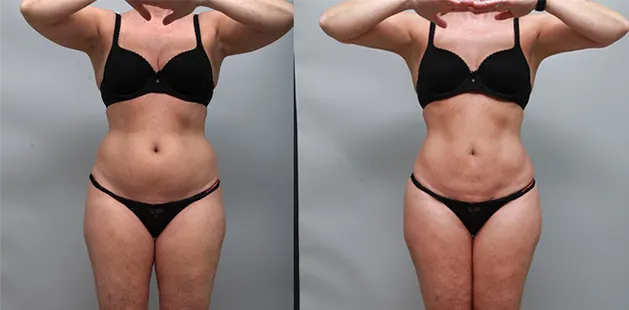
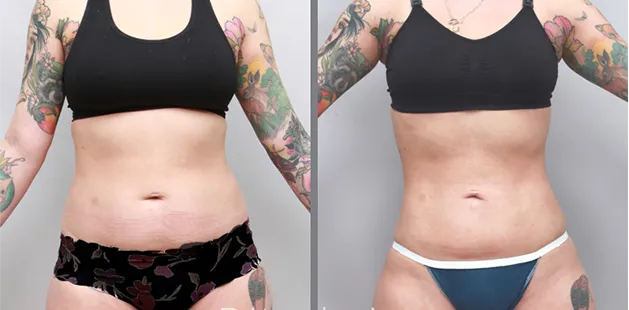
A person with lipedema can lose non-lipedema fat. That means diet, exercise, or medical weight management may reduce abdominal fat, improve stamina, lower some metabolic risks, or change the face, waist, or upper body. But the lipedema-affected areas may remain enlarged.
That mismatch can feel discouraging. Many patients describe doing “everything right” while still seeing little change in the thighs, calves, hips, or arms. This does not mean lifestyle changes are useless. It means the goal may need to shift.
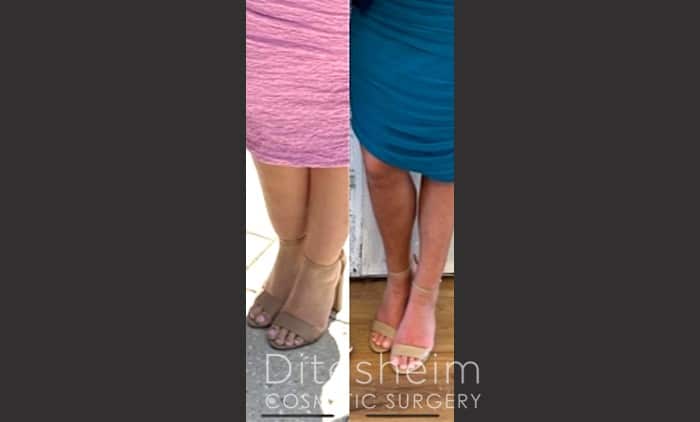
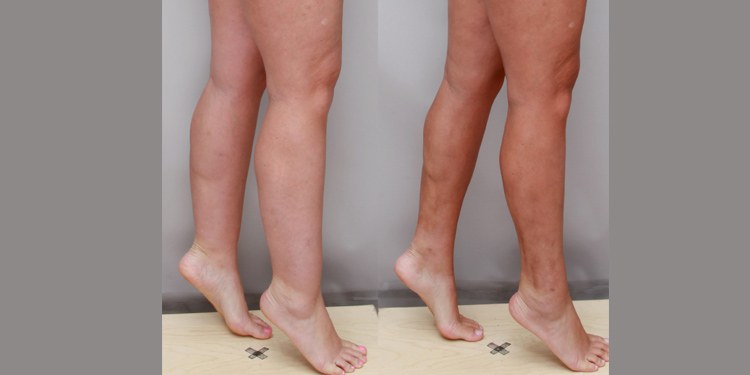
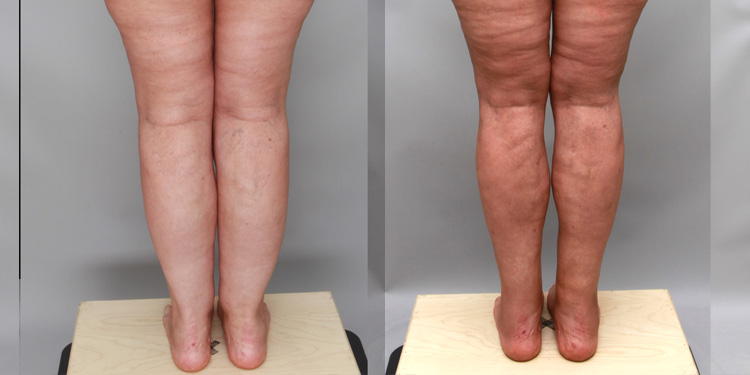
One of the tell-tale signs of lipedema is difficulty with finding shoes or boots to wear. The leg and ankle swelling is caused by lipedema that does not change with diet or exercise.
Exercise may help with joint support, lymphatic flow, mood, strength, and mobility. Nutrition may help with energy, inflammation, and coexisting obesity. Compression, lymphatic therapy, and low-impact movement may also reduce symptoms for some patients. But these strategies usually manage lipedema rather than remove the diseased fat.
Lipedema vs obesity: Comparing the differences
| Feature | Lipedema | Obesity |
|---|---|---|
| Main issue | Abnormal, painful fat buildup, usually in legs and sometimes arms | General excess body fat throughout the body |
| Fat distribution | Symmetrical enlargement of legs/hips; feet are usually spared | Fat can occur anywhere, including abdomen, arms, legs, face, and feet |
| Pain/tenderness | Often painful or tender to touch | Usually not painful |
| Bruising | Easy bruising is common | Not typically associated with easy bruising |
| Effect of diet/exercise | Fat is often resistant to diet and exercise | Usually improves with calorie control and physical activity |
| Swelling | Swelling/heaviness may worsen during the day | Swelling is not a defining feature |
| Skin/texture | May feel nodular, lumpy, or uneven | Usually soft, more uniform fat texture |
| Common pattern | Mostly affects women; often starts or worsens with hormonal changes | Can affect anyone |
| Feet/hands involvement | Feet and hands are usually spared, creating a “cuff” appearance | Feet and hands may gain fat along with the rest of the body |
| Treatment focus | Compression, lymphatic care, pain control, specialist care; sometimes liposuction | Weight management, nutrition, exercise, medications, or bariatric surgery when appropriate |
When lipedema surgery is suggested
- Lipedema surgery is usually considered when symptoms are persistent, function is affected, or conservative measures are not enough.
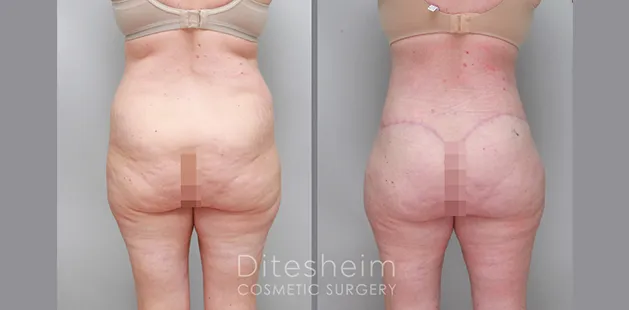
- Surgery is not the same as cosmetic weight-loss surgery. It is planned around the location, amount, and behavior of lipedema tissue.
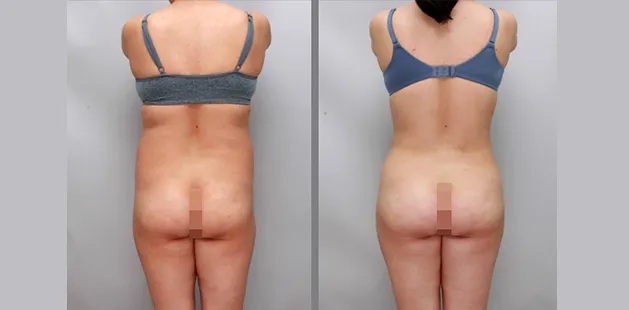
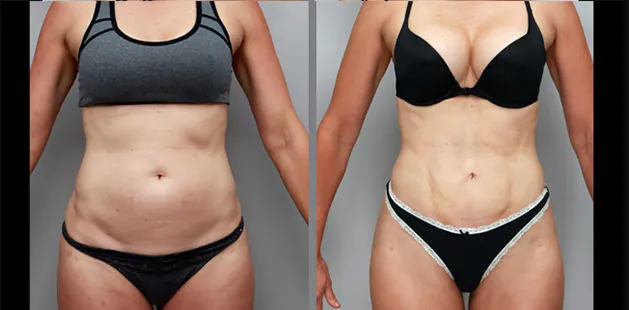
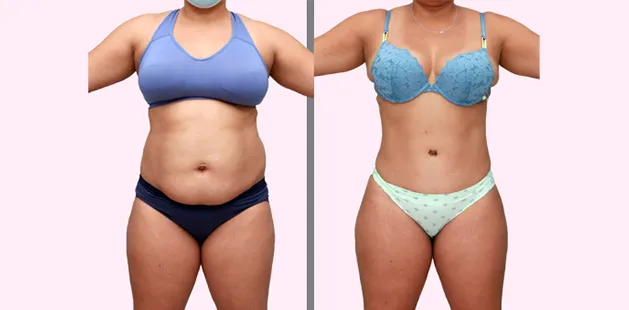
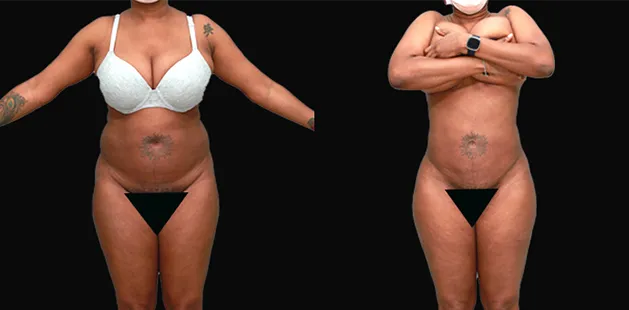
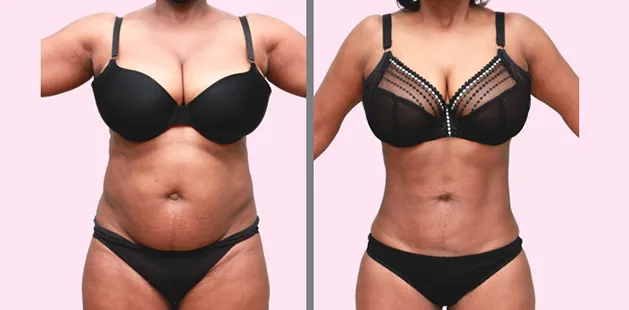
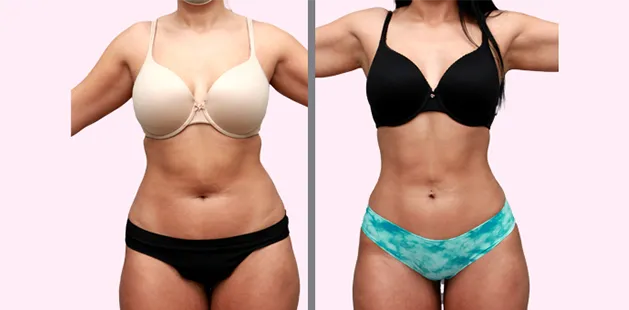
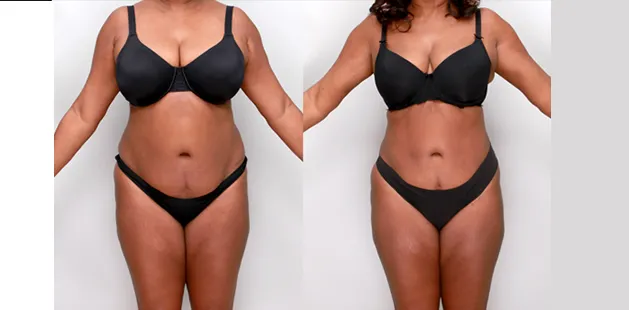
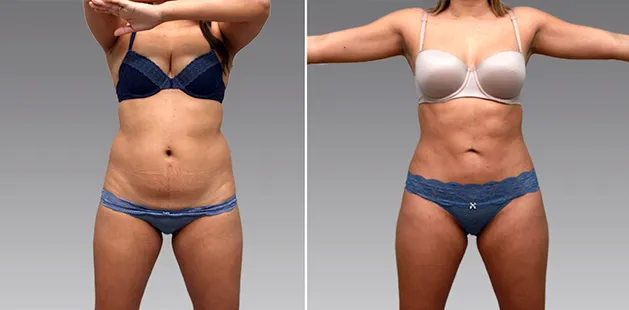
- It may help reduce painful fat deposits and improve contour, but it cannot guarantee a cure or prevent every future symptom.
- Recovery, swelling control, compression, and long-term care planning matter.
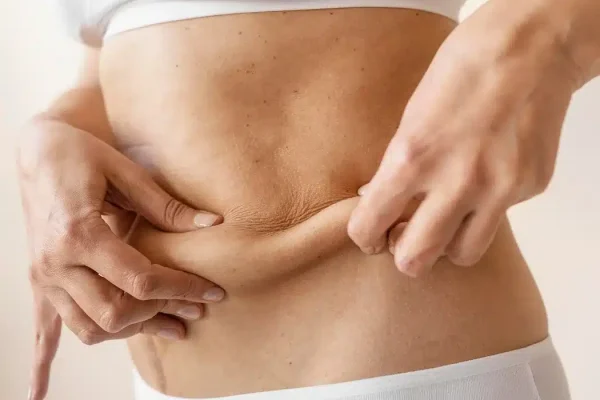
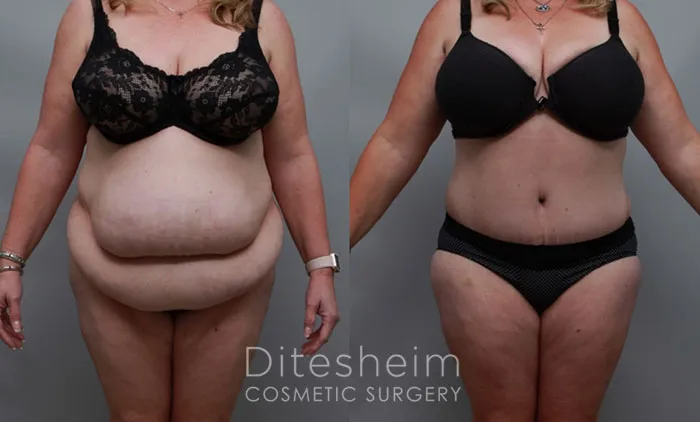
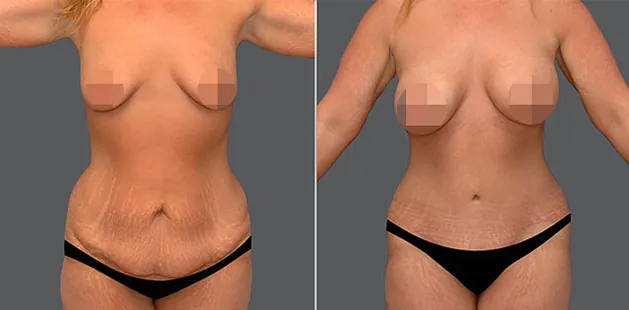
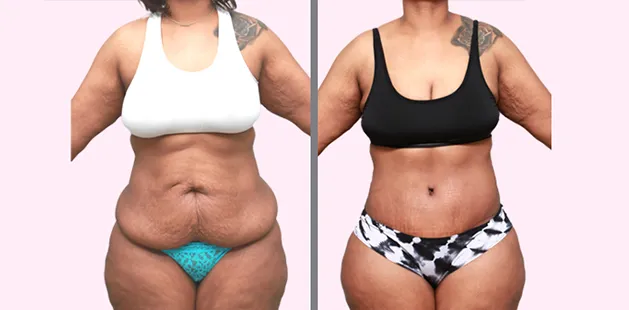
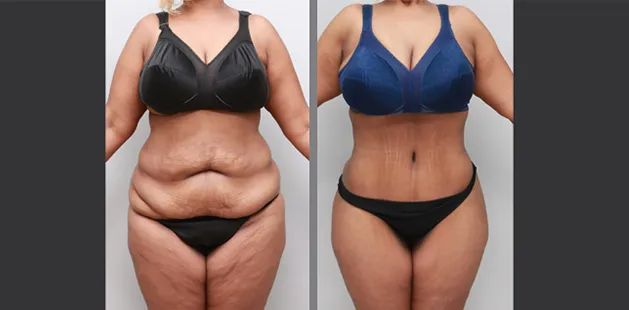
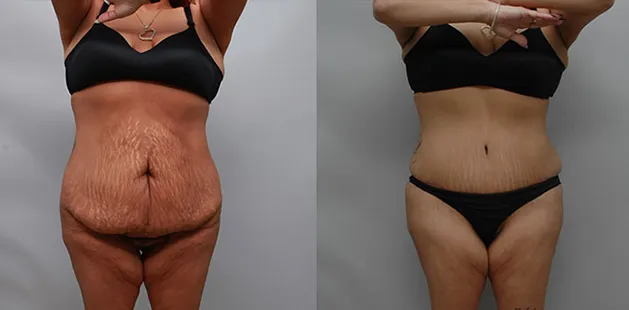
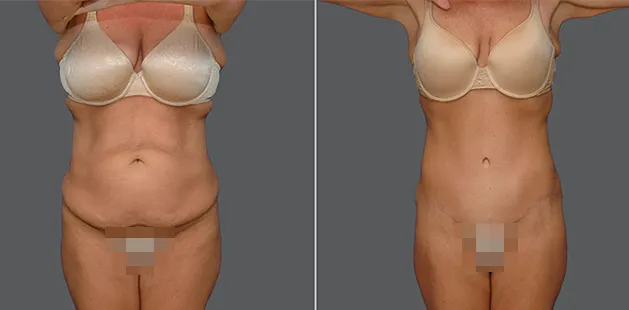
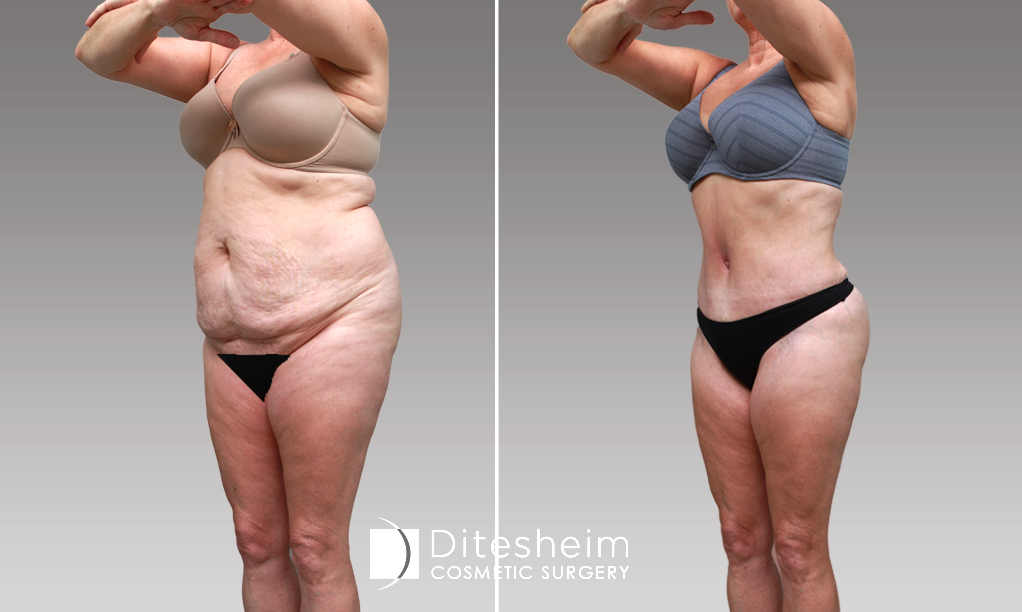
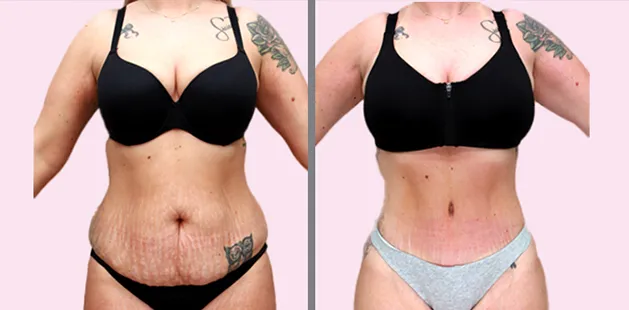
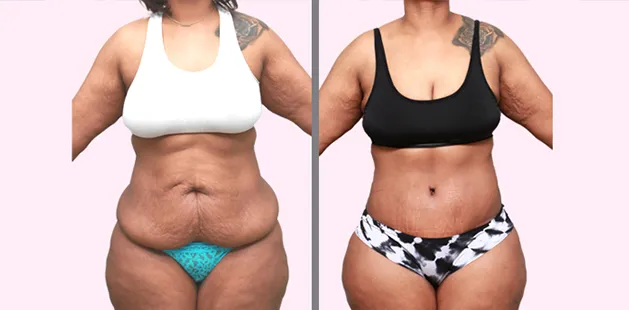
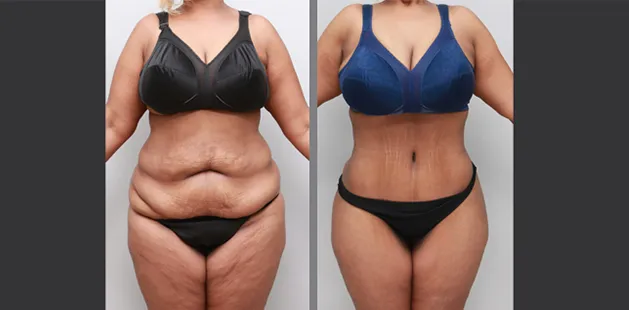
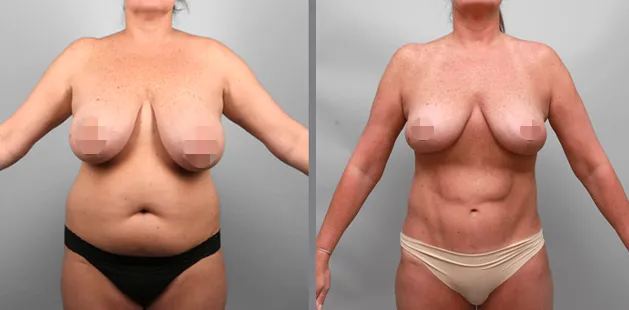
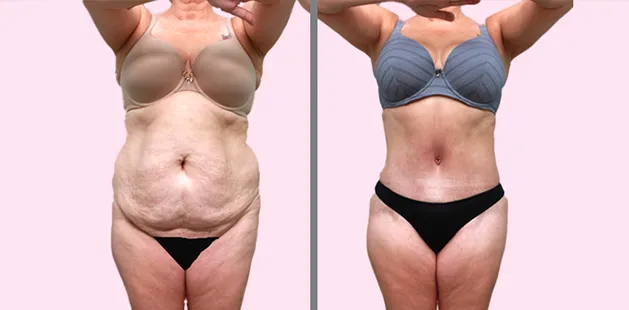
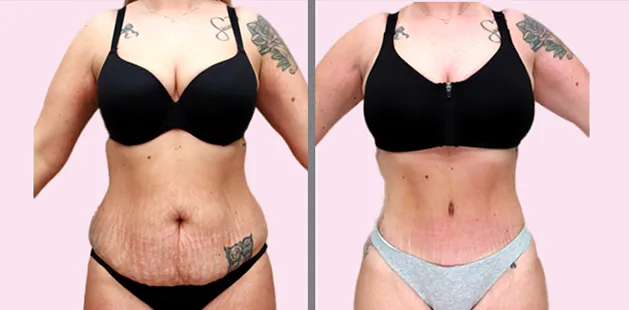
- Loose-skin excision may be appropriate in some cases, but it can involve longer recovery and more noticeable scarring. That is why consultation is not just a formality; it is where anatomy, goals, medical history, risks, staging, and expectations are reviewed.
What lipedema surgery is meant to do
One of the tell-tale signs of lipedema is difficulty finding shoes or boots to wear. The leg and ankle swelling is caused by lipedema that does not change with diet or exercise.
- Lipedema surgery is not a shortcut for weight loss; it is designed to remove painful, abnormal fat that often does not respond to diet and exercise.
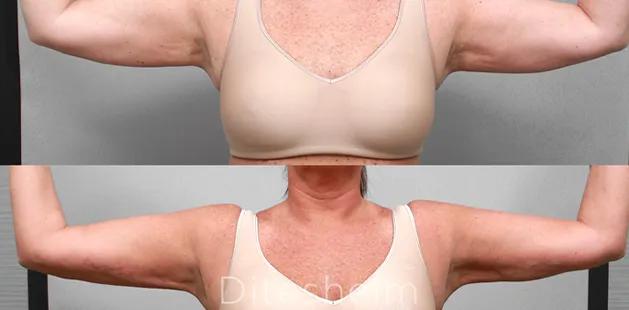
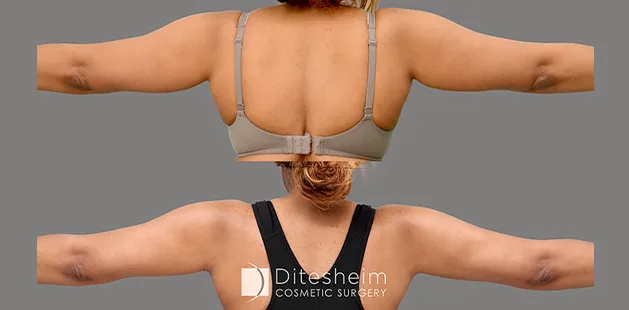
- The procedure usually uses specialized liposuction techniques to reduce diseased fat deposits in areas such as the legs, hips, buttocks, or arms.
- The procedure may involve water-jet liposuction, a technique that uses a gentle stream of fluid to help loosen and remove lipedema fat.
- The aim is often to reduce heaviness, swelling, pain, and mobility limits, not simply to make the body smaller.
- Some patients may also need loose-skin excision, especially when there is significant excess skin; this can mean longer recovery and more visible scarring.
- Because lipedema can vary by stage, location, severity, and overall health, the right procedure plan has to be decided during consultation.
Frequently Asked Questions
Can you have lipedema and obesity at the same time?
Yes. A person can have both lipedema and obesity. This can make diagnosis more difficult because general weight gain and lipedema-related fat may overlap.
Why do my legs not get smaller when I lose weight?
If your upper body changes but your legs remain enlarged, painful, swollen, or heavy, lipedema may be one possible explanation. A clinical evaluation is needed to distinguish it from obesity, lymphedema, vein disease, or other causes.
Is exercise still worth doing if I have lipedema?
Often, yes. Exercise may not remove lipedema fat, but low-impact movement can support strength, mobility, circulation, and overall health.
Does lipedema liposuction replace healthy habits?
No. Lipedema liposuction may remove diseased fat, but long-term symptom management may still involve compression, movement, nutrition, swelling control, and follow-up care.
How do I know whether I need lipedema surgery?
Surgery may be worth discussing if symptoms are persistent, painful, functionally limiting, or not adequately managed with conservative care. A consultation is needed to assess your anatomy, medical history, goals, and risks.
If this issue is persistent, unclear, or starting to affect your confidence, mobility, comfort, or decision-making, it may be worth getting tailored advice. You can schedule a consultation with Ditesheim Cosmetic Surgery to understand whether lipedema surgery is the right fit and what the next step would involve.
Disclaimer: This article provides general information only. It does not take into account your specific circumstances and should not be relied on as medical advice. For advice about your situation, speak with a suitably qualified healthcare professional.

About Author: Dr. Jeffrey Ditesheim, MD, FACS, is a board-certified plastic surgeon in Charlotte, North Carolina, with more than 30 years of experience helping patients feel confident through face, body, and breast procedures. A Fellow of the American College of Surgeons, he combines advanced surgical training with a commitment to patient care, safety, and natural-looking results.