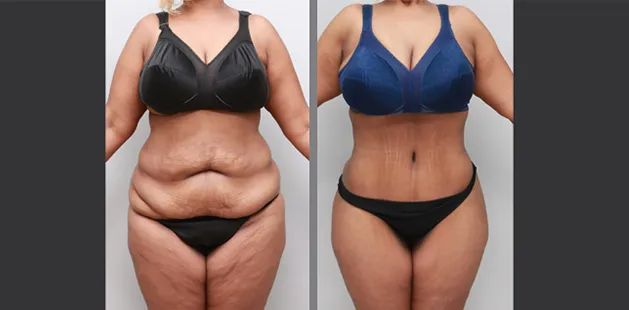
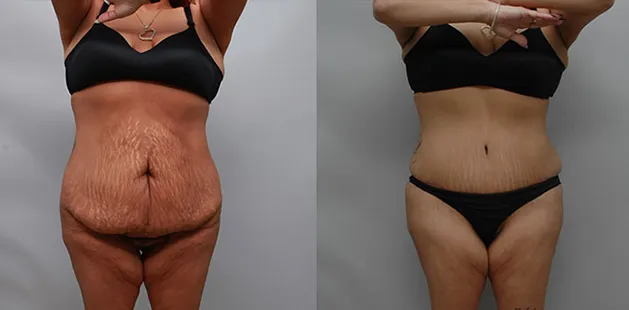
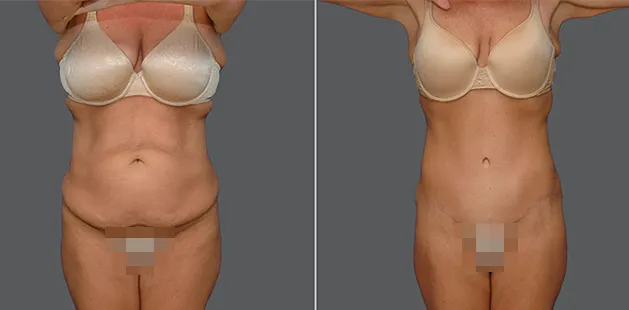
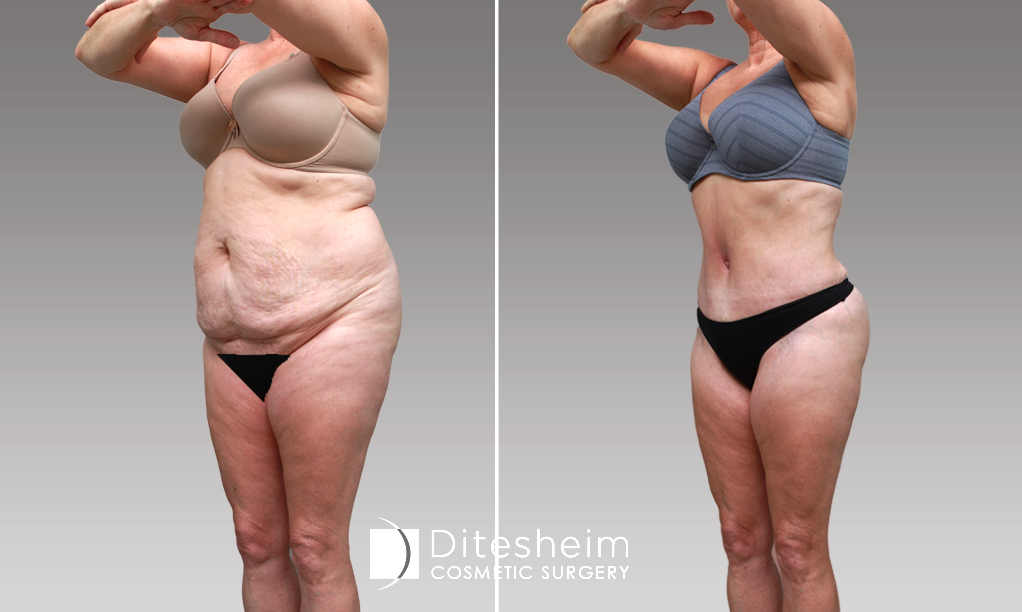
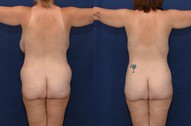
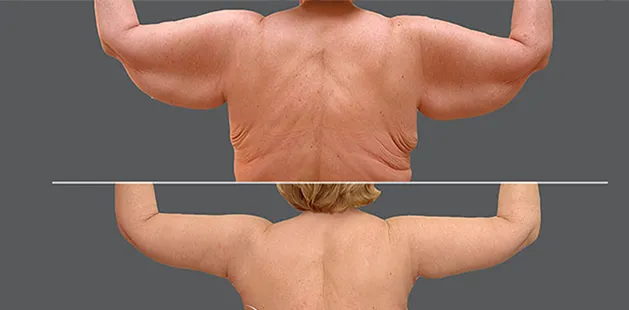
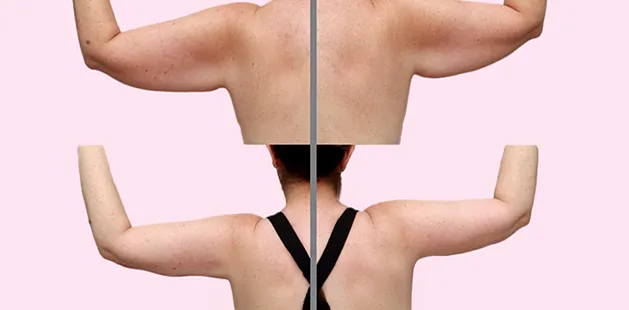
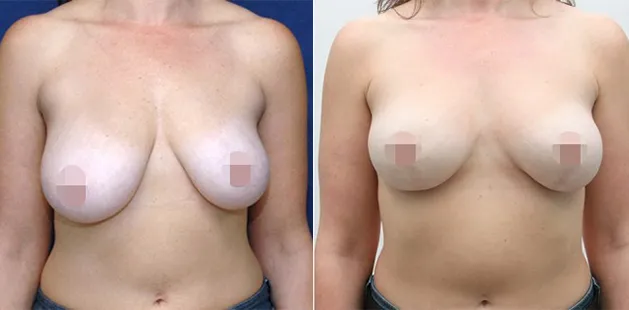
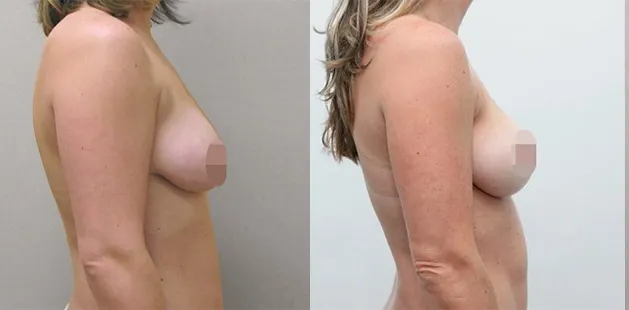
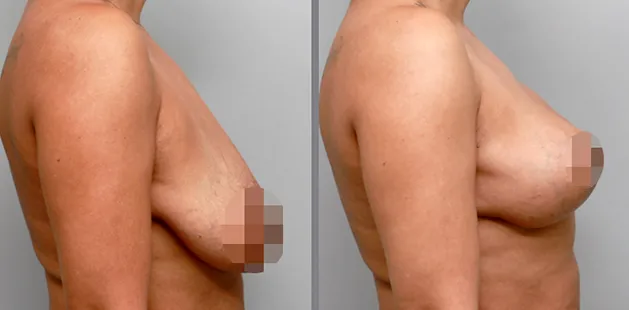
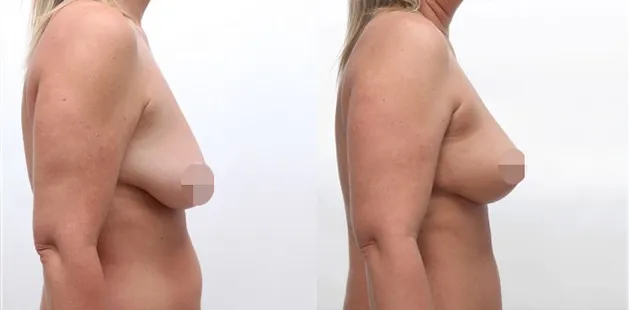
Losing a significant amount of weight with Ozempic, Wegovy, or another GLP-1 medication can change more than the number on the scale. For some people, the weight comes off but loose abdominal skin remains.
A tummy tuck after Ozempic may address that skin, but timing matters. The better question is not simply whether you can have surgery after GLP-1 weight loss. It is whether your weight, nutrition, health, and abdominal tissues have reached the right point for surgery.
Key Points
- A tummy tuck after GLP-1 weight loss may be appropriate once your weight has become relatively stable and you are not expecting major additional weight loss.
- A tummy tuck is body-contouring surgery. It removes excess abdominal skin and can repair separated abdominal muscles. It is not a weight loss procedure.
- The speed of weight loss matters. Recent Duke University research found higher complication rates among some patients who lost large amounts of weight rapidly before abdominal body-contouring surgery.
- Being at a certain weight does not automatically mean your body is ready for surgery. Nutrition, overall health, skin quality, and weight trajectory also matter.
- Do not stop Ozempic, Wegovy, or another prescription GLP-1 medication on your own before surgery. Medication planning should be coordinated with your prescribing clinician and surgical team.
- Loose skin in the abdomen may respond to a tummy tuck, while skin extending around the waist, back, or lower body may require a different body-contouring plan.
Why Can Ozempic or Wegovy Weight Loss Leave Loose Abdominal Skin?
Fat can decrease faster than skin contracts.
After substantial weight loss, especially when it happens quickly, the skin may not have enough elasticity to conform completely to the smaller body underneath. Age, genetics, pregnancy, the amount of weight lost, previous weight fluctuations, and the condition of the skin all play a role.
That is why loose stomach skin after taking Ozempic is different from stubborn abdominal fat.
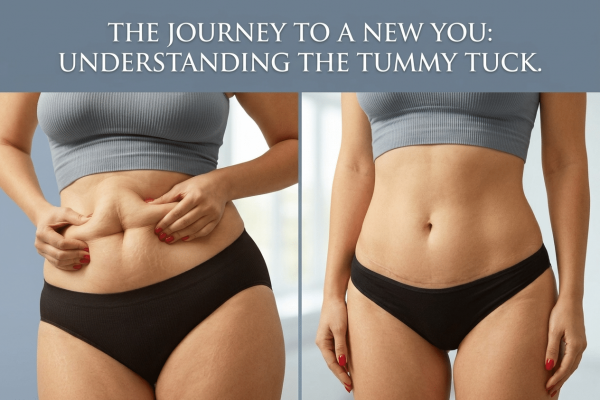
A tummy tuck removes stretched skin and may repair the abdominal wall when muscle separation is present. It does not cause weight loss.
When is the Right Time for a Tummy Tuck After Ozempic or Wegovy?
There is no single number on the scale (or single number of months) that makes every patient ready. The right timing for a tummy tuck after weight loss medication usually depends on several factors.
1. You Are Near Your Weight-Loss Goal
If you still expect substantial weight loss, it often makes sense to allow that process to continue before removing skin.
Additional weight loss after a tummy tuck can create new laxity and change the contour that was created during surgery.
2. Your Weight Has Stabilized
Body-contouring candidates are generally better served when their weight is stable rather than continuing to change significantly.
The American Society of Plastic Surgeons identifies stable weight as an important consideration for body contouring after major weight loss.
That does not mean everyone needs the same waiting period. The important question is whether your current weight represents a reasonably sustainable point for you.
3. Rapid Weight Loss Has Slowed
This has become especially important in the GLP-1 era.
In July 2026, Duke University researchers reported that patients who lost large amounts of weight rapidly had higher complication rates following abdominal body-contouring procedures in their study. The researchers emphasized that surgeons increasingly need to consider not only how much weight was lost, but how quickly it was lost.
For a tummy tuck after rapid weight loss, the pace of change matters alongside the final weight.
4. Your Health and Nutrition Support Healing
Body-contouring surgery asks a great deal of healing tissue. Your surgeon may consider general health, nutritional status, smoking, medical history, medications, and other factors before recommending surgery. The scale is only one piece of the decision.
Do You Need to Stop Ozempic or Wegovy Before a Tummy Tuck?
Not necessarily.
GLP-1 medications can delay stomach emptying, which is relevant when anesthesia is being planned. Medication management should be individualized rather than automatically handled the same way for every patient.
Your surgeon, anesthesia provider, and prescribing clinician should know:
- Which GLP-1 medication you take
- Your current dose
- When the dose was last changed
- Whether you have nausea, vomiting, bloating, or other gastrointestinal symptoms, and
- Why the medication was prescribed
Do not stop Ozempic or Wegovy before plastic surgery without instructions from the clinicians managing your care.
What Can a Tummy Tuck Correct After GLP-1 Weight Loss?
A tummy tuck may address:
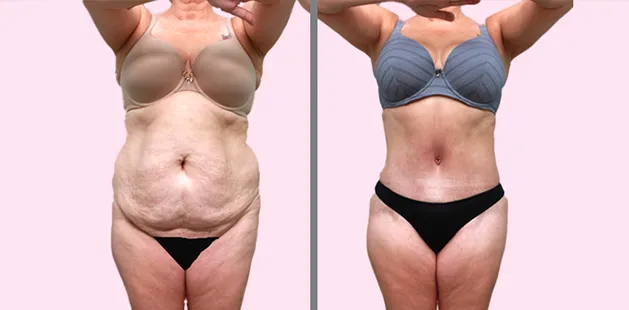
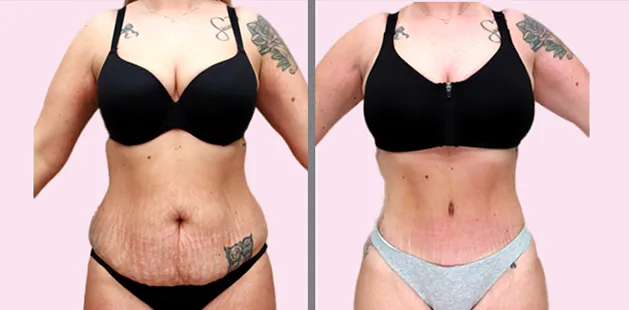
- Loose or hanging abdominal skin
- An abdominal apron after substantial weight loss
- Separated abdominal muscles when repair is appropriate
- Persistent lower-abdominal laxity
- Selected contour concerns that remain after weight loss
A standard tummy tuck does not necessarily address loose skin extending around the entire waist or back.
For some patients, a broader approach such as Tummy Tuck 360 or another post-weight-loss body-contouring procedure may make more anatomical sense.
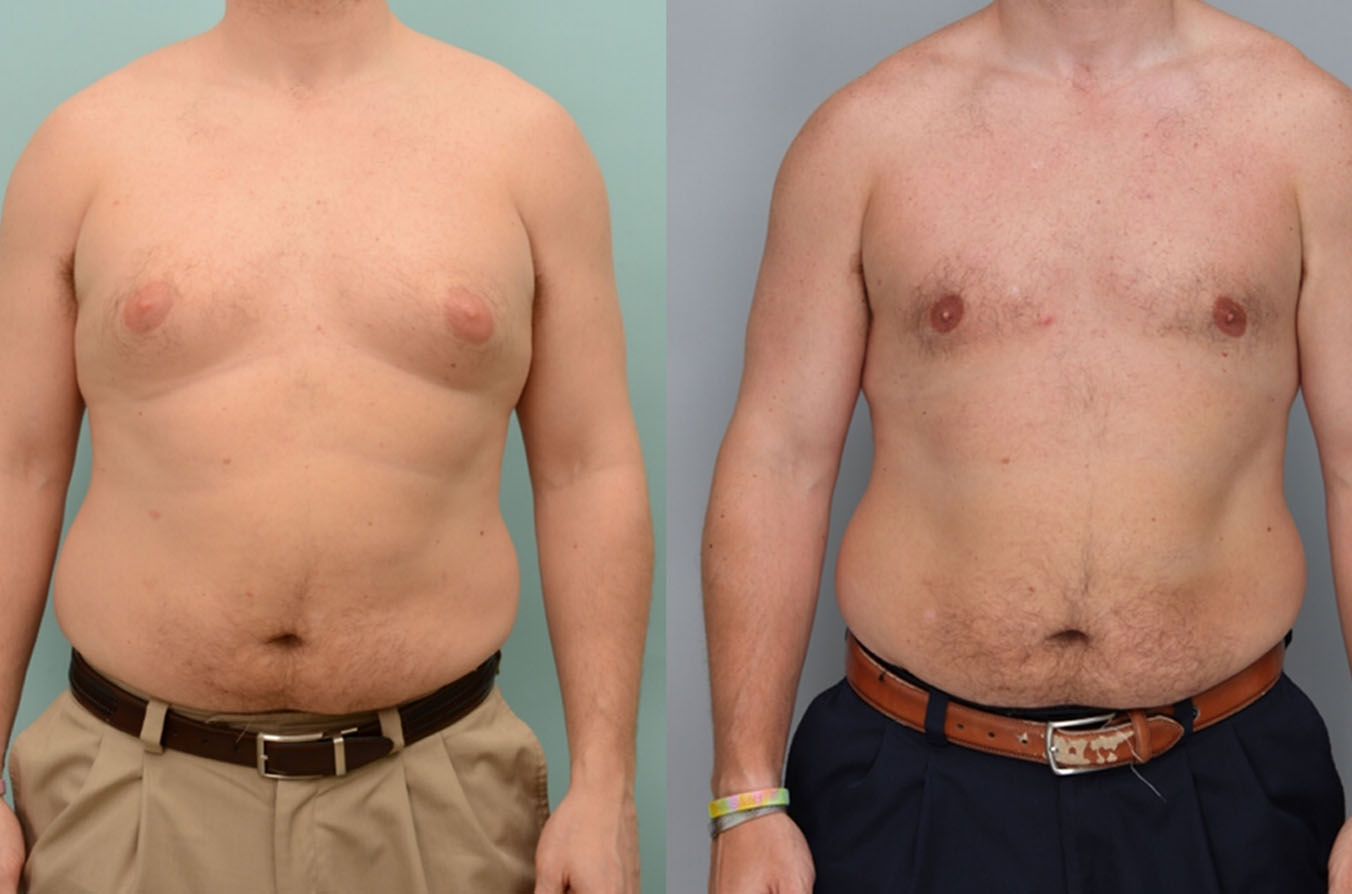
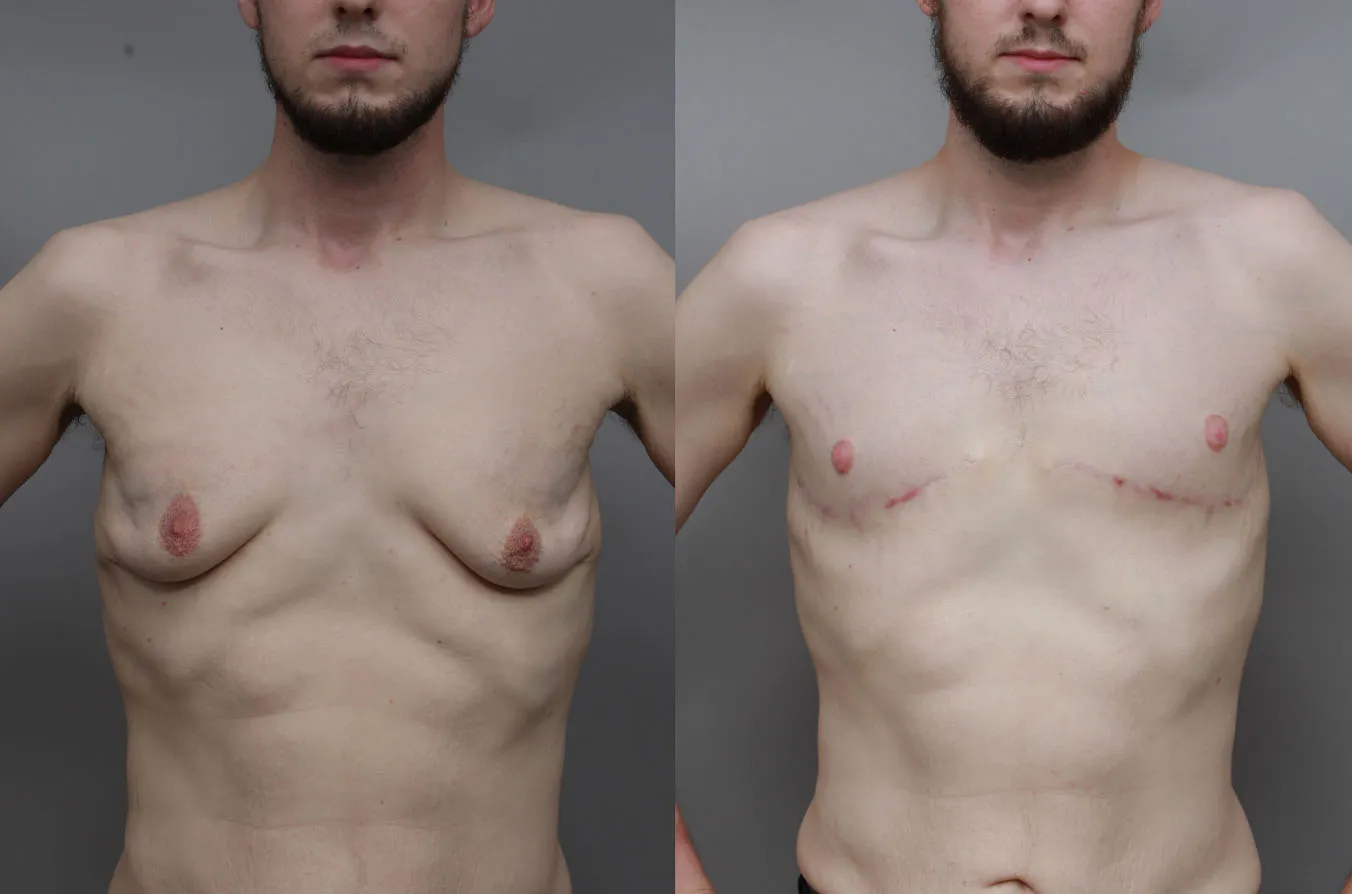
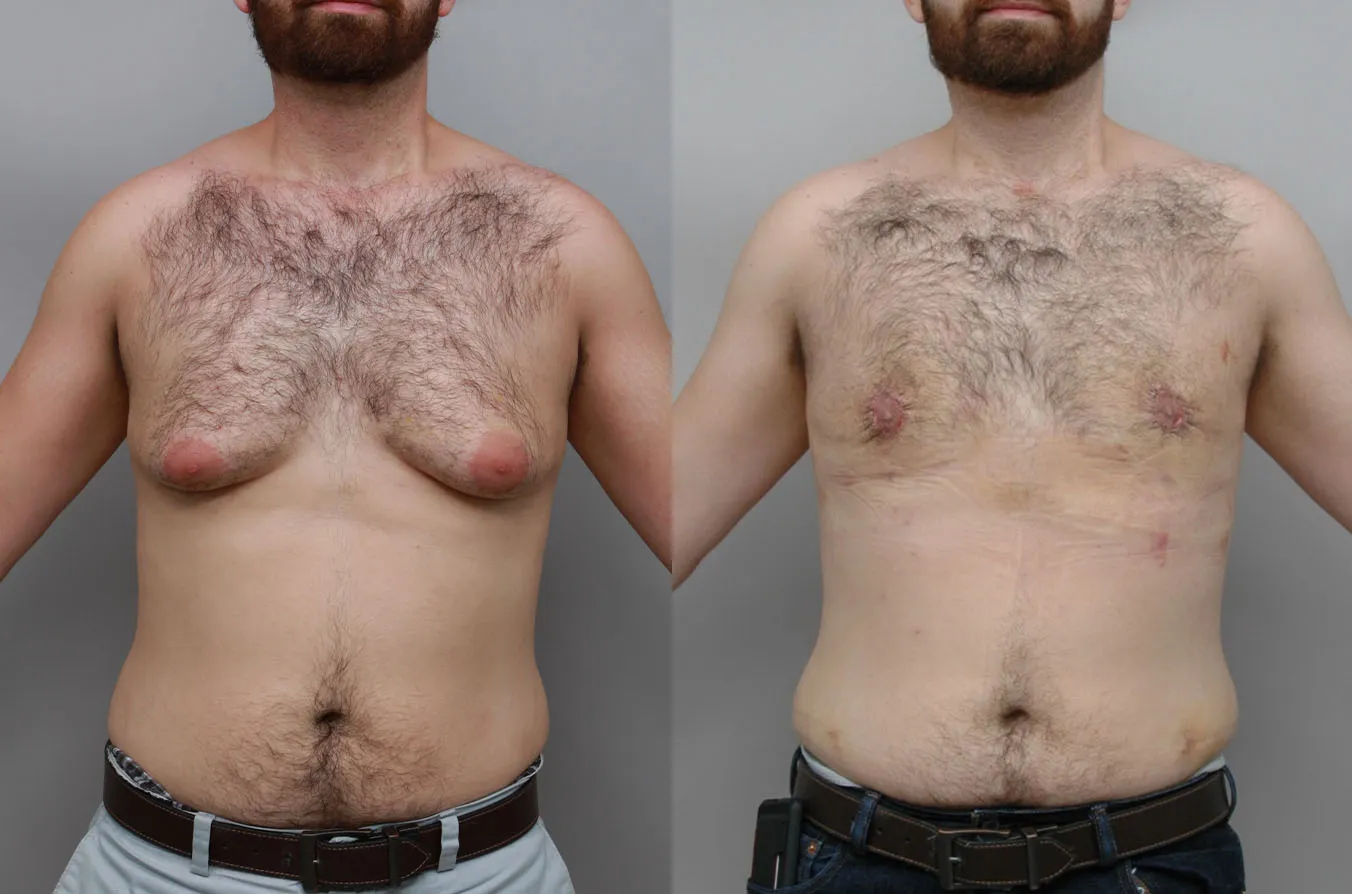
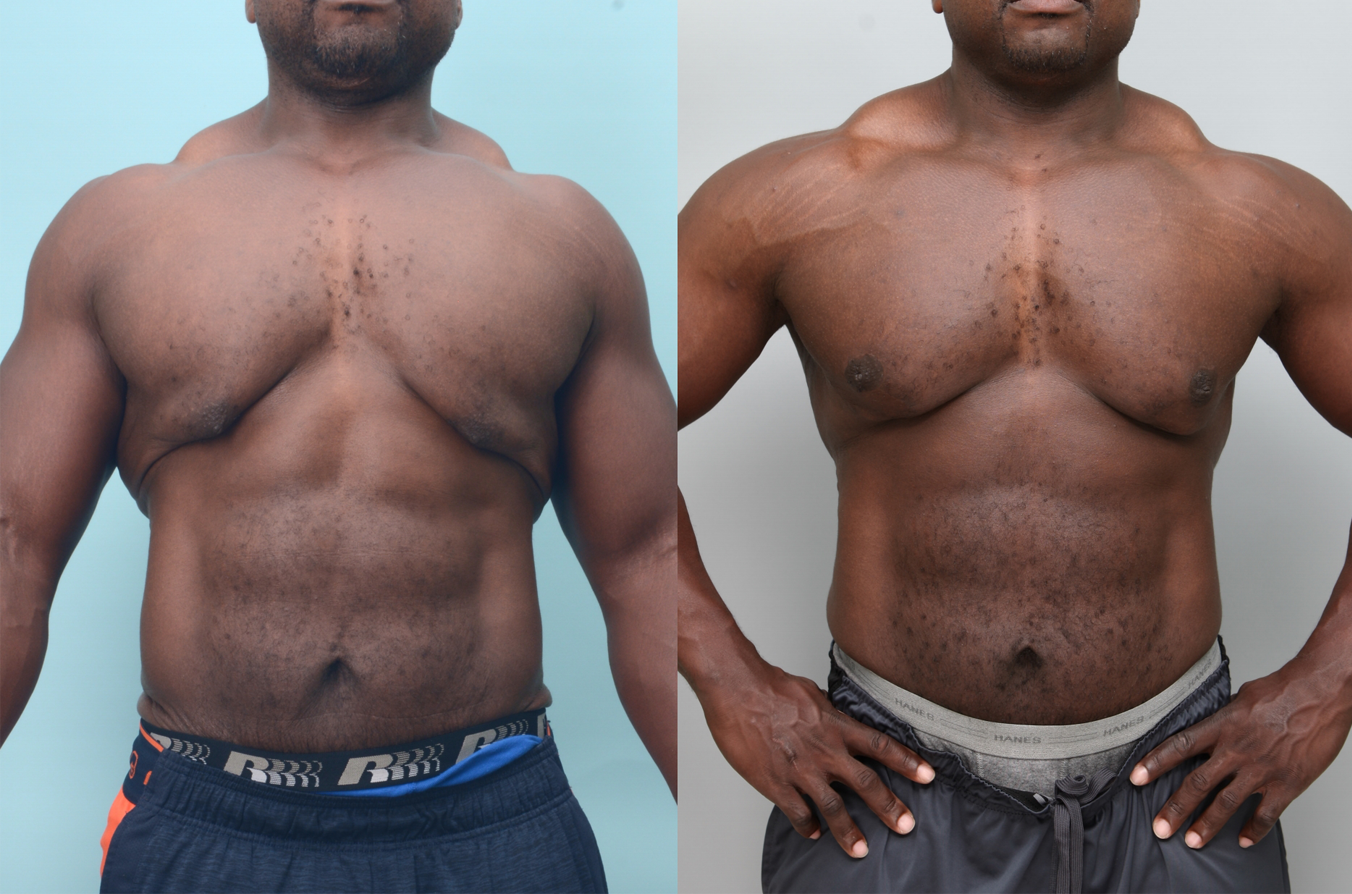
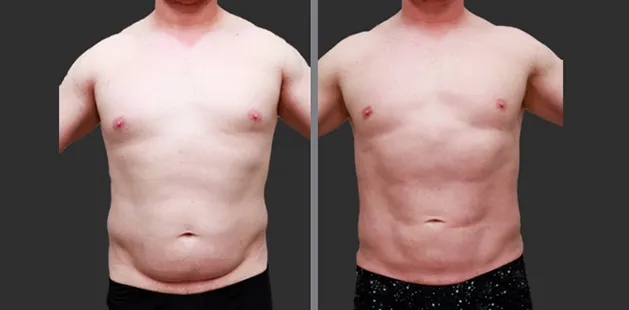
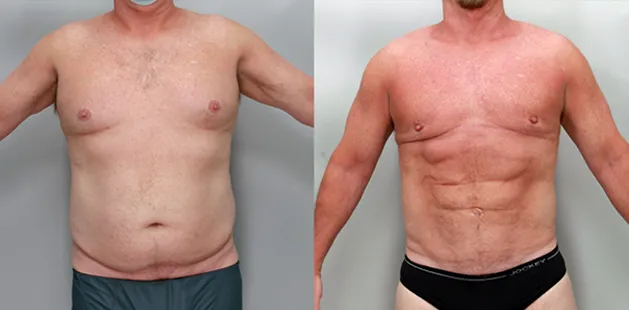
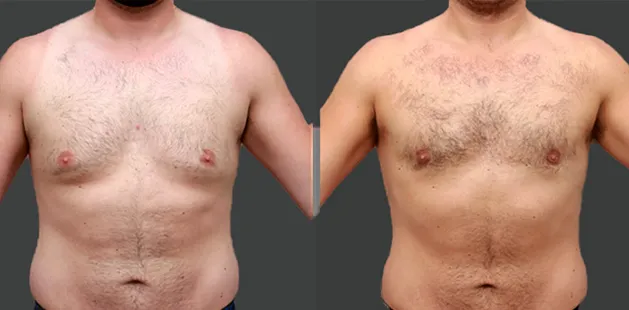
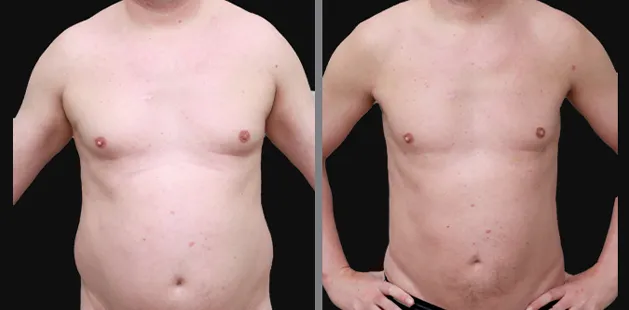
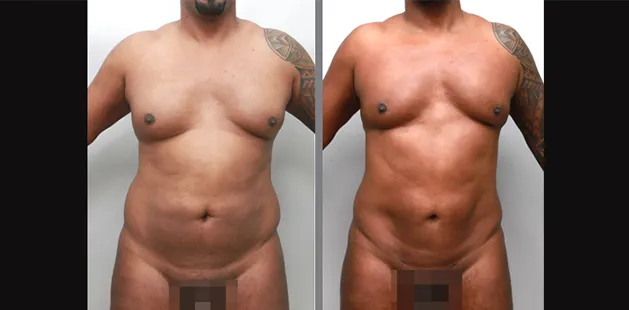
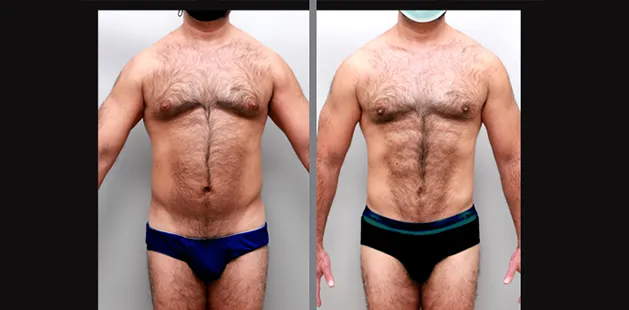
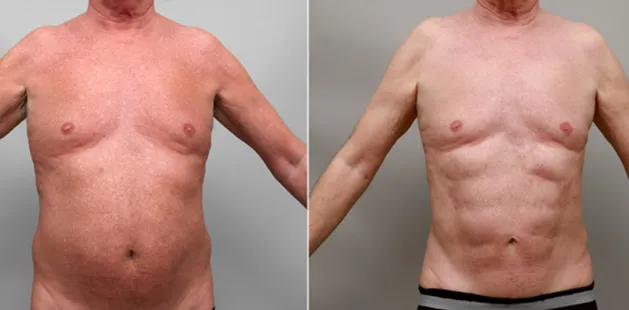
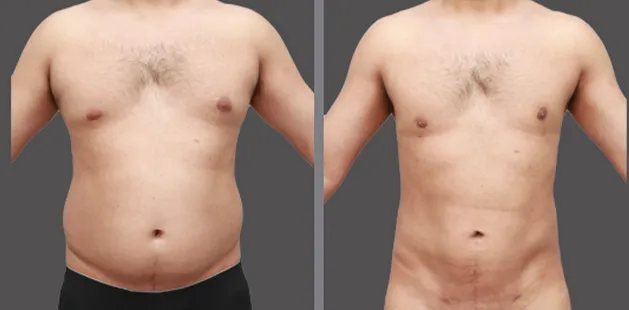
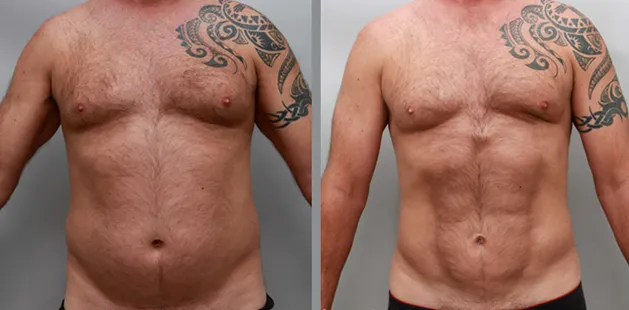
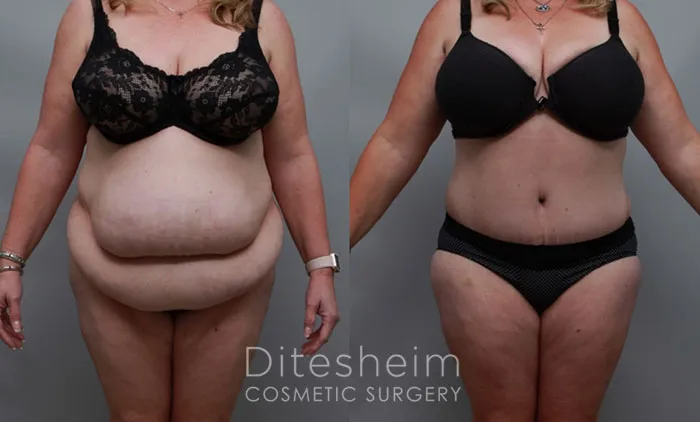
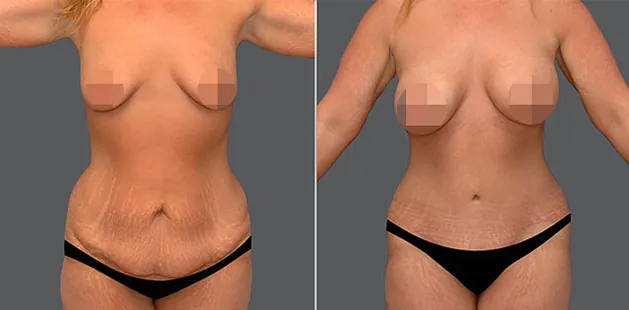
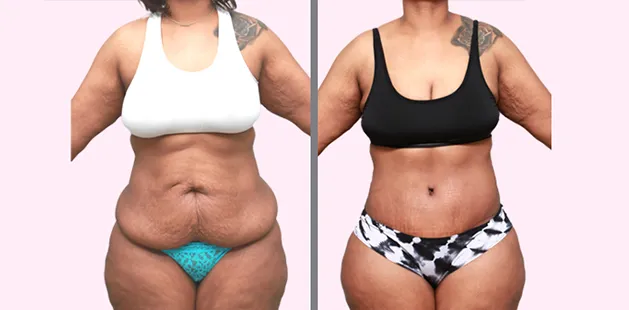
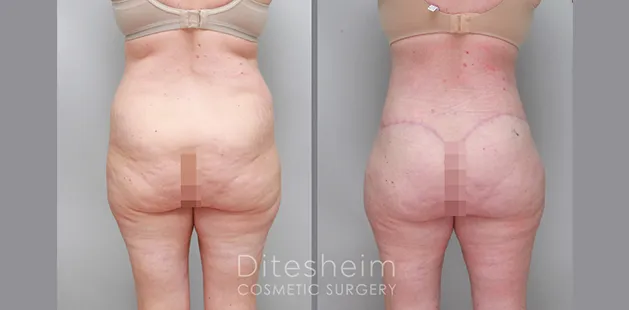
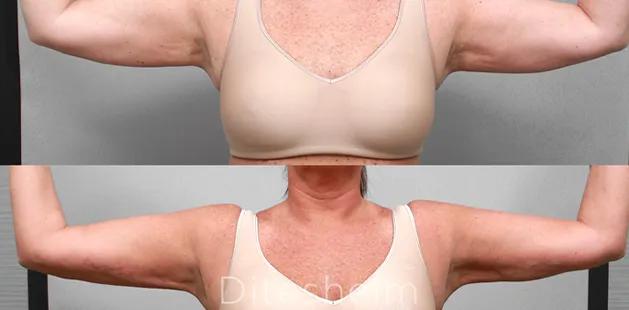
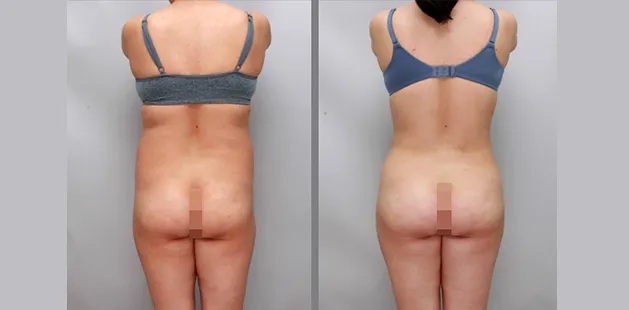
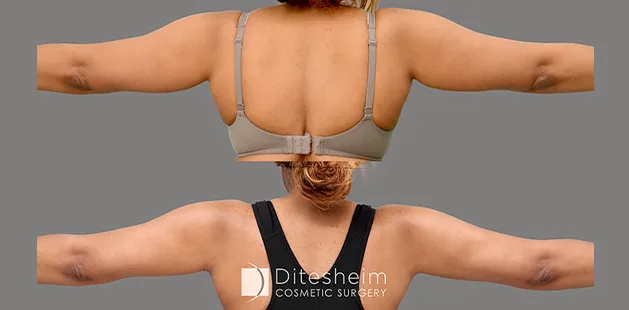
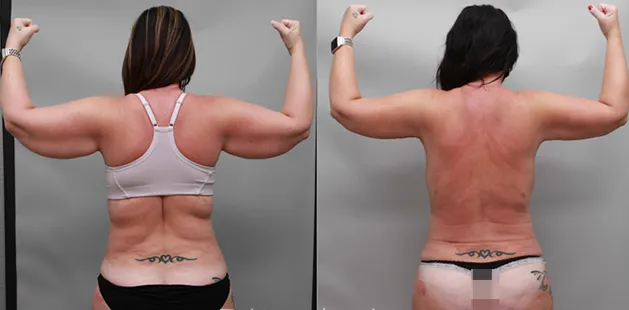
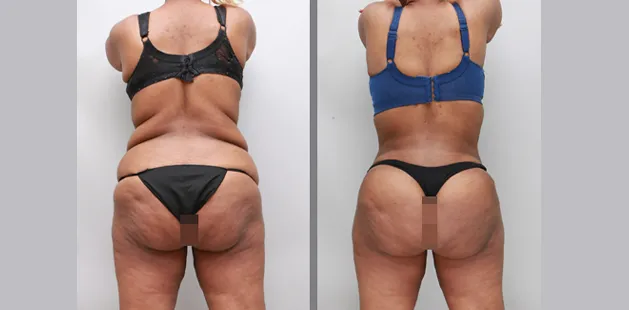
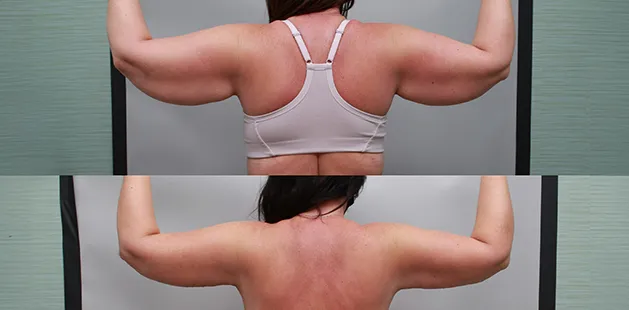
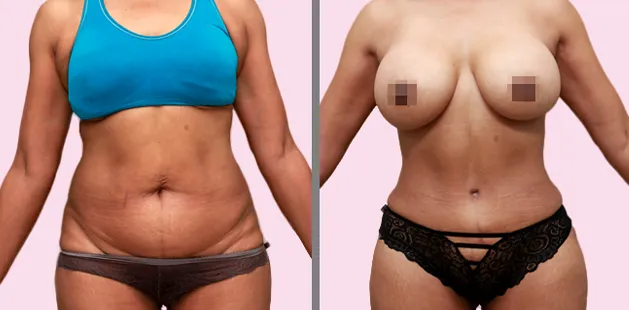
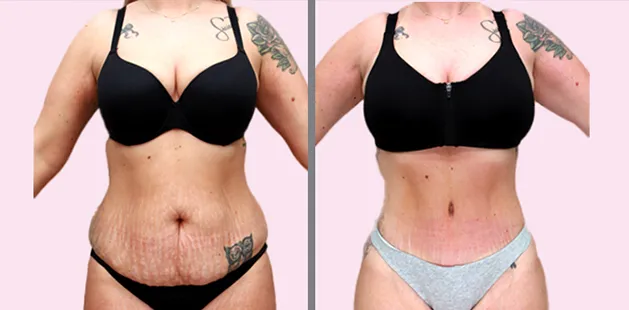
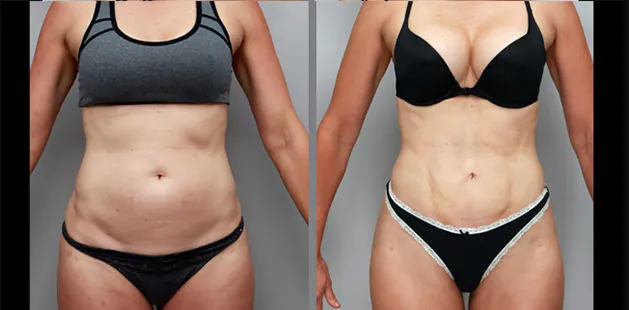
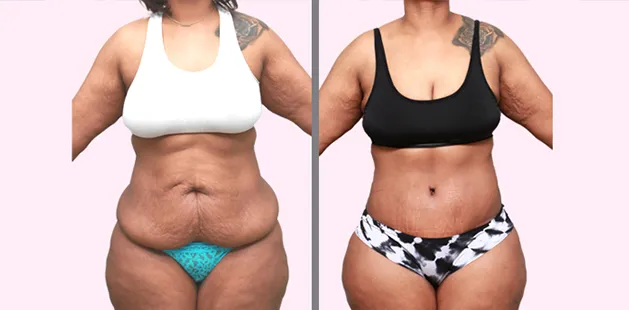
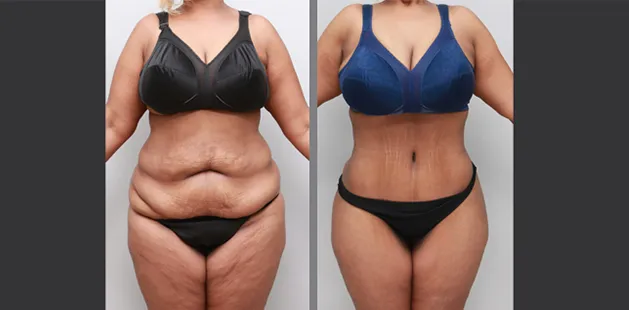
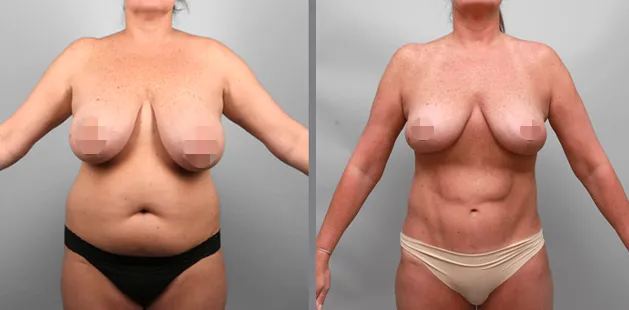
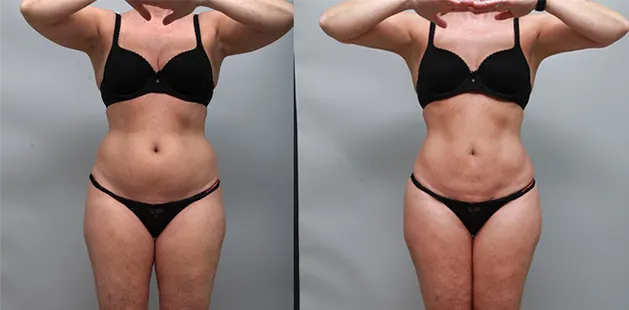
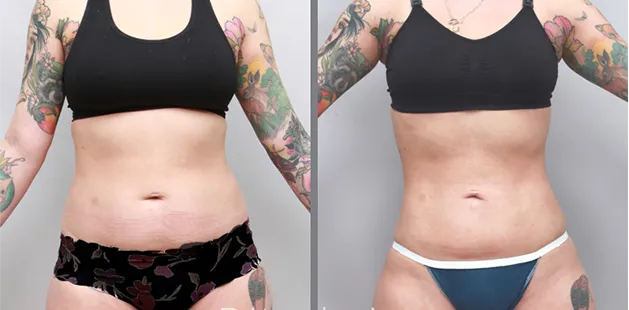
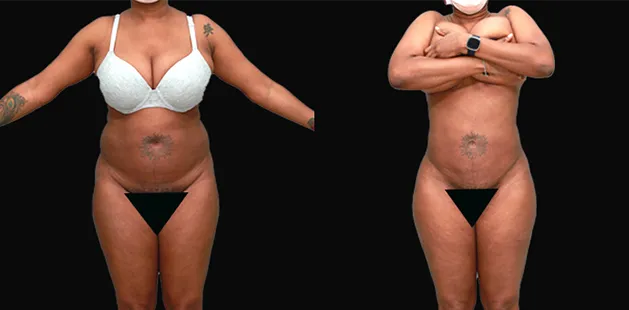
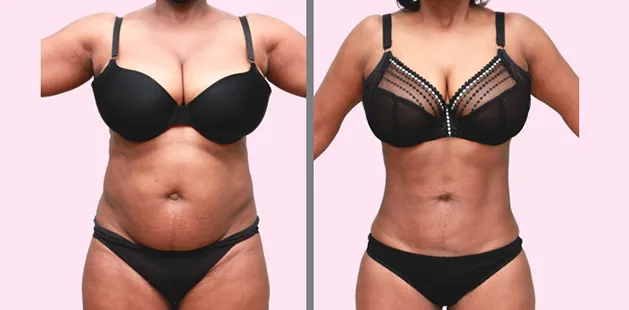
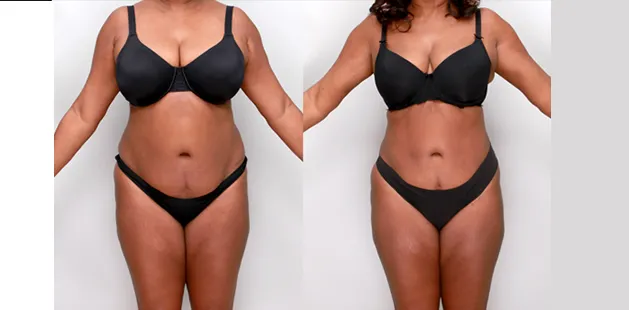
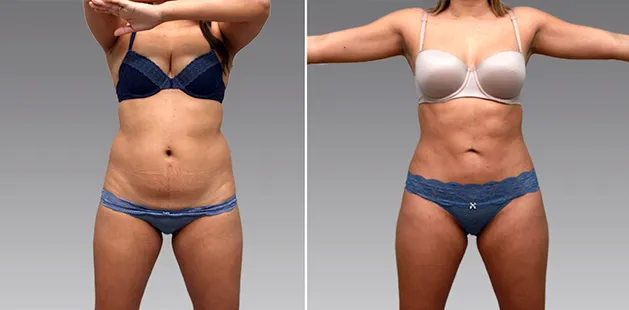
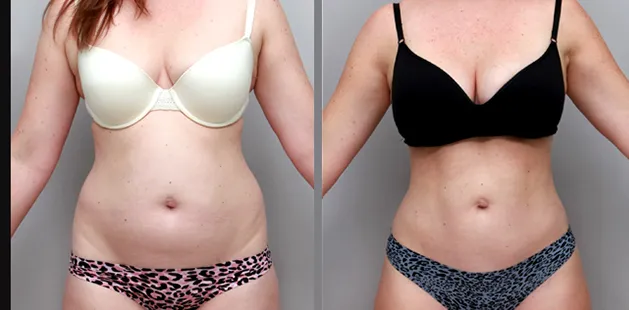
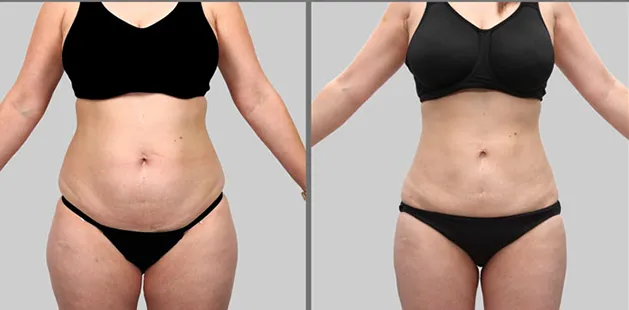
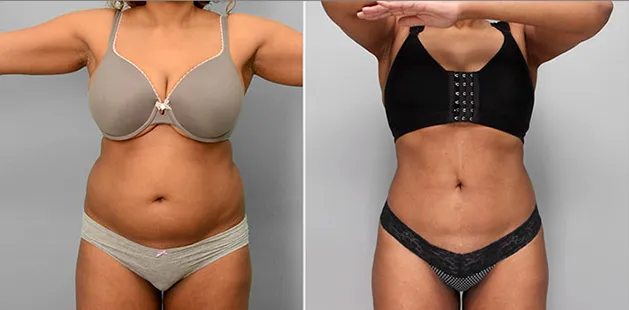
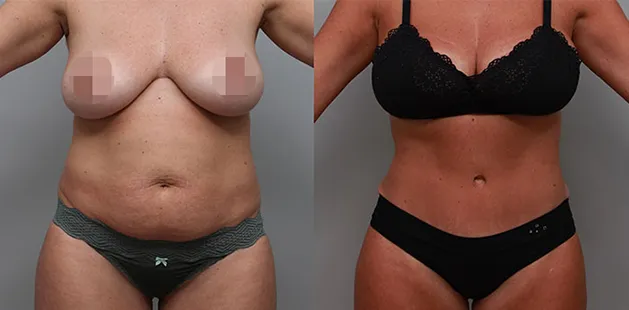
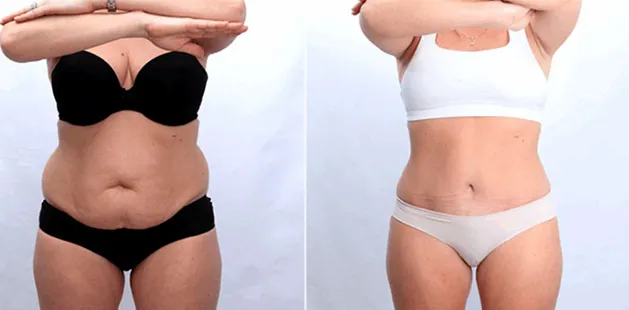
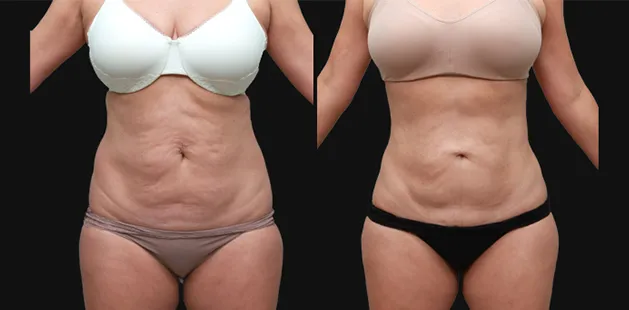
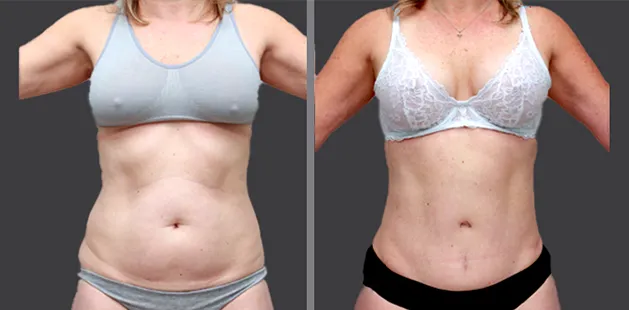
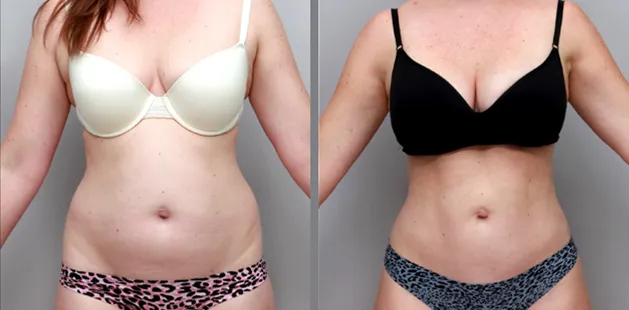
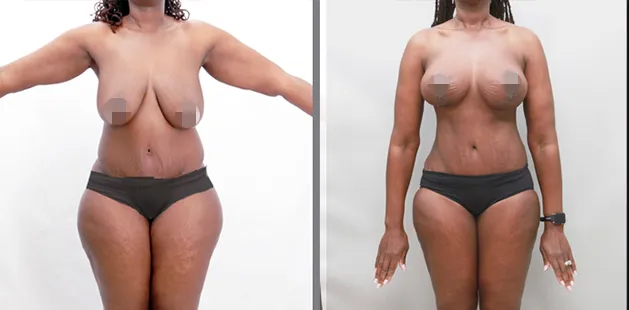
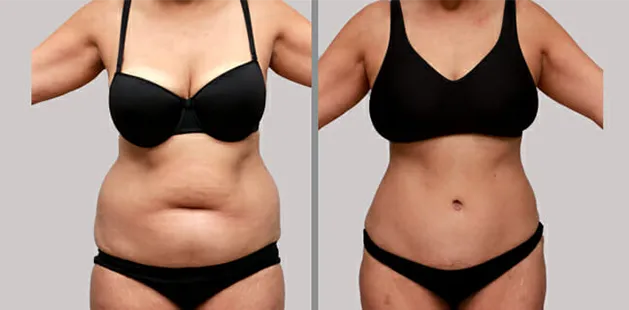
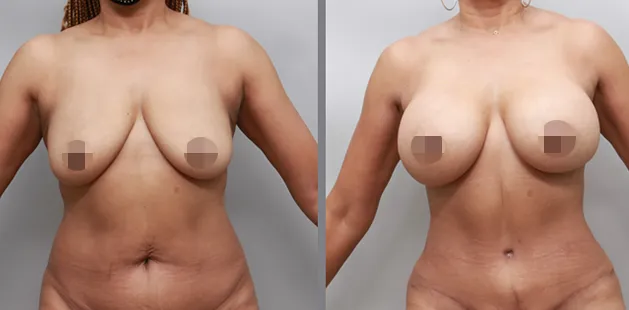
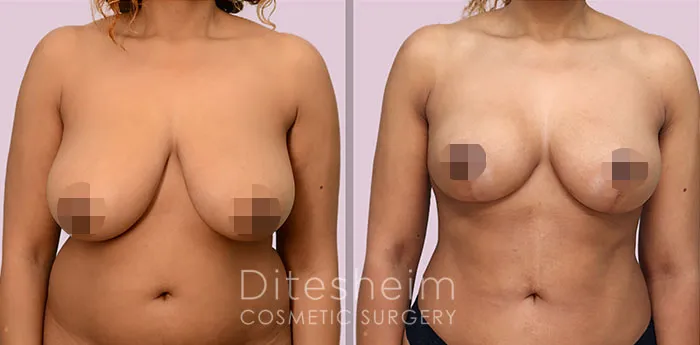
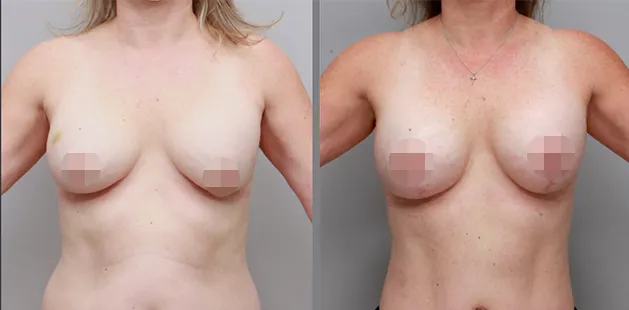
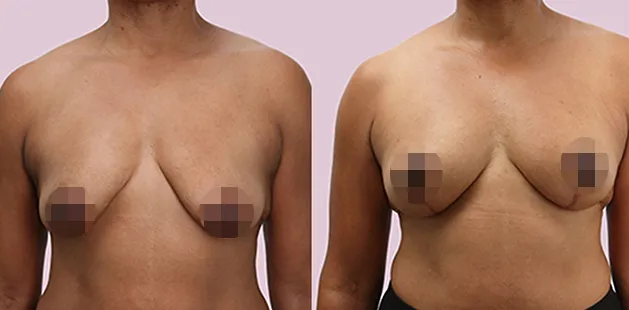
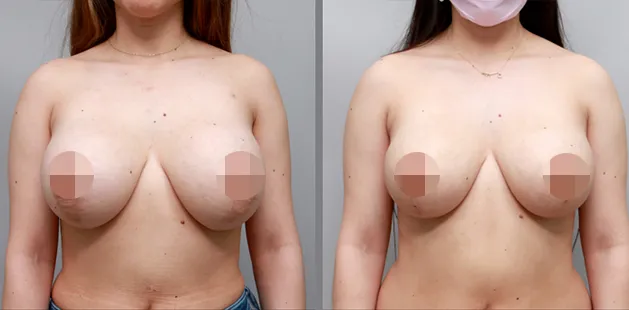
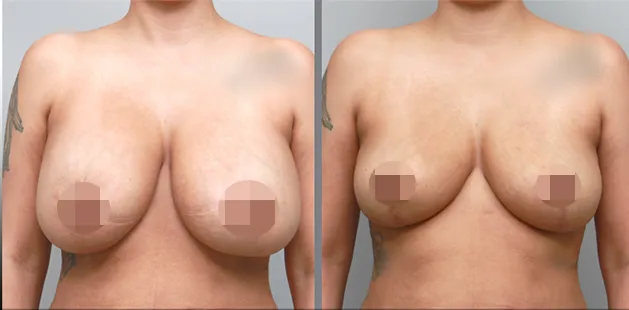
Check out Ditesheim Cosmetic Surgery’s tummy tuck before-and-after results to see examples of patients treated with different combinations of tummy tuck, liposuction, and skin-tightening procedures.
What Dr. Ditesheim Evaluates Before a Post-GLP-1 Tummy Tuck
A consultation should answer more than “Do I have enough loose skin?”
Dr. Ditesheim’s tummy-tuck consultation process includes reviewing health history, examining the abdomen, discussing goals, and deciding whether a less extensive or different procedure might serve the patient better.
For someone who has experienced significant GLP-1 weight loss, the discussion may also include:
- Starting and current weight
- Total weight lost
- How quickly the weight changed
- Whether weight is still decreasing
- GLP-1 medication history
- Abdominal skin distribution
- Remaining fat distribution
- Muscle separation
- Previous pregnancy or abdominal surgery
- Nutrition and general health, and
- The result the patient actually wants
The principles may be consistent. The plan is not.
Considering a Tummy Tuck After GLP-1 Weight Loss in Charlotte?
Reaching a lower weight and being ready for body-contouring surgery are not always the same milestone.
At Ditesheim Cosmetic Surgery in Charlotte, Dr. Jeffrey Ditesheim evaluates the skin, abdominal wall, weight history, health, and goals before recommending a surgical plan for you. Schedule a consultation.
Frequently Asked Questions
Can I have a tummy tuck while I am still taking Ozempic?
Possibly. Taking a GLP-1 medication does not automatically rule out surgery. Your surgeon, anesthesia provider, and prescribing clinician should determine how the medication should be managed around your procedure.
How long should my weight be stable before a tummy tuck after Wegovy?
There is no universal timeline that applies to everyone. Surgeons generally want to see that major weight loss has slowed and that the current weight is reasonably maintainable before removing excess skin.
Will a tummy tuck remove all loose skin after Ozempic weight loss?
Not always. A tummy tuck focuses on the abdomen. Loose skin around the waist after major weight loss may require an extended tummy tuck, circumferential contouring, or another procedure depending on where the laxity extends.
Can I continue losing weight after a tummy tuck?
Yes, but substantial additional weight loss may create more loose skin and alter the result. If considerable weight loss is still planned, it is worth discussing that before surgery rather than afterward.
What if I reached my goal weight but still have an abdominal apron?
An abdominal apron after GLP-1 weight loss may be caused primarily by excess skin rather than remaining fat. An in-person examination can determine whether a tummy tuck or another post-weight-loss procedure matches the anatomy.