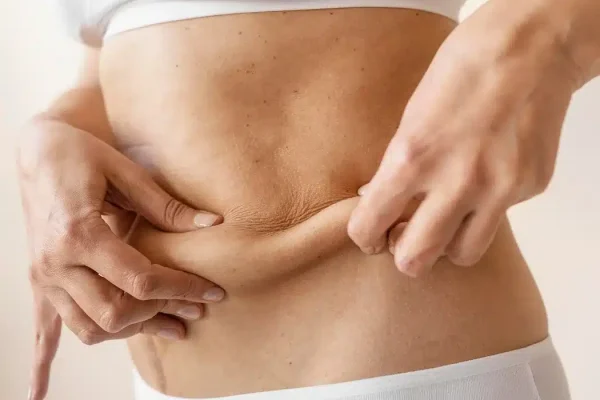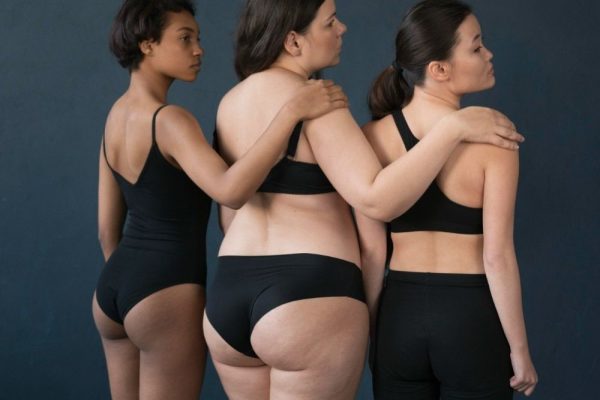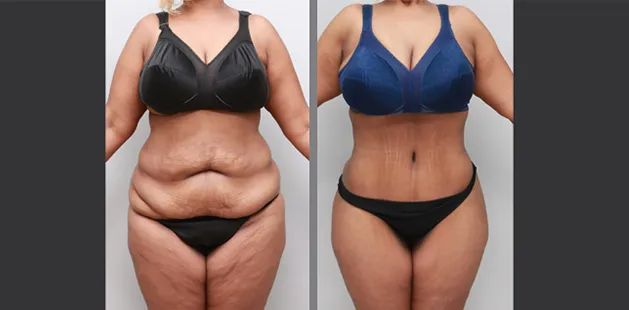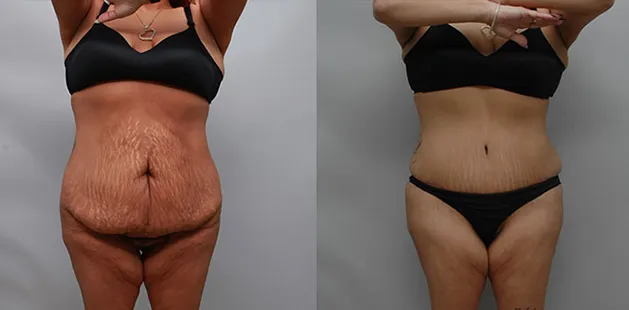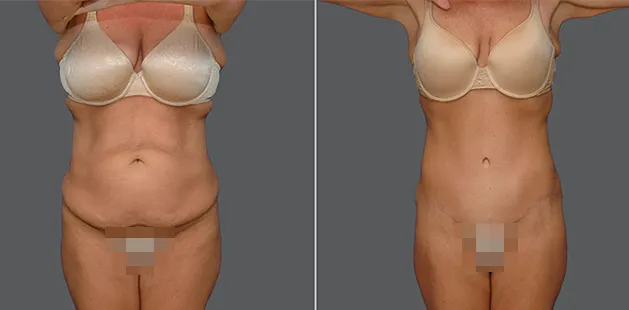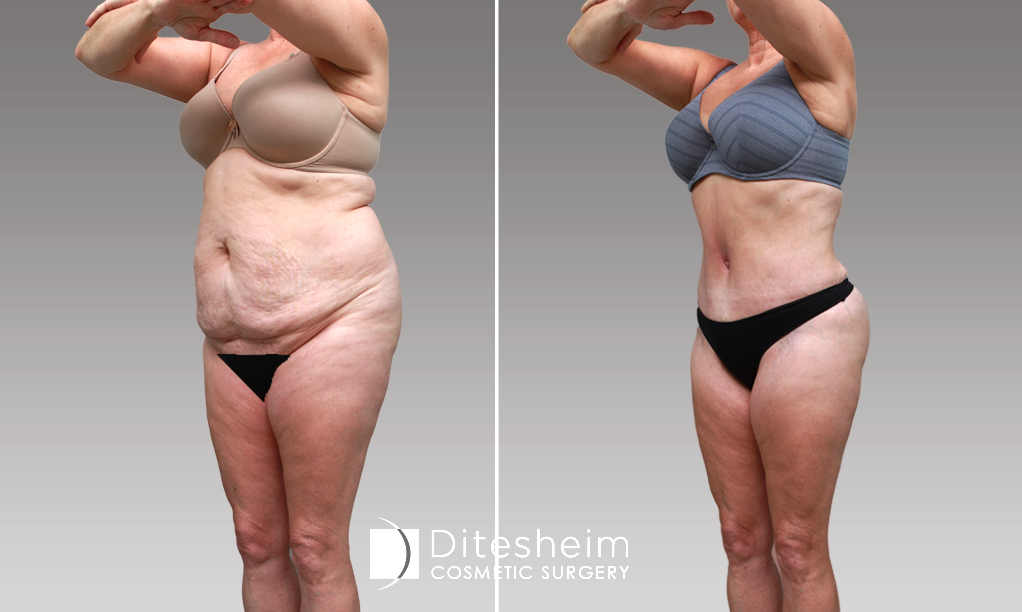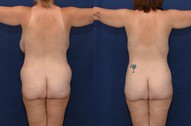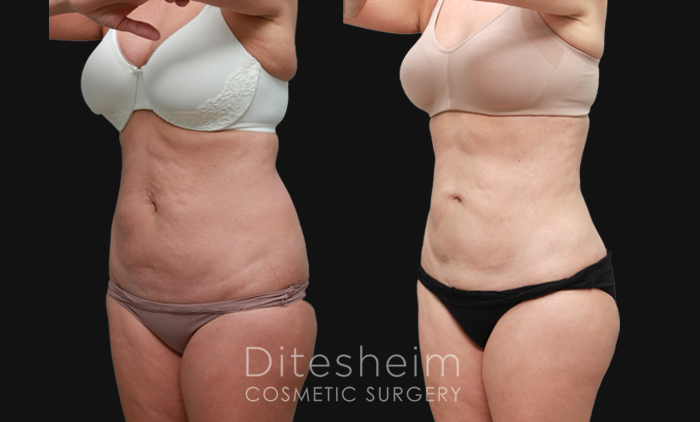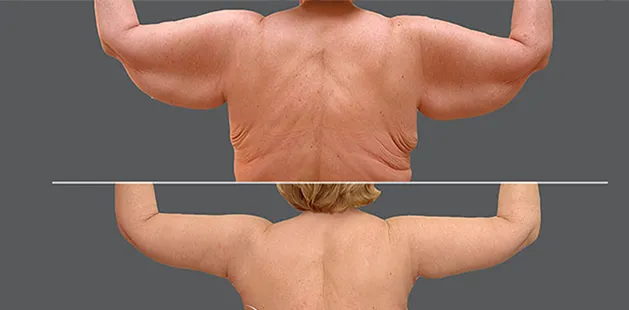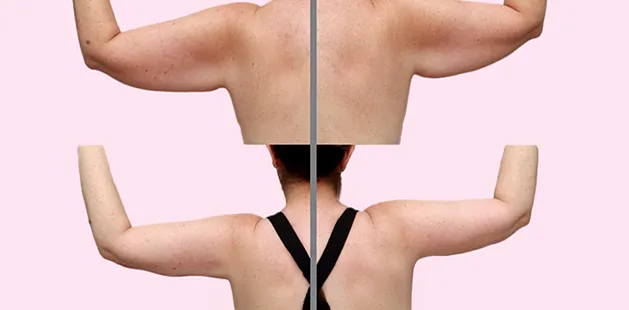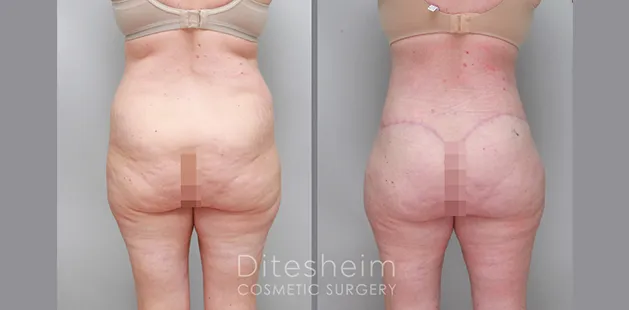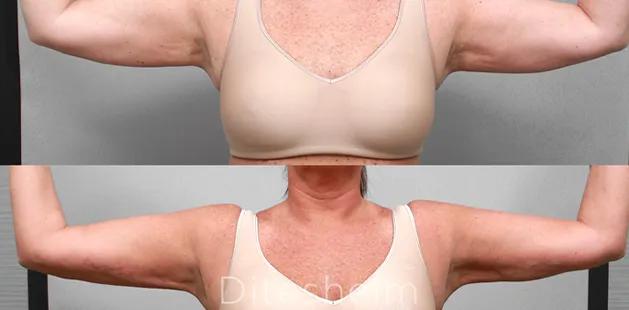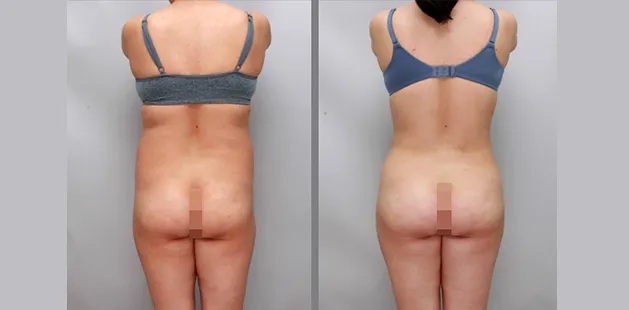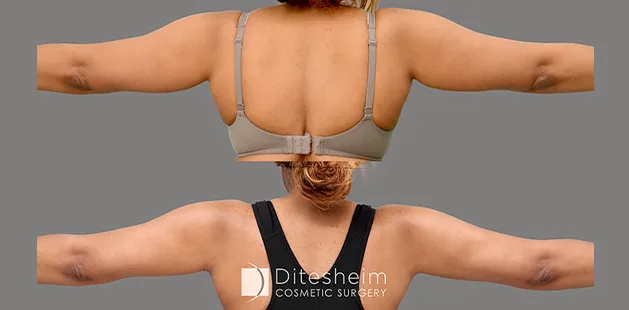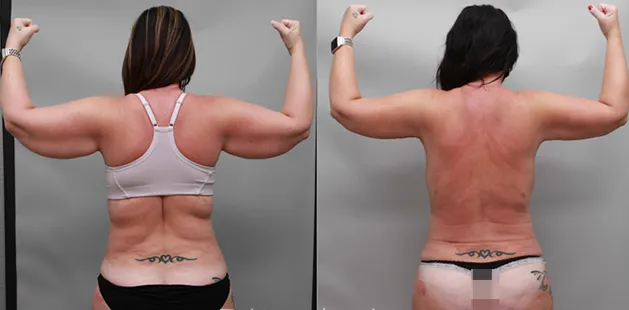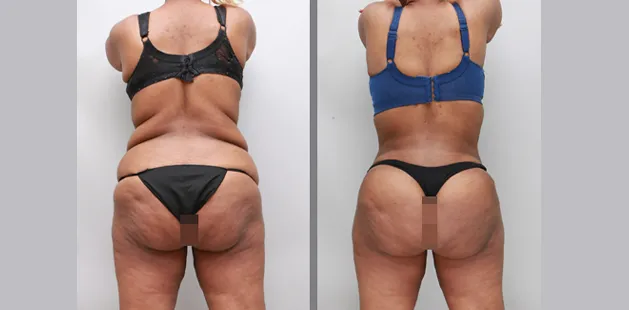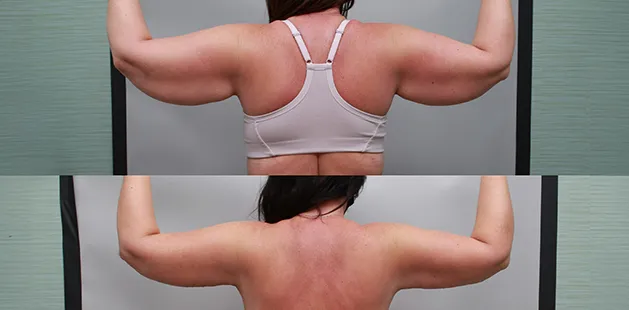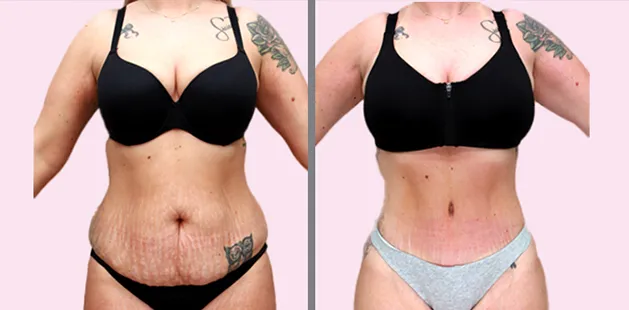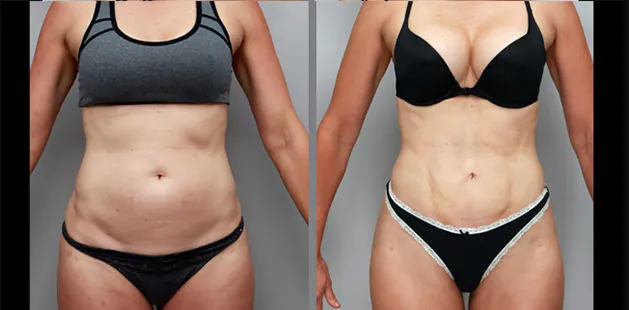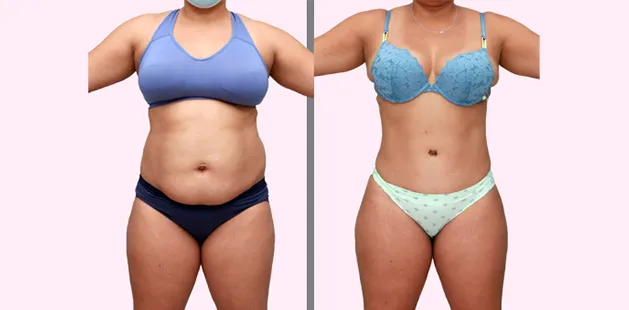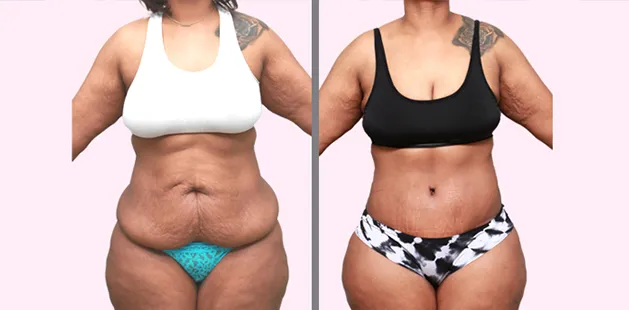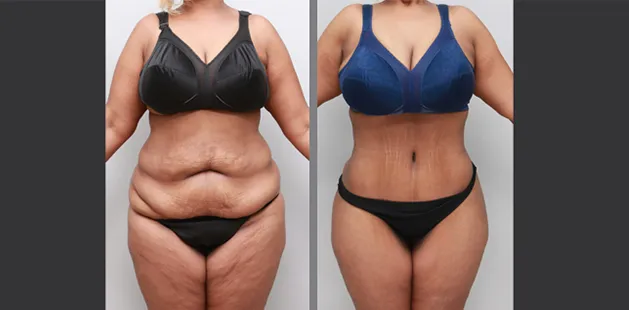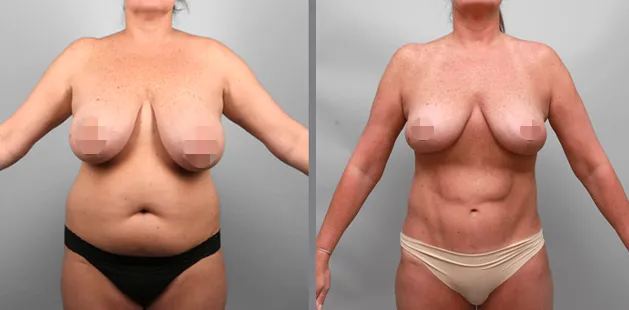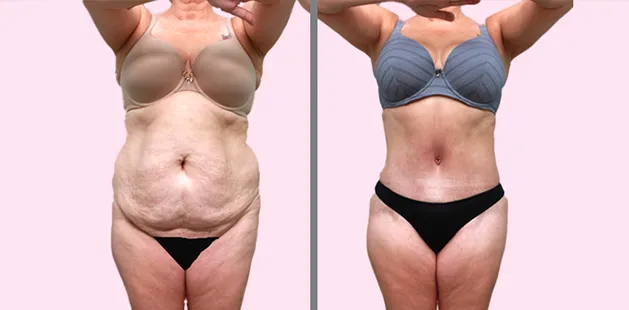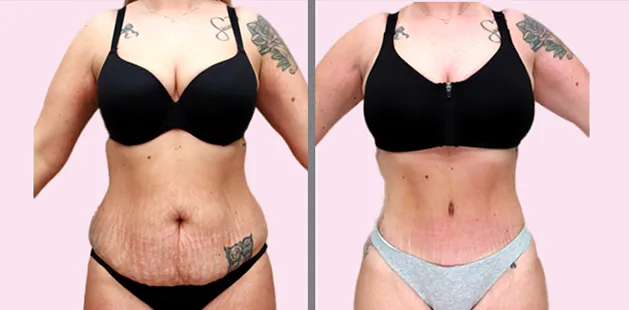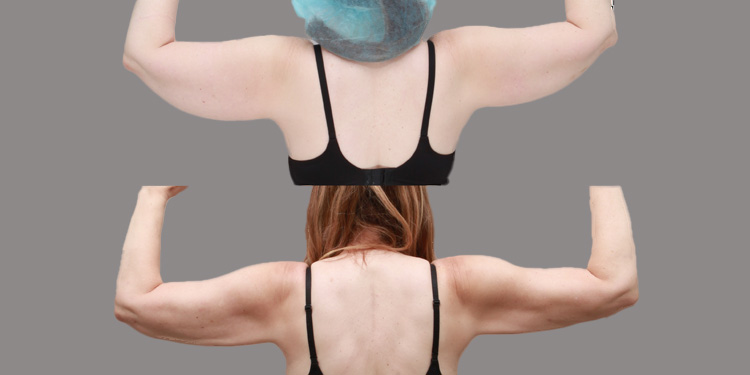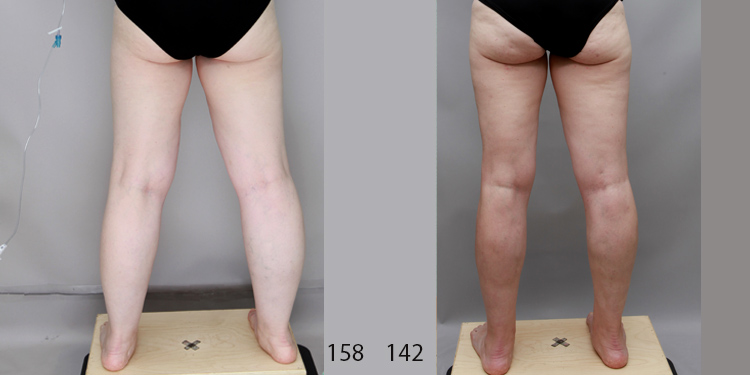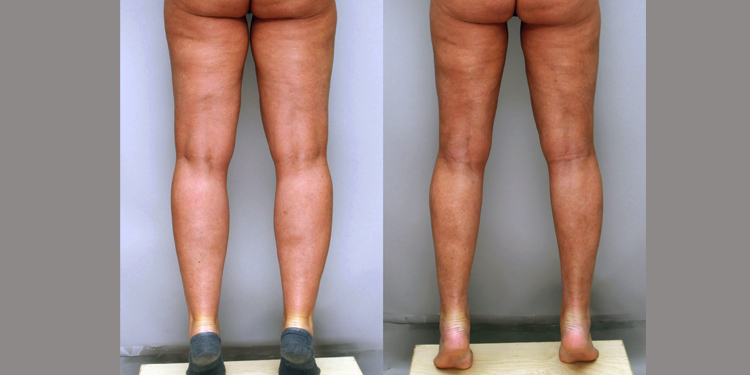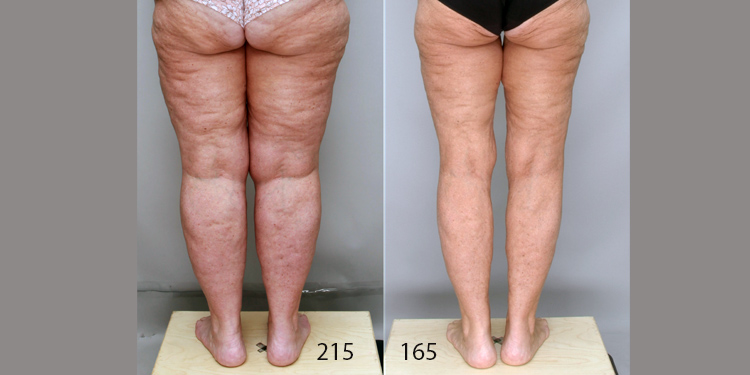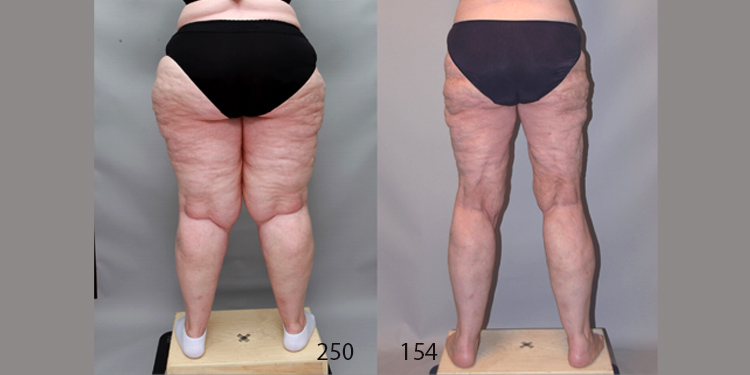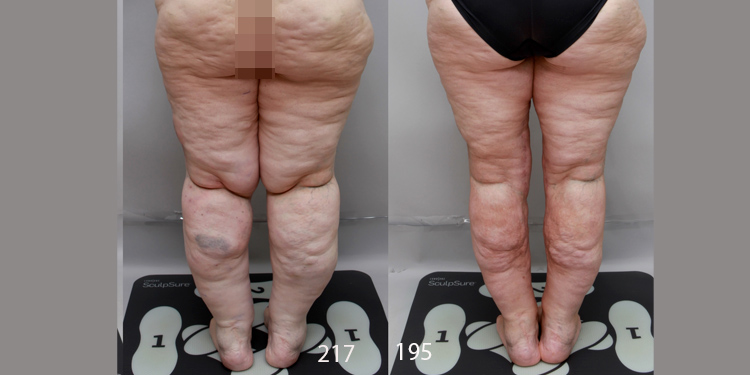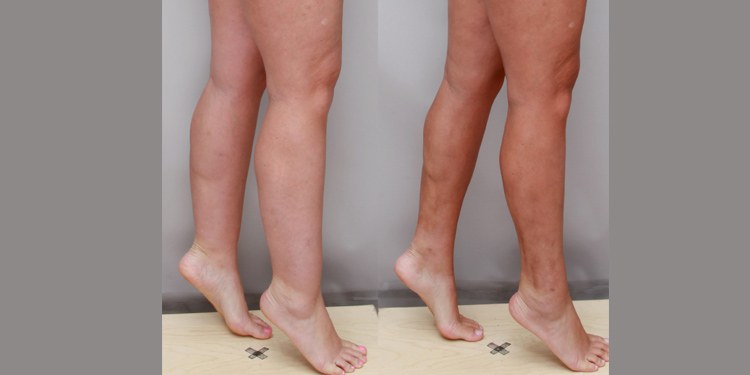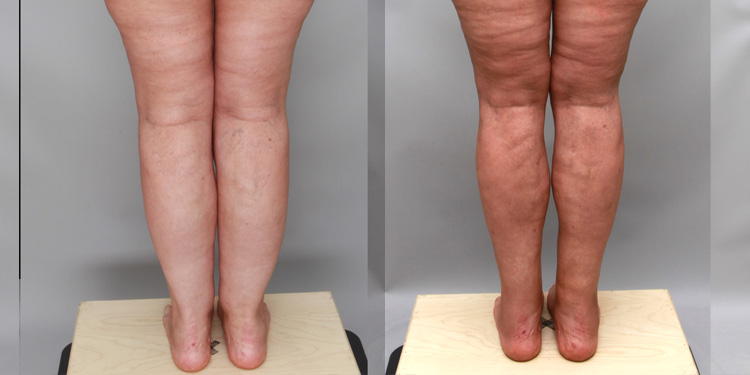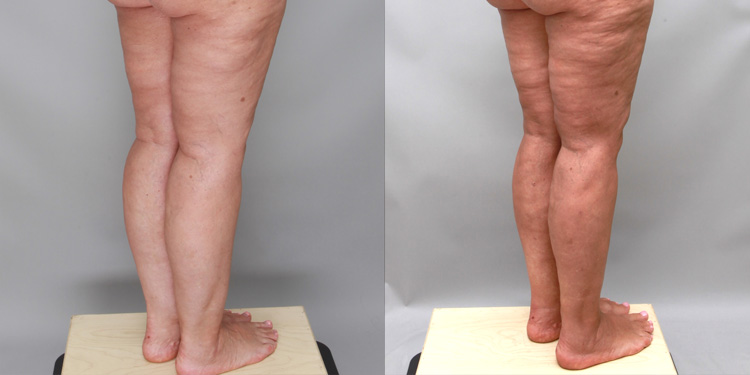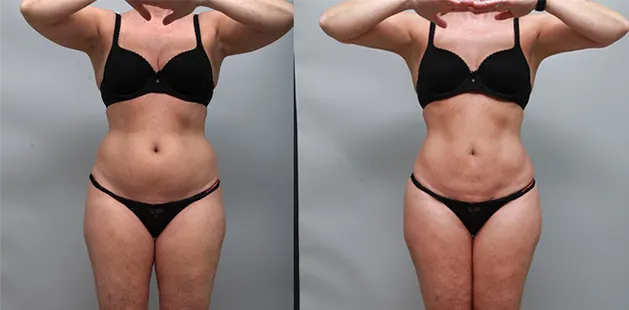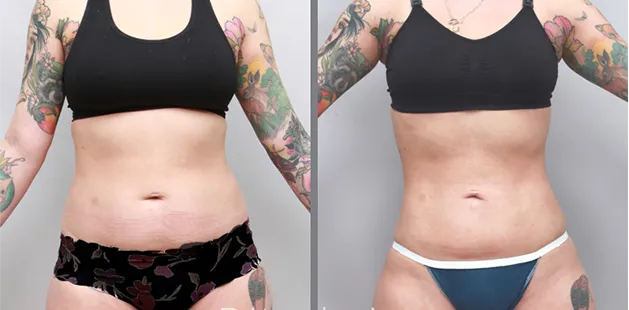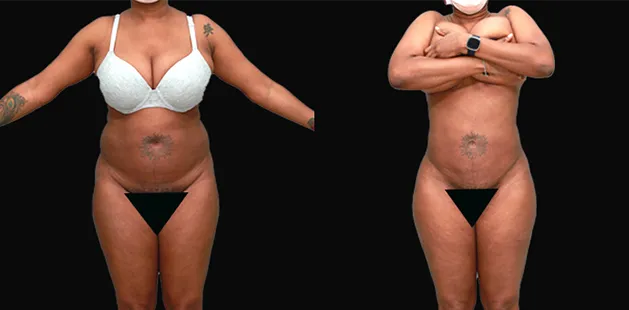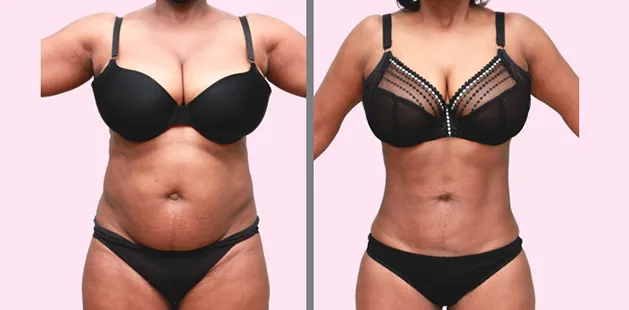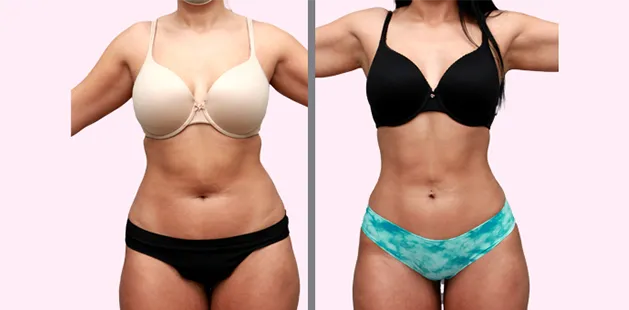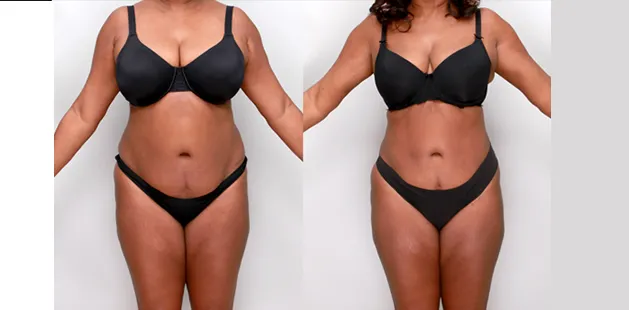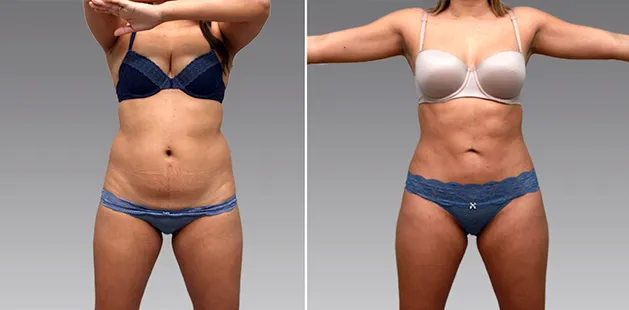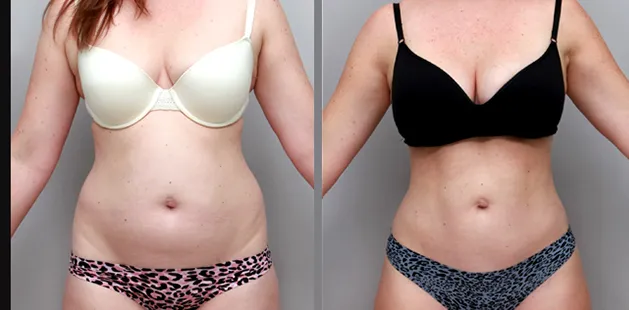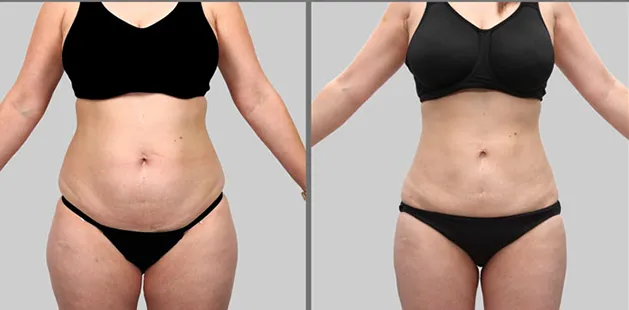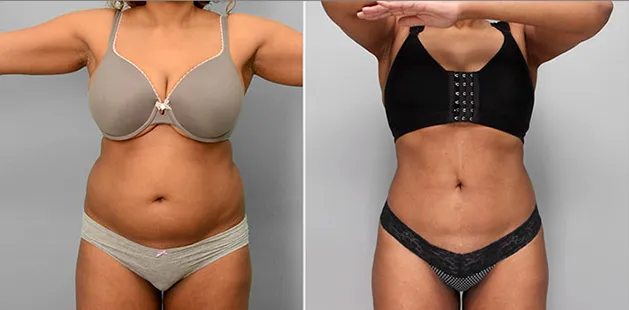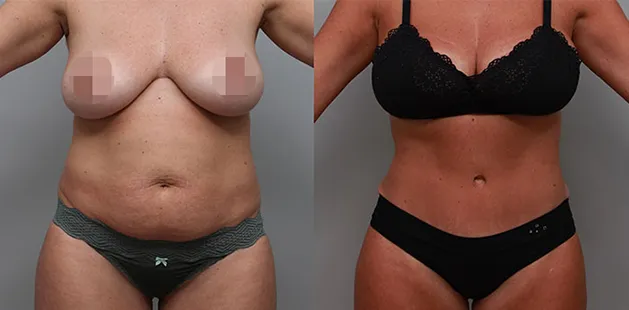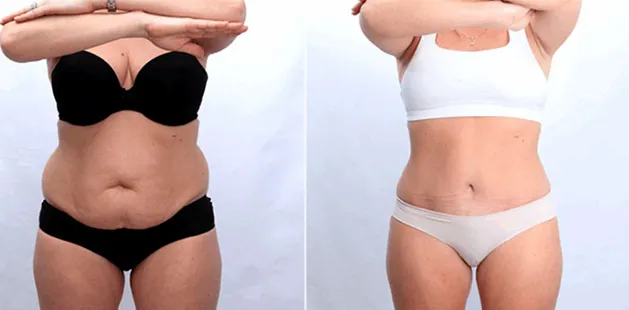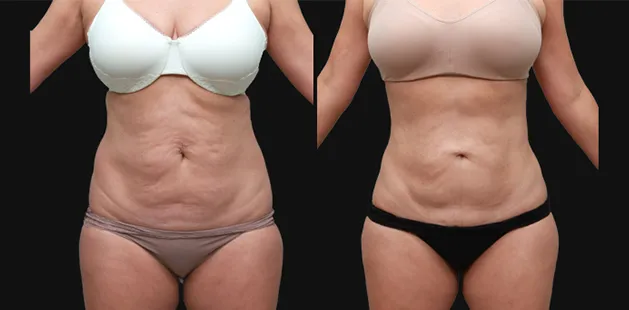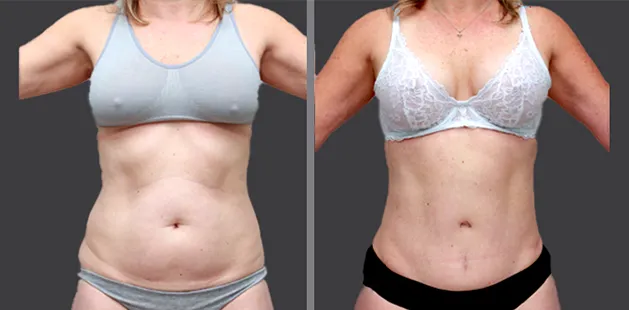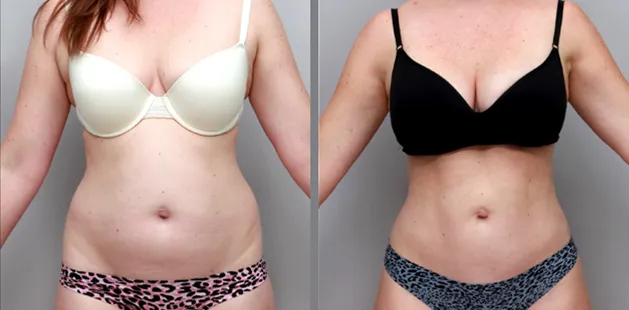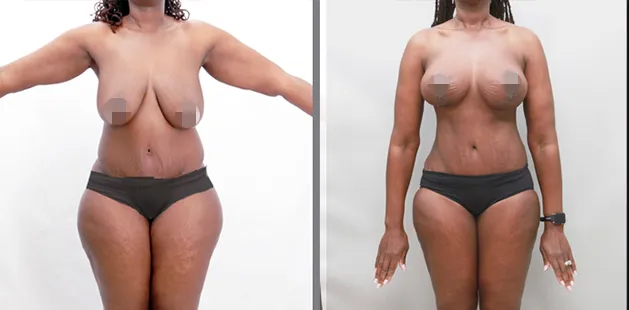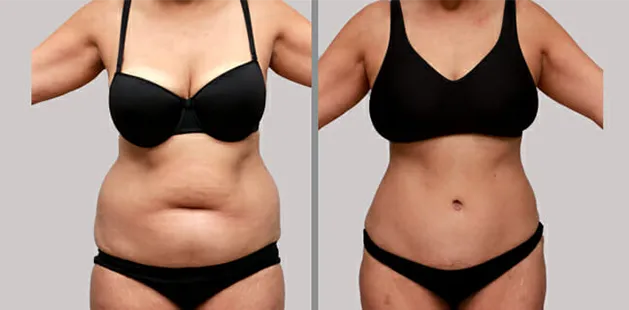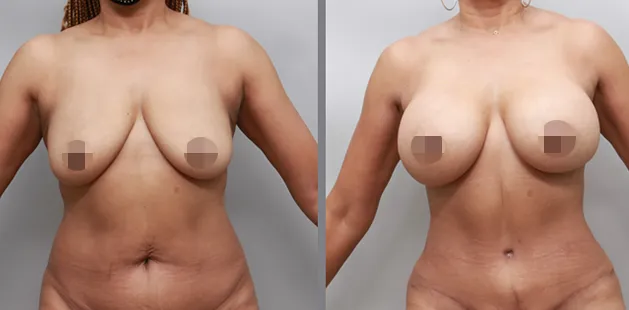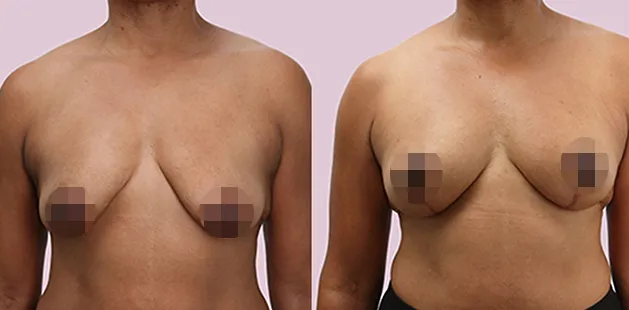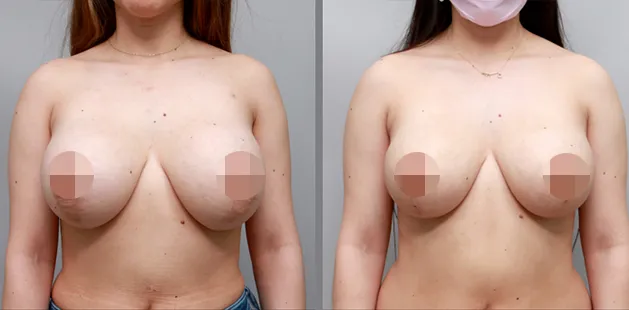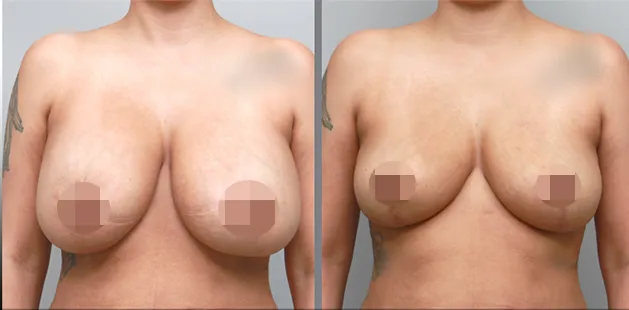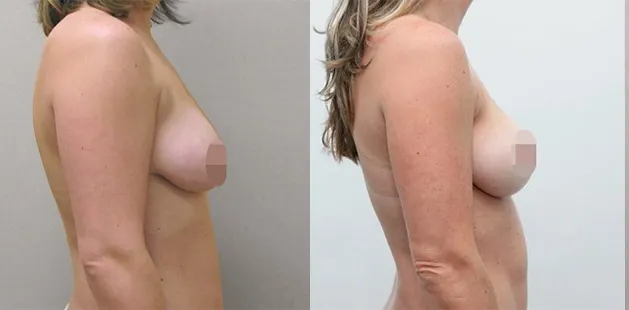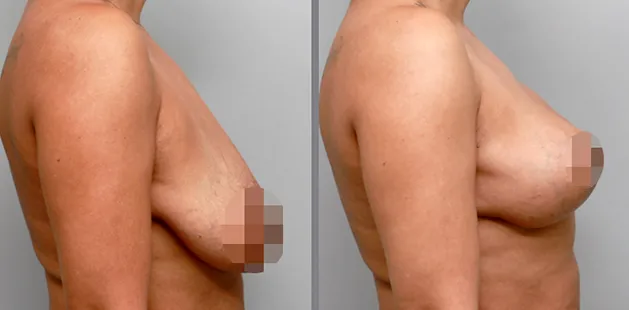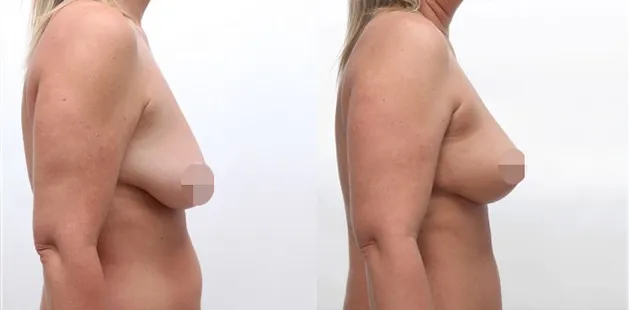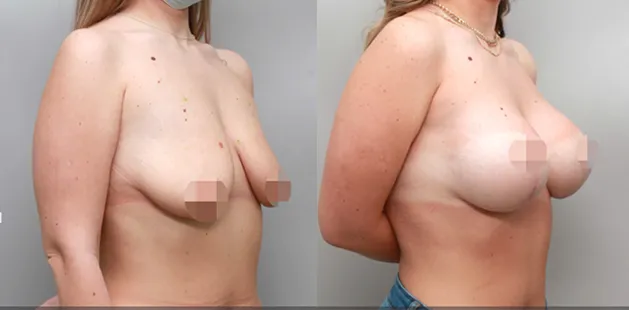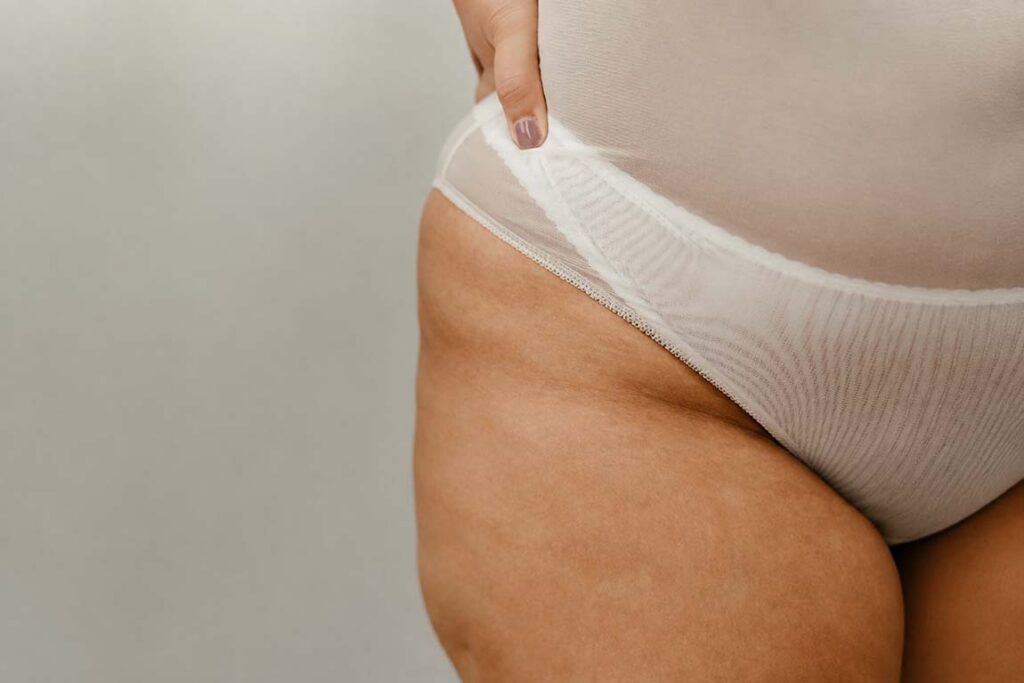
At first glance, lipedema and cellulite can look surprisingly similar. Both can create dimpling, uneven texture, or a lumpy appearance around the thighs and hips. But what is happening underneath the skin (and how the tissue feels) can be very different.
Cellulite is primarily a cosmetic change in skin texture. Lipedema is a chronic medical condition involving abnormal fat and connective tissue that may cause pain, tenderness, easy bruising, heaviness, and swelling.
The visual difference is not always obvious. That is why painful cellulite vs lipedema is better understood by paying attention to symptoms, fat distribution, and how your legs feel…not simply whether the skin has dimples.
Key Points
- Cellulite usually causes painless dimpling or an “orange-peel” skin texture.
- Lipedema may involve symmetrical fat buildup together with tenderness, pain, heaviness, swelling, or easy bruising.
- Lipedema often affects both legs while relatively sparing the feet.
- Cellulite and lipedema can occur at the same time.
- Appearance alone cannot confirm lipedema. Diagnosis depends on medical history and a clinical examination.
Lipedema vs Cellulite: Know the Differences
| Feature | Lipedema | Cellulite |
| Medical condition | Yes | Primarily cosmetic |
| Dimpled skin | Can occur | Very common |
| Pain or tenderness | Common in many patients | Usually absent |
| Easy bruising | Common | Not typical |
| Leg heaviness | May occur | Not typical |
| Swelling | May occur | Not typical |
| Fat distribution | Often symmetrical | May be localized or uneven |
| Feet | Often relatively spared | Not a diagnostic feature |
| Medical evaluation | Appropriate when suspected | Usually unnecessary |
The Lipedema Foundation notes that although the surface appearance may overlap, lipedema involves symptoms and tissue changes that are not characteristic of ordinary cellulite.
What Does Cellulite Look and Feel Like?
Cellulite creates dimpling or puckering of the skin, most often around the thighs, buttocks, hips, and abdomen. Some people describe the texture as resembling an orange peel or cottage cheese.
It is extremely common. Cleveland Clinic estimates that cellulite affects about 80% to 90% of women who have gone through puberty.
Most importantly, cellulite is generally not painful.
It can occur whether someone is thin, overweight, athletic, or somewhere in between. Having cellulite also does not mean there is anything medically wrong with the underlying fat.
What Does Lipedema Look and Feel Like?
Lipedema tends to involve more than surface texture.
The condition commonly causes disproportionate fat accumulation around the hips, thighs, knees, and lower legs. Both sides of the body are generally affected in a similar pattern. The arms may also be involved.
Some of the more meaningful early signs of lipedema in the legs include:
- Tenderness when the tissue is pressed
- Aching or painful legs
- Easy bruising
- A persistent feeling of heaviness
- Swelling that becomes worse during the day
- Disproportion between the upper and lower body
- Enlargement of the legs while the feet remain relatively unaffected
The U.S. Standard of Care for Lipedema describes lipedema as a disorder of loose connective tissue associated with nodular or fibrotic fat, pain in some patients, and characteristic fat distribution.
A leg can have visible dimpling without lipedema, and a person with lipedema may have symptoms that are much more important diagnostically than the dimpling itself.
Is it Cellulite or Lipedema? Look Beyond the Dimples
- One helpful way to think about the difference is to separate how the tissue looks from how it feels.
- If the main concern is surface dimpling without pain, swelling, bruising, or disproportion, ordinary cellulite is more likely.
- If the texture change occurs together with tender fat in the thighs and legs, frequent bruising, bilateral leg enlargement, heaviness, or swelling, the picture becomes different.
- Another clue is distribution.
- Lipedema usually develops symmetrically. A person may notice that both thighs or lower legs gradually become disproportionately larger while the feet remain relatively normal, sometimes creating a distinct transition around the ankle.
- Weight changes can make the distinction even more confusing.
- Lipedema and obesity can coexist, but they are not the same condition. This guide to lipedema vs obesity and diet-resistant leg fat explains why body size alone is not enough to tell the difference.
- No single visual sign proves that someone has lipedema. According to the Lipedema Foundation, there is currently no standardized biomarker or single diagnostic test for the condition. Diagnosis relies primarily on medical history and clinical examination.
Can You Have Lipedema and Cellulite at the Same Time?
Yes.
Having lipedema does not prevent cellulite from developing. In fact, the two conditions can coexist, which is one reason photographs and self-assessment can be misleading.
A person with lipedema may have dimpled skin that resembles ordinary cellulite while also experiencing tenderness, nodular tissue, bruising, swelling, or heaviness.
Likewise, having noticeable cellulite does NOTmean someone has lipedema.
The symptoms surrounding the texture change are much more informative than dimpling by itself.
When “Cellulite” May Be Worth Discussing with a Doctor
Skin texture alone usually does not require a medical evaluation. The situation is different when other physical symptoms are present.
Consider discussing the changes with a clinician familiar with lipedema if you notice:
- Painful or tender fatty tissue
- Unexplained or frequent bruising
- Both legs enlarging in a similar pattern
- Persistent leg heaviness
- Swelling
- Disproportion between your legs and upper body
- Fat deposits around the knees or ankles
- Mobility becoming more difficult
In Charlotte, NC, a proper lipedema evaluation should consider more than appearance. Medical history, symptoms, tissue texture, fat distribution, progression, and other possible causes of leg swelling or enlargement all matter.
Frequently Asked Questions
Does cellulite hurt?
Ordinary cellulite is usually painless. If dimpled or uneven tissue is consistently painful or tender when pressed, other causes (including lipedema) may deserve consideration. Pain alone does not establish a diagnosis.
Can lipedema look like cellulite?
Yes. Lipedema tissue can develop a lumpy or dimpled surface that resembles cellulite. The difference often becomes clearer when appearance is considered together with pain, bruising, swelling, tissue texture, and symmetrical fat distribution.
Why do my legs look like cellulite but hurt?
If the dimples on your legs hurt when you touch them, it may be more than regular cellulite. Tenderness may occur for several reasons, so persistent pain, heaviness, bruising, or swelling should be assessed rather than assumed to be cosmetic cellulite.
Does weight loss get rid of lipedema?
Weight management can improve general health and reduce non-lipedema fat, but lipedema tissue may respond differently. The U.S. Standard of Care notes that lipedema tissue can be difficult to reduce through diet, exercise, or bariatric surgery alone.
How do doctors tell if you have lipedema?
Lipedema is primarily diagnosed through medical history and physical examination. A clinician may evaluate fat distribution, tenderness, swelling, bruising, tissue characteristics, ankle and foot involvement, symptom history, and other conditions that can create similar changes.
Not Sure Whether You’re Seeing Cellulite or Lipedema?
Cellulite and lipedema can share a similar dimpled appearance, but they are not interchangeable conditions.
Pain, tenderness, easy bruising, heaviness, swelling, and symmetrical leg enlargement can provide important clues that the issue goes beyond ordinary cellulite. At the same time, no photograph, symptom checklist, or online comparison can confirm lipedema on its own.
For patients who want to better understand their symptoms, Ditesheim Cosmetic Surgery provides lipedema evaluation and treatment at our Charlotte practice. Talk to an expert to get a definitive answer.